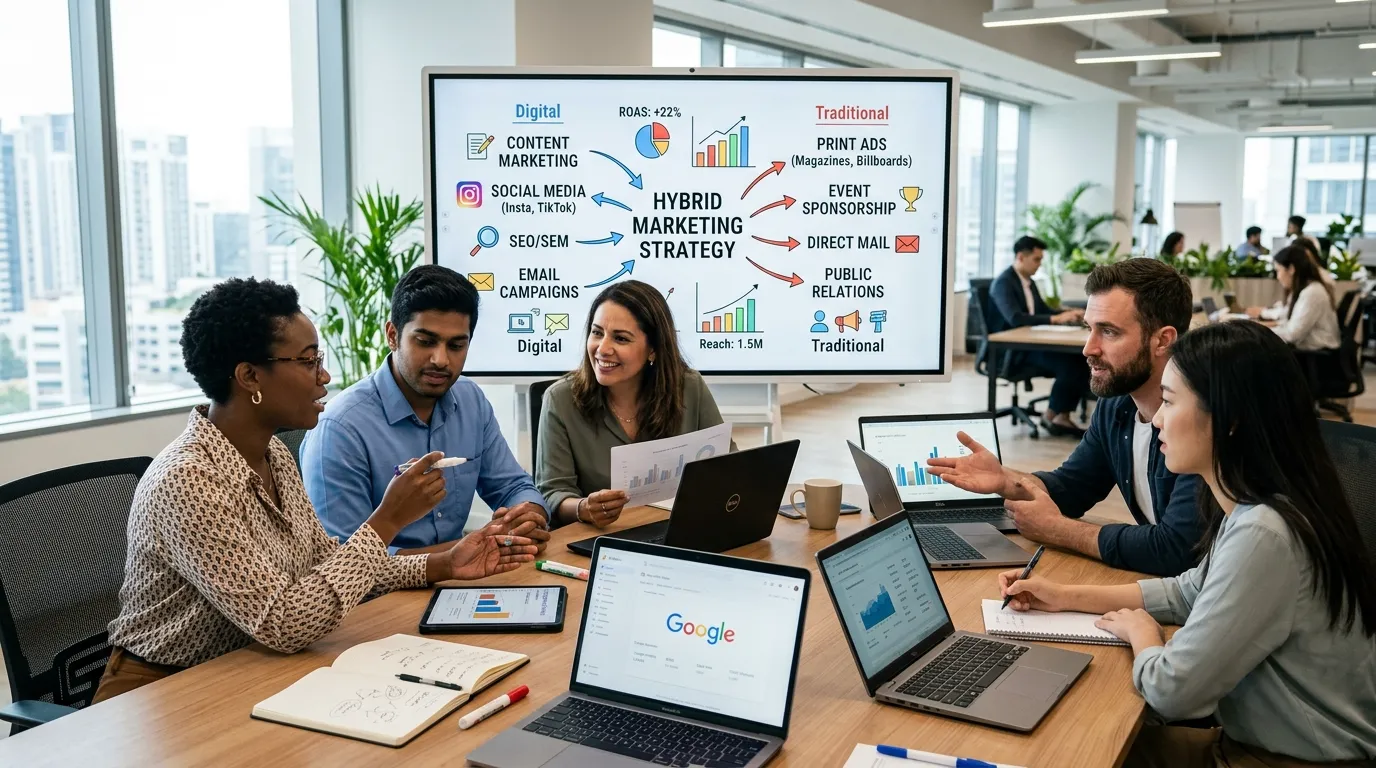
A hybrid marketing strategy combines traditional and digital marketing channels to create a unified approach for reaching audiences. It blends offline methods like print and events with online tools such as social media and SEO for better engagement and results.
A hybrid marketing strategy combines traditional offline marketing channels—such as print, television, radio, and direct mail—with digital channels like SEO, social media, email, and paid advertising. This integrated approach allows businesses to reach diverse audiences across multiple touchpoints, maximize brand visibility, and drive measurable revenue growth. It is widely considered the most effective and resilient marketing model for modern businesses.
Most businesses today face the same core problem: their customers do not live exclusively online or exclusively offline. A prospect might see your billboard during the morning commute, Google your brand name over lunch, and finally convert through a retargeted social media ad that evening. If your marketing only covers one of those moments, you are handing revenue to competitors who cover all three.
That is precisely why the hybrid marketing strategy definition has become one of the most searched topics among marketing professionals and business owners. Understanding what a hybrid marketing model actually means—and how to build one—is no longer optional for businesses that want to grow.
This guide covers everything: a clear hybrid marketing strategy definition, the components that make it work, real-world examples, the challenges you will encounter, and a step-by-step framework for building your own. By the end, you will have both the knowledge and the tools to launch an integrated traditional and digital marketing strategy that drives real results.
What Is the Hybrid Marketing Strategy Definition?
 A hybrid marketing strategy is a promotional framework that intentionally combines offline, traditional marketing methods with online, digital marketing channels into a single, coordinated plan. Rather than treating television, print, or direct mail as separate from SEO, social media, or email campaigns, a hybrid model unifies both disciplines under shared goals, consistent messaging, and integrated measurement.
The hybrid marketing model solves a fundamental problem that businesses encounter when they rely on only one type of channel. Digital-only strategies often suffer from audience fatigue, escalating cost-per-click rates, and algorithm dependency. Traditional-only strategies make it nearly impossible to track precise conversion rates or engage younger, digitally-native demographics. The hybrid approach eliminates both vulnerabilities.
To learn more about how these two disciplines interact, read our detailed breakdown of how digital marketing differs from traditional marketing.
The Evolution from Traditional to Hybrid Digital Marketing Strategy
Traditional marketing dominated for most of the 20th century. Brands built empires through television commercials, newspaper spreads, and radio spots. The communication was one-directional: brand to consumer, with no mechanism for real-time feedback or precise targeting.
The internet changed the equation. Suddenly, businesses could track every click, serve ads based on browsing behavior, and publish content that reached a global audience for a fraction of traditional media costs. Many marketers assumed digital would simply replace traditional. That has not happened.
Physical touchpoints still carry tremendous weight. According to Nielsen, television and radio continue to reach the vast majority of adults weekly, even among younger demographics. Billboards build brand recognition in ways display ads cannot replicate. Direct mail achieves open rates that email marketers envy.
The result is a landscape where the most effective brands do not choose between digital and traditional—they combine them. This evolution is what gave rise to the modern hybrid digital marketing strategy. For a comprehensive look at how this evolution unfolded, explore our complete guide to marketing in the digital age.
Understanding Traditional Marketing: Strengths and Limitations
What are the key traditional marketing channels?
Traditional marketing channels include:
- Print media: Newspapers, magazines, brochures, and direct mail catalogs
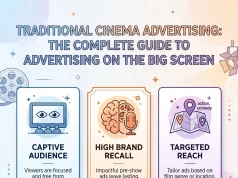
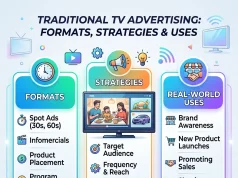
- Broadcast media: Television and radio commercials
- Outdoor advertising: Billboards, transit signage, and posters
- Events and sponsorships: Trade shows, community events, and product demonstrations
- Telemarketing: Outbound phone campaigns and cold calling
What are the strengths of traditional marketing in a hybrid model?
Traditional marketing contributes three things that digital channels consistently struggle to replicate: broad reach, tangible credibility, and long-term brand recall. A single television spot during a prime-time program can reach millions simultaneously. A high-quality printed catalog is something a consumer can hold, revisit, and share physically. Research from the Data & Marketing Association consistently shows that direct mail achieves response rates significantly higher than email for certain demographics.
Traditional marketing also builds the kind of institutional trust that digital advertisements find difficult to manufacture. A full-page spread in a respected industry publication signals authority. A sponsored community event creates goodwill that lasts.
What are the limitations of traditional marketing?
The core weakness of traditional marketing is measurement. Tracking exactly how many sales a specific billboard or radio spot generated requires creative workarounds—unique phone numbers, custom vanity URLs, or special discount codes. Traditional campaigns also cost more upfront, move slower to adjust once launched, and offer limited personalization capabilities.
These limitations are exactly what the digital side of a hybrid marketing strategy is designed to address.
Understanding Digital Marketing: Strengths and Limitations

What are the key digital marketing channels?
The digital side of a hybrid marketing model typically includes:
- Search Engine Optimization (SEO): Earning organic visibility on Google and other search engines
- Pay-Per-Click (PPC) advertising: Paid search and display ads with precise targeting
- Social media marketing: Organic content and paid campaigns on LinkedIn, Instagram, Facebook, and TikTok
- Email marketing: Permission-based direct communication with a segmented subscriber list
- Content marketing: Blogs, videos, guides, and infographics that attract and educate audiences
What are the strengths of digital marketing in a hybrid model?
Digital marketing contributes precision, measurability, and speed. Marketers can define an audience by age, location, income bracket, browsing behavior, and purchase intent—then reach that audience for a fraction of what traditional broadcast media costs. Analytics platforms like Google Analytics provide real-time data on click-through rates, conversion rates, and cost per acquisition.
Digital campaigns are also highly flexible. A paid social media ad can be paused, edited, or scaled within minutes based on performance data. SEO and content marketing build compounding assets—a well-optimized blog post published today can continue generating organic traffic years later without additional spending.
The relationship between content marketing and advertising strategy illustrates how paid digital campaigns and organic content work best when coordinated, rather than run in isolation.
What are the limitations of digital marketing?
Digital channels face growing challenges. Ad fatigue is real—consumers now encounter thousands of digital messages daily, causing many to tune them out or block them entirely. Algorithm changes on platforms like Google and Meta can reduce organic reach overnight. Rising competition for keywords and ad inventory has driven up cost-per-click rates significantly over the past decade.
Digital-only brands also risk appearing impersonal. Without any physical presence or offline credibility signals, building deep consumer trust can take considerably longer.
The Synergy of a Traditional and Digital Marketing Strategy
The power of a hybrid marketing strategy lies not in simply running both types of campaigns simultaneously—it lies in designing them to reinforce each other.
How do traditional and digital elements complement each other?
Traditional media drives awareness at scale; digital media captures and converts that awareness with precision. A billboard creates brand recognition. A retargeted digital ad converts the consumer who already recognizes the brand. A direct mail postcard with a QR code generates both offline tactile engagement and trackable online traffic. A radio spot promotes a social media giveaway, turning broadcast reach into measurable digital engagement.
This interplay creates a customer journey that is far more resilient than any single-channel approach. When one channel underperforms, the others continue working. More importantly, consumers who encounter a brand across multiple touchpoints develop higher purchase intent and stronger long-term loyalty.
Real-world examples of successful hybrid marketing campaigns
Coca-Cola’s “Share a Coke” campaign is a textbook hybrid marketing strategy example. The company printed popular consumer names on physical bottles—a traditional product-marketing tactic—and simultaneously launched a digital campaign encouraging buyers to photograph their personalized bottles and share them using a branded hashtag. The physical product drove digital engagement. Sales increased across markets where the campaign ran.
A regional furniture retailer deployed a hybrid digital marketing strategy by mailing high-quality printed catalogs to targeted postal codes. Simultaneously, the retailer used geo-fencing technology to serve Facebook and Instagram ads to mobile devices located within those same postal codes. Consumers received both a physical catalog and a digital ad within the same timeframe. The dual exposure built familiarity and drove measurable foot traffic to physical showrooms.
For a detailed comparison of how the hybrid approach stacks up against a purely traditional model, see our analysis of the hybrid approach vs traditional approach.
How to Develop Your Own Hybrid Marketing Strategy

Step 1: Define your target audience and objectives
Every effective hybrid marketing strategy starts with audience clarity. Build detailed buyer personas that capture your ideal customer’s demographics, media consumption habits, preferred channels, and purchasing behavior. A 55-year-old executive who reads industry trade publications requires a different channel mix than a 28-year-old small business owner who consumes content primarily through LinkedIn and YouTube.
Set specific, measurable objectives before allocating any budget. Define whether your priority is top-of-funnel brand awareness, mid-funnel lead generation, or bottom-of-funnel conversion. Your objectives determine which blend of traditional and digital channels will deliver the best return.
Step 2: Allocate resources effectively across channels
Budget allocation in a hybrid marketing model should follow your primary business goals. Organizations focused on mass brand awareness should weight their spend toward traditional broadcast media and outdoor advertising. Businesses prioritizing immediate lead generation should allocate more heavily toward PPC, email campaigns, and social media advertising. Reserve approximately 15 to 20 percent of your total budget for testing new channels and refining what works.
Step 3: Craft a unified brand message
A hybrid marketing strategy fails when messaging feels disconnected across channels. The visual identity, tone of voice, and core value proposition must remain identical whether a customer encounters a physical billboard or a digital Instagram story. Inconsistency creates cognitive friction that slows purchasing decisions.
Step 4: Measure performance across both offline and online channels
Tracking offline performance requires creativity. Use unique promo codes printed on direct mail pieces, custom vanity URLs on billboards, and dedicated phone numbers in radio spots to connect offline exposure to digital conversion events. Feed all data into a centralized CRM platform so your team can evaluate total campaign performance accurately.
For digital channels, track click-through rates, cost per acquisition, and conversion rates in real time using platforms like Google Analytics and your social media business accounts.
Key Benefits of a Hybrid Marketing Model
Increased brand awareness and recall
Campaigns that utilize five or more channels consistently generate higher brand recall than single-channel campaigns. Each additional touchpoint reinforces brand recognition, making the brand more likely to surface in a consumer’s mind at the moment of purchase.
Enhanced customer engagement and loyalty
Hybrid marketing creates more opportunities for consumers to interact with a brand on their own terms. Some customers prefer physical interactions—attending an event, receiving a catalog, or watching a television commercial. Others prefer digital touchpoints. A hybrid model serves both preferences, building broader and deeper loyalty across diverse audience segments.
Improved ROI and market penetration
Traditional media fills the top of the sales funnel with broad awareness at scale. Digital media then captures and converts those prospects through precise retargeting and personalized follow-up. The combination reduces overall customer acquisition costs and improves the return on every marketing dollar spent.
Challenges of Implementing a Hybrid Marketing Strategy
Budget allocation and resource management
Executing campaigns across multiple channels requires capital, personnel, and careful coordination. Organizations with limited resources may struggle to maintain quality across both offline and online initiatives simultaneously. The solution is to start with a focused hybrid approach—perhaps pairing one traditional channel with two digital channels—and expand from there as results justify increased investment.
Maintaining brand consistency across diverse channels
The more channels a brand occupies, the greater the risk of inconsistent messaging. Establishing a clear brand style guide that governs visual identity, tone, and core messaging across all channels is essential before launching any hybrid campaign.
Siloed marketing teams
Traditional PR teams and digital SEO teams often operate independently, with different KPIs and limited cross-functional communication. Overcome this by creating unified teams with shared performance goals, regular collaborative planning sessions, and integrated reporting dashboards that measure both offline and online outcomes.
The Future of Hybrid Marketing Strategy
 The trajectory is clear: the line separating traditional and digital marketing will continue to narrow. Augmented Reality (AR) already allows consumers to point smartphone cameras at physical print advertisements to trigger interactive 3D product experiences. Connected TV blends the mass reach of traditional television programming with the household-level targeting precision of digital advertising.
According to Nielsen’s 2024 consumer research, buyers increasingly expect personalized, cross-channel experiences that feel seamless regardless of whether they encounter a brand online or offline. Organizations that invest in building a true hybrid marketing model now will be substantially better positioned to meet those expectations as the technology matures.
Artificial intelligence will accelerate this convergence further. AI-powered tools already enable real-time audience segmentation, predictive analytics, and automated personalization at a scale that was impossible a decade ago. Integrating these capabilities into a hybrid strategy will allow brands to serve the right message through the right channel—online or offline—at precisely the right moment.
Conclusion
A hybrid marketing strategy allows businesses to maximize reach by integrating both traditional and digital marketing methods. This balanced approach improves brand visibility, customer engagement, and campaign effectiveness, making it a powerful model for modern, competitive marketing environments.
Frequently Asked Questions
1. What is the hybrid marketing strategy definition in simple terms?
A hybrid marketing strategy is a promotional plan that combines traditional offline marketing methods—such as print, television, and direct mail—with digital channels like SEO, email, and social media into a single, coordinated approach to reach customers across multiple touchpoints.
2. Why is a hybrid marketing model more effective than a purely digital strategy?
A hybrid marketing model builds broader brand trust because digital advertising alone can feel intrusive and get lost in online noise. Adding traditional elements like direct mail or television provides tangible credibility and reaches audiences who are less active online, resulting in stronger overall campaign performance.
3. How does a hybrid digital marketing strategy differ from multichannel marketing?
A hybrid digital marketing strategy specifically integrates both offline (traditional) and online (digital) channels. Multichannel marketing refers to using multiple channels generally, which may include only digital channels. The hybrid model always spans the digital-physical divide.
4. What budget percentage should go toward traditional vs digital channels in a hybrid strategy?
There is no universal ratio. Budget allocation depends on your audience, objectives, and industry. Businesses targeting mass awareness typically allocate 40 to 60 percent toward traditional channels. Businesses prioritizing lead generation often allocate 60 to 70 percent toward digital channels. Reserve 15 to 20 percent for testing new channels.
5. How do you measure the ROI of traditional marketing in a hybrid campaign?
Marketers measure traditional marketing ROI within a hybrid campaign by embedding trackable digital mechanisms into offline materials—unique QR codes, custom promo codes, dedicated vanity URLs, and specific phone numbers that connect offline exposure to online conversion events recorded in a CRM or analytics platform.
6. Is a hybrid marketing strategy suitable for small businesses with limited budgets?
Yes. A local business can combine affordable printed flyers or community event sponsorships with targeted local Facebook or Google ads to build strong neighborhood visibility. A hybrid strategy does not require large budgets—it requires strategic integration of whatever channels you use.
7. What role does content marketing play in a hybrid strategy?
Content marketing serves as the educational backbone of the hybrid model. Traditional advertisements capture attention and direct audiences to the company website, where in-depth content—blogs, guides, and videos—builds the trust needed to drive a purchase decision.
8. How do PR and SEO work together in a hybrid marketing model?
Public relations teams secure media coverage in prominent print and digital publications. When those publications include a digital backlink to the company website, it improves Search Engine Optimization authority and search rankings—creating a measurable digital benefit from traditional PR activity.
9. What emerging technologies will reshape hybrid marketing strategies?
Augmented Reality, Connected TV, AI-driven personalization, and advanced geo-fencing technology are the key technologies reshaping hybrid marketing. Each creates new mechanisms to bridge physical and digital channels, turning offline interactions into trackable digital engagements.
10. How quickly do businesses see results from a hybrid marketing strategy?
Digital elements like PPC advertising can generate traffic and leads within hours of launch. Traditional elements like PR campaigns and direct mail typically require three to six months to build measurable brand authority and sustained response rates. A hybrid strategy balances immediate results with long-term growth simultaneously.