Traditional Marketing Mastery blends proven offline advertising methods with modern digital strategies to create stronger brand awareness, customer trust, and long-term business growth. This guide explores how businesses can successfully combine traditional and digital marketing for maximum impact.
The Enduring Power of Traditional Marketing in a Digital Age
While digital platforms dominate our screens, physical media still holds a unique position in consumer psychology. Algorithms and targeted online campaigns offer incredible precision, yet they frequently lack physical permanence. Achieving Traditional Marketing Mastery requires understanding exactly how these offline formats cut through screen fatigue and establish deep-rooted credibility.
Why Offline Strategies Remain Relevant
Digital fatigue affects consumers globally. People scroll past hundreds of banner ads and swipe away pop-ups daily, developing a natural blindness to online promotions. Because digital media commands so much attention, many brands assume offline advertising has lost its effectiveness. However, a massive portion of human life happens away from glowing screens.
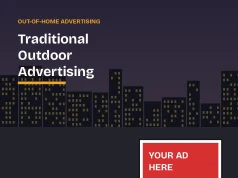
Investing in physical marketing signals stability. When consumers see a massive highway billboard or a full-page magazine spread, they naturally associate the business with authority and financial health. A physical advertisement cannot be skipped or blocked by browser extensions. It demands attention simply by existing in the real world. This inherent permanence builds a level of public trust that fleeting digital ads often struggle to replicate.
Integrating Traditional Touchpoints for Enhanced Reach
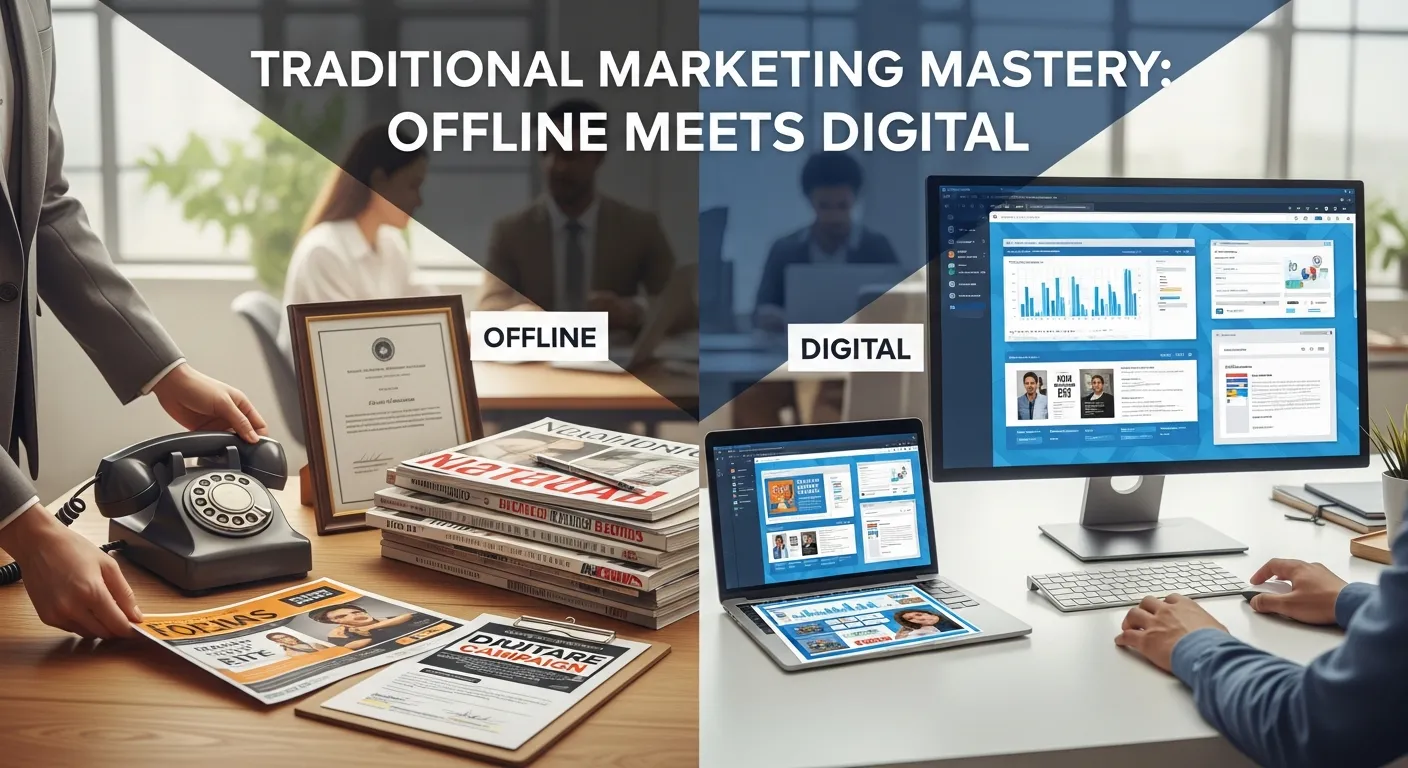
The most resilient business plans do not force a choice between digital and physical media. They integrate both to surround the consumer with consistent messaging. A hybrid approach ensures that a brand remains visible regardless of where the target audience spends their time.
By strategically placing offline touchpoints—such as transit posters or local newspaper ads—brands can capture broad awareness in a specific geographic area. Once that awareness is established, targeted digital ads can capture the resulting search intent. If you want to learn more about structuring these foundational efforts, exploring various traditional marketing strategies is an excellent starting point.
Suggested Image Alt Text: Vintage advertisement next to a modern smartphone displaying an ad.
Bridging the Gap: Seamless Integration of Offline and Online
 Creating a unified customer journey requires linking physical advertisements directly to digital conversion points. Marketers must build smooth transitions that guide the audience from an offline discovery straight to an online checkout or lead capture form.
Leveraging Print Media to Drive Online Engagement
Print media provides a tactile experience that digital formats cannot provide. Magazines, newspapers, and brochures allow readers to consume content at their own pace, free from digital distractions.
To bridge the gap, modern marketers frequently embed QR codes directly into their print designs. A reader can scan the code with their smartphone to instantly access a digital landing page, sign up for a newsletter, or receive an exclusive discount. This tactic captures the high engagement rates of print media and seamlessly funnels that attention into a trackable digital ecosystem.
Radio and TV: Amplifying Your Digital Presence
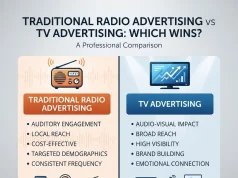
Broadcast media pushes content to a massive audience simultaneously, creating shared cultural moments. Television commercials and radio spots remain powerful tools for emotional storytelling and broad reach. According to research from Nielsen, broadcast television consistently ranks among the most trusted advertising formats for consumers making purchasing decisions.
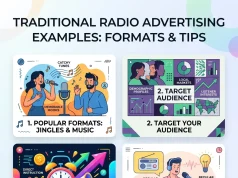
Marketers amplify their digital presence by featuring custom hashtags or memorable vanity URLs in these broadcast spots. A catchy radio jingle might prompt listeners to search for a specific keyword online. When the broadcast ad creates a spike in search volume, the brand’s digital search engine optimization (SEO) captures the traffic, turning offline listeners into active website visitors.
Direct Mail: A Tangible Path to Digital Conversion
Direct mail places promotional material right into the hands of the consumer. It offers incredible personalization opportunities. Brands can segment their mailing lists based on past purchasing behavior, sending highly relevant catalogs or postcards to specific residential addresses.
By including unique promo codes on these physical mailers, businesses can easily track digital conversions. A customer receives a beautiful postcard, uses the printed code on the company’s website, and completes a purchase. For a deeper dive into optimizing these physical mailers, checking out a comprehensive direct mail marketing guide will reveal the best practices for high conversion rates.
Suggested Image Alt Text: A person scanning a QR code from a magazine advertisement.
Synergistic Campaigns: Real-World Examples
Examining real-world applications highlights how combining offline and online channels drives consumer behavior effectively. Achieving Traditional Marketing Mastery is easiest when we analyze brands that successfully execute these hybrid models.
Case Study 1: Retail Brand’s Integrated Approach
A prominent clothing retailer wanted to launch a new sustainable fashion line. They began with a robust direct mail campaign, sending high-quality, recycled-paper catalogs to their most loyal customers. Each catalog featured beautifully photographed outfits alongside scannable QR codes.
Simultaneously, the retailer launched geo-targeted social media ads hitting the exact same zip codes where the catalogs were mailed. The physical catalog established the premium feel of the new line, while the digital ads served as a convenient reminder to purchase. This integrated approach resulted in a 40% higher conversion rate compared to their digital-only product launches from previous quarters.
Case Study 2: Local Service Business Success Story
A regional plumbing company struggled to stand out in crowded search engine results. They decided to pivot and invest in a local radio sponsorship and targeted community billboards.
The radio host endorsed the plumbing company, sharing a custom vanity URL for listeners to use to claim a discount. The billboards reinforced the brand name and the same URL. As local residents heard the radio ads and drove past the billboards, the plumbing company saw a massive surge in direct website traffic. Because they bypassed the search engines entirely, their cost of acquiring a new customer dropped significantly. Implementing a hybrid marketing strategy allowed them to dominate their local market.
Suggested Image Alt Text: Infographic showing the flow of an integrated marketing campaign.
Measuring Success Across the Marketing Divide
 A common criticism of offline marketing is the difficulty of tracking performance. However, modern measurement techniques have evolved drastically. Businesses can now accurately gauge the return on investment for their physical ad spend.
Attributing Conversions from Traditional Channels
The consumer journey is complex. A person might see a billboard, hear a radio ad, and then search for the brand on their mobile phone days later. If a business only tracks the final digital click, they completely miss the offline interactions that sparked the initial awareness.
Marketers overcome this by using specific tracking identifiers. Unique phone numbers assigned only to a radio campaign allow businesses to see exactly how many calls originated from that station. Dedicated landing pages built exclusively for a television commercial provide clear attribution for web traffic. By blending these offline identifiers with robust digital analytics, companies gain a clear picture of their true campaign performance.
KPIs for Integrated Marketing Campaigns
You must define the metrics that matter most to your specific goals to measure success accurately. For a complete understanding of offline marketing metrics, focus on the following Key Performance Indicators (KPIs):
- Customer Acquisition Cost (CAC): The total expense required to acquire a single new customer across all channels.
- Return on Ad Spend (ROAS): The revenue generated for every dollar spent on advertising, blending offline costs with digital returns.
- Brand Lift: The increase in brand awareness and search volume in a specific geographic area following an offline campaign launch.
- Redemption Rates: The percentage of people who utilize a specific promo code printed on a direct mailer or billboard.
Suggested Image Alt Text: Dashboard displaying marketing analytics with both traditional and digital metrics.
The Future of Marketing: A Hybrid Landscape
Offline marketing is continuously adapting to new consumer behaviors and technological advancements. The future belongs to brands that can seamlessly merge the physical and digital worlds.
Personalized Experiences Through Data Integration
Data integration makes offline campaigns much smarter. Marketers now use anonymized mobile location data to understand exactly who is driving past their billboards at any given hour. This allows for incredibly precise placement and demographic targeting.
Instead of guessing where their audience lives, brands analyze digital purchasing data to determine exactly which neighborhoods should receive direct mail catalogs. This data-driven approach removes the guesswork from traditional marketing, ensuring physical ad dollars are spent with digital-level efficiency.
The Evolving Role of AI in Traditional Marketing
Artificial Intelligence is revolutionizing how offline campaigns are planned and executed. AI algorithms can analyze decades of historical sales data to predict the best times of year to launch a television commercial or radio spot.
Furthermore, programmatic buying has entered the physical space. Digital billboards now utilize AI to change their creative messaging based on real-time environmental factors. A billboard for a coffee shop might display an iced latte when the temperature rises above eighty degrees, and switch to hot cocoa when it rains. According to insights from HubSpot, utilizing AI to personalize marketing content significantly boosts engagement rates across all mediums.
Suggested Image Alt Text: Futuristic interface blending traditional media with digital data.
Mastering the Hybrid Marketing Frontier
 Achieving Traditional Marketing Mastery requires a shift in perspective. You must stop viewing digital and offline channels as competitors and start utilizing them as partners. While digital platforms offer precision and speed, offline media provides the trust, mass reach, and physical tangibility required to build a truly memorable brand.
By combining the credibility of print, broadcast, and outdoor media with the tracking and targeting capabilities of digital marketing, businesses can build a comprehensive, inescapable brand presence. Review your current promotional budget. Identify gaps in your local visibility, and launch an integrated campaign that captures attention in the physical world while driving measurable action online.