
Direct Mail Marketing remains a powerful tool for modern brands, combining personalized, tangible campaigns with strategic targeting, design, and tracking to boost engagement, conversions, and measurable ROI in the digital age.
In an era dominated by emails, social media, and digital ads, direct mail marketing may seem like a relic of the past. Yet, savvy marketers continue to harness its tangible power to reach audiences in a highly personalized way. This comprehensive guide will walk you through planning, designing, distributing, and measuring a direct mail campaign that stands out. Whether you’re a small business owner or a seasoned marketing professional, you’ll gain actionable insights to elevate your traditional marketing toolkit.
Why Direct Mail Still Works in a Digital World
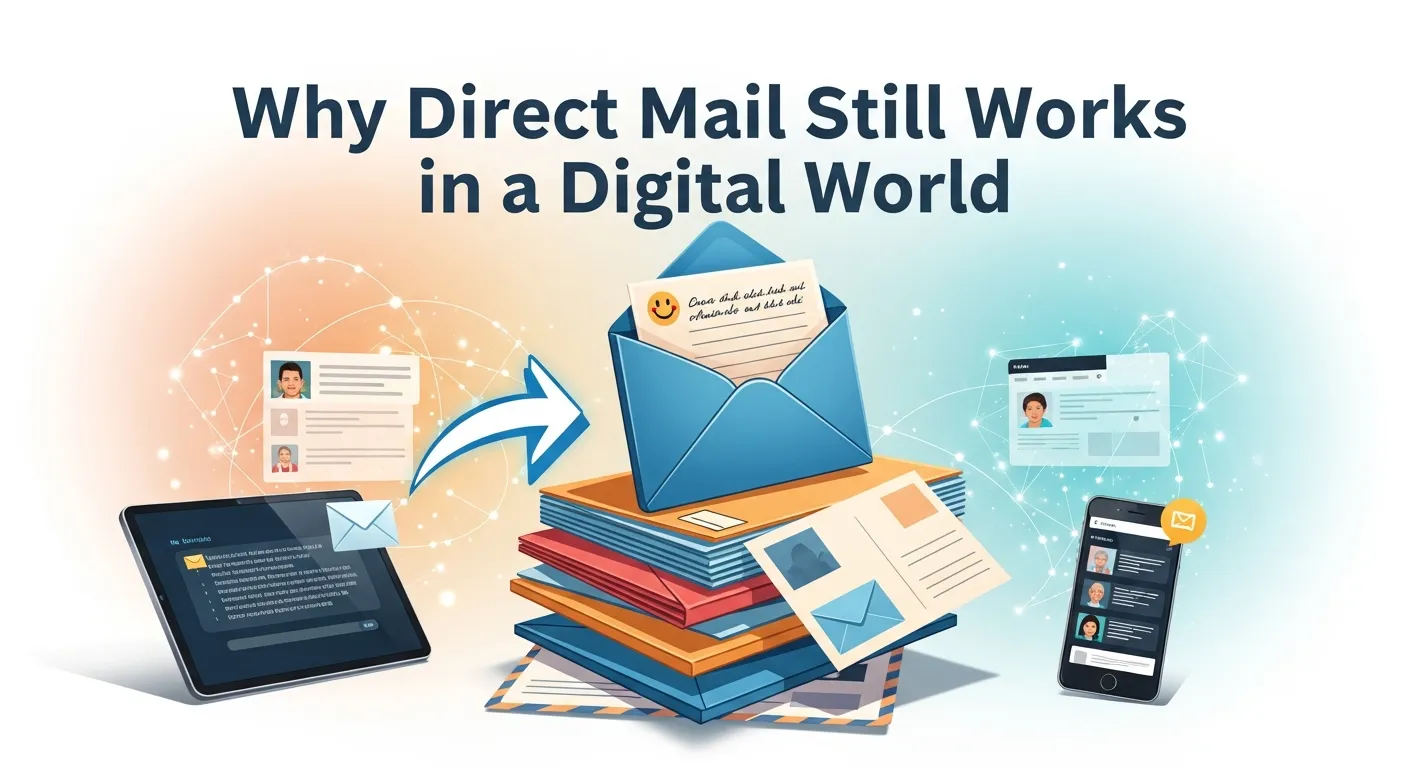
Contrary to popular belief, direct mail remains remarkably effective. According to industry studies, direct mail boasts an average response rate of 4.9% for prospect lists and 9% for house lists, far surpassing typical email open rates. Here’s why it endures:
- Tangible Engagement: Recipients can hold, feel, and interact with your mail piece, creating a memorable brand experience.
- Less Competition: Inboxes are flooded daily, but physical mailboxes receive fewer items—your message stands out.
- Higher Trust: Physical marketing materials are often perceived as more credible than unsolicited emails or pop-up ads.
- Targeted Reach: With data-driven mailing lists and demographic segmentation, you can deliver messages to the right households at the right time.
Best Practices for Campaign Planning
- Define specific goals such as driving sales, increasing subscriptions, or generating leads.
- Segment audiences based on demographics, past behavior, and interests.
- Allocate budget and timeline with room for design, printing, and postal lead times.
- Craft compelling, audience-relevant offers with clear call-to-actions.
- Select measurable KPIs such as response rate, cost per acquisition, and ROI.
Following these steps ensures your Direct Mail Marketing campaigns are purposeful, efficient, and results-driven.
The Psychology Behind Direct Mail Marketing
Understanding the psychology behind Direct Mail Marketing helps explain why physical mail still outperforms email in some cases. People respond more strongly to tangible objects—they can touch, hold, and interact with them, which creates a deeper memory and emotional connection. Unlike digital ads, which are often fleeting, direct mail gives recipients time to absorb the message, consider the offer, and act at their convenience. By aligning campaigns with human behavioral triggers—like scarcity, personalization, or social proof—you can significantly boost engagement and ROI.
Direct Mail Marketing: The Ultimate Guide for Modern Brands
Planning Your Direct Mail Campaign
A successful direct mail marketing campaign begins with meticulous planning. Proper preparation ensures each mailer reaches the right audience, communicates a compelling message, and delivers measurable ROI. The planning phase sets the tone for design, distribution, and performance tracking.
Key Steps for Campaign Planning
Define Your Goals
- Identify your primary objective: driving in-store traffic, increasing online sales, boosting newsletter sign-ups, or building brand awareness.
- Establish specific, measurable targets to track performance effectively.
Know Your Audience
- Segment recipients using demographic, psychographic, behavioral, and geographic data.
- Analyze purchase history and engagement patterns to tailor messaging that resonates.
Set a Budget & Timeline
- Factor in design, printing, postage, mailing lists, and follow-up campaigns.
- Include lead time for design approvals, printing, and postal processing.
Craft a Compelling Offer
- Discounts, limited-time promotions, loyalty bonuses, or exclusive access to new products encourage engagement.
- Ensure the offer is relevant to the audience segment to maximize response rates.
Select Key Metrics
- Decide which performance indicators matter most: response rate, conversion rate, cost per acquisition (CPA), or ROI.
- Plan for tools to track these metrics, such as unique promo codes, PURLs, and dedicated phone lines.
Designing Mailers That Convert
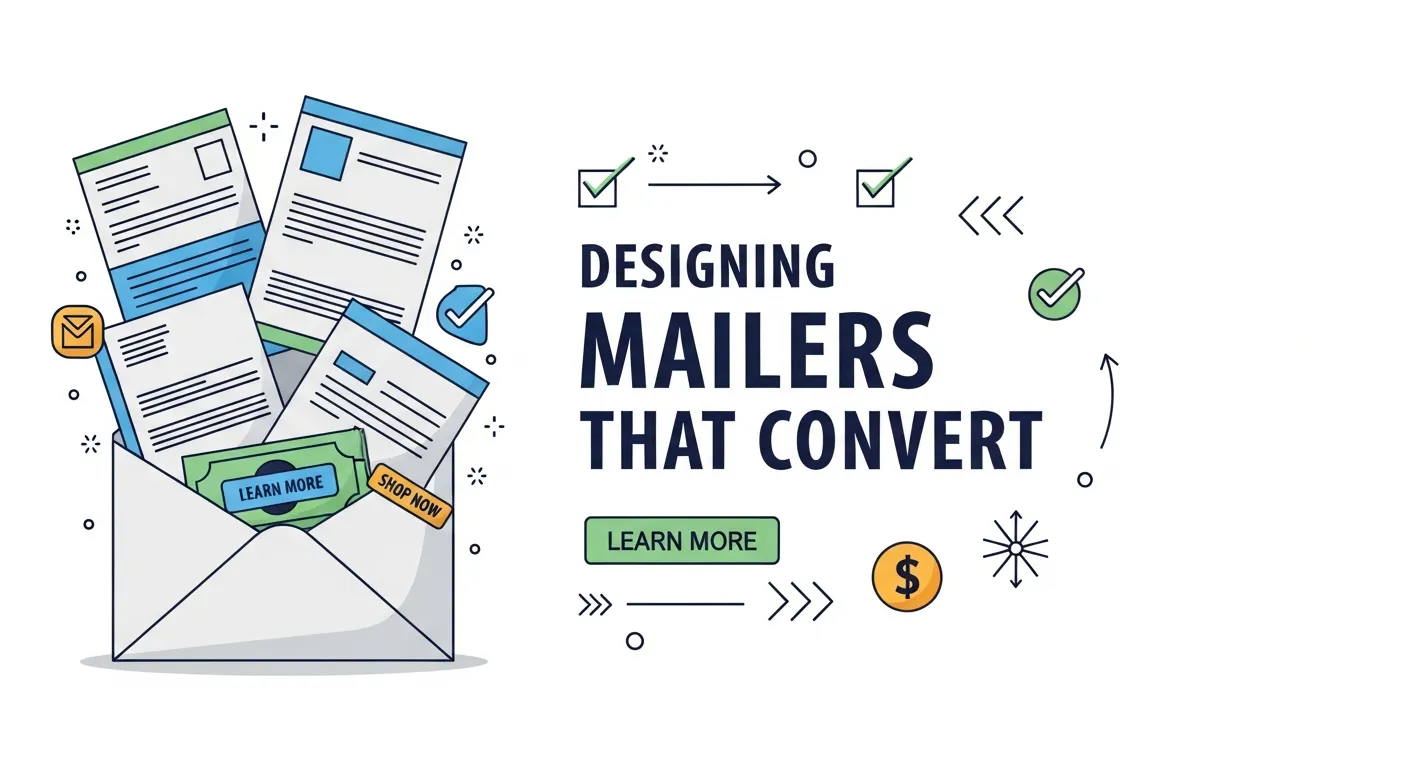
Design is critical in direct mail marketing strategies, as it captures attention and drives recipients to act. Every element must work together to make your message memorable.
Best Practices for Effective Mailers:
- Attention-Grabbing Headlines: Create curiosity or highlight a key benefit to make recipients open or read the mailer.
- Clear Visual Hierarchy: Guide the reader’s eye from headline → offer → CTA.
- High-Quality Images: Use crisp product photos, lifestyle images, or infographics to enhance engagement.
- Strong Call-to-Action (CTA): Encourage immediate action, e.g., “Claim Your 20% Discount Today” or “Visit Our Store Now.”
- Readable Fonts & Colors: Ensure legibility across age groups and maintain brand consistency.
Targeting and Segmentation Strategies
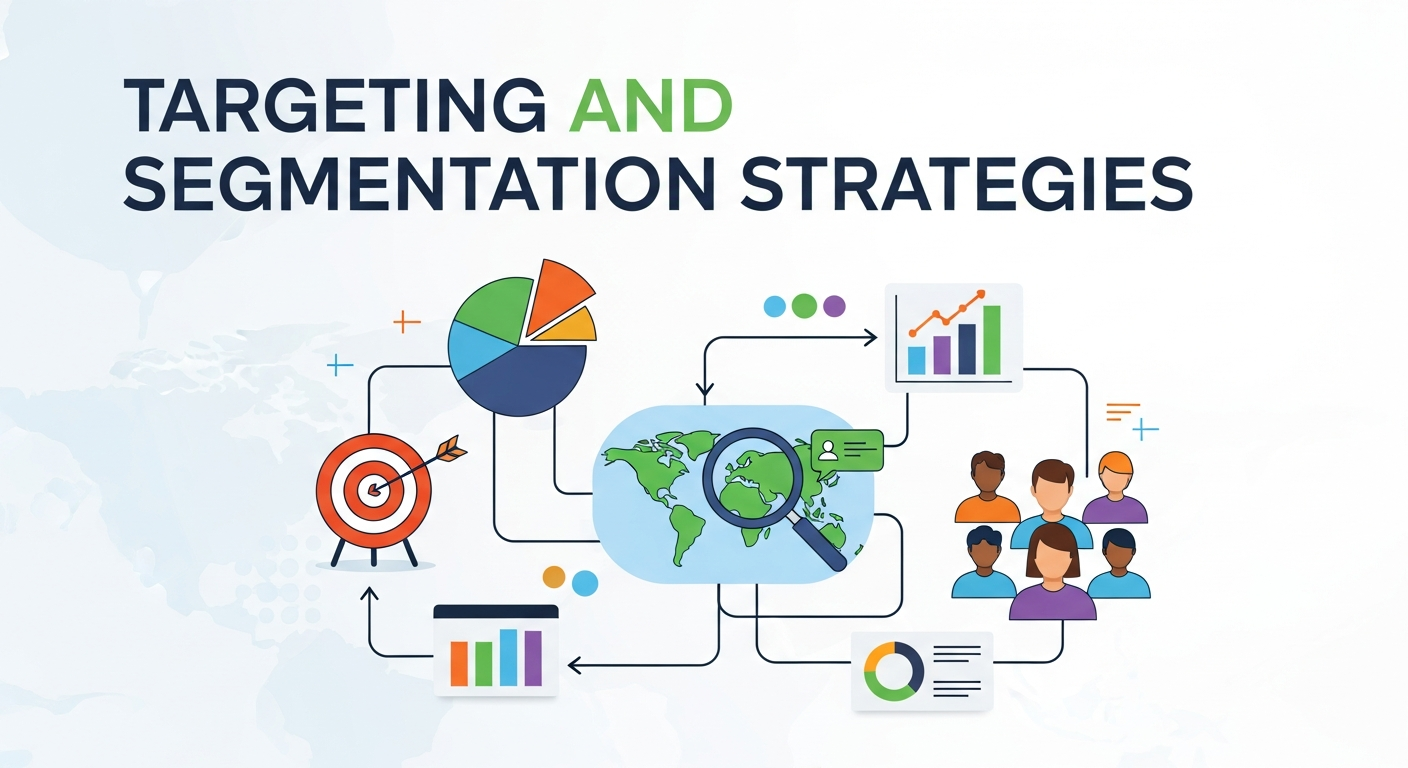
A critical component of direct mail marketing ROI is delivering the right message to the right recipient. Segmenting your audience increases relevance, engagement, and conversions.
Segmentation Techniques:
- Demographic Segmentation: Age, gender, income, life stage.
- Psychographic Targeting: Interests, values, hobbies, or lifestyle preferences.
- Behavioral Lists: Past buyers, lapsed customers, or frequent website visitors.
- Geotargeting: Local neighborhoods, ZIP codes, or radius targeting for proximity-based promotions.
Leveraging Traditional Advertising Still Works
While digital marketing dominates headlines, traditional advertising still works when integrated effectively with direct mail. Combining offline and online channels—like sending postcards with QR codes leading to a landing page or integrating social media campaigns—reinforces brand messaging. Traditional methods provide credibility and tangibility, which complement the immediacy of digital marketing, giving recipients multiple touchpoints that drive engagement and conversions.
Printing and Production Tips
High-quality production enhances perceived value and brand credibility. Direct mail marketing guides emphasize the importance of professional printing.
- Paper Stock Selection: Choose heavier stocks for premium feel; matte vs. glossy sets the tone.
- Color Accuracy: Match brand colors to ensure consistency across campaigns.
- Variable Data Printing: Customize text, images, and offers for each recipient.
- Mail Prep Compliance: Ensure USPS or local postal regulations are met for bulk mail discounts.
Distribution Strategies for Maximum Reach
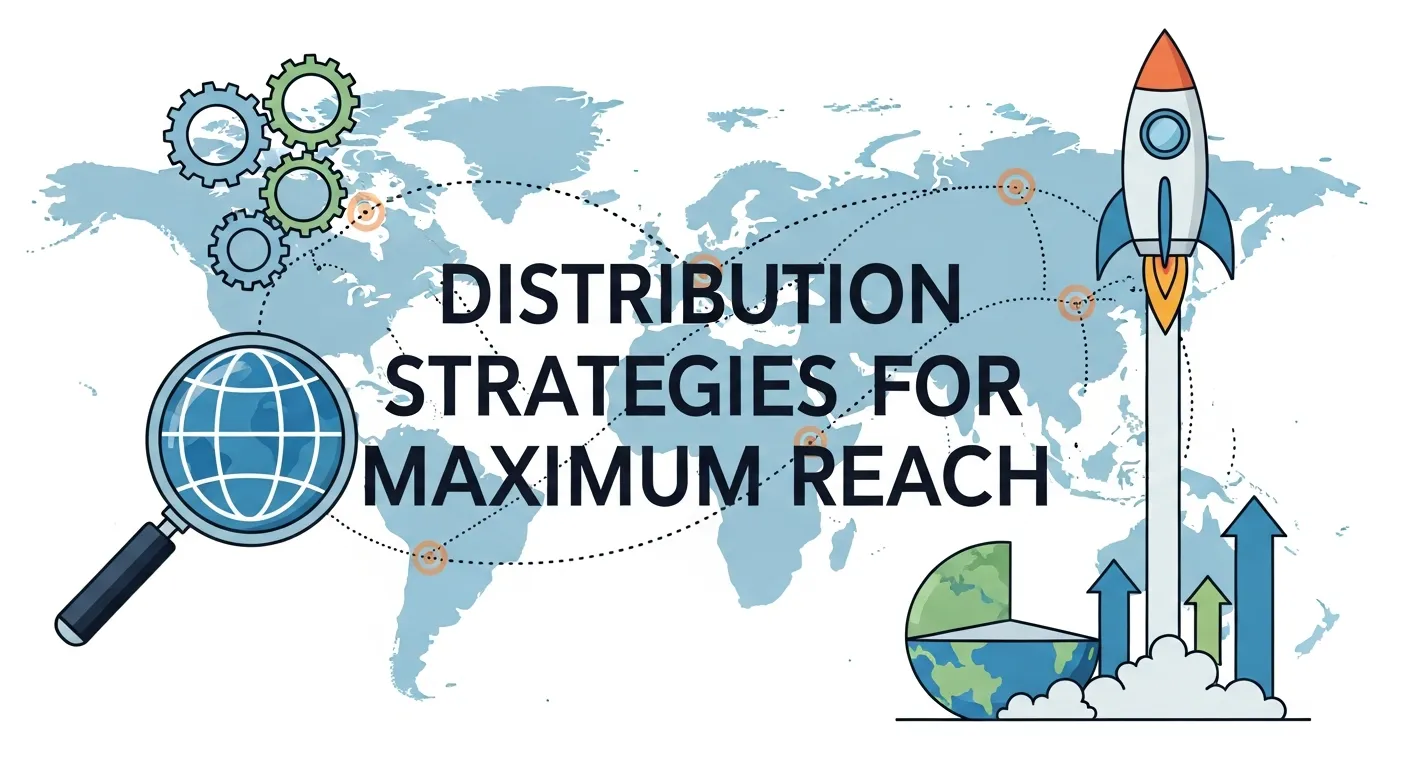
Choosing the right distribution method ensures your mailer reaches your target audience efficiently while optimizing costs.
| Distribution Method | Description | Best For | Pros | Cons |
|---|---|---|---|---|
| Every Door Direct Mail (EDDM) | Reach all households in a postal route | Local businesses | Cost-effective, high reach | Less personalization |
| Addressed Mailings | Personalized letters or postcards to specific recipients | Targeted campaigns | High engagement, better ROI | Higher postage cost |
| Co-Mailing & Shared Mail | Mailer bundled with non-competitive businesses | Budget-conscious campaigns | Shared postage costs | Limited design control |
| Triggered Mailings | Automated follow-up mail after online or in-store actions | Customer retention campaigns | Timely, relevant | Requires CRM/data integration |
Key Takeaways
- Planning is crucial: Clear goals, audience insights, and defined KPIs set campaigns up for success.
- Design matters: A visually appealing, easy-to-read mailer improves conversion rates.
- Segmentation drives ROI: Relevant messaging improves response rates and brand perception.
- Distribution choice impacts effectiveness: Personalized mail often yields higher ROI than mass mailings.
- Track & optimize: Use PURLs, promo codes, and response tracking to measure campaign success.
This expanded version naturally integrates your main keyword “Direct Mail Marketing” and relevant keywords like traditional marketing, direct mail marketing strategies, direct mail marketing ROI, and direct mail marketing guide while adding actionable points, detailed paragraphs, and a comparative table for clarity.
Building a Lasting Connection with Your Audience
Direct mail is more than just delivering a piece of paper—it’s about creating a memorable brand experience. Consistency in messaging, personalization, and thoughtful offers all contribute to building trust. When recipients perceive value and relevance, they are more likely to respond, engage, and develop loyalty. Using direct mail strategically alongside email, social media, and other channels ensures your marketing message resonates on multiple levels.
Case Studies: Real-World Success Stories

Seeing direct mail in action sparks ideas. Here are two brief examples:
- Local Gym Boosts Memberships by 35%: A fitness center mailed personalized postcards with QR codes to prospects who attended free trial classes. The campaign generated a 12% redemption rate, leading to a significant membership lift.
- E-Commerce Brand Increases Repeat Purchases: An online retailer sent branded postcards with a 15% off coupon to customers six months after their first purchase, driving a 22% repeat order rate.
Integrate Direct Mail for Lasting Impact
Direct mail marketing remains a powerful complement to digital tactics, offering tangibility, trust, and high engagement. By planning strategically, designing with your audience in mind, and measuring results meticulously, you can unlock substantial ROI and build deeper customer relationships. Start small with a targeted postcard campaign or scale up to a full-color brochure—either way, direct mail deserves a place in your modern marketing mix.
Ready to embark on your next direct mail campaign? Use this guide as your roadmap, continually test new ideas, and watch your traditional marketing efforts deliver timeless results.
Direct Mail Marketing as a Modern Classic
In today’s digitally saturated world, Direct Mail Marketing remains a powerful, proven tool. By combining personalization, strategic targeting, creative design, and careful measurement, brands can achieve high engagement and measurable ROI. Embracing the tangible advantages of traditional advertising while complementing digital channels ensures that direct mail continues to be a vital component of a well-rounded marketing strategy.
Conclusion
Direct Mail Marketing remains a timeless and highly effective strategy in the modern marketing landscape. Its tangible, personalized nature allows brands to stand out amid digital clutter, build trust, and create memorable experiences for customers. When paired with smart targeting, creative design, and measurable tracking tools—like QR codes, PURLs, and dedicated phone lines—direct mail drives higher engagement, conversions, and long-term ROI.
By integrating direct mail with digital channels, businesses can achieve a seamless omnichannel approach, combining the credibility and permanence of physical mail with the immediacy and measurability of online campaigns. Whether for small businesses or large brands, thoughtful planning, consistent execution, and continuous optimization ensure that direct mail remains a vital, results-driven component of any modern marketing strategy.
Direct Mail Marketing isn’t just a nod to tradition—it’s a modern classic that connects, engages, and delivers measurable impact.
Frequently Asked Questions – Direct Mail Marketing
1. What is Direct Mail Marketing?
Direct mail marketing is a traditional marketing strategy that involves sending physical promotional materials—such as postcards, letters, brochures, or catalogs—directly to prospects or customers to drive engagement and sales.
2. Why should modern brands use Direct Mail Marketing?
Despite the dominance of digital marketing, direct mail stands out due to its tangible nature, higher trust perception, and ability to cut through inbox clutter, offering measurable ROI when integrated with online channels.
3. How does Direct Mail Marketing improve ROI?
By targeting the right audience, personalizing offers, and integrating digital tracking tools like QR codes or PURLs, businesses can increase response rates, conversions, and customer lifetime value, maximizing overall ROI.
4. What types of direct mail work best?
Common formats include postcards, letters, brochures, catalogs, and dimensional mailers. The choice depends on campaign goals, budget, and the level of personalization required.
5. How can I personalize my direct mail campaigns?
Use variable data printing to customize headlines, images, offers, and copy blocks based on demographics, purchase history, or geographic data. Personalized campaigns can boost response rates by over 50%.
6. How do I measure the success of a Direct Mail Marketing campaign?
Track key metrics such as response rate, conversion rate, cost per acquisition (CPA), and lifetime value (LTV). Unique promo codes, PURLs, and dedicated phone numbers help attribute results accurately.
7. Can Direct Mail Marketing be combined with digital marketing?
Yes. Modern strategies integrate offline and online channels through QR codes, personalized URLs, social media retargeting, and landing pages, creating a seamless omnichannel experience.
8. What are the best practices for designing effective mailers?
Use attention-grabbing headlines, high-quality visuals, clear call-to-actions, readable fonts, and premium materials. Ensure design supports your offer and guides recipients toward action.
9. How often should I send direct mail to customers
Frequency depends on campaign goals, audience behavior, and budget. Triggered mailings, seasonal promotions, or quarterly updates work well without overwhelming recipients. Regular A/B testing helps optimize timing.
10. Is Direct Mail Marketing suitable for small businesses
Absolutely. Small businesses benefit from local targeting, personalized campaigns, and cost-effective formats like postcards or EDDM (Every Door Direct Mail) to reach their community and drive tangible results.
Learn more about: Mastering Direct Mail Marketing: Strategies for High ROI and Customer Engagement






[…] for highly specific targeting down to individual neighborhoods or household types. This guide to direct mail marketing covers how to build a mailing list, design a piece that gets opened, and measure response rates […]