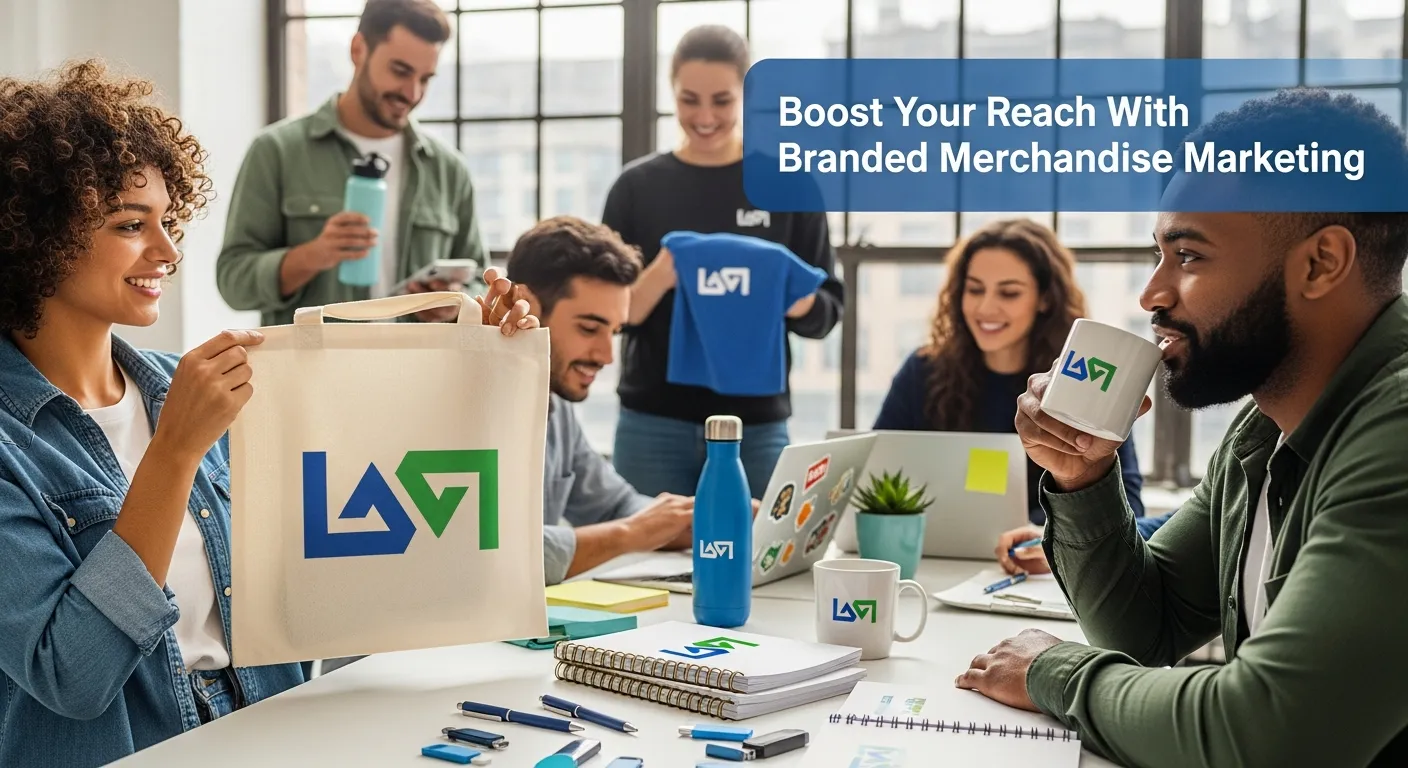
Branded merchandise marketing focuses on promoting a business through physical items like custom apparel, gifts, and promotional products. It helps increase brand visibility, build customer loyalty, and strengthen offline marketing efforts through events, giveaways, and trade shows. This strategy is effective for creating lasting brand recall and engaging audiences beyond digital platforms.
Digital screens constantly demand our attention. Consumers scroll past thousands of online ads every single week. Because of this extreme digital saturation, many businesses assume that physical advertising no longer carries any weight. However, stepping away from the internet reveals a completely different reality. Tangible items hold a unique power that algorithms and targeted pop-ups simply cannot replicate.
Holding a physical object creates an immediate, memorable connection. When you give a customer a well-made physical item, you place your company directly into their daily routine. They use your product at their office desk, take it to the gym, or wear it on their weekend errands. This continuous, real-world exposure bypasses digital fatigue entirely.
This guide will show you exactly how to leverage branded merchandise marketing to grow your business. You will learn the core psychological principles behind why people keep promotional items, explore the most effective product categories, and discover proven strategies for distribution. By mastering these offline brand promotion tips, you can build lasting customer loyalty and generate highly profitable, long-term brand awareness.
Understanding Branded Merchandise Marketing
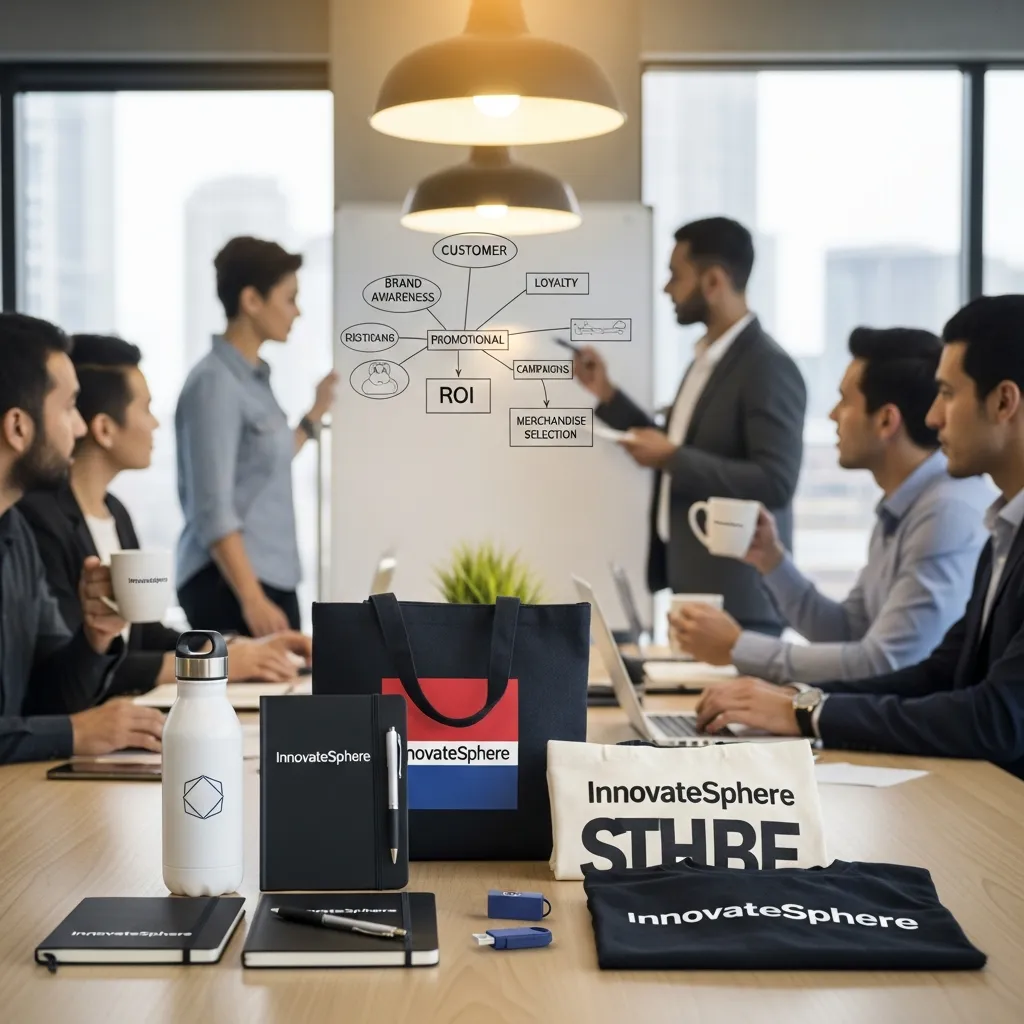 Branded merchandise marketing involves placing your company’s logo, tagline, or custom artwork on physical items and distributing them to your target audience. These promotional products serve as walking advertisements. They cut through the noise of modern advertising by delivering actual, practical value to the recipient.
The Psychological Impact of Tangible Brand Items
Human beings are highly tactile creatures. We form stronger memories when we can physically touch and interact with an object. When someone receives a gift, the principle of reciprocity activates in their brain. They feel a subtle, subconscious desire to return the favor. In a business context, this translates directly into positive brand perception and increased customer loyalty. A high-quality item generates feelings of goodwill and appreciation.
Key Benefits of Promotional Products
Branded merchandise marketing delivers several distinct advantages over temporary advertising methods. First, it significantly increases brand recall. People remember the names of companies that give them useful physical items.
Second, it builds deep customer loyalty. A reliable promotional product becomes a trusted part of the recipient’s life. Finally, this method offers highly cost-effective advertising. A single jacket or coffee mug might generate thousands of impressions over its lifespan. The cost per impression drops drastically the longer the recipient keeps the item.
Types of Branded Merchandise for Offline Promotion
Choosing the correct product is the foundation of successful branded merchandise marketing. The item must provide utility so the recipient actively wants to keep it.
Apparel: T-shirts, Hoodies, and Hats
Wearable items turn your customers and employees into walking billboards. T-shirts and hoodies are incredibly popular because they offer a large canvas for creative designs. Hats provide excellent visibility since they sit right at eye level. When selecting apparel, prioritize comfortable fabrics and modern fits. If the clothing feels cheap or fits poorly, it will sit untouched at the back of a closet.
Office Supplies: Pens, Notebooks, and Sticky Notes
Office supplies are highly practical and guarantee daily visibility. A smooth-writing pen or a durable hardcover notebook sits directly on a client’s desk. Every time they jot down a phone number or sketch out a new idea, they look at your logo. These items are also highly affordable, making them perfect for large-scale giveaways and mass distribution.
Tech Gadgets: USB Drives and Power Banks
Technology accessories are highly coveted promotional items. A portable power bank saves the day when a potential client’s phone battery dies during a long commute. USB drives offer practical data storage for students and professionals alike. Because tech gadgets hold high perceived value, they command attention and communicate that your company invests in quality.
Drinkware: Mugs and Water Bottles
Hydration and caffeine are daily necessities. Ceramic coffee mugs are office staples, while insulated stainless-steel water bottles accompany people to the gym, the park, and the grocery store. High-quality drinkware often becomes the recipient’s favorite daily item. This constant usage ensures your branded merchandise marketing efforts generate maximum repeated exposure.
Eco-Friendly Options: Reusable Bags and Sustainable Products
Consumers care deeply about the environment. Offering eco-friendly merchandise shows that your company shares those values. Reusable canvas tote bags help reduce plastic waste and offer massive surface areas for your logo. You can also source notebooks made from recycled paper or pens crafted from biodegradable bamboo.
Unique and Niche Items
Sometimes, the best branded merchandise marketing strategy involves highly specific products. If you run a veterinary clinic, a branded dog leash or travel water bowl makes perfect sense. A fitness center might distribute custom yoga mats or resistance bands. Aligning the product perfectly with your specific industry ensures the recipient finds immediate, relevant value in the gift.
Strategies for Effective Branded Merchandise Marketing
You must deploy your promotional products strategically to see a return on your investment. Randomly handing out items without a plan will drain your budget quickly.
Identify Your Target Audience
You must tailor your merchandise to the specific preferences of your target demographic. Corporate executives might appreciate a sleek leather portfolio, while college students might prefer colorful phone grips or pop sockets. Research your audience’s daily habits and select products that seamlessly fit into their lifestyles.
Prioritize Quality Over Quantity
Distributing a small amount of premium merchandise is always better than flooding the market with cheap, easily breakable trinkets. A broken promotional item reflects poorly on your company. It signals a lack of care and attention to detail. Investing in durable, attractive items ensures your brand is associated with reliability and excellence.
Master Strategic Distribution
How you hand out your products dictates the success of your branded merchandise marketing campaign.
Giveaways at trade shows and industry conferences remain highly effective. A premium item draws attendees to your booth and starts valuable business conversations. Employee uniforms and internal corporate gifts build strong team morale and present a unified front to the public.
You should also integrate promotional items into customer loyalty programs. Sending a surprise thank-you gift to a long-term client strengthens the business relationship immediately. You can even partner with complementary businesses to cross-promote. For ideas on maximizing community engagement, read our guide on building brand loyalty with local events.
Integrate With Other Marketing Efforts
Branded merchandise marketing works best when paired with your broader promotional strategy. If you are launching a major billboard campaign, use the exact same colors, fonts, and taglines on your promotional products. This creates a cohesive narrative across all traditional marketing channels. When a consumer sees a familiar slogan on a physical product that they previously read on a highway sign, it heavily reinforces your core message.
Measure Your Return on Investment (ROI)
Tracking the success of offline campaigns requires a bit of creativity. You can print unique promo codes directly onto the physical merchandise. When a customer uses that specific code online, you know exactly which item generated the sale. You can also monitor social media platforms for brand mentions, encouraging recipients to post photos of their new gear.
Designing Impactful Branded Merchandise
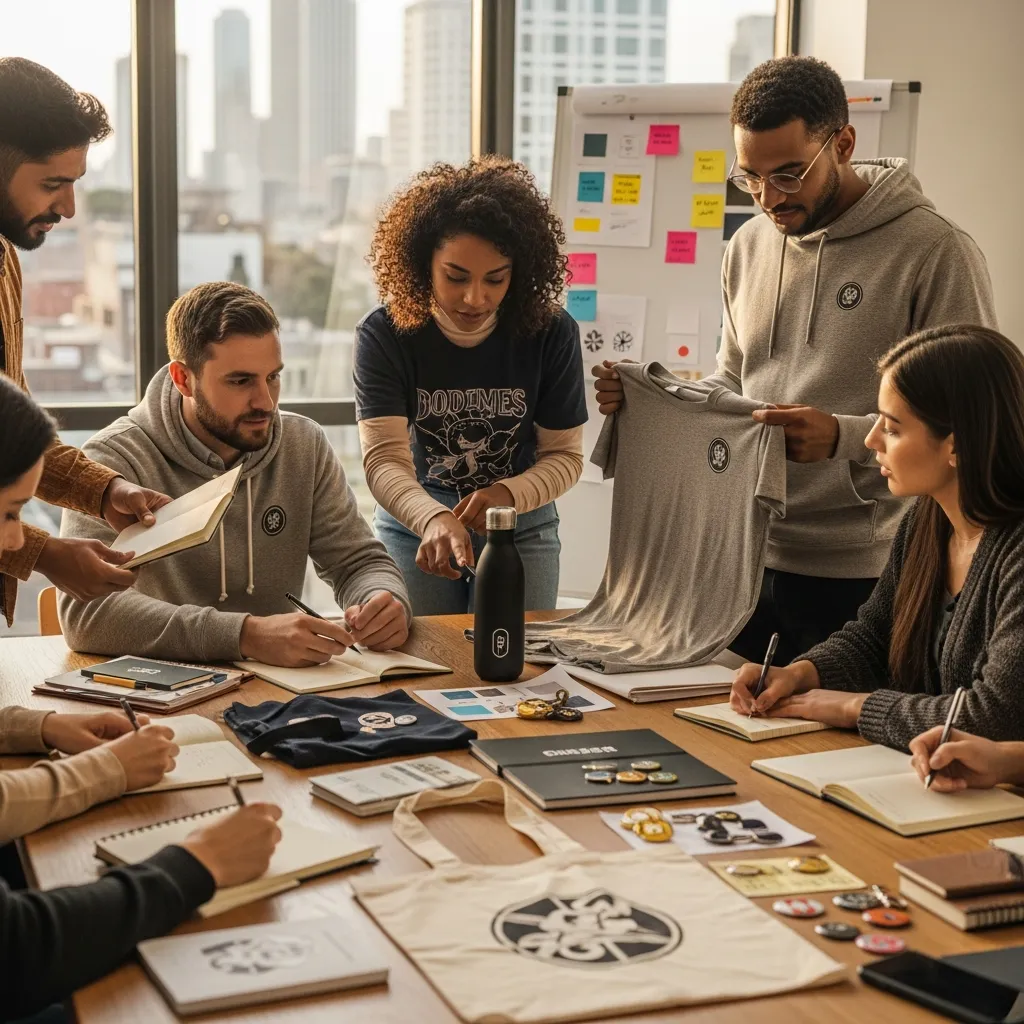 A brilliant design transforms a simple functional object into a powerful marketing asset.
Logo Placement and Visibility
Your logo should be clearly visible but never obnoxious. A massive, overbearing logo can deter people from wearing or using the item in public. Consider the natural handling points of the product. Place your branding where the eye naturally falls, such as the upper left chest of a shirt or the side of a coffee mug facing outward.
Brand Colors and Aesthetics
Adhere strictly to your official brand style guide. Using your specific brand colors ensures consistency. If your primary brand color is bright orange, a monochrome imprint on a black background can create a striking, modern contrast. Consult with your printing vendor to ensure they can color-match your exact specifications.
Call to Action and Memorable Taglines
Incorporate a brief tagline that complements your brand voice. A fitness brand might print “Push Your Limits” alongside their logo on a gym towel. This concise messaging inspires the user and adds an extra layer of meaning to the functional item.
Storytelling Through Merchandise
Think about the story your item tells. A sustainable bamboo utensil set communicates a commitment to preserving nature. A heavy-duty multi-tool tells the recipient that your brand values hard work and resilience.
Working With Designers and Suppliers
Always request physical samples before ordering hundreds of units. A design might look perfect on a computer screen but print poorly on textured fabric. Partner with reputable suppliers who are members of industry organizations like the Promotional Products Association International (PPAI), which provides standards for quality and ethical sourcing.
Case Studies and Success Stories
Analyzing real-world applications highlights how companies effectively use branded merchandise marketing to drive growth.
The Software Startup Success
A new software company struggled to stand out at a crowded tech conference. Instead of handing out standard paper flyers, they invested in high-quality, branded webcam covers and microfiber screen cleaning cloths. Because these items directly solved daily problems for tech professionals, attendees flocked to their booth. The company embedded a QR code on the packaging, resulting in a massive spike in software trial sign-ups.
The Local Gym Community Builder
A regional fitness center wanted to boost member retention. They implemented a milestone reward program. When a member attended fifty classes, they received a premium, vacuum-insulated water bottle featuring the gym’s logo. Members began carrying these bottles around town, sparking conversations with friends and family. This single branded merchandise marketing initiative resulted in a steady stream of new referrals. To explore similar overarching strategies, review this breakdown of traditional marketing mastery.
Common Pitfalls to Avoid
Implementing offline brand promotion tips requires careful execution. Avoid these common mistakes to protect your budget and reputation.
Distributing Low-Quality Merchandise
Cheap items break quickly. When a promotional pen leaks ink or a custom shirt shrinks after one wash, the recipient becomes frustrated. They will subconsciously associate that frustration with your business. Always prioritize durability.
Selecting Irrelevant Items
Do not buy items simply because they are trendy. If you run a high-end financial consulting firm, handing out neon-colored fidget spinners confuses your brand messaging. The item must align with your industry and the specific needs of your audience. Research from the Advertising Specialty Institute (ASI) emphasizes that product usefulness is the primary reason consumers keep promotional items for extended periods.
Executing a Poor Distribution Strategy
Leaving a box of expensive promotional items completely unattended at a venue guarantees waste. People will grab handfuls without ever speaking to your representatives or learning about your business. You must distribute items intentionally, trading the product for a conversation, an email address, or a moment of genuine connection.
Ignoring Brand Consistency
Never alter your logo or use incorrect colors just to save money on printing costs. Inconsistent branding confuses the public and dilutes your overall market presence. Ensure every piece of merchandise perfectly matches your established traditional marketing strategies.
Maximize Your Offline Brand Presence With Tangible Items
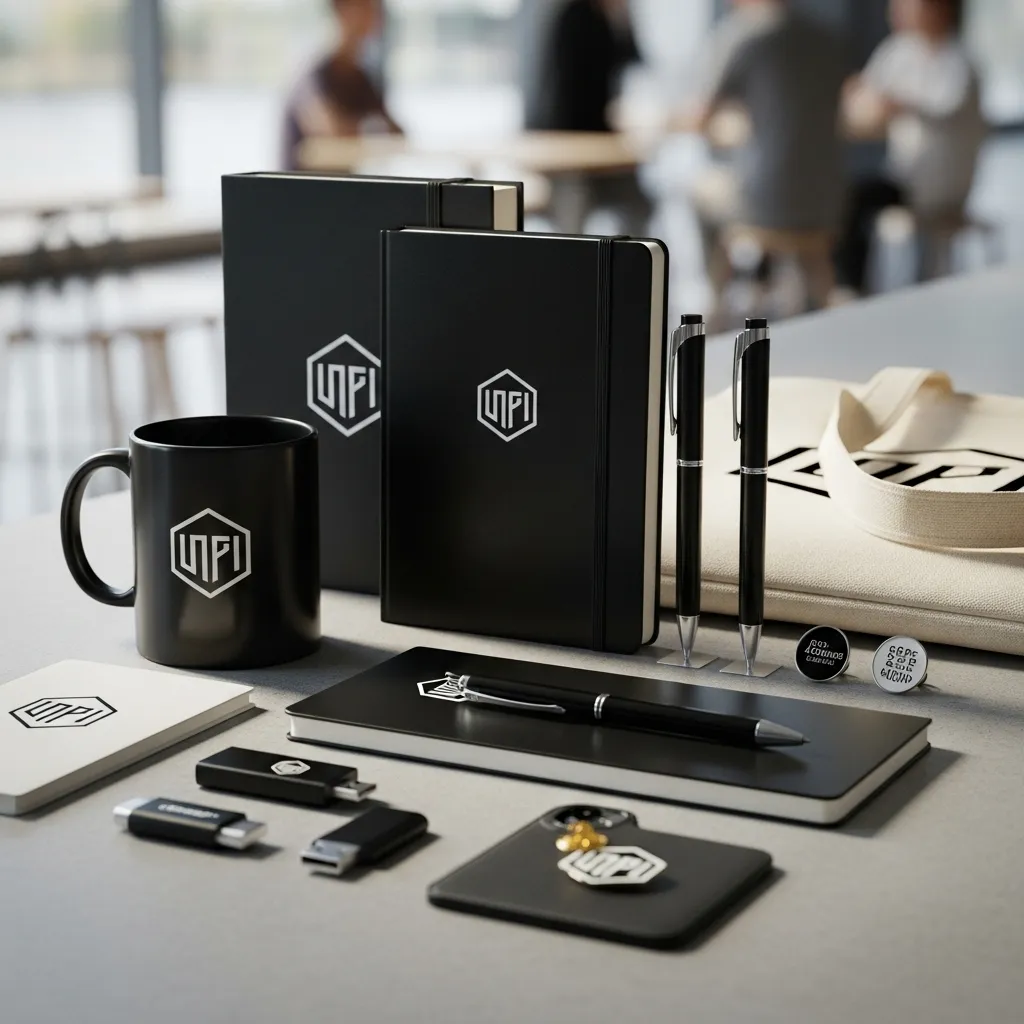 Branded merchandise marketing remains a highly profitable and deeply influential advertising method. While digital campaigns offer speed and analytics, physical promotional products provide lasting trust, incredible longevity, and practical value.
By selecting high-quality items that solve daily problems for your audience, you transform ordinary objects into powerful brand ambassadors. Apparel, tech gadgets, and eco-friendly goods embed your company’s identity into the daily lives of your customers. Remember to prioritize durability, maintain strict brand consistency, and distribute your items strategically to maximize your return on investment.
Review your current promotional budget and look for opportunities to step away from the digital screen. Implement these offline brand promotion tips to create physical connections that drive real-world business growth. Start designing your branded merchandise marketing campaign today and watch your customer loyalty multiply.