This content explains how traditional marketing strategies are being refreshed through modern approaches. It highlights offline channels like print, TV, radio, billboards, and events, showing how businesses can strengthen brand awareness and combine offline and digital marketing for better results.
Digital fatigue is an undeniable reality for modern consumers. People scroll through endless social media feeds, click past hundreds of banner ads, and swipe away pop-ups constantly. Because digital media commands so much attention, it is easy to assume that offline advertising has lost its edge. However, a massive portion of human life still happens away from glowing screens.
While algorithms and online targeting offer remarkable precision, they often lack physical permanence. Traditional marketing strategies bridge this gap. They transform blank walls, highway roadsides, and empty mailboxes into powerful canvases for brand messaging. Investing in offline methods signals stability and authority, building a level of public trust that fleeting digital ads struggle to replicate.
This comprehensive guide explores the core Traditional Marketing Strategies available to businesses today. You will learn how these time-tested methods function, why they remain effective, and how you can seamlessly integrate them with your digital efforts. By mastering these offline channels, your brand can cut through the digital noise and establish a highly profitable, well-rounded market presence using effective Traditional Marketing Strategies.
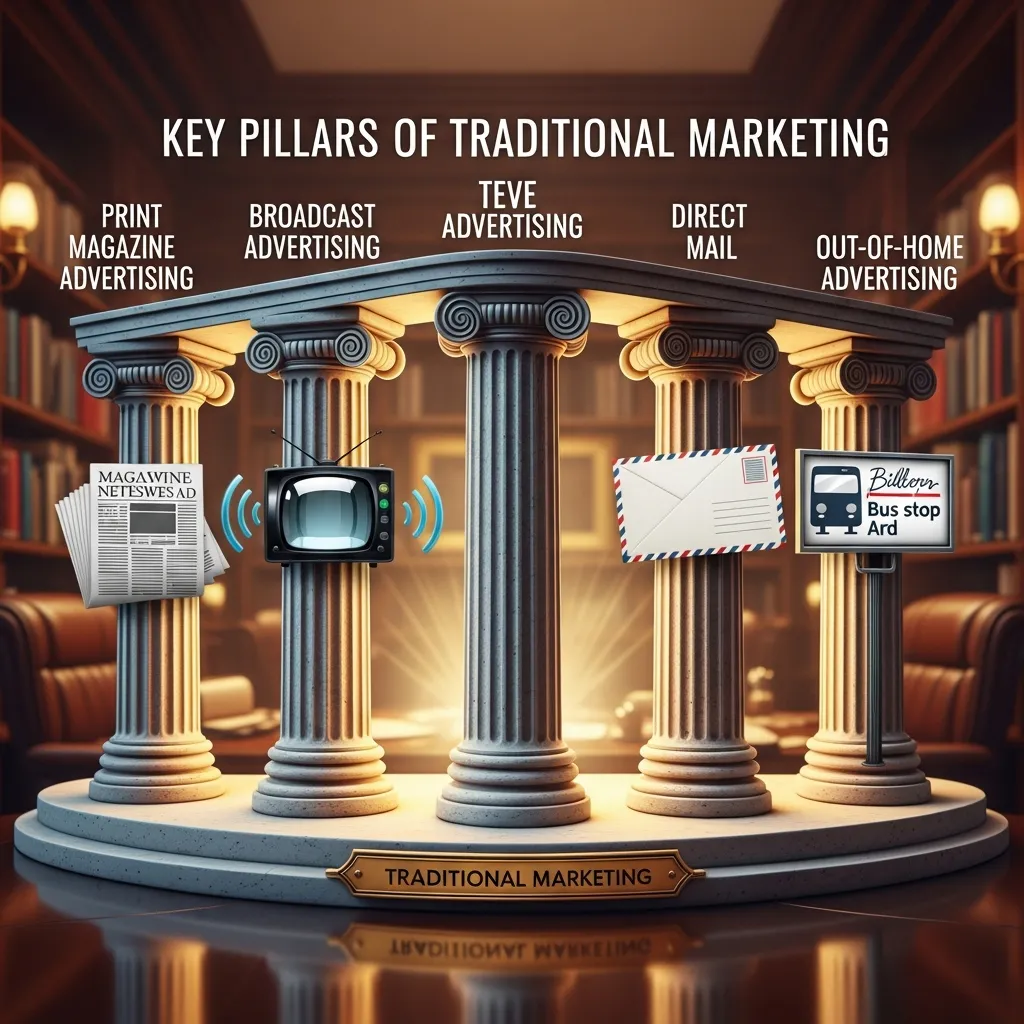 Before launching any offline campaign, you need to understand the tools at your disposal. Each pillar of traditional advertising offers unique benefits and reaches consumers in distinct, memorable ways. These traditional marketing strategies remain essential for building trust, visibility, and long-term brand recognition in competitive markets.
Television
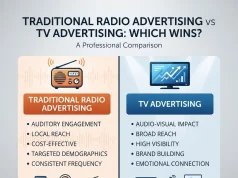
Television commercials remain one of the most powerful marketing techniques for storytelling. They allow brands to evoke strong emotions through a combination of sight, sound, and motion. Broad reach is guaranteed, especially during live sports or popular prime-time events. According to global research by Nielsen, television advertising consistently ranks among the most trusted formats for consumers making purchasing decisions.
Radio
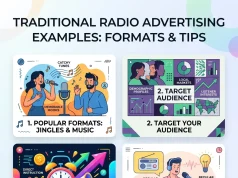
Radio advertising offers exceptional cost-effectiveness and deep local market penetration. Local businesses can reach commuters during their morning drives or workers listening at their desks. Audio messaging builds familiarity through repetition, catchy jingles, and recognizable voiceovers. Listeners often develop strong loyalties to specific radio hosts, making local endorsements incredibly valuable.
Direct Mail
Direct mail places a physical piece of promotional material directly into a consumer’s hands. This allows for incredible personalization and direct impact.
Catalogs
A well-designed product catalog can sit in a living room for weeks, providing continuous brand exposure to an entire household. Catalogs allow consumers to browse products at their own pace, entirely free from digital distractions and pop-up interruptions.
Postcards and Letters
Postcards and personalized letters offer a high open rate compared to standard promotional emails. Brands can segment their mailing lists based on past purchasing behavior, sending highly relevant offers directly to residential addresses. This level of personalization significantly boosts response rates.
Out-of-Home (OOH) Advertising
Out-of-home media captures consumers while they navigate the physical world. This category provides massive, unskippable visibility.
Billboards
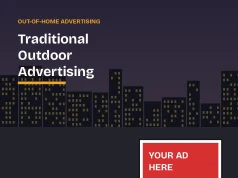
Positioned along busy highways or in dense urban centers, traditional billboard advertising guarantees that thousands of commuters will see your message every single day. A clever outdoor sign provides a welcome distraction for drivers stuck in traffic. The sheer scale of the artwork makes the product look larger than life, burning the brand image into the viewer’s memory.
Public Transportation Ads
Transit advertising involves placing messages on buses, trains, subway cars, and transit stations. This is an exceptional method for reaching urban populations who rely on public transportation. A professional taking the same train to work every morning will see the same advertisement repeatedly, heavily reinforcing brand recall.
Experiential Marketing
Experiential marketing brings the brand to life. It creates physical interactions that humanize your business and foster positive emotional connections.
Events and Sponsorships
When you host a community block party or sponsor a local sports team, you foster immense trust. People remember positive experiences far more vividly than standard advertisements. Sponsoring a local arts festival shows that your business cares about the neighborhood, embedding your brand seamlessly into the community fabric.
In-Store Promotions
For brick-and-mortar retail businesses, the physical store acts as a primary marketing channel. Point-of-sale displays capture impulse buyers. Offering a free sample of a new food product or demonstrating how a cleaning appliance works gives customers the confidence to buy immediately.
Integrating Traditional and Digital Marketing
 The most resilient business plans do not force a choice between digital and physical media. Instead, they focus on how traditional and digital channels complement each other.
Synergies and Cross-Promotion
Using physical media to drive digital action is highly effective. Marketers frequently place QR codes on transit posters and direct mail pieces. A consumer can scan the code with their smartphone to instantly access a digital landing page, sign up for a newsletter, or receive a discount. Television and radio ads often feature custom hashtags to encourage social media discussions. This bridges the physical and digital worlds perfectly, capturing broad awareness offline and driving immediate conversion online.
Measuring Effectiveness in a Hybrid Landscape
Tracking the success of offline campaigns used to be difficult, but modern marketers have developed clever solutions. You can use dedicated phone numbers, custom website URLs, or unique promo codes printed directly on direct mail or billboards. When a customer uses that specific code, you know exactly which physical sign generated the sale. Understanding these advertising methods allows businesses to accurately gauge their return on investment across a hybrid landscape.
Case Studies of Successful Traditional Campaigns
Examining real-world applications shows how traditional marketing strategies continue to create powerful engagement and drive consumer behavior.
Iconic Examples from Various Industries
One of the most famous examples of physical personalization is the “Share a Coke” campaign by Coca-Cola. The brand replaced its iconic logo on bottles with popular first names. This physical product change was supported heavily by television commercials and large-scale billboard placements. Consumers searched stores for bottles featuring their names and shared photos online. This offline idea created massive emotional engagement and generated a viral digital trend.
Modern Brands Leveraging Traditional Methods
Technology companies also utilize offline methods successfully. Spotify uses outdoor marketing heavily for its annual “Wrapped” campaign. The company places large, creative billboards in major cities showcasing unique user listening statistics. These physical billboards attract public attention in real-world environments, encouraging people to take photos and share them on social platforms. This demonstrates how effectively offline visibility can amplify a digital product.
Best Practices for Implementing Traditional Marketing Strategies
A strong marketing strategy ensures every dollar you spend works toward a specific business objective. Implementing offline campaigns requires careful planning.
Identifying Your Target Audience
You cannot successfully sell a product if you do not know who wants to buy it. Building detailed buyer personas is the first step in any effective campaign. Outline the age, geographic location, and income level of your ideal customer. Target senior citizens with print newspapers or radio, and target daily commuters with transit ads. A clear audience definition prevents you from wasting money on irrelevant ad placements.
Crafting Compelling Messages
Drivers traveling at sixty miles per hour only have a few seconds to process an advertisement. Simplicity is mandatory. Use high-contrast colors and large, readable fonts. Keep your word count low. The viewer should understand exactly what you are selling the moment they glance at the board or printed page. Always include a strong call to action that guides consumer behavior.
Budgeting and Resource Allocation
Distribute your marketing funds based on data and audience behavior. Do not put all your resources into a single channel. Monitor your performance continuously and shift funds toward the traditional marketing channels providing the best return. Using tools like Market Mix Modeling (MMM) helps analyze historical data and understand how different offline efforts contribute to overall sales performance.
The Future of Traditional Marketing
The offline marketing industry is not standing still. It continues to embrace new technology to remain highly competitive and relevant.
Adaptation and Innovation
Digital billboards now allow for programmatic ad buying in physical spaces. Screens equipped with environmental sensors can change their messaging based on the current weather or time of day. According to data from Statista, the global expenditure on digital out-of-home advertising continues to climb steadily as these technologies improve. The canvas remains traditional, but the execution is becoming increasingly futuristic.
Maintaining Authenticity and Trust
As consumers grow increasingly protective of their digital privacy, traditional marketing strategies offer a non-intrusive alternative. A physical magazine ad or a highway billboard does not track a user’s browsing history or require cookies. This inherent respect for privacy helps maintain authenticity. Brands that prioritize these highly visible, transparent offline methods often see higher long-term trust and customer retention.
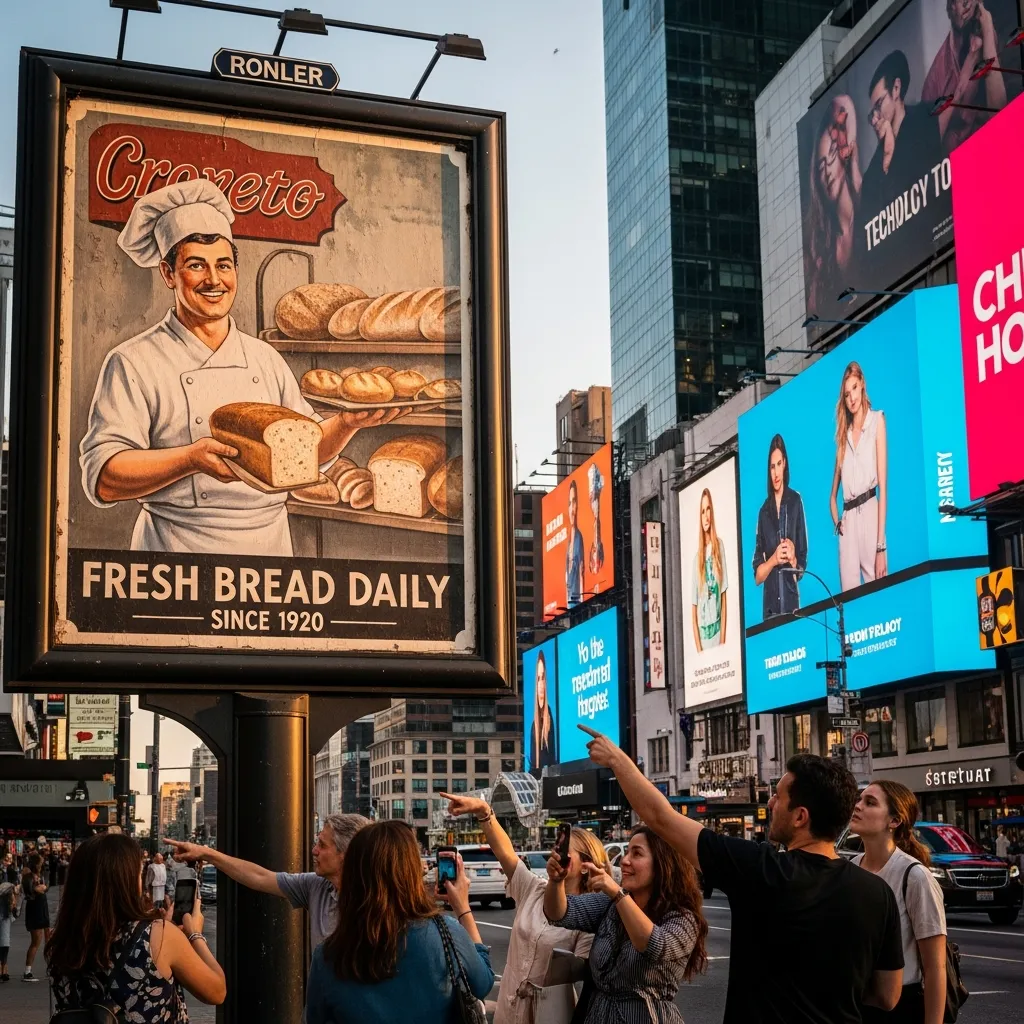 Traditional marketing strategies stand as a testament to the enduring power of physical, real-world advertising. While digital campaigns excel at granular targeting and immediate tracking, they often struggle to match the sheer scale, prestige, and unavoidable visibility of offline media. Print publications, broadcast television, radio, direct mail, and towering billboards cut through the digital noise, capturing attention when consumers step away from their screens.