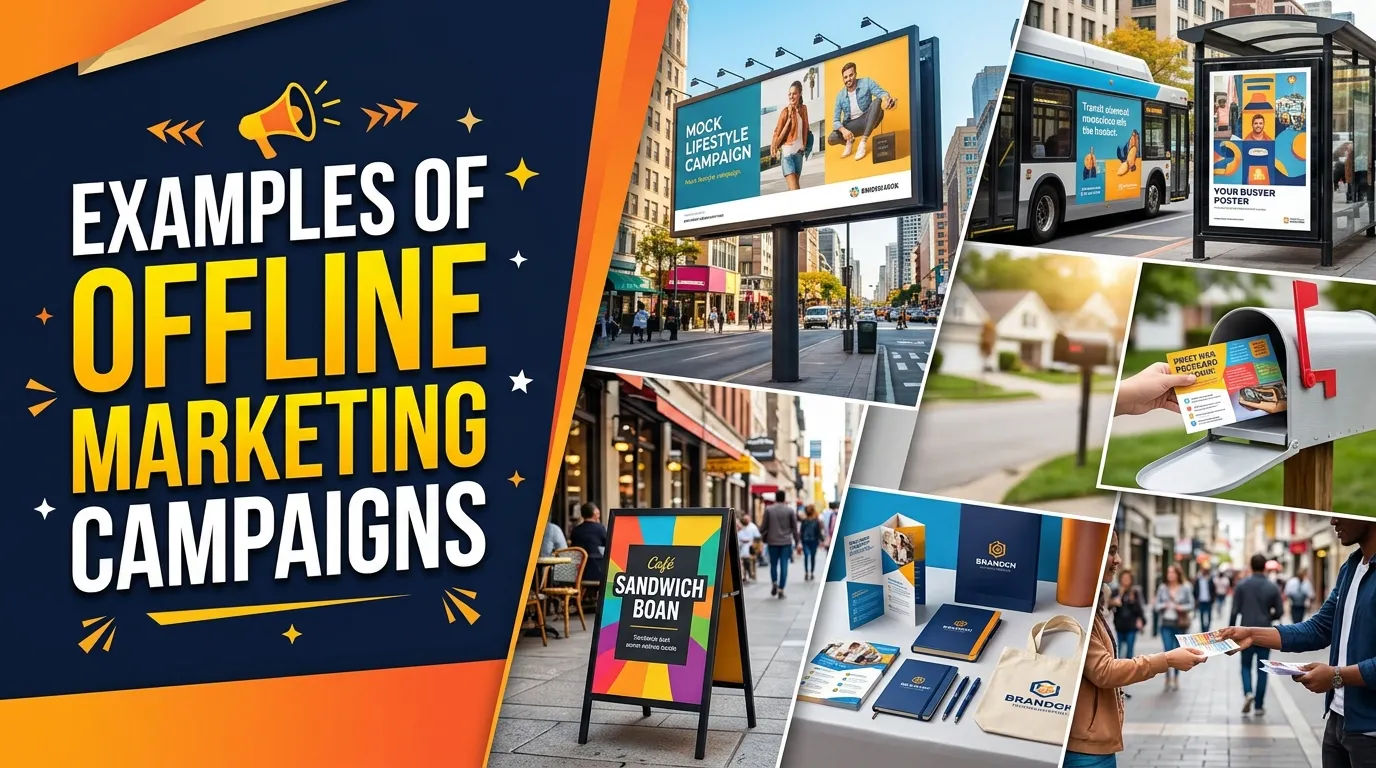
Offline marketing continues to be an effective way for businesses to connect with customers, increase brand awareness, and build lasting relationships. Although digital platforms have changed the advertising industry, traditional promotional methods still offer valuable opportunities to reach people in their everyday environments. From eye-catching billboards and newspaper advertisements to creative public events, businesses can use different approaches to attract attention and encourage customer engagement.
This guide explores 10 practical examples of offline marketing campaigns, including traditional marketing strategies, guerrilla advertising, print promotions, experiential activities, and outdoor advertising. Whether you run a small local business or manage an established company, these ideas can help you develop memorable campaigns, reach new audiences, and strengthen your brand presence.
Offline Marketing Campaign Examples
When exploring examples of offline marketing campaigns, it is important to understand how traditional promotional activities influence customer decisions. Offline marketing involves promoting products and services through physical channels rather than relying entirely on websites, social media, or online advertisements. Common methods include flyers, brochures, posters, television commercials, radio advertisements, direct mail, and promotional events. For example, a newly opened restaurant might distribute discount coupons in nearby residential areas to encourage people to visit. Similarly, a clothing store could organize a seasonal fashion exhibition in a shopping mall to introduce its latest collection. These activities create direct opportunities for customers to interact with a brand.
One major advantage of these campaigns is that they can establish personal connections. Customers can physically see promotional materials, speak with representatives, and experience products before making purchasing decisions. Businesses can also combine physical promotions with digital activities to improve their overall marketing performance. For more inspiration on building a business and identifying opportunities for growth, explore these profitable online business ideas, which can help entrepreneurs understand different ways to develop and promote their ventures.
Traditional Marketing Strategies
Traditional marketing strategies remain relevant because they allow companies to communicate with audiences through familiar and accessible channels. Television, radio, newspapers, magazines, direct mail, and local sponsorships are common examples of traditional advertising methods. For instance, a furniture company may publish advertisements in a local newspaper to introduce a new collection. A healthcare provider might sponsor a community health awareness event to build trust and increase local recognition. These activities help businesses reach customers who may not regularly engage with online advertising.
Another effective approach is television advertising. A well-produced commercial can communicate a company’s message through visuals, storytelling, and memorable slogans. Businesses can use television promotions to introduce new products, announce special offers, and establish a recognizable brand identity. Companies interested in television promotion can learn more through this guide to online business TV advertising, which discusses how television advertising can support business visibility and promotional goals. The best traditional marketing strategies are based on audience preferences, campaign objectives, and available resources. Businesses should select channels that allow them to reach potential customers effectively rather than spending money on advertising without a clear direction.
Creative Offline Advertising Ideas
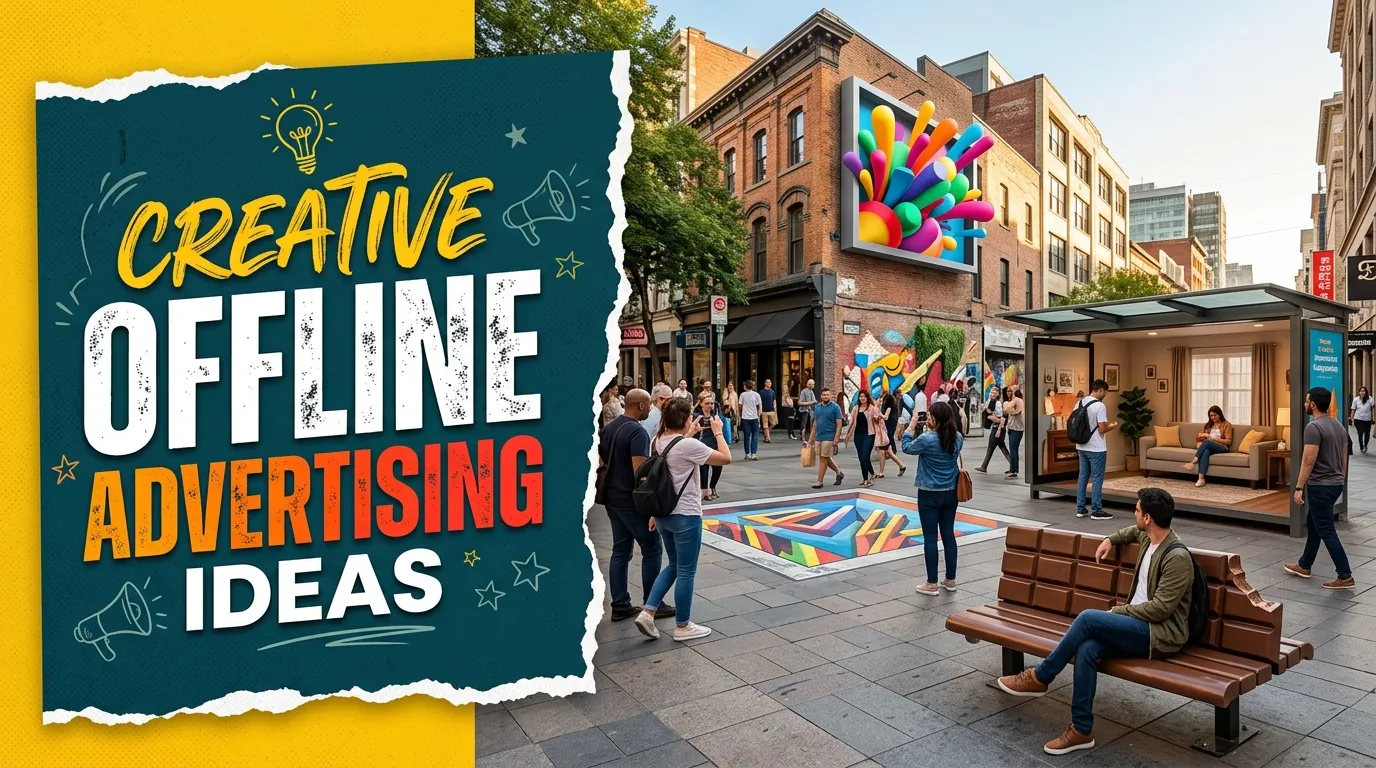 Creative advertising helps businesses attract attention and make their promotional messages more memorable. Among the most interesting examples of offline marketing campaigns are interactive posters, branded packaging, unusual product displays, creative storefront decorations, and promotional installations in public spaces. A coffee shop, for example, could install a colorful outdoor photo wall featuring its brand name and a creative message. Customers might take pictures and share them with friends, creating additional brand exposure without requiring a traditional advertisement.
Another idea is to distribute promotional merchandise such as reusable shopping bags, branded notebooks, water bottles, or calendars. These products offer practical value while keeping the business visible in customers’ everyday lives. Businesses can also use seasonal decorations and themed promotional displays to attract attention during holidays, festivals, and special occasions. A bakery might create a visually appealing Valentine’s Day display, while a toy store could arrange an interactive children’s exhibition. Creative offline advertising should communicate a clear message while giving customers a reason to remember the business. The goal is not simply to make an advertisement look attractive but to create an experience that encourages people to interact with the brand.
Successful Offline Marketing Campaigns
Successful offline marketing campaigns usually combine creativity, audience understanding, and consistent brand communication. Companies that understand their customers can develop promotional activities that generate interest and encourage people to take action. For example, a supermarket might organize a weekend product demonstration where visitors can taste new food items. Customers receive an opportunity to experience the products directly, while the company benefits from immediate feedback and increased purchase interest.
Another example involves a local clothing retailer organizing a community fashion show. By inviting local influencers, customers, and nearby residents, the store can showcase its products while developing relationships with potential buyers. Small businesses can also benefit from understanding different business opportunities and customer needs. Reading about small business ideas can provide useful inspiration for entrepreneurs who want to identify suitable markets and develop promotional strategies around their products or services. When evaluating successful examples of offline marketing campaigns, businesses should consider more than the number of people who see an advertisement. Customer inquiries, store visits, coupon redemptions, sales, and brand recognition are also useful indicators of campaign performance.
Offline Promotional Strategies
Offline promotional strategies focus on encouraging customers to purchase products or use services through physical marketing activities. Discounts, loyalty cards, free samples, referral rewards, product demonstrations, and limited-time offers are common promotional techniques. For example, a beauty store could distribute free product samples to shoppers at a local shopping center. Customers can test the products before purchasing, which may increase their confidence in the brand.
Restaurants can introduce loyalty cards that reward customers after a certain number of visits. Retail stores can offer printed discount coupons that customers redeem at checkout. These approaches encourage repeat purchases and help businesses develop stronger customer relationships. Another useful strategy is organizing referral promotions. A business might offer existing customers a discount when they introduce a new customer. This encourages word-of-mouth recommendations and helps expand the customer base through personal connections.
Offline promotional strategies can also complement digital marketing. For example, a printed flyer can include a website address or QR code that directs customers to an online store. Businesses operating in e-commerce can learn more about customer engagement through this resource on e-commerce email marketing. Combining physical promotions with digital communication allows companies to maintain customer relationships even after an offline campaign has ended.
Guerrilla Marketing Campaign Examples
 Guerrilla marketing is a creative advertising approach that uses unexpected experiences and unusual promotional activities to attract attention. It often relies on imagination rather than expensive advertising placements, making it particularly interesting for startups and small businesses. Some memorable examples of offline marketing campaigns involve transforming ordinary public spaces into creative brand experiences. A company might create an unusual sidewalk installation, arrange a surprising product demonstration, or use artistic decorations to communicate its advertising message.
For instance, a fitness center could organize a free outdoor exercise session in a public park. Participants experience the company’s services while other visitors become aware of the brand. Similarly, a pet store might arrange a community pet photography event to attract animal lovers. Guerrilla marketing works particularly well when the activity is relevant to the audience and easy to understand. A creative campaign can generate conversations, photographs, media attention, and word-of-mouth recommendations. However, businesses should consider local regulations, public safety, and property permissions before organizing unconventional promotional activities. A successful campaign should be surprising and engaging without disturbing the community or creating unnecessary problems.
Print Advertising Campaign Ideas
Print advertising remains a useful promotional method because physical materials can deliver information directly to customers. Newspapers, magazines, brochures, posters, catalogs, postcards, and flyers provide businesses with different ways to present their products and services. For example, a real estate agency can create a professional property brochure containing photographs, descriptions, contact information, and pricing details. A local restaurant might distribute menus and discount vouchers to households within its delivery area.
Magazine advertising can be especially useful for reaching audiences with specific interests. A travel company could advertise in a tourism magazine, while a fashion retailer might place an advertisement in a lifestyle publication. When developing print-based examples of offline marketing campaigns, businesses should focus on design quality, readability, and a clear promotional message. An advertisement should communicate its main benefit quickly and make it easy for interested customers to contact the company.
Including a memorable headline, attractive visuals, business contact information, and a specific call to action can improve the effectiveness of printed materials. Businesses should also track their print promotions through unique coupon codes, dedicated phone numbers, or QR codes. This makes it easier to understand which advertisements are generating customer interest.
Experiential Marketing Examples
Experiential marketing focuses on creating memorable experiences that allow customers to interact directly with a brand. Instead of simply showing an advertisement, businesses give people opportunities to experience products, services, or brand activities. For example, a technology company might arrange a product demonstration at a shopping mall where visitors can test its latest devices. A food company could organize a tasting event to introduce a new product. These activities encourage customers to explore the brand through direct interaction.
Other experiential marketing examples include pop-up shops, interactive exhibitions, branded workshops, product launch events, and community festivals. A clothing company might arrange a temporary fashion studio where visitors can explore different styles and receive personalized recommendations. Experiential activities are among the most engaging examples of offline marketing campaigns because they create emotional connections between customers and businesses. When people enjoy an experience, they may remember the brand more positively and recommend it to others. Companies should design these experiences around their target audience. The activity should offer something valuable, entertaining, educational, or practical rather than focusing entirely on selling products.
Local Business Marketing Strategies
Local business marketing strategies help companies attract customers within specific geographic areas. Restaurants, salons, retail stores, gyms, repair services, and healthcare providers can benefit from promotional activities that connect them with nearby communities. One effective approach is sponsoring local events. A neighborhood bakery, for example, could sponsor a school festival or community gathering. This provides an opportunity to introduce its products while supporting an activity that matters to local residents.
Another approach is distributing flyers in nearby neighborhoods. A new fitness studio could advertise introductory membership discounts through printed materials placed in permitted community locations. A home improvement company might distribute brochures to households in areas where its services are available. Participating in local markets and exhibitions can also increase visibility. Businesses can display their products, answer customer questions, and build relationships with other local companies.
The most effective examples of offline marketing campaigns for local businesses usually involve community participation and direct communication. Customers are more likely to remember a business when they have a positive interaction with its representatives. Local companies can also strengthen their physical promotions by maintaining consistent business information online. This creates a smoother customer journey from discovering a printed advertisement to finding the business online and visiting its location.
Outdoor Advertising Campaign Examples
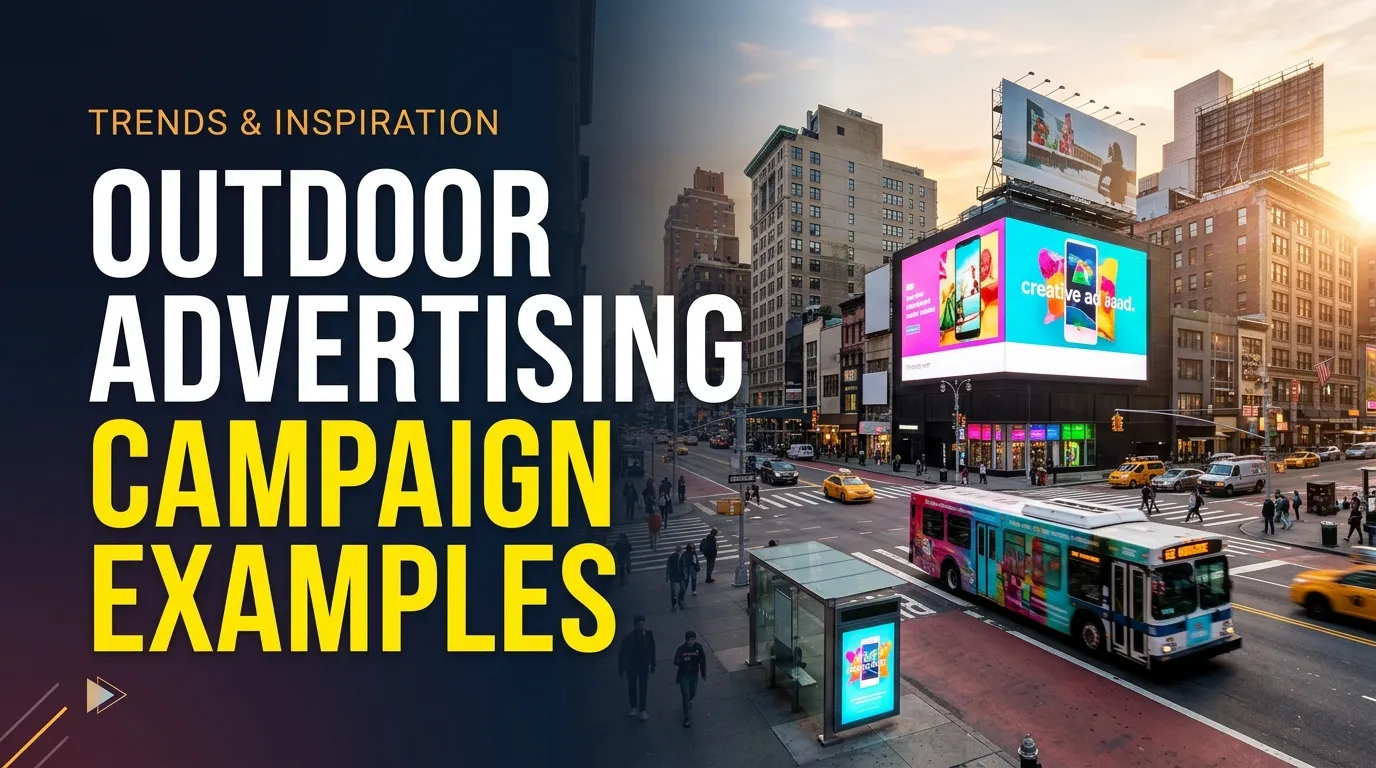 Outdoor advertising is one of the most recognizable forms of offline promotion. It includes billboards, banners, transit advertisements, posters, street furniture advertising, and digital displays in public locations. For example, a beverage company might place a large billboard near a busy road to introduce a new product. A shopping mall could use banners to announce a seasonal sale, while a transportation company might advertise its services on buses and train stations.
Outdoor advertising can generate repeated exposure because people often pass the same locations during their daily routines. A well-designed advertisement with a clear message can help customers recognize a brand even when they only see it for a few seconds. Businesses should consider location, visibility, audience traffic, and advertising costs when selecting outdoor placements. An advertisement near a shopping district may be suitable for a retail business, while a billboard near a highway might provide broader exposure.
Modern outdoor campaigns can also incorporate digital displays, QR codes, and interactive elements. These features connect physical advertisements with online experiences and make it easier for customers to learn more about a product or service. Overall, outdoor advertising remains an important part of many examples of offline marketing campaigns because it helps brands maintain a visible presence in the physical world.
Conclusion
Offline marketing continues to provide valuable opportunities for businesses to connect with customers, increase awareness, and build long-term relationships. From traditional newspaper advertisements and printed brochures to creative guerrilla promotions and interactive brand experiences, companies can choose from many approaches depending on their goals and budgets. The best examples of offline marketing campaigns demonstrate that successful advertising is not always about spending large amounts of money. Understanding the target audience, choosing suitable promotional channels, and delivering a memorable message are often more important. Businesses can also combine traditional advertising with digital marketing to create a consistent promotional strategy. By measuring campaign performance and improving their approach over time, companies can make offline marketing an effective part of their overall business growth.
FAQ
1. What are offline marketing campaigns?
Offline marketing campaigns are promotional activities that use traditional, physical, or non-internet-based channels to reach customers. Common examples include television advertisements, radio promotions, billboards, flyers, brochures, newspaper advertisements, and promotional events.
2. What are the best examples of offline marketing campaigns?
Some effective examples include distributing promotional flyers, organizing product demonstrations, sponsoring community events, displaying outdoor advertisements, offering free product samples, and arranging experiential marketing activities. The best approach depends on the target audience and campaign objectives.
3. Is offline marketing still effective?
Yes, offline marketing remains effective for many businesses. It provides opportunities for direct customer interaction, local brand awareness, and memorable physical experiences. When combined with digital promotion, it can support a well-rounded marketing strategy.
4. What is the difference between online and offline marketing?
Online marketing uses internet-based channels such as websites, search engines, email, and social media. Offline marketing uses traditional channels such as television, radio, newspapers, billboards, printed materials, and physical events.
5. How can small businesses use offline marketing?
Small businesses can use flyers, business cards, local sponsorships, referral programs, community events, printed coupons, and product demonstrations. These methods can help them reach nearby customers and establish personal relationships without requiring a large advertising budget.
6. What is guerrilla marketing in offline advertising?
Guerrilla marketing is a creative promotional approach that uses unexpected activities, unusual installations, and memorable public experiences to attract attention. It often focuses on originality and audience engagement rather than expensive advertising placements.
7. Which offline marketing strategy is best for local businesses?
Community events, local sponsorships, printed flyers, referral promotions, and storefront advertisements can be effective for local businesses. Companies should choose strategies that reach people within their service areas and match their customers’ interests.
8. How much does an offline marketing campaign cost?
The cost depends on the promotional method, campaign duration, location, production requirements, and audience size. Printing flyers may require a relatively small investment, while television commercials and large billboard placements can involve significantly higher expenses.
9. How can businesses measure offline marketing success?
Businesses can measure performance through coupon redemptions, customer inquiries, promotional phone calls, store visits, event attendance, and sales growth. QR codes and unique promotional codes can also help connect offline advertisements with online tracking.
10. Can offline and online marketing work together?
Yes, combining both approaches can improve brand visibility and customer engagement. For example, a printed brochure can include a QR code linking to a website, while a physical event can encourage visitors to subscribe to an email newsletter. This creates a connection between offline experiences and ongoing digital communication.