When a company steps out from behind the digital screen and enters the physical community, it changes the dynamic. You are no longer just a logo or a storefront. You become a neighbor, a supporter, and a recognizable friend. By investing time and resources into the people who live right around your business, you create a powerful emotional bond that traditional advertising simply cannot buy.
Whether you host a neighborhood block party, sponsor a youth sports team, or organize a charity run, face-to-face interactions foster trust. This guide will walk you through the exact steps for building brand loyalty with local events and sponsorships, ensuring your community investments yield long-term business growth.
Understanding Your Community: Identifying Opportunities
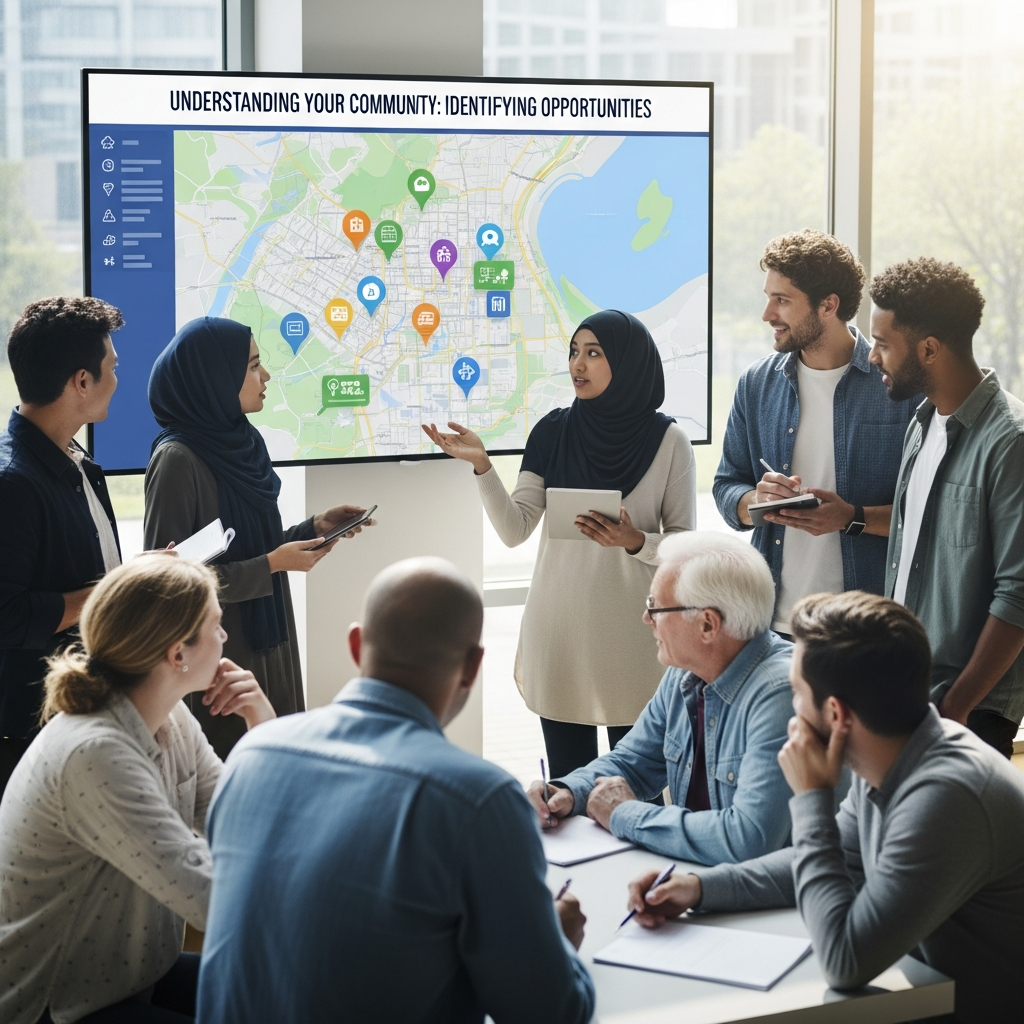 You cannot effectively engage a community if you do not understand its unique needs, values, and interests. Every town or city has its own culture, traditions, and expectations. Before planning events or sponsorships, proper research is essential for successful building brand loyalty with local events.
Start by engaging directly with your existing customers and local audience. Ask them what they care about, what activities they enjoy, and which local issues matter most to them. These insights help ensure your marketing efforts feel relevant, personal, and community-driven.
Why Community Understanding Matters:
- Ensures your events match local interests
- Reduces risk of irrelevant or poorly attended campaigns
- Builds stronger emotional connections with your audience
- Helps position your brand as a trusted local partner
- Improves long-term customer loyalty and engagement
Key Ways to Identify Opportunities
To build a strong foundation for building brand loyalty with local events, you need to gather insights from multiple sources:
- Speak directly with customers and local residents
- Analyze popular local events and seasonal activities
- Study community challenges and unmet needs
- Connect with local organizations and business groups
- Monitor social media discussions and local trends
Turning Insights into Action
Once you gather information, the next step is identifying actionable opportunities. Look for gaps where your brand can add real value instead of just promotion.
For example:
- A local charity may need funding for a fundraising event
- A school might need sponsorship for sports or cultural programs
- A community center could require support for workshops or training
- A seasonal festival may need partners for logistics or branding
By stepping into these gaps, your brand becomes more than a business—it becomes a community supporter.
Building Trust Through Local Involvement
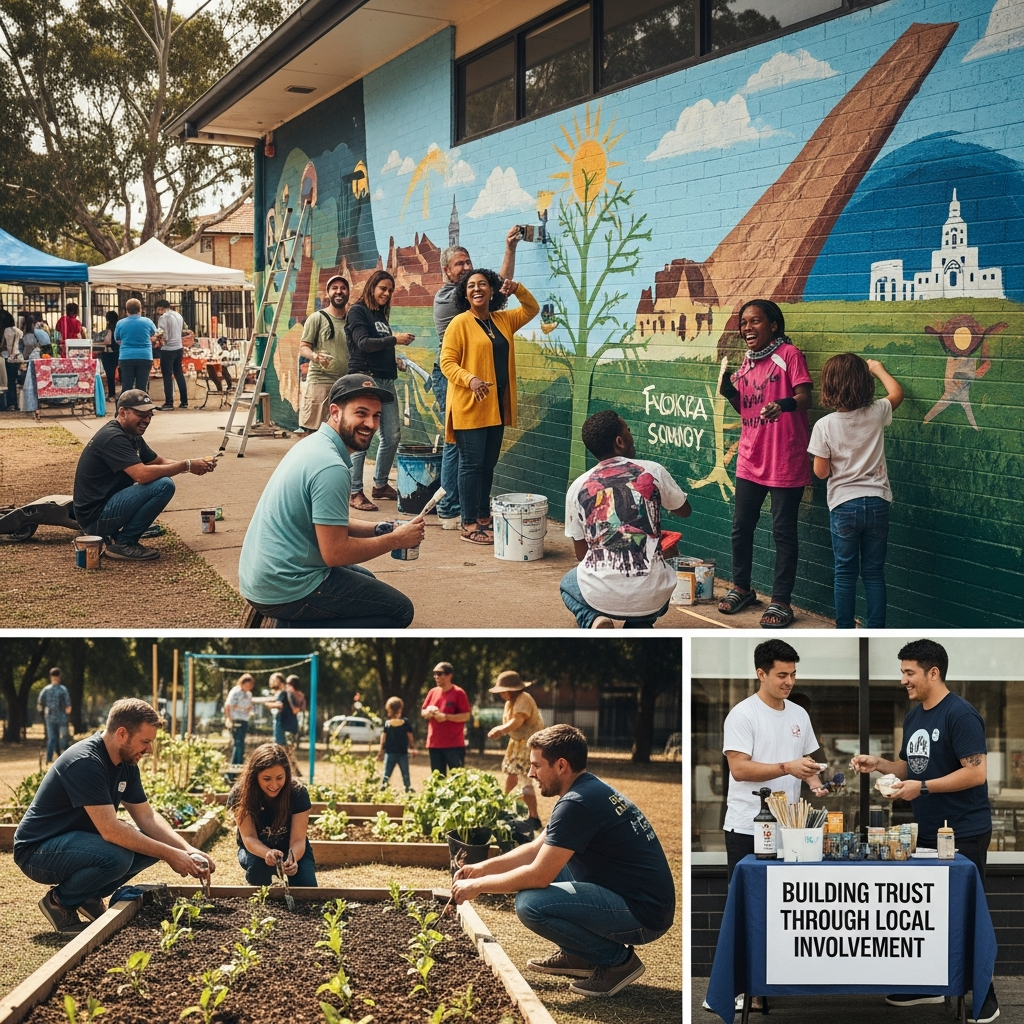 When your brand consistently supports real community needs, people begin to see you as reliable and authentic. This is a critical part of building brand loyalty with local events.
Instead of appearing as an outsider trying to sell products, your business becomes a valued contributor to local growth and development.
Planning and Executing Successful Local Events
Hosting your own event gives you full control over customer experience, brand messaging, and engagement strategy. However, successful execution requires structured planning, clear communication, and strong coordination. The main goal of building brand loyalty with local events is to prioritize audience experience rather than direct selling.
Start with a clear objective—such as brand awareness, product launch, customer appreciation, or community support. Once the goal is defined, build a roadmap that includes budgeting, resource allocation, and timeline management.
Why Structured Planning Matters
Proper planning ensures your event runs smoothly and delivers a positive impression. It also reduces risks such as poor turnout, logistical issues, or unclear messaging.
Key benefits of planning:
- Improves event organization and flow
- Ensures better budget control
- Increases attendee satisfaction
- Enhances brand credibility
- Supports long-term building brand loyalty with local events
Expanded Event Planning Timeline
| Timeframe | Key Action Items |
|---|---|
| 8–12 Weeks Out | Define goals, set budget, secure venue, identify target audience |
| 6–8 Weeks Out | Obtain permits, hire vendors, begin promotional campaigns |
| 4–6 Weeks Out | Finalize schedule, recruit staff/volunteers, start local PR outreach |
| 1–3 Weeks Out | Confirm all vendors, send reminders, increase social media promotion |
| Event Day | Execute event, manage guest experience, capture content |
| Post-Event | Share photos, collect feedback, send thank-you messages, analyze results |
Making Events Truly Valuable
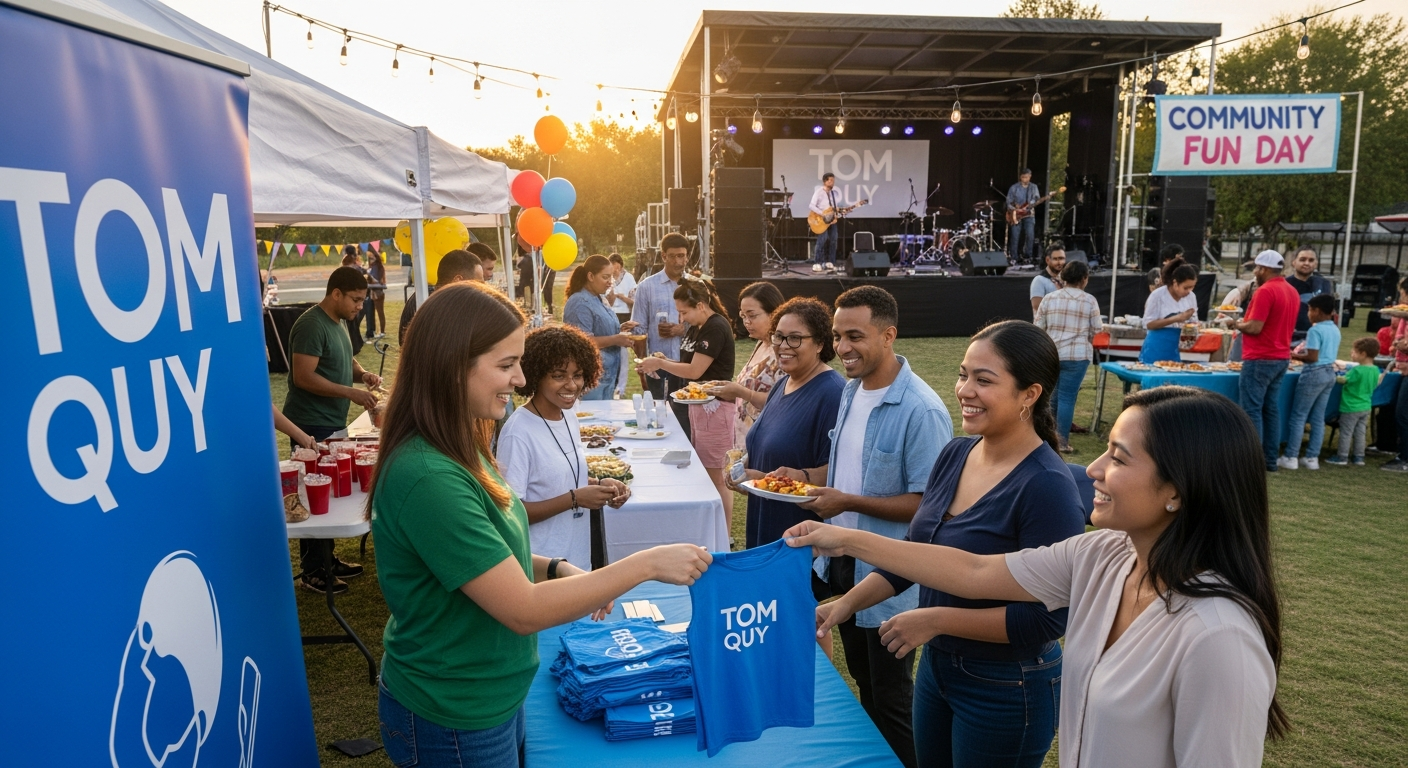
To succeed in building brand loyalty with local events, your event must offer real value beyond marketing. People remember experiences, not advertisements.
Effective engagement ideas:
- Free workshops or hands-on learning sessions
- Family-friendly games, entertainment, and activities
- Complimentary food, beverages, or branded giveaways
- Live music, cultural performances, or local talent showcases
- Community recognition programs or award ceremonies
Enhancing the Attendee Experience
Small details often create the biggest impact. From friendly staff interactions to comfortable seating and smooth registration, every touchpoint shapes perception.
Best practices for better experience:
- Ensure easy entry and registration process
- Train staff for positive customer interaction
- Provide clear signage and guidance
- Offer photo-friendly zones for social sharing
- Collect real-time feedback during the event
Why Experience Matters
When attendees feel valued and included, they naturally associate those positive emotions with your brand. This emotional connection is a key driver in building brand loyalty with local events.
A well-executed event can turn first-time visitors into repeat customers, and customers into long-term brand advocates.
Strategic Sponsorships: Aligning with Your Brand
You do not always have to build an event from scratch. Sponsoring existing community activities is a highly effective alternative. Strategic sponsorships allow you to tap into an established audience while showing genuine support for local passions and interests. This approach plays a major role in building brand loyalty with local events, especially when executed with clear intent and alignment.
The key to success is strong brand alignment. Your sponsorship should feel natural, not forced. When your brand fits the event theme, it becomes easier for people to trust and remember you.
Examples of strong sponsorship alignment:
- Health food store → local 5K run, fitness bootcamps, yoga sessions
- Pet grooming business → dog shows, pet adoption drives
- Clothing brand → fashion fairs, college festivals
- Restaurant → food festivals, cultural events
- Tech company → innovation fairs, startup meetups
Ways to maximize sponsorship impact:
- Set up interactive booths instead of passive logo placement
- Offer free samples, demos, or trials
- Host games, contests, or giveaways
- Create branded photo opportunities for social sharing
- Engage directly with attendees through your team
Simply displaying a logo is not enough. Real building brand loyalty with local events happens when people interact with your brand and have a positive, memorable experience.
Measuring Impact: ROI of Local Engagement
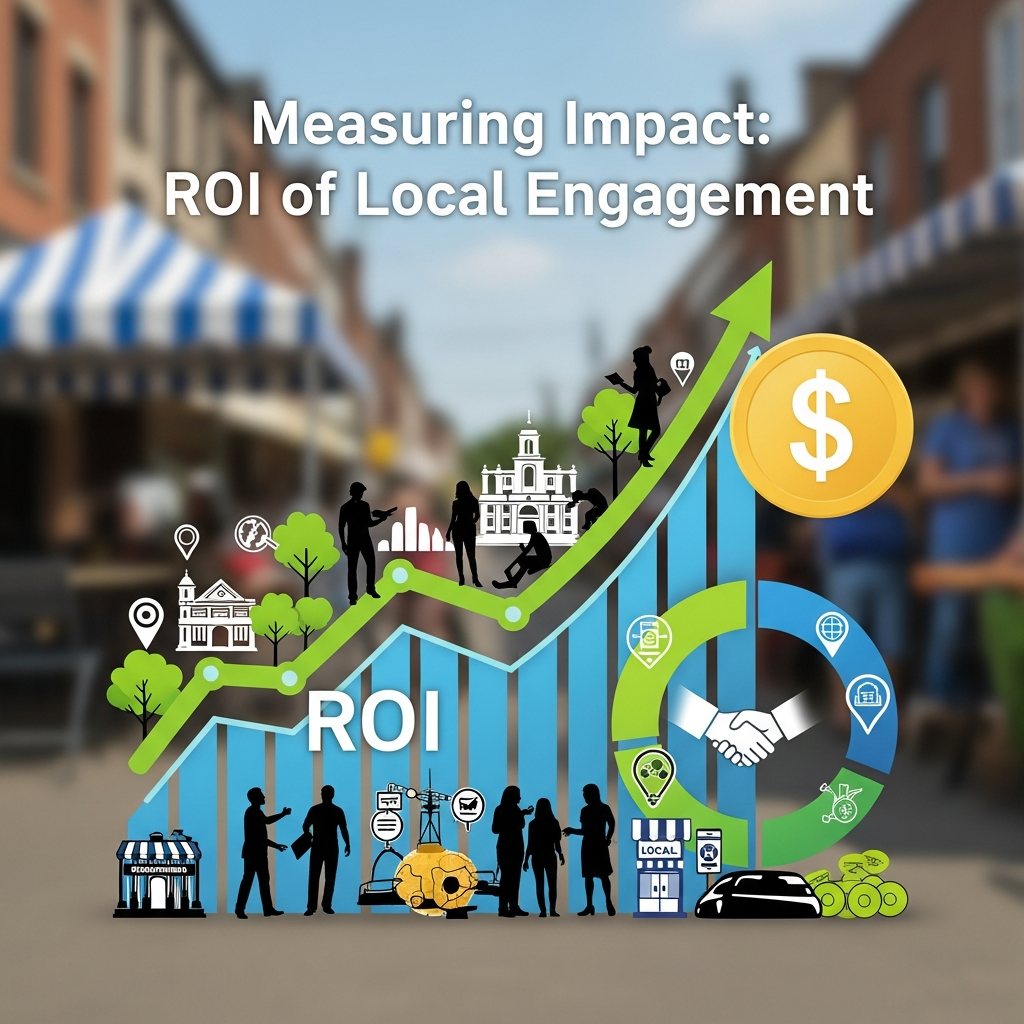 Many business owners hesitate to invest in community engagement because the financial return can seem difficult to track. While building brand loyalty with local events focuses heavily on long-term relationship building, performance tracking is still essential for continuous improvement, smarter decision-making, and better future campaigns.
Measuring ROI is not only about direct sales—it also includes brand awareness, engagement, and customer loyalty growth over time.
Why Measuring ROI Matters
Tracking performance helps you understand what is working and what needs improvement. Without measurement, it becomes difficult to scale successful strategies or justify future investments.
Key benefits of ROI tracking:
- Identifies high-performing event strategies
- Helps optimize future marketing budgets
- Improves audience targeting and engagement
- Strengthens long-term building brand loyalty with local events
- Converts community efforts into measurable business growth
Key ROI Tracking Methods
| Method | How It Works | What It Measures |
|---|---|---|
| QR Codes | Scan-based tracking on flyers, posters, or booths | Event-driven traffic and conversions |
| Discount Codes | Unique promo codes for event attendees | Direct sales attribution |
| Social Media Tracking | Monitor hashtags, mentions, tags, and check-ins | Engagement and brand awareness |
| Email Collection | Sign-ups through giveaways, forms, or registrations | Long-term customer database growth |
| Foot Traffic Count | Estimate number of event visitors | Reach and physical exposure |
| Landing Pages | Dedicated event pages with tracking links | Online engagement and conversion rates |
Additional Performance Indicators
Beyond direct tracking methods, there are several indirect signals that show event success:
- Increase in local followers on social media platforms
- Growth in brand mentions during and after events
- Spike in website visits from local geographic regions
- Positive customer reviews and feedback submissions
- Higher repeat purchase rates from event participants
- Increased word-of-mouth referrals within the community
Turning Data into Action
Collecting data is only the first step. The real value comes from analyzing and applying insights to improve future events.
How to use your data effectively:
- Identify which events generated the highest engagement
- Compare performance across different event types
- Adjust messaging based on audience response
- Refine sponsorship and activation strategies
- Focus more on high-ROI community partnerships
Connecting ROI to Long-Term Loyalty
Unlike traditional advertising, building brand loyalty with local events delivers both immediate and long-term benefits. Some results, such as brand trust and emotional connection, may take time to fully appear.
That’s why combining short-term metrics (sales, leads) with long-term indicators (loyalty, repeat customers) is essential.
Case Studies: Brands Nailing Local Loyalty
 Looking at successful real-world examples can spark ideas for your own strategy. Many companies have mastered the art of community integration and shown how building brand loyalty with local events can create long-term emotional connections with customers.