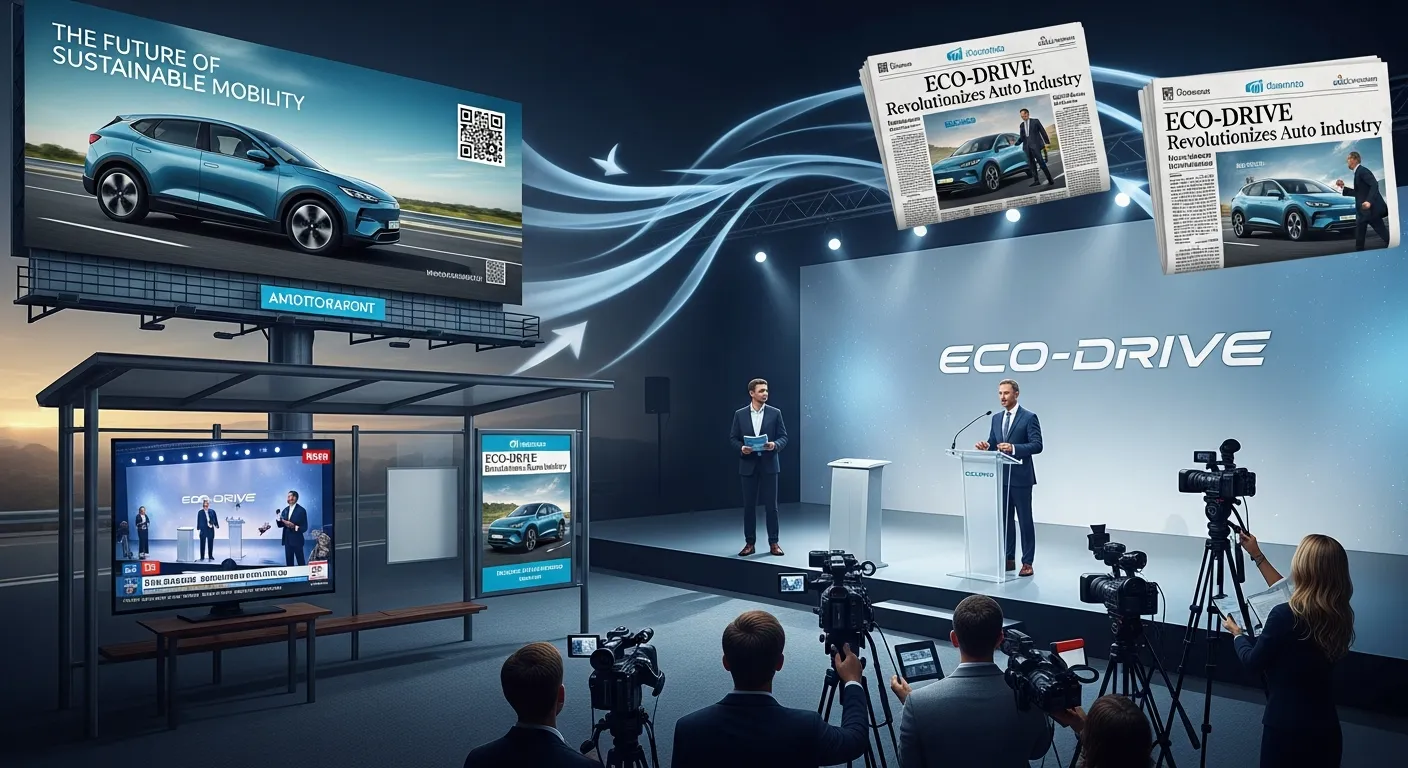
Public relations events marketing focuses on using organized events such as press conferences, product launches, and community gatherings to build brand awareness and strengthen media relationships. It helps businesses communicate directly with audiences, create positive brand impressions, and support long-term marketing goals through real-world engagement and traditional promotional strategies.
Digital screens capture a massive share of consumer attention, but face-to-face interactions leave a lasting impression. Consumers crave authenticity and real-world connection. They want to experience a brand, not just scroll past its logo. Traditional marketing channels like print, broadcast, and outdoor media remain incredibly effective, yet they reach their peak potential when paired with live, experiential moments.
Public relations events marketing bridges the gap between passive advertising and active consumer participation. When a business hosts a strategic event, it does more than just throw a party. It creates a physical touchpoint that generates organic media coverage, builds community trust, and fuels the rest of its offline advertising ecosystem.
A well-executed event serves as the ultimate catalyst for offline growth. Understanding how public relations events marketing can amplify traditional marketing efforts is the key to building a resilient, highly visible brand. By combining public relations strategy with offline marketing campaigns, businesses can create stronger emotional connections and improve long-term brand recall.
When integrated with brand awareness events, press events strategy, and experiential marketing events, these initiatives become even more powerful. They not only attract media attention but also encourage customer participation, word-of-mouth promotion, and stronger audience engagement. Over time, this leads to improved credibility, higher trust levels, and a more loyal customer base.
Ultimately, businesses that invest in public relations events marketing gain a competitive advantage by turning simple promotional efforts into meaningful real-world experiences that audiences remember and share.
 To maximize the impact of your campaigns, you must understand how events fit into the broader offline advertising landscape.
Different business goals require different types of gatherings. Choosing the right format ensures your public relations events marketing strategy hits the mark.
Product Launches and Demonstrations
Few things generate buzz quite like a highly anticipated product launch. These events create excitement by offering a hands-on experience for media representatives and core consumers.
When a technology company or automotive brand unveils a new model, they invite journalists to test the product in person. This tactile experience results in detailed reviews and enthusiastic word-of-mouth recommendations. Case studies of successful traditional product launches consistently show that letting people touch, feel, and use a product accelerates the buying process.
Grand Openings and Anniversaries
Milestones offer a perfect excuse to invite the public into your space. Grand openings and anniversary celebrations attract local attention and serve as powerful community engagement strategies.
By sending out press releases to local newspapers and radio stations, businesses leverage local media for comprehensive coverage. Offering exclusive in-store discounts during these celebrations encourages attendees to transition from casual observers to loyal customers.
Press Conferences and Media Briefings
When a company needs to make a major announcement, a structured press conference provides the necessary platform for strategic communication.
To ensure success, public relations teams must craft compelling press kits filled with high-quality images, company background information, and executive quotes. Tips for successful media interactions include keeping presentations concise, anticipating difficult questions, and providing journalists with clear, accurate data.
Charity Galas and Fundraising Events
Consumers increasingly prefer to support businesses that demonstrate strong corporate social responsibility. Hosting or participating in charity galas aligns your brand with important social causes.
Partnering with local non-profits generates positive public perception. When your company sponsors a fundraising dinner, the resulting media coverage highlights your commitment to the community, establishing a deep sense of trust.
Community Sponsorships and Local Events
Deepening community ties is essential for brick-and-mortar businesses. Participating in community sponsorships marketing offers hyper-local marketing opportunities that are difficult to replicate online.
Whether you sponsor a local youth sports team or a neighborhood street fair, your brand becomes a visible supporter of local culture. Measuring the impact on brand loyalty often reveals that consumers eagerly support businesses that invest directly in their hometowns.
Workshops, Seminars, and Educational Events
Educational events position your company leadership as trusted industry experts. Providing genuine value to the target audience builds authority. For example, a financial planning firm hosting a free seminar on retirement savings generates high-quality leads. Attendees walk away with actionable advice, making them highly receptive to future traditional marketing follow-ups.
Planning and Executing Successful Public Relations Events
 A great idea only succeeds with meticulous planning. Executing flawless public relations events marketing requires attention to multiple moving parts.
Setting Clear Objectives and KPIs
Before booking a venue, you must define success metrics. Are you aiming for a specific number of newspaper mentions, high attendee turnout, or direct sales? Aligning these metrics with your overall traditional marketing goals keeps the team focused and ensures a strong return on investment.
Target Audience Identification
Tailoring events to resonate with key demographics guarantees that the right people show up. If you operate a family-focused restaurant, your event should cater to reaching young families and local community members. A corporate B2B software company, however, should focus its efforts on attracting local executives and industry analysts.
Budgeting and Resource Allocation
You do not need a massive corporate budget to host a successful gathering. Maximizing impact with limited resources requires smart prioritization. Cost-effective strategies for small businesses include co-hosting events with complementary brands to share the financial burden and expand the guest list.
Venue Selection and Logistics
The physical space sets the tone for your entire brand experience. Creating the right atmosphere requires a venue that reflects your company’s aesthetic. Ensuring smooth operations—from adequate parking to clear signage—prevents logistical hiccups that could frustrate guests or media personnel.
Crafting Compelling Invitations and Messaging
To stand out in a crowded market, your invitations must be impossible to ignore. Whether you send high-quality direct mailers or personal letters, emphasize the value proposition immediately. Tell your guests exactly why attending will benefit them.
Media Outreach and Relationship Building
Securing press coverage requires identifying key journalists and influencers who cover your specific industry. Developing personalized pitches demonstrates that you respect their time and understand their audience. The Public Relations Society of America (PRSA) emphasizes that successful media outreach relies on building genuine, long-term relationships rather than sending mass, generic emails. Always implement strong follow-up strategies to keep your event top-of-mind.
On-site Management and Execution
On the day of the event, professionalism and attention to detail are paramount. Your staff should be fully briefed on the schedule and equipped to handle any unexpected challenges. Robust crisis management planning ensures that technical difficulties or weather disruptions do not ruin the experience.
Amplifying PR Events Through Traditional Marketing Channels
The work does not stop when the event ends. You must leverage the momentum to fuel your ongoing offline campaigns.
Leveraging Event Content for Traditional Ads
Live events provide incredible visual assets. Marketers can design print advertisements featuring event highlights for local magazines and newspapers. To maximize reach, companies can run radio and TV spots promoting upcoming events, or use stunning event photography to create impactful traditional ads.
Additionally, showcasing event success on traditional billboard advertising reminds the community of your brand’s strong local presence. According to data from Nielsen, physical advertising formats continue to hold high levels of consumer trust, making them the perfect vehicle to broadcast your event’s success.
Post-Event Follow-up and Media Kits
Extending the lifespan of your event requires diligent follow-up. Send thank-you notes to journalists and attendees, accompanied by a comprehensive post-event media kit. Distributing branded merchandise marketing items, such as high-quality tote bags or notebooks, ensures your logo stays in the hands of your audience long after they return home.
Next Steps for Your Event Strategy
 Mastering public relations events marketing provides a powerful advantage for any business relying on offline channels. By carefully planning your gatherings, engaging the local press, and integrating the resulting excitement into your broader advertising strategy, you establish a brand presence that is impossible to ignore. Evaluate your current promotional calendar, identify an opportunity to bring your audience together, and start planning an event that will elevate your traditional marketing to new heights.