
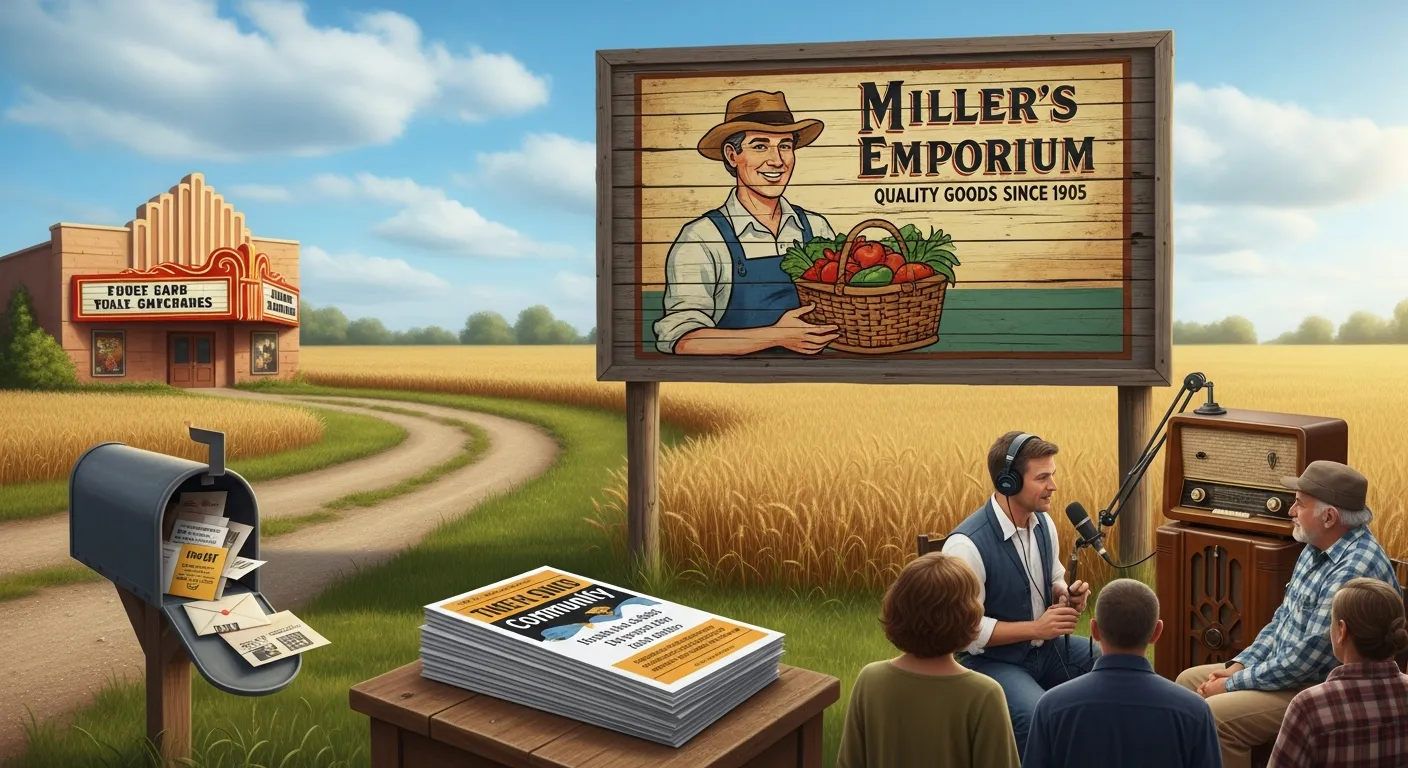
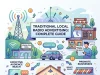
Traditional marketing channels refer to offline methods of promoting products or services, such as television, radio, newspapers, magazines, billboards, and direct mail. These channels have been widely used for decades to reach large audiences and build brand awareness. Although digital marketing is growing, traditional marketing channels still play an important role in reaching local markets, older demographics, and broad audiences through mass communication.
Digital fatigue is a real phenomenon affecting consumers across the globe. As people scroll through endless social media feeds and click past hundreds of banner ads every day, a sense of advertising blindness naturally sets in. Brands spend massive portions of their budgets fighting for a few seconds of online attention, often overlooking the physical world where their customers actually live, work, and commute.
While digital platforms offer incredible targeting and analytics, traditional marketing channels continue to provide a level of credibility, mass reach, and tangible presence that internet-based campaigns struggle to match. Exploring the various traditional marketing channels reveals their continued relevance for businesses seeking impactful reach and tangible results. These offline methods offer a refreshing break from screen time and build trust in ways that pixels cannot.
This comprehensive guide will explore the core traditional marketing channels available to businesses today. We will cover broadcast media, print publications, out-of-home advertising, and direct marketing tactics. You will learn how these time-tested strategies function, why they remain effective, and how you can integrate them seamlessly with your digital efforts to create a well-rounded and highly profitable marketing strategy.
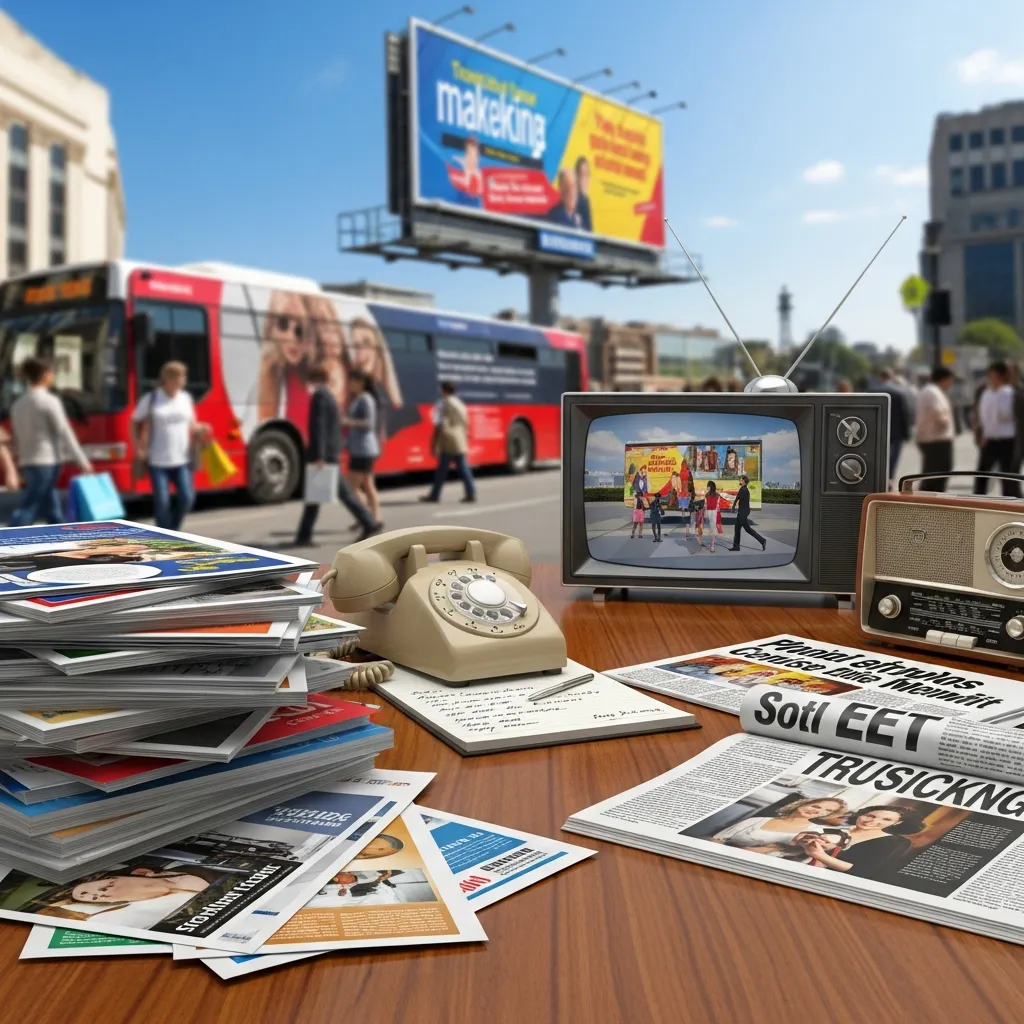 Traditional marketing channels refer to any offline method used to promote a product, service, or brand. These include television, radio, print publications, direct mail, and outdoor billboards. Before the internet became the dominant force in commerce, these physical and broadcast methods were the primary ways businesses communicated with the public. Even today, traditional marketing channels continue to play a strong role in integrated marketing strategies.
Broadcast media pushes content to a massive audience simultaneously, creating shared cultural moments and widespread brand recognition.
Television Advertising
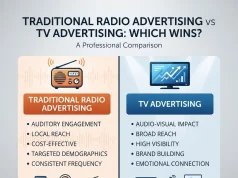
Television commercials remain one of the most powerful tools for capturing public attention. They offer unparalleled reach, allowing brands to get their products in front of millions of viewers during prime-time events or live sports. Advertisers can also utilize demographic targeting by choosing specific networks, programs, and time slots that appeal to their ideal buyers.
The true impact of television lies in its visual and audio storytelling capabilities. Brands can evoke strong emotions, demonstrate complex products in action, and build memorable characters. Successful TV campaigns often become part of pop culture, generating conversations far beyond the initial broadcast. According to global research by Nielsen, television advertising consistently ranks among the most trusted formats for consumers making purchasing decisions.
Radio Advertising
Radio advertising offers exceptional cost-effectiveness and deep local market penetration. Local businesses can reach commuters during their morning drives or workers listening at their desks throughout the day. Because radio production costs are generally lower than television, companies can afford to run ads more frequently.
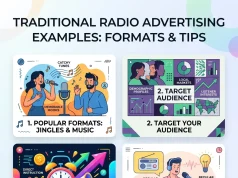
Jingle and voice-over effectiveness are the cornerstones of radio marketing. A catchy tune or a distinct, trusted voice helps build brand familiarity through repetition. Advertisers can also target specific audiences through different radio formats. A sports talk station attracts a vastly different demographic than a classical music or top-40 pop station, allowing brands to segment their messaging efficiently.
Print Media: Tangible and Trustworthy
 Print media provides a physical connection to the consumer, offering a tactile experience that digital screens simply cannot replicate.
Newspaper Advertising
Newspaper advertising provides excellent local and national reach. Local papers are deeply embedded in their communities, making them perfect for regional business announcements, store openings, and localized promotions. Readers of print newspapers tend to be highly engaged and focused, meaning they spend more time actually looking at the advertisements.
This medium also lends credibility to the brands featured within its pages. Businesses can utilize different ad formats to suit their budgets and goals, ranging from affordable classifieds to full-page display spreads that demand attention.
Magazine Advertising
Magazine advertising is the ultimate tool for niche audience targeting. Because magazines cater to highly specific interests—such as outdoor adventure, high fashion, or classic cars—brands know exactly who is reading their message.
Magazines offer high-quality visuals printed on glossy paper, providing a premium feel. They also enjoy a much longer shelf life than newspapers or digital ads. A single issue might sit on a coffee table or in a waiting room for months, continually exposing new readers to your brand. This creates an environment perfect for brand prestige and aspirational marketing.
Direct Mail
Direct mail places a physical piece of promotional material directly into a consumer’s hands. This allows for incredible personalization and direct impact. Brands can send postcards, heavy catalogs, or personalized letters tailored to the recipient’s specific buying history.
One of the great benefits of this channel is measurable response rates. By using unique promo codes or dedicated phone numbers, businesses can track exactly how many sales a mailer generated. For more insights on optimizing these campaigns, you can explore this direct mail marketing guide. Combining direct mail with digital campaigns, such as adding a QR code that links to a landing page, bridges the gap between the physical and digital worlds perfectly.
Out-of-Home (OOH) Advertising: Impactful Visuals
Out-of-home advertising captures consumers while they navigate their cities, providing massive visibility in the physical world.
Billboards
Billboards offer high visibility and broad exposure. Positioned along busy highways or in dense urban centers, they guarantee that thousands of commuters will see your message every single day.
Strategic placement allows for maximum impact. A fast-food restaurant can place a billboard exactly one mile before their highway exit, capturing hungry travelers at the perfect moment. Creativity in outdoor advertising also helps brands stand out. Modern campaigns frequently use bold colors, humorous copy, or even 3D elements that extend beyond the traditional rectangular frame.
Transit Advertising
Transit advertising involves placing messages on buses, trains, subway cars, and transit stations. This is an exceptional method for reaching commuters and urban populations who rely on public transportation daily.
The main benefit here is repetitive exposure. A professional taking the same train to work every morning will see the same advertisement repeatedly, heavily reinforcing brand recall. Businesses can choose different formats based on their budget, ranging from interior subway posters to massive, full-vehicle bus wraps that act as moving billboards.
Experiential Marketing (Events & Sponsorships)
Experiential marketing brings the brand to life by creating physical interactions with the consumer. Building brand loyalty with local events is highly effective because it humanizes the company. When you host a community block party or a charity run, you foster positive emotional connections.
Community sponsorships marketing for brands works similarly. Sponsoring a local youth sports team or an arts festival shows that your business cares about the neighborhood. Effective event sponsorship strategies ensure your logo is visible on banners, uniforms, and promotional materials, embedding your brand seamlessly into the community fabric.
Other Key Traditional Marketing Channels
Beyond print, broadcast, and outdoor media, a few direct methods remain highly effective for driving sales and building relationships.
Telephone Marketing (Cold Calling Strategies)
Telephone marketing provides direct interaction and immediate feedback. While often misunderstood, strategic cold calling allows sales representatives to speak directly with decision-makers. They can answer questions, overcome objections, and tailor their pitch in real-time.
This method is deeply focused on building relationships rather than just closing a quick sale. However, ethical considerations and best practices are paramount. Businesses must respect “do not call” lists, maintain a polite and professional tone, and ensure they are offering genuine value to the person on the other end of the line.
In-Store Promotions to Boost Sales
For brick-and-mortar retail businesses, the physical store is a marketing channel in itself. Point-of-sale displays and merchandising capture impulse buyers exactly when they have their wallets out.
Special offers and product demonstrations also draw crowds and encourage immediate purchases. Offering a free sample of a new food product or demonstrating how a cleaning appliance works gives customers the confidence to buy. These tactics are focused entirely on enhancing the customer experience and maximizing the revenue generated from existing foot traffic.
The Power of Integrated Campaigns
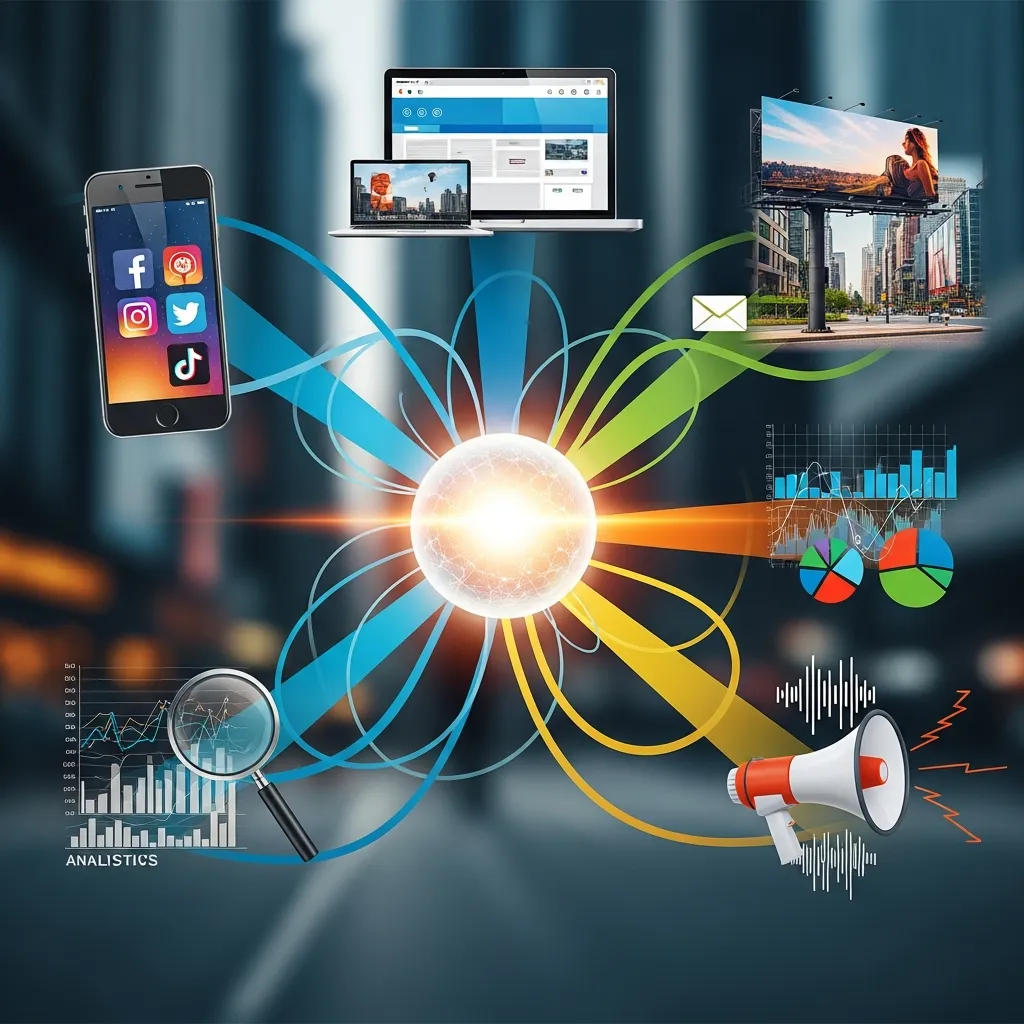 The most resilient marketing plans do not force a choice between digital and physical media. Instead, they focus on how traditional and digital channels complement each other. Integrating traditional and digital marketing ensures that a brand remains visible at every touchpoint of the consumer journey.
Examples of successful integrated campaigns are everywhere. A company might launch a television commercial that features a unique, catchy hashtag. Viewers then go to social media to join the conversation, turning a broadcast ad into a trending digital topic. Another business might mail a physical catalog to homes, featuring QR codes next to popular items. Customers scan the code to instantly purchase the product on their mobile phones. According to data from Statista, global spending on out-of-home advertising continues to climb, largely because digital screens and programmatic buying have made it easier to merge offline visibility with online data.
Measuring the ROI of traditional marketing efforts is much easier when integrated properly. Marketers use custom vanity URLs, dedicated landing pages, and specific promotional codes exclusively in their offline materials. This bridges the measurement gap, allowing businesses to see exactly how much digital traffic their physical advertisements are generating.
Rethinking Your Marketing Strategy
The enduring value of traditional marketing channels is clear. While digital platforms offer precision and speed, offline media provides the trust, mass reach, and physical tangibility required to build a truly memorable brand. Print publications, broadcast media, and out-of-home advertising create a sense of legitimacy that digital clicks cannot replicate.
Strategic implementation is the key to success. You do not need to abandon your digital efforts; rather, you should look for ways to enhance them with physical touchpoints. A well-placed billboard or a carefully crafted direct mail piece might be the exact catalyst needed to capture a new segment of your market.
Take time to review your current promotional budget. Identify gaps in your local visibility and consider integrating a traditional traditional advertising campaign into your broader strategy to build lasting trust and drive sustainable business growth.



[…] Businesses interested in understanding the broader role of offline promotion can also explore this traditional marketing channels guide. […]