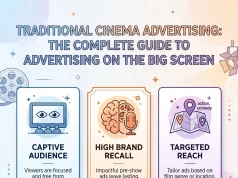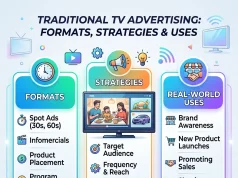
Traditional advertising uses offline channels like TV, radio, newspapers, magazines, billboards, and direct mail to promote products or services. It helps businesses build brand awareness, reach broad audiences, and establish credibility through familiar media formats.
A Brief History of Offline Marketing
The concept of promoting goods and services offline dates back to ancient civilizations. Merchants in ancient Egypt used papyrus to create sales messages and wall posters. During the Middle Ages, town criers walked through the streets announcing the sale of goods and important public news. These early methods laid the groundwork for public communication and commerce.
A massive shift occurred in the 15th century with the invention of the printing press. Suddenly, handbills and basic newspapers could be produced at scale. This technological leap allowed merchants to reach far more people than a single town crier ever could. By the 18th and 19th centuries, newspaper advertisements became a standard business practice.
The 20th century ushered in the golden age of traditional advertising. Radio broadcasts brought branded jingles directly into living rooms, creating a shared cultural experience. Soon after, television revolutionized the industry entirely. Brands could pair moving images with compelling audio, leading to iconic campaigns that defined consumer culture. Agencies flourished, and offline media became the undisputed king of commerce.
The Evolving Landscape
The arrival of the internet drastically altered the advertising ecosystem. Marketers gained the ability to track exact clicks, monitor user behavior, and target highly specific demographic segments. Digital platforms offered an unprecedented level of measurement. Consequently, brands shifted massive portions of their budgets away from offline channels and poured them into search engines and social media.
This digital disruption forced traditional channels to evolve. Print publications shrank in physical size or moved online. Television networks faced competition from streaming services, prompting a shift in how commercials were packaged and sold. For a time, critics declared that offline media was obsolete.
However, the complete digital takeover never happened. Consumers began feeling overwhelmed by the sheer volume of online messaging. They craved authentic, non-intrusive experiences. Traditional media adapted by offering higher-quality placements and finding ways to work alongside digital campaigns rather than competing against them.
Types of Traditional Advertising
 Offline marketing relies on several distinct channels to deliver messages. Each type offers a unique way to capture attention and communicate value.
Print Media
Print media includes newspapers, magazines, brochures, and local newsletters. Advertisers buy space based on the publication’s circulation and reader demographics. Magazines often cater to highly specific interests, allowing brands to reach dedicated enthusiasts. Newspapers offer broad, localized reach, making them ideal for regional business announcements. Readers tend to engage with print media deeply, spending focused time reading articles and scanning the accompanying promotions.
Broadcast Media
Television and radio form the core of broadcast media. These channels push content to a mass audience simultaneously. Television commercials remain one of the most powerful tools for storytelling, allowing brands to evoke strong emotions through sight and sound. Radio ads target listeners during specific routines, such as morning commutes. Audio messaging builds familiarity through repetition and catchy slogans.
Out-of-Home (OOH)
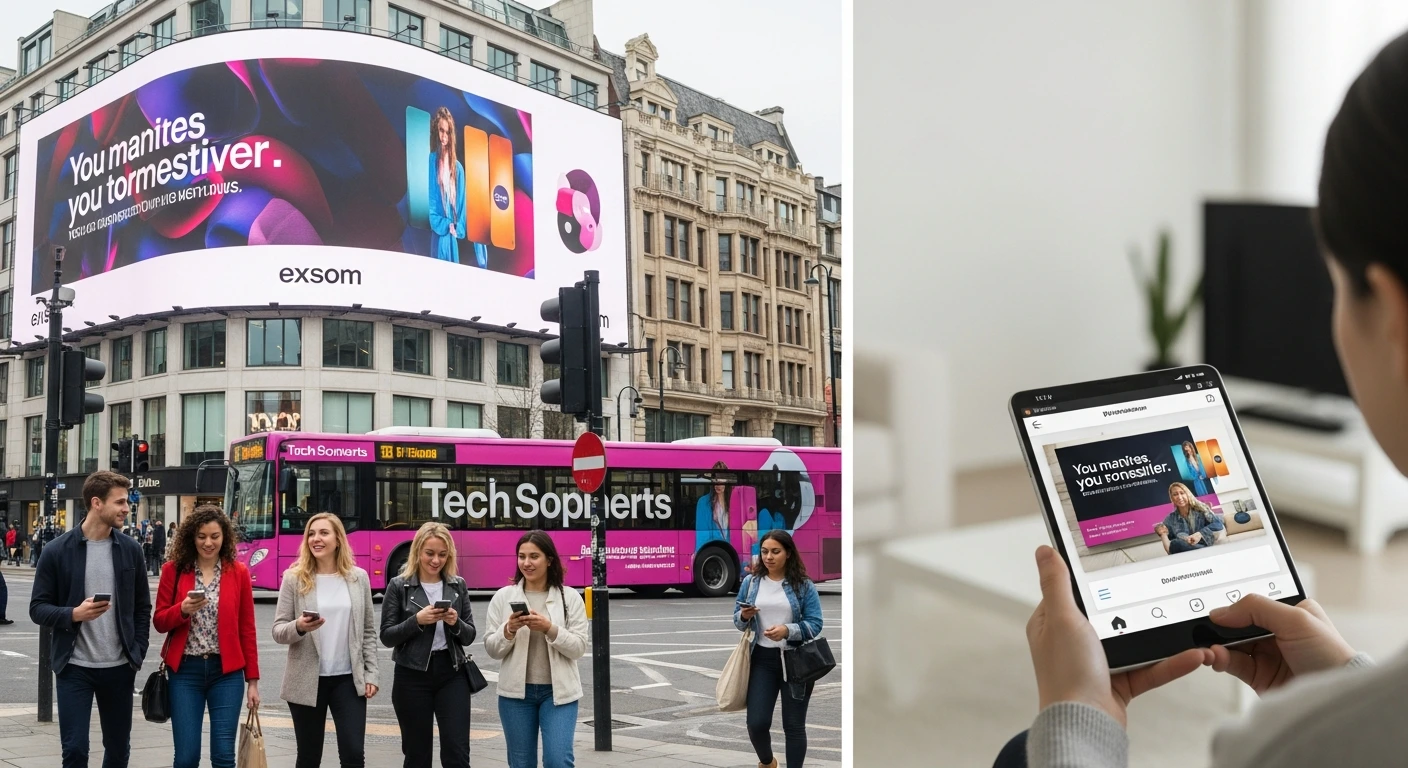
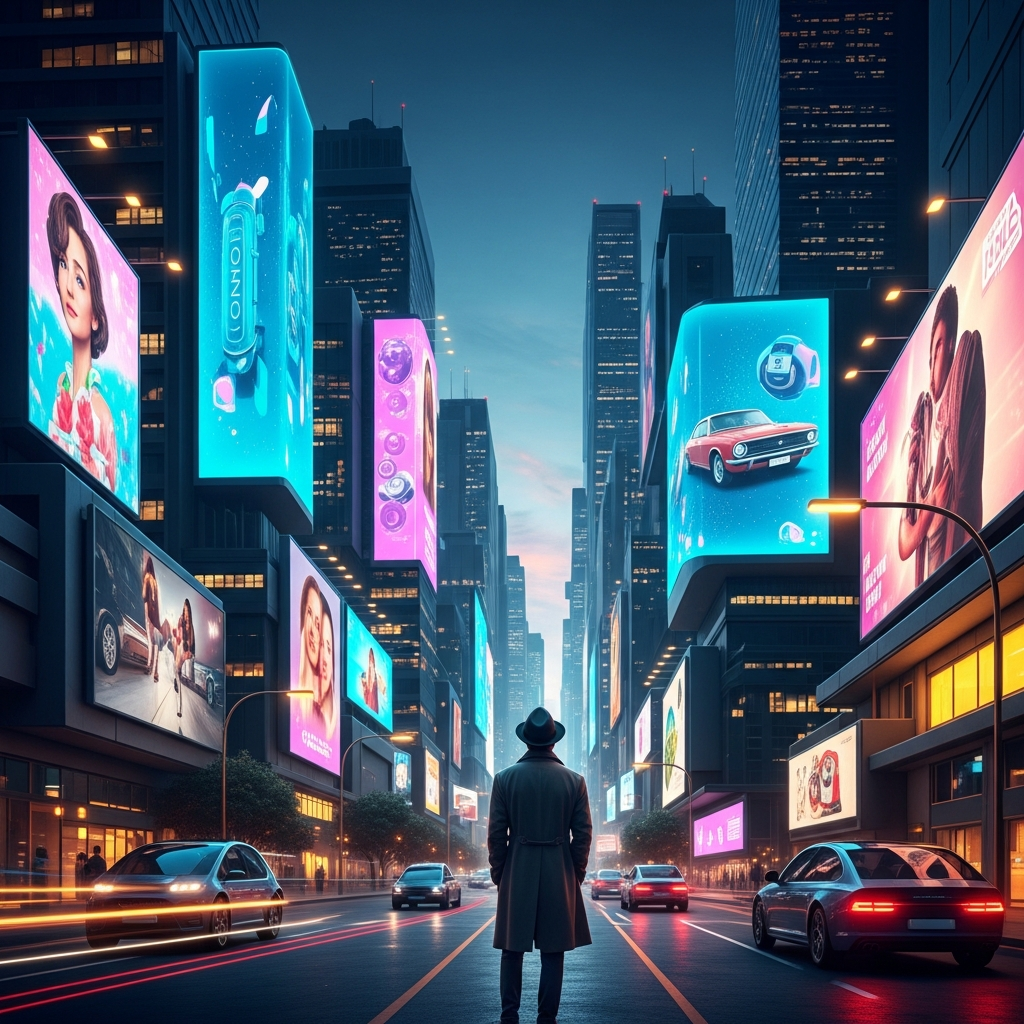
Out-of-home media captures consumers while they navigate the physical world. This category includes highway billboards, transit posters on buses, subway advertisements, and digital displays in shopping malls. OOH marketing provides massive, unskippable visibility. Commuters pass the same billboards every day, which solidifies brand recall. Modern digital billboards even allow advertisers to change messages based on the time of day or the weather.
Direct Mail
Direct mail places a physical piece of marketing material directly into a consumer’s hands. Brands send catalogs, postcards, and personalized letters to specific residential addresses. Physical mail boasts an incredibly high open rate compared to promotional emails. A well-designed catalog can sit on a coffee table for weeks, providing continuous brand exposure. For a comprehensive look at maximizing these campaigns, check out this direct mail marketing guide.
The Advantages of Going Offline
 Despite the dominance of digital marketing, offline strategies retain several undeniable benefits that keep major brands investing heavily in them.
High credibility is a major factor. Consumers generally trust offline media more than digital formats. According to global research by Nielsen, television, radio, and print advertisements consistently rank among the most trusted ad formats. Anyone can buy a cheap social media ad, but securing a prime-time television spot or a massive billboard signals stability and authority.
Massive reach is another critical advantage. Broadcast media and prominent billboards guarantee that thousands, or even millions, of eyes will see a campaign. This broad exposure is highly effective during the early stages of the customer journey. Leveraging the traditional marketing awareness stage helps businesses establish a firm presence in local or national markets.
Finally, tangibility leaves a lasting psychological impact. Holding a thick, glossy magazine or a beautifully printed postcard engages the senses. Physical objects are memorable. They exist in the real world and cannot be dismissed with a single click or hidden by a browser extension.
The Disadvantages You Must Consider
While offline marketing is powerful, it carries distinct challenges that require careful planning and budget management.
The barrier to entry is often steep. Producing a high-quality television commercial requires hiring actors, securing filming locations, and paying hefty broadcasting fees. Renting a billboard in a major metropolitan area costs thousands of dollars a month. These expenses can exclude smaller businesses from utilizing certain offline channels.
Targeting limitations also pose a challenge. When you buy a radio ad, you know the general demographic of the station’s listeners. You cannot, however, guarantee that every listener is interested in your specific product. Traditional campaigns cast a wide net, meaning a portion of the budget is inevitably spent reaching people outside your target market.
Measuring return on investment (ROI) is notoriously difficult. If a customer walks into a store, it is hard to pinpoint whether they came because of a radio ad, a billboard, or a recommendation from a friend. Marketers have to rely on complex modeling and indirect metrics to track traditional marketing effectiveness.
Integrating Traditional and Digital
The most successful modern brands do not choose between digital and offline marketing. They combine them to create a seamless customer experience. This omnichannel approach ensures that a brand remains visible regardless of where the consumer spends their time.
Using physical media to drive digital action is a highly effective tactic. Marketers frequently place QR codes on transit posters and direct mail pieces. A consumer can scan the code with their smartphone to instantly access a digital landing page, sign up for a newsletter, or receive a discount. This provides the tangibility of print with the trackability of a digital click.
Television and radio ads frequently feature custom hashtags to encourage social media discussions. Brands launch a television commercial and simultaneously run targeted mobile ads to users in the same geographic area. By integrating traditional and digital marketing, businesses amplify their overall message. The offline ad creates broad awareness, and the digital ad captures the immediate conversion.
 Offline marketing is not disappearing; it is simply adapting to new consumer behaviors and technological advancements.
The line between physical and digital media is blurring. Digital out-of-home (DOOH) advertising is growing rapidly. According to market data from Statista, global spending on DOOH advertising continues to climb year over year. These digital billboards allow brands to rotate messages dynamically, swap creatives based on the weather, and buy ad space programmatically.
Print publications are focusing on high-quality, premium experiences. As cheap newsprint fades, niche magazines with excellent production values are thriving. They offer readers a luxurious, tactile escape from screen time. Television is evolving through connected TV (CTV) and streaming platforms, bringing more precise targeting capabilities to the broadcast model. Traditional marketing will persist because physical human experiences remain a vital part of daily life.