
In today’s competitive marketplace, brands seeking to distinguish themselves must look beyond screens and feeds. Branded Merchandise Marketing offers a tangible route to embed your identity in the daily routines of prospects and clients. By thoughtfully selecting, designing, and sharing promotional items, businesses can foster genuine connections that digital tactics alone may struggle to achieve. Currently, consumers interact with countless ads online, yet only physical objects leave a lasting impression. This year (2026), smart marketers recognize the enduring power of well-crafted giveaways to reinforce loyalty, boost recognition, and generate positive word of mouth.
As you explore this guide, you’ll learn how to harness the full potential of offline brand promotion. From pinpointing products that align with your audience’s lifestyle to mastering distribution channels that maximize reach, each element plays a critical role in executing a successful branded merchandise strategy. We’ll also examine design best practices, offer cost-saving tips, and highlight methods for measuring the impact of your efforts. Whether you’re launching a startup, running a nonprofit, or managing a global enterprise, these insights will help you integrate promotional products seamlessly into your overarching marketing plan.
By the end of this article, you’ll have a clear blueprint for leveraging branded merchandise to amplify brand awareness, foster customer loyalty, and drive sustainable growth. Let’s dive into the fundamentals of creating memorable, impactful promotional campaigns that resonate offline.
Understanding the Power and Advantages of Branded Merchandise Marketing
Branded merchandise, often referred to as promotional products or corporate swag, encompasses any physical item adorned with a company’s logo, tagline, or custom artwork. From sleek USB drives to eco-friendly tote bags, these items serve as walking billboards that accompany recipients in their everyday activities. In today’s digital landscape, where attention is fragmented, tangible assets cut through the noise by delivering real-world value.
When recipients use or display promotional items, they become ambassadors for your brand—spreading awareness without additional media spend. Research from the Promotional Products Association International (PPAI) indicates that 85% of consumers recall the advertiser after receiving a branded gift. That tangible connection triggers memory pathways more effectively than fleeting digital adverts.
Branded Merchandise Marketing is particularly potent because it bridges the gap between utility and promotion. People don’t discard a reliable water bottle or a well-made notebook; they integrate it into their routines. Each encounter reinforces your logo and message, generating repeated impressions over weeks or months. This ongoing exposure significantly lowers the cost per impression compared to many paid digital channels, making promotional products a cost-conscious choice for marketers on varied budgets.
Investing in tangible giveaways delivers several strategic advantages that complement your online efforts. First, physical items foster stronger emotional bonds. When someone receives a high-quality gift—be it a thermal mug or a branded power bank—they experience goodwill that translates into favorable brand perception. This emotional resonance can boost customer satisfaction scores and loyalty rates.
Second, promotional products offer remarkable longevity. A study from the Advertising Specialty Institute (ASI) shows that promotional items remain in a recipient’s possession for an average of six months. During that period, your brand benefits from continuous exposure, far outlasting a typical banner ad or sponsored post. In practical terms, a set of custom pens distributed at an event can circulate on desks, in homes, and in offices long after the initial giveaway, multiplying impressions without extra spend.
Third, branded merchandise enhances word-of-mouth referrals. When clients or prospects receive a unique or useful promotional item, they often share it with friends, family, or colleagues. That peer-to-peer recommendation carries more credibility than many official marketing messages. By contrast, digital ads may be dismissed or blocked entirely by ad blockers.
Finally, promotional products empower niche targeting. Whether you’re engaging loyal customers, prospective leads at trade shows, or employees during corporate gatherings, you can tailor the item’s design, utility, and messaging to suit specific segments. This level of customization ensures that your giveaways resonate meaningfully with each audience group.
Selecting Products that Resonate with Your Audience

Choosing the right promotional item begins with a deep understanding of your target demographic and their daily habits. Utility is paramount: recipients should see genuine value in retaining and using the product. For tech-savvy professionals, high-capacity power banks or branded wireless chargers can be lifesavers. If your audience is health-conscious, consider personalized fitness trackers or reusable water bottles made from sustainable materials.
Relevance to your industry also amplifies impact. For example, a culinary brand might distribute branded aprons or insulated lunch bags, while an educational institution could offer custom notebooks or flash drives loaded with valuable learning resources. When the item mirrors the recipient’s passions or work, it elevates the gift from a novelty to a necessity.
Quality cannot be overlooked. While low-cost, generic giveaways may seem budget-friendly initially, they risk breaking or showing wear quickly, reflecting poorly on your brand. Conversely, premium items—though more expensive per unit—tend to sustain positive impressions over longer periods. Balancing cost against expected usage helps to optimize return on investment (ROI). You might negotiate tiered pricing with suppliers to secure discounts at higher volumes, ensuring that quality remains high without exceeding budget constraints.
Lastly, sustainability is increasingly influencing purchase and retention behaviors. In today’s eco-conscious climate, promotional products crafted from recycled or biodegradable materials showcase your brand’s commitment to environmental responsibility. This approach not only appeals to green-minded consumers but also enhances your corporate social responsibility profile. For additional guidelines on sustainable practices, refer to resources from the U.S. Environmental Protection Agency: epa.gov.
Design Principles for Memorable Branded Merchandise
An effective design transforms a simple giveaway into a powerful branding tool. Start by placing your logo strategically: it should be visible but not overpowering. Consider negative space and the natural handling points of the product—for instance, the front of a tote bag or the cap of a pen. By studying how recipients interact with the item, you can position graphics in areas that attract the eye most frequently.
Color selection further reinforces brand recall. Adhering to your official palette ensures consistency across all marketing channels. If your brand colors are bold, a monochrome imprint on a neutral-colored product can create striking contrast. Conversely, multicolor logos on light backgrounds maintain vibrancy without overwhelming the design. Remember that certain printing methods, like screen printing or pad printing, may have limitations on color blends; consult your vendor to confirm feasibility.
Concise messaging elevates functional items into marketing assets. If space allows, integrate a brief tagline or call to action that complements your brand voice. For instance, a portable notebook might feature “Capture Ideas. Ignite Innovation.” Such a phrase not only aligns with the product’s purpose but also subtly nudges recipients toward engaging further with your brand.
Material selection also plays a crucial role. Leather accents on tech pouches convey luxury, while bamboo components signal eco-friendly values. Different textures and finishes—matte, gloss, or embossed—enhance tactile appeal and perceived value. For insights on choosing durable materials that resonate with consumers, consider research from the American Marketing Association: ama.org.
Distribution Tactics to Amplify Impact
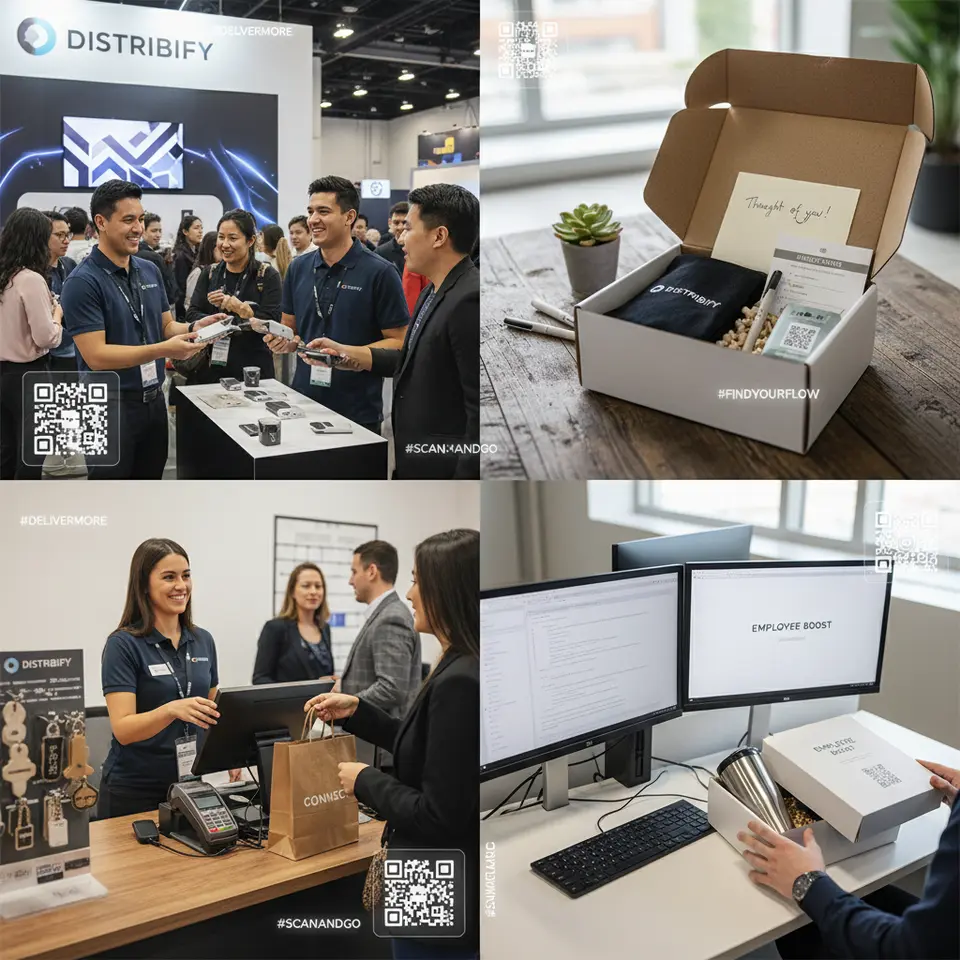
How you share promotional products determines the breadth and depth of their influence. Trade shows and industry conferences remain prime venues: handing out branded items at your booth encourages foot traffic and sparks conversations. Offering a desirable giveaway—such as a sleek power bank—can serve as a lead magnet, driving attendees to exchange contact information or participate in product demos.
In-store distribution applies to retailers and service providers alike. By attaching a complimentary gift to qualifying purchases, you incentivize transactions and foster repeat visits. Imagine a boutique offering a custom keychain with every purchase above a threshold; customers walk away with both their new item and a lasting reminder of your brand.
Direct mail campaigns add a personal touch to B2C and B2B outreach. Sending a curated package with a handwritten note and carefully selected swag communicates appreciation and attention to detail. Coordinate the gift selection with seasonal themes or upcoming product launches to make the unboxing experience timely and memorable.
Corporate gifting strengthens partnerships and employee relations. In B2B contexts, sending high-quality branded merchandise to clients or vendors demonstrates professionalism and gratitude. Internally, recognizing team achievements with custom awards or branded apparel boosts morale and unity.
For maximum synergy, integrate offline efforts with digital channels. Include QR codes on items directing users to exclusive landing pages or tutorials. Promote social media contests encouraging recipients to post photos of themselves using the merchandise with a branded hashtag. Follow up with email sequences that thank participants and offer additional incentives, driving ongoing engagement.
Frequently Asked Questions
How do I measure the ROI of promotional products? You can track redemption codes, include unique URLs or QR codes on items, survey recipients post-distribution, and analyze repeat sales uplift among gift recipients. Combining these metrics offers a comprehensive view of campaign performance and cost per impression.
What types of branded merchandise generate the highest engagement? Utility-driven items such as power banks, reusable drinkware, and tech accessories often see the longest usage, translating to repeated brand exposure. Sustainable products—like bamboo utensils or recycled tote bags—also resonate strongly with eco-conscious audiences.
How can I ensure my promotional products align with sustainability goals? Partner with suppliers that offer eco-friendly materials and certifications. Opt for recycled, biodegradable, or responsibly sourced components. Clearly communicate your sustainability practices in your marketing materials to reinforce your commitment.
Conclusion
Branded Merchandise Marketing remains an indispensable component of a holistic promotional strategy in today’s dynamic environment. By selecting items that align with audience preferences, applying thoughtful design principles, and deploying strategic distribution methods, businesses can amplify brand recognition, foster customer loyalty, and achieve measurable ROI. Remember to incorporate sustainability and quality to reinforce a positive brand image and extend the lifespan of your giveaways.
Measuring campaign effectiveness—through redemption codes, surveys, repeat sales analysis, and social media tracking—provides valuable insights for continuous improvement. As you plan your next branded merchandise initiative, integrate offline tactics with digital follow-ups to create a seamless omnichannel experience. With a well-orchestrated approach, promotional products will elevate your brand presence throughout this year (2026) and beyond, delivering enduring value in the hands of your audience.