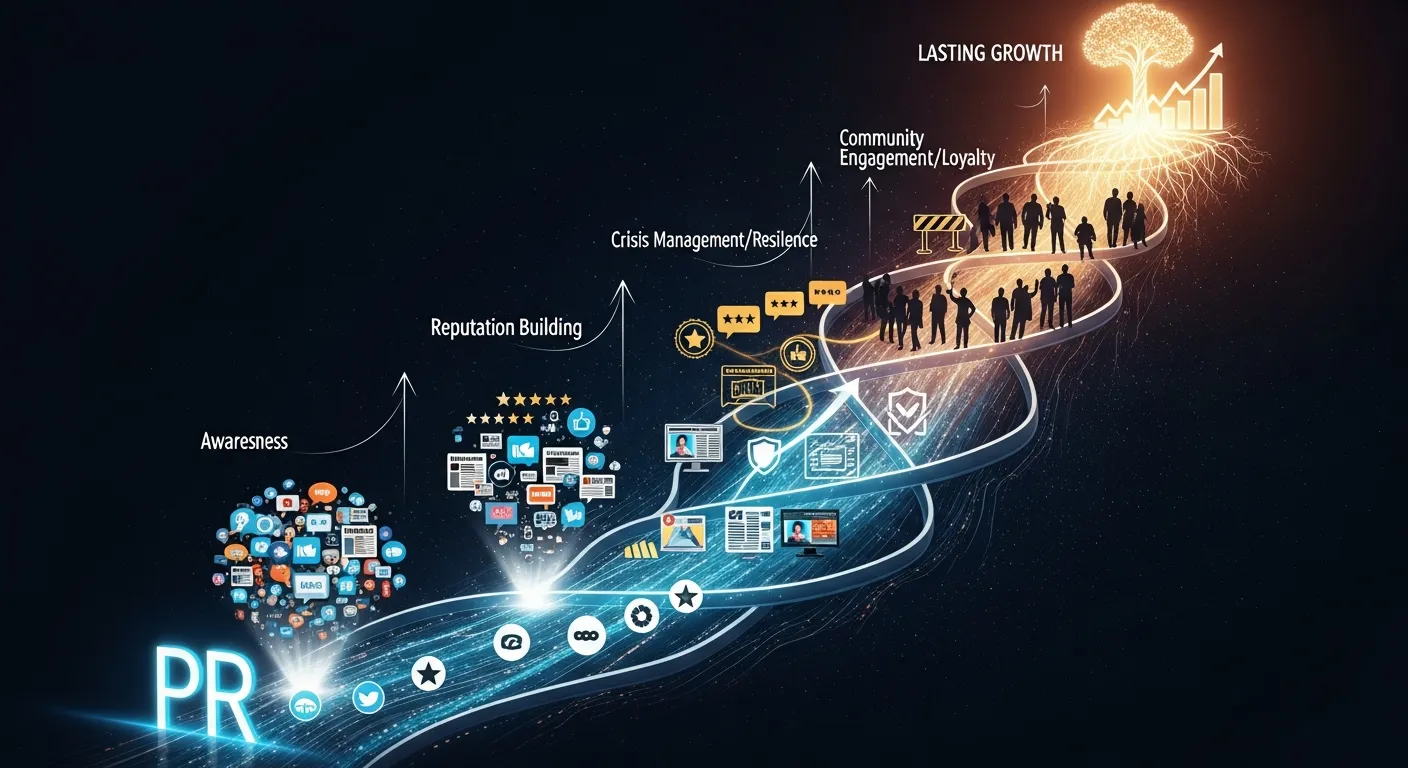
Brand Public Relations focuses on building and maintaining a positive public image for a company or organization through strategic communication, media relations, storytelling, and reputation management. It helps businesses strengthen trust, manage crises effectively, and create meaningful connections with their target audience. Strong brand PR ensures consistent messaging across all channels, enhancing credibility and long-term brand value.
A great product alone cannot secure long-term business success. Customers look closely at the reputation, values, and visibility of the companies they buy from. They want to trust the organizations behind the items they purchase. This is exactly where brand public relations becomes an essential driver of growth.
Brand public relations goes beyond simply writing press releases or handling media requests. It functions as the heartbeat of your company’s public identity. By intentionally shaping how the public perceives your business, you create a foundation of trust that advertising dollars cannot buy. A strong public relations strategy protects your company during difficult times and amplifies your success during peak seasons.
In today’s fast-moving digital world, brand public relations also plays a critical role in managing conversations across social media, news platforms, and online communities. A single story can spread rapidly, making it essential for businesses to maintain consistent messaging and proactive communication. Companies that invest in strong PR practices are better equipped to respond to public feedback, handle crises, and build long-term credibility.
Beyond visibility, effective brand public relations helps humanize a company. It allows businesses to share their mission, values, achievements, and even challenges in a transparent and relatable way. This emotional connection strengthens customer loyalty and differentiates a brand in a highly competitive marketplace.
This comprehensive guide examines the essential pillars of brand public relations. You will learn how to craft a compelling narrative, manage modern media relations, and integrate your PR strategy with broader marketing efforts to build a resilient, highly visible company that can thrive in both stable and challenging market conditions.
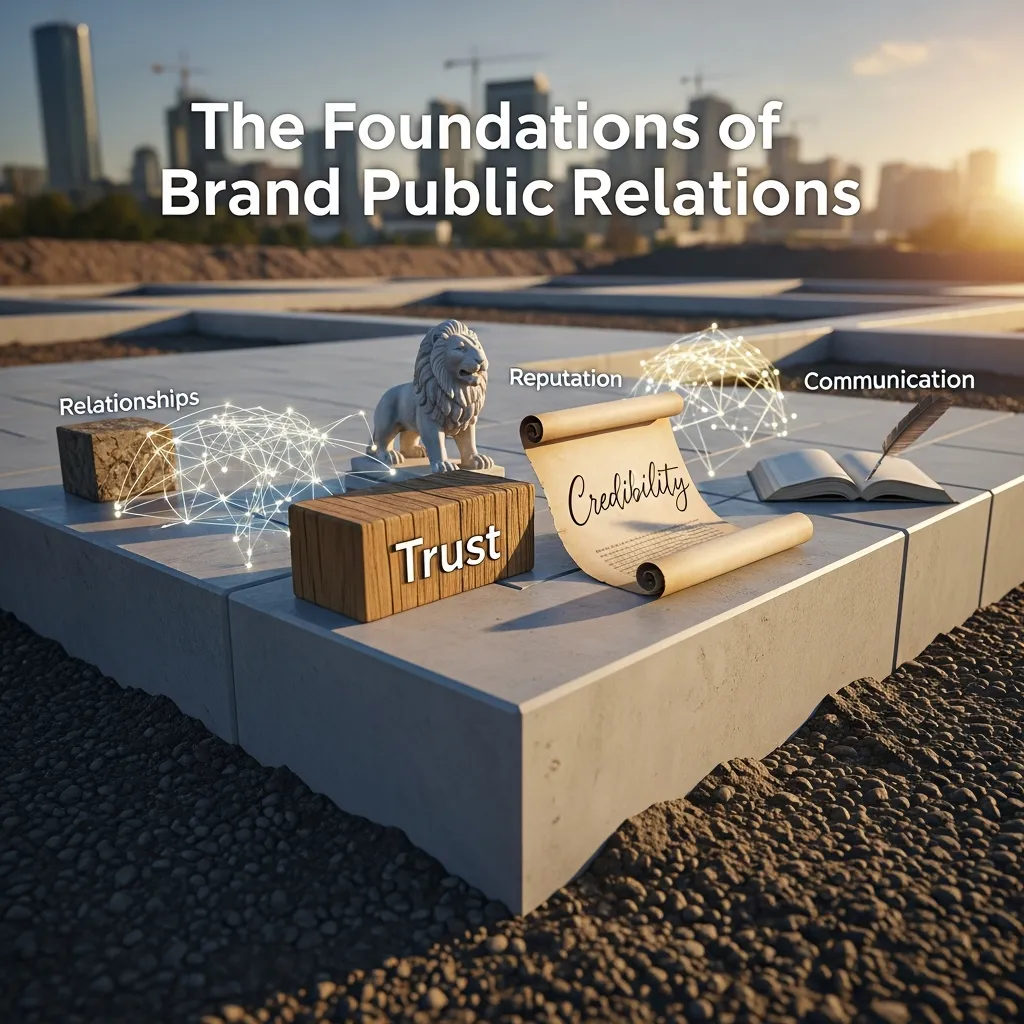
The Foundations of Brand Public Relations
 Defining the Concept
Brand public relations is the strategic communication process that builds mutually beneficial relationships between organizations and their public audiences. It involves managing the spread of information between an individual or an organization and the public. Unlike direct advertising, which pays for visibility, brand public relations focuses on earning visibility through credible third-party sources, community engagement, and authentic storytelling.
Shaping Perception and Reputation
Perception often dictates reality in the consumer market. How people view your brand directly influences their purchasing decisions. Brand public relations shapes this perception by consistently highlighting your company’s strengths, values, and contributions to the community. When a business actively manages its reputation, it establishes a buffer of goodwill. This goodwill becomes critical when navigating challenges, as customers are far more likely to forgive a trusted brand for a minor misstep than an unknown entity.
The Evolution from Traditional to Digital
The landscape of brand public relations has shifted dramatically. Decades ago, PR professionals relied almost entirely on print newspapers, radio spots, and television broadcasts. The digital age transformed this dynamic. Today, brand public relations encompasses search engine visibility, social media influencer partnerships, and online reputation management. Real-time communication allows businesses to speak directly to consumers, making PR an active dialogue rather than a one-way broadcast.
The Pillars of Effective Brand Public Relations
Crafting a Compelling Brand Narrative
Stories stick in the human memory much longer than statistics. Identifying your brand’s unique story and values is the first step in any successful campaign. You must articulate why your company exists, beyond simply making a profit. What problems do you solve? What communities do you support? Once you define this narrative, you must maintain strict consistency in messaging across all platforms. A customer reading your website should feel the exact same brand personality as a journalist reading your press release.
Media Relations in the Modern Age
Journalists receive thousands of pitches every week. Standing out requires building genuine relationships with media professionals and influencers long before you actually need their help. Effective media outreach involves researching a journalist’s previous work and tailoring your pitch to fit their specific audience.
Navigating the 24/7 news cycle also requires speed and precision. When a relevant industry trend breaks, your brand public relations team must be ready to offer expert commentary immediately. Securing these rapid-response media placements establishes your company executives as industry thought leaders.
Crisis Management and Reputation Protection
No business is immune to mistakes or external crises. Developing a proactive crisis communication plan is non-negotiable. This plan outlines exactly who speaks for the company, how information is distributed, and what immediate steps will be taken to address the issue.
Rapid response strategies are essential for maintaining brand integrity. Silence during a crisis breeds suspicion. Companies must communicate transparently and frequently. For comprehensive guidance on navigating difficult situations, you can review Harvard Business Review’s insights on crisis communication. Learning from historical case studies shows that taking immediate accountability drastically reduces long-term reputation damage.
Integrating Brand Public Relations With Marketing
 Synergy With Digital Marketing
Brand public relations and marketing share the ultimate goal of driving business growth. Understanding how uniting marketing and PR amplifies your reach is critical. Earned media directly supports Search Engine Optimization (SEO). When a reputable news outlet links to your website, search engines view your site as more authoritative, which boosts your organic rankings.
Social media serves as a powerful PR tool for engagement, listening, and rapid response. It allows PR teams to monitor brand sentiment in real-time. Content marketing and thought leadership pieces, such as whitepapers or research reports, provide the perfect material for PR professionals to pitch to industry publications.
The Role of Events and Sponsorships
Live interactions leave a lasting impact on consumers. Creating physical brand experiences bridges the gap between digital messaging and real-world connection. You can read more about executing these strategies in our guide to public relations events marketing.
Aligning your company with relevant causes and communities through sponsorships also generates highly positive brand public relations. Sponsoring a local charity run or an industry conference shows that your business actively invests in its community.
Measuring the Impact
Brand public relations is highly measurable if you track the right data. Key performance indicators (KPIs) for PR success include share of voice, website referral traffic from media mentions, and overall brand sentiment. Modern tools allow teams to track the exact reach of a press mention and analyze whether the public reaction was positive, negative, or neutral.
Strategies for Building a Strong PR Foundation
Internal Communications
Your employees are your most powerful brand ambassadors. Fostering a culture of transparency and advocacy starts internally. If your team does not believe in the company narrative, the public certainly will not. Effective employee engagement strategies involve keeping staff informed about major company news before it hits the press. When employees feel valued and informed, they naturally share positive company updates on their own professional networks.
Stakeholder Engagement
Communicating effectively with investors, partners, and customers requires tailored messaging. Investors care about stability and growth, while customers care about value and reliability. Building trust and long-term relationships with these distinct groups requires consistent, honest communication. Regular newsletters, quarterly town halls, and transparent annual reports keep all stakeholders aligned with the company’s vision.
Ethical Considerations
Trust takes years to build and seconds to destroy. Transparency, honesty, and accountability form the bedrock of ethical brand public relations. Companies must avoid deceptive practices, particularly “greenwashing,” which involves making misleading claims about the environmental benefits of a product. Consumers are highly educated and will quickly publicly expose brands that fabricate their social or environmental impact.
Advanced Tactics in Brand Public Relations
Influencer Marketing and Collaborations
Influencers carry immense sway over their dedicated audiences. Identifying the right influencers for your brand involves looking beyond simple follower counts. You must find creators whose core values align perfectly with your own. Building authentic partnerships, rather than engaging in purely transactional sponsorships, results in far more credible brand public relations. When an influencer genuinely loves your product, their audience recognizes that authenticity.
Storytelling Through Multimedia
Press releases no longer have to be simple text documents. Modern brand public relations utilizes video, podcasts, and interactive content to capture attention. Visual PR assets, such as high-quality infographics or behind-the-scenes factory tours, are highly shareable. Physical touchpoints also play a role in advanced storytelling. Distributing thoughtful physical items can reinforce your message, a tactic detailed in our branded merchandise marketing guide.
Global PR Strategies
Expanding into new markets requires careful cultural consideration. Adapting your strategies for different cultural contexts prevents messaging missteps. Managing international media relations involves understanding local media consumption habits, respecting regional holidays, and translating your core brand narrative into concepts that resonate globally.
Future Trends in Brand Public Relations
The Impact of AI and Automation
Artificial intelligence is streamlining the PR workflow. Automation tools now handle routine media monitoring, allowing PR professionals to focus on high-level strategy and relationship building. AI assists in identifying emerging trends and predicting potential reputation risks before they escalate.
Personalization and Hyper-Targeting
Generic mass emails to journalists are highly ineffective. The future of brand public relations relies on hyper-targeting. Data analytics allow PR teams to pitch highly specific stories to niche publications that speak directly to an ideal buyer persona. This personalization increases the likelihood of securing valuable media coverage.
Corporate Social Responsibility (CSR)
Consumers expect companies to take a stand on important issues. The importance of corporate social responsibility and sustainability continues to grow. According to resources from the Public Relations Society of America (PRSA), modern consumers use a company’s ethical footprint as a primary filter for their purchasing decisions. Companies that actively contribute to societal well-being generate the strongest brand public relations.
 Brand public relations requires patience, consistency, and a deep understanding of your audience. By crafting a clear narrative, engaging authentically with the media, and integrating your PR efforts with your broader marketing strategies, you build an unshakeable corporate reputation.