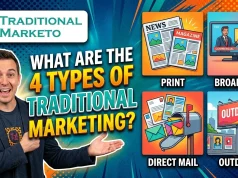
Traditional marketing effectiveness measures how well offline campaigns generate results like sales, leads, and brand awareness. Using tools like surveys, promo tracking, and feedback, businesses can evaluate performance and improve strategies for better long-term marketing success and growth.
Key Traditional Marketing Channels and Their Measurement
To understand offline advertising performance, you first need to look at the individual channels. Each medium requires specific tracking techniques to measure traditional marketing effectiveness accurately.
Print Advertising (Newspapers, Magazines)
Print advertising remains a staple for reaching localized or highly targeted demographic groups. Magazines cater to niche interests, while newspapers offer broad local reach.
To measure print campaigns, marketers look at circulation and readership numbers. Circulation refers to the number of copies distributed, while readership estimates how many people actually view those copies. However, these metrics only show potential reach. To gauge actual traditional marketing effectiveness, businesses use coupon redemption rates and direct inquiries. Including a specific promotional code or a dedicated phone number in a print ad allows you to track exactly how many leads or sales originated from that specific publication.
The main challenge with print is the delay in response. Someone might keep a magazine for months before acting on an ad. Solutions include using longer attribution windows and tracking dedicated landing page URLs printed in the ad.
Broadcast Media (TV, Radio)
Television and radio commercials offer massive audience reach and the ability to build strong emotional connections through audio and visual storytelling.
Metrics for broadcast media start with audience reach and ratings provided by industry measurement firms. Marketers also measure ad recall through surveys to see if viewers remember the commercial. Another highly effective method is tracking website traffic spikes. If a television commercial airs at a specific time, analysts monitor web traffic during that exact window to see if there is a corresponding surge in visitors.
Attribution models for broadcast campaigns often rely on probabilistic data. By analyzing the time an ad aired and correlating it with immediate sales or lead generation spikes, businesses can estimate the traditional marketing effectiveness of their broadcast spend.
Direct Mail
Direct mail offers a highly tactile experience that stands out in a crowded digital landscape. Physical letters, postcards, and catalogs are delivered straight to a consumer’s hands.
The primary metrics for direct mail include response rates, conversion rates, and overall ROI. Because direct mail is sent to a specific list of addresses, it is one of the easiest offline channels to track. Every piece of mail can include a unique tracking code or a personalized URL.
To improve traditional marketing effectiveness in direct mail, marketers heavily rely on segmenting and testing. By dividing a mailing list into smaller segments, you can test different headlines, offers, or designs. This reveals which combination generates the highest response rate, allowing you to optimize future mailings.
Out-of-Home (OOH) Advertising (Billboards, Posters)
Out-of-home advertising captures consumers while they commute, shop, or travel. Billboards, transit posters, and digital signage are excellent for building broad brand awareness.
Historically, measuring OOH relied on impressions estimated by local traffic authorities. Today, foot traffic analysis provides much deeper insights. By partnering with data providers, companies can see if mobile devices exposed to a billboard later visited a physical store location. Brand awareness surveys also help determine if a billboard campaign lifted overall brand recognition in a specific region.
Geotargeting and digital integration heavily boost the traditional marketing effectiveness of OOH ads. Mobile ads can be served to individuals who recently walked past a specific poster, creating a powerful multi-channel experience.
Telemarketing
Telemarketing involves direct phone outreach to potential or existing customers. While highly regulated, it remains a potent tool for B2B sales and high-ticket consumer goods.
Call conversion rates, total lead generation, and customer acquisition cost are the core metrics here. Advanced call center software records every interaction, providing immediate data on how many calls result in a sale or appointment.
Ethical considerations and regulatory compliance are critical when executing telemarketing campaigns. Strict adherence to Do Not Call registries and operational transparency are mandatory. When managed responsibly, telemarketing provides immediate feedback and high traditional marketing effectiveness.
Methodologies for Measuring Traditional Marketing Effectiveness
 Beyond channel-specific metrics, overarching methodologies help businesses evaluate their overall offline strategy.
Surveys and Questionnaires
Asking consumers directly remains one of the best ways to measure offline advertising impact. Surveys and questionnaires gather data that automated systems cannot capture.
To assess brand recall and recognition, companies ask respondents if they remember seeing specific ads or if they can identify a brand unprompted. Purchase intent and customer perception are also gauged through carefully worded questions. Understanding how an ad made a consumer feel provides qualitative data that highlights true traditional marketing effectiveness.
Focus Groups and Interviews
When you need deep, qualitative insights, focus groups and interviews are invaluable. These methods involve gathering a small group of consumers to discuss their thoughts on a brand or specific campaign.
Focus groups help marketers understand consumer behavior and the “why” behind purchasing decisions. If a traditional marketing campaign fails to resonate, an interview can uncover whether the messaging was confusing or simply unappealing.
Sales Data Analysis
The most direct way to measure traditional marketing effectiveness is by analyzing sales data.
This involves correlating sales with specific marketing campaigns. Analysts establish a baseline of normal sales activity. They then compare baseline sales to the sales generated during the campaign period. If a company runs a major radio campaign and sees a twenty percent lift in sales during that time—without any other variables changing—that lift is attributed to the radio ads.
Market Mix Modeling (MMM)
Market Mix Modeling is a statistical analysis technique that looks at historical data to determine how various marketing channels impact sales.
MMM helps businesses understand the impact of different channels working together. It isolates external factors like seasonality or economic shifts, revealing the true traditional marketing effectiveness of offline channels. This data is then used to allocate budgets for optimal effectiveness across both digital and traditional platforms.
A/B Testing
While commonly associated with digital marketing, A/B testing is highly relevant for offline channels.
Direct mail and print ads are perfect for testing different creatives or promotional offers. By splitting a target audience and sending Version A to one half and Version B to the other, businesses can measure the incremental impact of specific design choices. This scientific approach ensures that traditional marketing effectiveness constantly improves over time.
Overcoming Challenges in Measuring Traditional Marketing Effectiveness
Tracking offline advertising is not without its hurdles. Recognizing and overcoming these challenges is essential for accurate reporting.
Attribution Challenges
The modern consumer takes a multi-touchpoint customer journey. A person might hear a radio ad, see a billboard, and then finally search for the brand on their mobile phone to make a purchase.
Integrating traditional and digital data is the solution to this attribution challenge. If a business only looks at the final digital click, they completely miss the traditional marketing effectiveness that drove the initial awareness. Marketers must use holistic attribution models that give partial credit to the offline channels that initiated the customer journey.
Data Collection Limitations
Offline data collection often relies on manual tracking, which is prone to human error. Cashiers might forget to ask customers where they heard about the store, or incoming call operators might miscode a lead source.
Automated tracking mechanisms, such as unique vanity URLs and dedicated promo codes, help bridge this gap. However, comprehensive measurement comes with a cost. Investing in robust call tracking software and data analytics platforms is necessary to accurately gauge traditional marketing effectiveness.
Long-Term vs. Short-Term Impact
Traditional media is exceptional at brand building, which is a long-term play. Digital media is often geared toward short-term direct response.
Comparing the two on a short-term basis often makes traditional media look less effective. Measuring sustained traditional marketing effectiveness requires looking at metrics like lifetime customer value and long-term brand equity, rather than just immediate cost-per-acquisition.
Enhancing Traditional Marketing Effectiveness in a Modern Landscape
 Offline marketing does not exist in a vacuum. The most successful campaigns blend traditional tactics with modern digital tools.
Integration with Digital Strategies
Connecting offline ads to online actions is the easiest way to track performance. QR codes printed on direct mail or magazines allow consumers to instantly visit a website using their smartphones. Unique landing pages built specifically for a print or TV campaign ensure that any traffic arriving at that page came directly from the offline source.
Social media mentions and hashtag tracking also serve as modern indicators of traditional marketing effectiveness. If a billboard campaign features a unique hashtag, tracking its usage on social platforms provides clear evidence of audience engagement.
Personalization and Segmentation
Data-driven targeting is no longer just for digital ads. Printing technology allows for highly personalized direct mail campaigns.
Tailoring messages for specific audiences increases relevance and response rates. By using customer data to segment mailing lists, companies can send specific product catalogs to previous buyers and introductory offers to new prospects, drastically improving traditional marketing effectiveness.
The Role of Creativity and Messaging
Data and tracking are useless if the core message fails to connect. Crafting memorable campaigns requires high-quality creativity.
Traditional channels offer a physical and sensory experience that digital screens cannot replicate. Building an emotional connection through high-quality print finishes, compelling radio storytelling, or visually stunning billboards fosters deep brand loyalty. The ultimate driver of traditional marketing effectiveness is a creative message that resonates with the human experience.
Case Studies: Demonstrating Traditional Marketing Effectiveness
Real-world applications prove that offline channels still deliver massive returns when executed correctly.
Successful campaigns often involve a mix of high-impact OOH advertising paired with localized direct mail. For instance, major retail brands frequently use targeted direct mail catalogs to drive foot traffic to physical stores during peak shopping seasons. The measurement of these campaigns relies on matching the mailing addresses to the loyalty card data collected at the cash register.
The lessons learned from these effective strategies highlight the importance of clear calls to action. Every piece of offline marketing should direct the consumer exactly where to go next, whether that is a physical store location, a dedicated phone number, or a specific website URL.
The Enduring Value of Traditional Marketing and Its Measurement
 Offline advertising remains a vital component of a healthy business strategy. While digital channels offer rapid data, traditional mediums provide tangibility, local trust, and broad brand awareness that are difficult to replicate on a screen.
Understanding traditional marketing effectiveness allows businesses to confidently invest in these channels. By utilizing dedicated landing pages, unique tracking phone numbers, and advanced market mix modeling, companies can clearly see the return on their offline investments. The future of traditional marketing effectiveness relies on the seamless integration of offline creativity with robust digital tracking tools, ensuring that every marketing dollar is accounted for and optimized.