
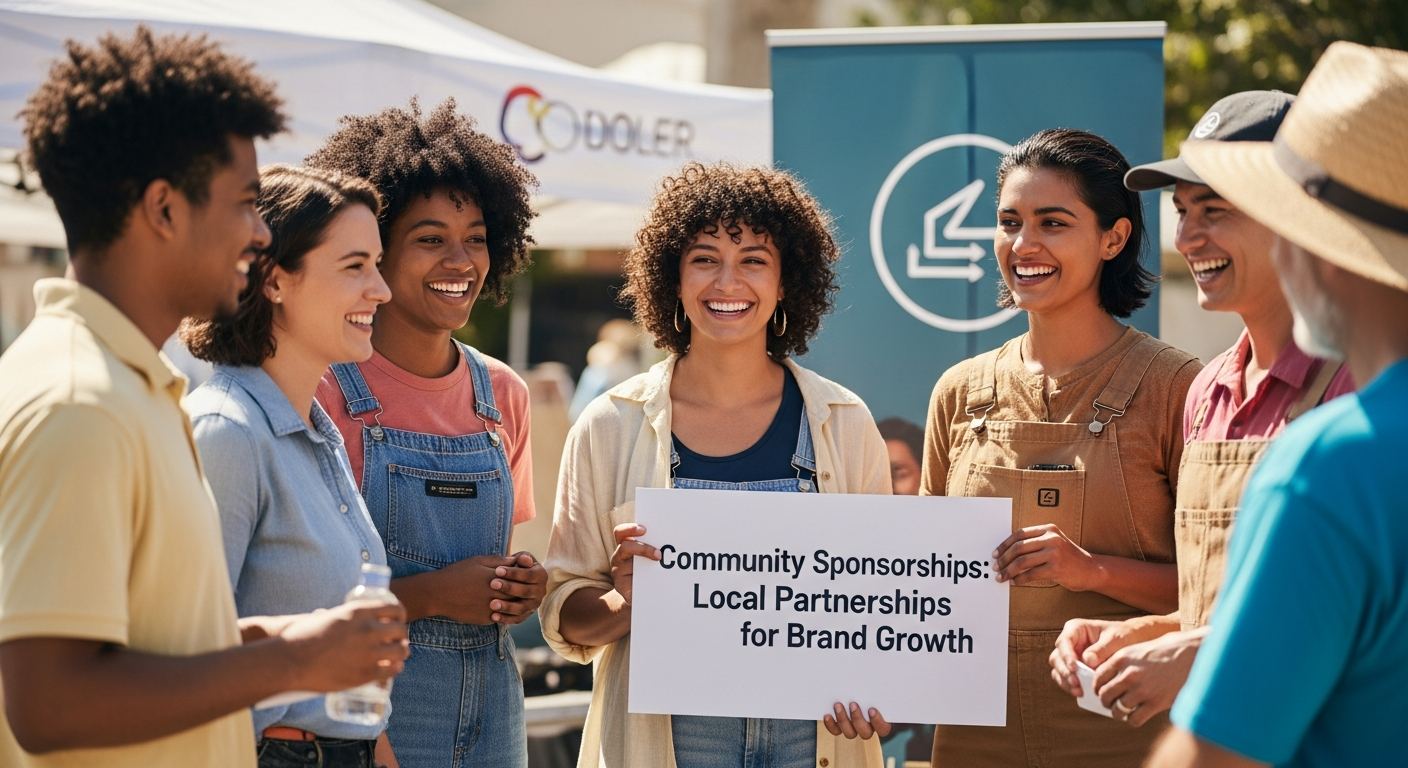
Community sponsorship marketing is a powerful traditional marketing strategy that helps businesses build strong local partnerships, increase brand visibility, and drive sustainable growth. By engaging with community events and initiatives, brands can strengthen trust, improve recognition, and create long-term customer relationships through meaningful real-world connections.
Understanding the Significance of Community Sponsorship Marketing
At its essence, community sponsorships create a two-way exchange of value: businesses support local endeavors that enrich neighborhoods, and in return, residents develop favorable sentiments toward those brands. Unlike one-way mass advertising, sponsoring community activities allows for authentic human interactions. When your logo appears on youth-sport jerseys, festival banners, or school brochures, it triggers positive emotional connections tied to shared experiences.
Psychological Impact and Trust Building
Trust in brands often hinges on perceived authenticity and social responsibility. According to research conducted by Stanford University, consumers are likelier to trust organizations demonstrating genuine commitment to causes that reflect their own values. Engaging in local sponsorships shows that you’re invested in community wellbeing, not just profit. This perceived alignment fosters emotional loyalty, which can translate into repeat purchases and word-of-mouth referrals.
Deepening Community Reputation
Community sponsorships extend beyond short-term visibility; they lay the groundwork for long-term reputation capital. As neighbors see your brand repeatedly associated with beloved events—like a charity run or a high school theater production—they begin to associate your company with stability and reliability. Over time, this positive reputation weaves into the fabric of local conversations, reinforcing brand recall when purchase decisions arise.
Micro-Targeted Engagement
Traditional sponsorships enable precision targeting at a micro level. By selecting events frequented by your ideal customer segments—families at weekend fairs, sports parents at youth leagues, or environmentally minded residents at clean-up drives—you deliver messaging to a highly relevant audience. Pairing these face-to-face interactions with digital retargeting through QR codes or social media hashtags creates a powerful one-two punch that drives top-of-mind awareness.
Synergy with Broader Marketing Mix
When combined with digital assets—such as event-specific landing pages, email newsletters, or location-based social ads—community sponsorships form a seamless omnichannel experience. Attendees discover your brand on-site, engage with your team, and then continue the conversation online. This integrated approach reinforces messaging consistency, amplifies each tactic’s impact, and optimizes budget allocation across both traditional and digital channels.
Identifying Ideal Local Partners
 Selecting the right organizations is pivotal to optimizing the ROI of community sponsorships. Not all opportunities carry equal weight. Begin by clarifying your customer persona: demographics, interests, values, and purchasing behaviors. Do your patrons favor family-centric gatherings, cultural events, or athletic meetups? Aligning with partners whose audiences overlap significantly with your target market ensures higher engagement and brand resonance.
Mapping Audience Profiles
Utilize demographic and psychographic data to craft an accurate picture of your core customers. Government resources like the U.S. Census Bureau provide granular information on income levels, age distributions, and household compositions by zip code. Supplement this with customer surveys or loyalty program insights to identify shared preferences and community involvement patterns.
Assessing Reach Versus Relevance
High attendance figures can be alluring but may not equate to quality interactions. Evaluate potential partners on two fronts: reach (number of attendees or members) and relevance (degree of emotional investment). A small charity run with highly engaged volunteers could generate more meaningful connections than a mass-market festival where attendees pass by without stopping. Prioritize events where attendees actively participate and linger.
Value Alignment and Brand Fit
Beyond audience overlap, ensure that the partner’s mission and reputation align with your brand ethos. A health-food retailer, for instance, would benefit from sponsoring a school’s wellness week more than a fast-food expo. Misaligned partnerships risk confusing customers and diluting brand positioning. Conduct thorough background checks by reviewing organizational mission statements, media coverage, and community feedback.
Engaging Local Influencers and Boards
Complement sponsorship deals by tapping into local influencers or community advisory boards. These individuals—educators, civic leaders, or popular social media figures—can vouch for your brand’s sincerity, endorse your involvement, and extend your reach. Hosting preliminary meetings or advisory sessions with these stakeholders not only refines your selection process but also lays the foundation for deeper community integration.
Crafting Comprehensive Sponsorship Agreements
 A formal sponsorship contract safeguards your interests and clarifies expectations for both parties. A meticulously drafted agreement outlines the nature of your support—whether monetary, in-kind, or volunteer-based—the duration of the partnership, specific activation rights, and performance evaluation mechanisms. This level of detail mitigates misunderstandings and ensures a smooth collaboration.
Structuring Financial and In-Kind Contributions
Sponsorship agreements often combine cash disbursements with non-monetary assets like products, services, or expertise. For example, a consulting firm might offer pro bono strategic workshops in addition to a cash donation. Accurately document the fair market value of in-kind contributions and specify delivery timelines. This clarity prevents disputes and demonstrates transparency to both internal stakeholders and the community.
Defining Deliverables and Brand Exposure
Explicitly enumerate all branding deliverables: banner placements, logo space on websites or printed materials, inclusion in press releases, and speaking slots at events. If exclusivity is important—such as being the sole financial services sponsor in a farmers market—state this clearly. Equally critical is stipulating the quality and visibility of your brand assets, from booth dimensions to signage prominence.
Embedding Performance Metrics and Reporting
Establish KPIs within the agreement to track success objectively. Metrics might include lead counts, branded coupon uses, QR code scans, social media mentions, or post-event survey results. Agree on reporting formats and timelines, such as a detailed post-event analytics report within two weeks of event completion. Regular check-ins—pre-event and post-event—keep both parties aligned on objectives and outcomes.
Including Termination and Contingency Clauses
Unforeseen circumstances—like weather cancellations or logistical challenges—require clear exit strategies. Incorporate clauses that permit either party to dissolve the agreement under specified conditions, with agreed-upon refund or rescheduling terms. This flexibility builds trust and protects your brand reputation, ensuring you aren’t locked into unfavorable commitments.
Implementing Engaging Activation Strategies
Activation is the heart of successful sponsorship execution within community sponsorship marketing, as it transforms passive brand visibility into meaningful, interactive experiences. Instead of simply displaying a logo, activation strategies allow brands to engage audiences directly, create emotional connections, and leave lasting impressions. When done effectively, these experiences turn attendees into loyal customers and brand advocates.
Importance of Strong Activation in Community Sponsorship Marketing
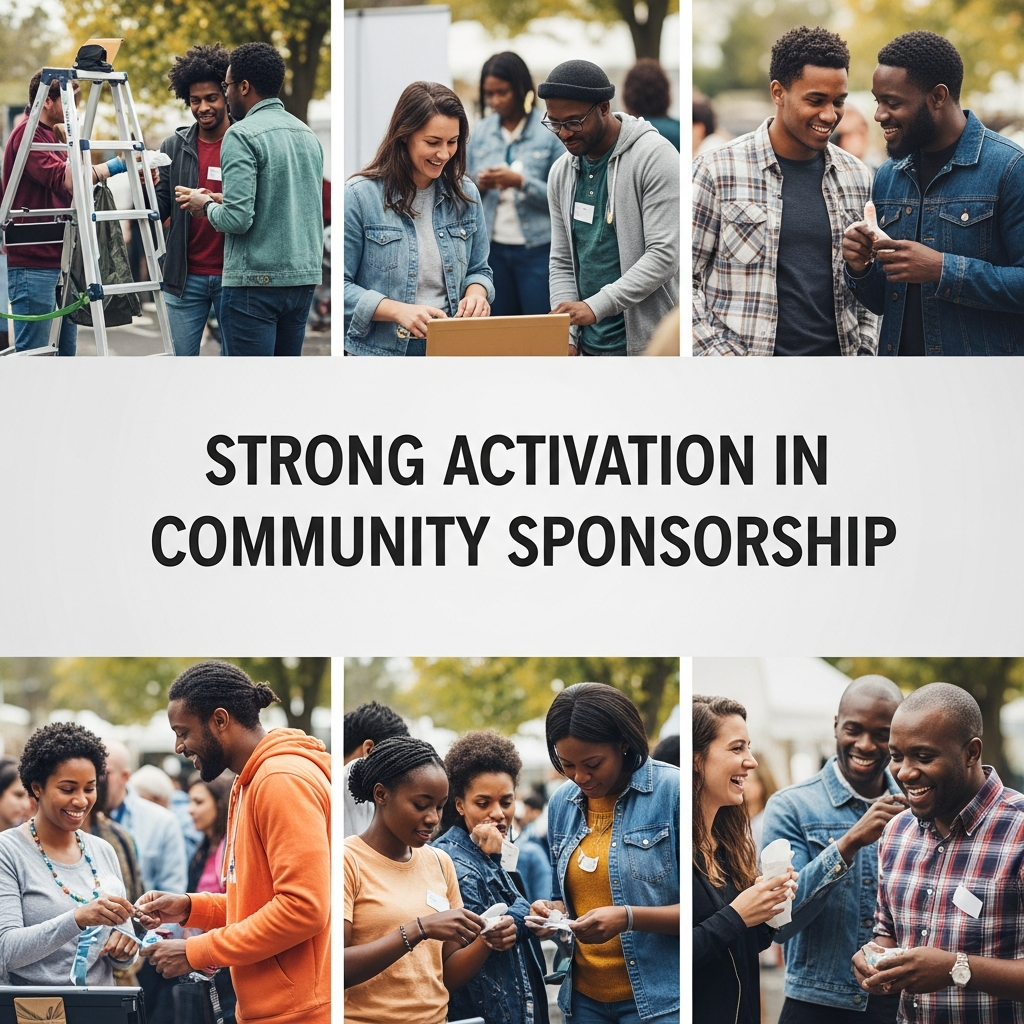 Strong activation ensures your sponsorship stands out in a crowded event environment. It helps your brand:
- Capture audience attention instantly
- Encourage real-time interaction
- Build emotional engagement
- Increase brand recall after the event
- Strengthen community relationships
Interactive On-Site Experiences
Interactive experiences are one of the most powerful tools in community sponsorship marketing, as they encourage direct participation and hands-on engagement with your brand.
Examples of Interactive Activations:
- Pop-up experience booths
- Mobile brand lounges
- Product demo stations
- Wellness or fitness challenges
- Live workshops or mini-sessions
For example, a fitness brand may offer quick health assessments or mini workout zones, while a bookstore might host live readings or author meet-and-greet sessions. These activities create memorable interactions that deepen audience connection.
Value-Driven Giveaways and Merchandise
Branded merchandise plays a key role in extending the impact of community sponsorship marketing beyond the event itself. High-quality, useful items ensure long-term visibility in everyday life.
Effective Giveaway Ideas:
- Reusable water bottles
- Eco-friendly tote bags
- Tech accessories (USB drives, chargers)
- Branded notebooks or pens
- Event-themed souvenirs
Key Benefits:
- Extends brand exposure beyond the event
- Reinforces brand identity daily
- Builds positive brand association
- Increases customer recall
- Strengthens emotional connection
Digital Amplification and Storytelling
Modern community sponsorship marketing relies heavily on digital amplification to extend reach beyond physical attendees. Combining offline activation with online storytelling significantly increases brand visibility.
Digital Amplification Tactics:
- Live streaming event highlights
- Behind-the-scenes social media content
- Influencer collaborations
- Event recap blog posts
- Branded hashtag campaigns
Encouraging attendees to share content using branded hashtags helps generate organic exposure. Displaying live social media walls at events further boosts engagement and participation.
Community-Focused Challenges and Scholarships
Community-centered initiatives are a powerful way to enhance emotional engagement in community sponsorship marketing. These activations show genuine investment in local development and talent.
Examples Include:
- Youth talent competitions
- Local sports challenges
- Art or design contests
- Educational scholarships
- Community innovation awards
These programs not only support community growth but also generate positive media attention and strengthen brand reputation. Rewarding participants with scholarships or recognition creates long-lasting goodwill and trust.
Evaluating Success: Metrics and Measurement in Community Sponsorship Marketing
Measuring performance is a critical part of community sponsorship marketing because it helps businesses understand what works, what doesn’t, and how sponsorship efforts contribute to long-term brand growth. Without proper evaluation, even strong community initiatives can fail to show their true business value.
Key Performance Metrics
 To properly assess success, businesses must track both quantitative and qualitative KPIs that reflect engagement, visibility, and conversions.
Common Metrics in Community Sponsorship Marketing:
- Brand impressions at events (banners, booths, signage)
- Lead collection (emails, sign-ups, inquiries)
- Foot traffic increase during sponsored events
- Coupon or discount redemption rates
- Social media engagement and mentions
- Media coverage and PR visibility
Sponsorship Performance Table
| KPI Category | What It Measures | Business Impact |
|---|---|---|
| Brand Awareness | Event visibility and reach | Long-term recognition |
| Lead Generation | Collected customer data | Sales pipeline growth |
| Engagement Rate | On-site interactions | Customer interest level |
| Conversion Rate | Purchases or sign-ups | Direct ROI measurement |
| Social Reach | Online mentions and shares | Extended visibility |
Tracking Methods for Community Sponsorship Marketing
Effective tracking ensures your community sponsorship marketing delivers measurable results and actionable insights.
Best Tracking Tools & Techniques:
- QR codes on banners, flyers, and booths
- Unique discount or promo codes
- CRM systems for lead management
- Customer feedback surveys and kiosks
- Social media hashtag tracking
Bullet Point Insights: Why Measurement Matters
- Helps optimize future sponsorship decisions
- Identifies high-performing event types
- Improves return on investment (ROI)
- Strengthens targeting accuracy
- Enhances long-term brand strategy
Measuring Brand Impact Beyond Numbers
In community sponsorship marketing, success is not only about data but also about perception and emotional connection.
Key brand impact indicators:
- Improved customer trust and loyalty
- Increased word-of-mouth referrals
- Positive community sentiment
- Higher repeat purchase rates
- Stronger local brand identity
FAQ
1. What is community sponsorship marketing?
Community sponsorship marketing is a traditional marketing strategy where businesses support local events or initiatives to build brand awareness and trust.
2. Why is community sponsorship marketing important?
It helps brands connect directly with local audiences, improve credibility, and build long-term customer relationships.
3. How does community sponsorship help brand growth?
It increases visibility, generates leads, and strengthens emotional connections with the community.
4. What types of events can be sponsored?
Businesses can sponsor sports events, school programs, charity drives, festivals, and local fairs.
5. How do I measure sponsorship success?
You can track KPIs like leads, foot traffic, social media mentions, coupon usage, and brand impressions.
6. Is community sponsorship marketing suitable for small businesses?
Yes, it is highly effective for small businesses looking to build local recognition and trust.
7. What is the ROI of community sponsorship marketing?
ROI is measured through increased sales, customer engagement, brand awareness, and long-term loyalty.
8. How can digital tools improve sponsorship results?
QR codes, social media, and email marketing help extend reach and track engagement more effectively.
9. How long does it take to see results?
Some results are immediate during events, while long-term brand trust builds over time.
10. What makes a sponsorship successful?
Clear goals, the right event selection, strong engagement, and proper performance tracking ensure success.
Conclusion
Community sponsorship marketing is a powerful way for brands to grow through real-world connections and local engagement. By supporting community events and initiatives, businesses can increase visibility, build trust, and strengthen their brand identity. When combined with proper planning, execution, and performance tracking, it becomes a long-term strategy that drives sustainable growth and customer loyalty.






[…] mail, or in-store promotions reinforces the same message across multiple touchpoints. Our guide on community sponsorships marketing for brands covers how local partnerships can extend the reach of a radio push well beyond the airtime […]