Event sponsorship strategies is a powerful traditional marketing that helps brands increase offline visibility, connect with local audiences, and build trust through real-world engagement. By supporting community events, businesses can strengthen brand awareness, improve customer relationships, and achieve long-term exposure beyond digital channels.
The Advantages of Event Sponsorship Strategies for Brand Visibility
Event sponsorship is one of the most powerful approaches within event sponsorship strategies, offering brands a direct way to increase visibility, build trust, and engage audiences in real-world environments. Unlike digital ads that can be skipped or ignored, event-based exposure creates repeated, meaningful interactions that leave a lasting impression on attendees.
Boosting Brand Awareness Through In-Person Exposure
One of the strongest advantages of event sponsorship is continuous and repeated brand visibility throughout the event lifecycle. When your brand appears on banners, digital screens, stage backdrops, tickets, and promotional materials, attendees are exposed to your identity multiple times in different contexts.
This repeated exposure strengthens brand recall and builds subconscious familiarity. Research from the U.S. Small Business Administration (sba.gov) shows that consistent offline brand visibility significantly improves trust and can increase purchase intent by up to 30%.
Key Awareness Benefits:
- Repeated logo exposure increases brand recall
- Builds trust through physical presence
- Strengthens long-term recognition in local markets
- Enhances credibility through event association
- Improves conversion readiness after exposure
Targeting High-Value Audiences
A major strength of event sponsorship strategies is precise audience targeting. Instead of broad digital reach, events allow brands to connect with highly relevant and engaged groups. This makes it easier to align your campaigns with proven marketing foundations such as the 7 Ps of Traditional Marketing and build stronger positioning in competitive markets.
Different event types attract different audience segments:
Trade shows → Industry professionals and decision-makers
Festivals → Lifestyle-focused and emotionally engaged consumers
Charity events → Community-driven and value-oriented audiences
Workshops → Skill-focused and niche professionals
By selecting the right events, brands ensure that every interaction is meaningful, increasing the likelihood of conversions and long-term customer relationships. This approach also aligns with strategies used in how to create a successful traditional marketing campaign, where audience precision plays a key role in performance.
Audience Targeting Breakdown
| Event Type | Audience Profile | Marketing Advantage |
|---|---|---|
| Trade Shows | Business decision-makers | High-value leads |
| Cultural Festivals | General consumers | Emotional engagement |
| Charity Events | Community supporters | Brand trust building |
| Workshops | Professionals & learners | Niche authority |
Creating Memorable Experiential Engagements
Experiential marketing is at the core of successful event sponsorship strategies. When audiences actively interact with your brand through touch, taste, sight, or participation, they are far more likely to remember it. This is closely connected to principles in the traditional marketing mix, where product experience and promotion work together to influence customer behavior.
Interactive experiences such as live demonstrations, sampling booths, virtual reality setups, or branded photo zones create emotional connections that traditional advertising cannot replicate. These immersive tactics are often integrated into broader integrating traditional and digital marketing strategies for maximum reach.
According to Harvard Business School (hbs.edu), immersive brand experiences significantly increase customer loyalty and encourage repeat engagement over time.
Selecting the Right Events for Maximum Impact in Event Sponsorship Strategies
 Choosing the right events is one of the most critical steps in successful event sponsorship strategies. The effectiveness of your sponsorship depends not only on visibility but also on how well the event audience aligns with your brand goals, target market, and long-term positioning. A well-selected event can significantly increase brand awareness, trust, and lead generation, while a poor match may result in low ROI and missed opportunities.
Industry Trade Shows and Conferences
Industry trade shows and professional conferences are powerful platforms for event sponsorship strategies, especially in B2B marketing. These events bring together decision-makers, influencers, analysts, and media professionals in one place, creating a high-value networking environment.
Sponsorship opportunities often include exhibition booths, keynote speaking slots, branded workshops, and VIP networking sessions. These elements allow brands to establish authority, demonstrate expertise, and directly engage with potential clients.
Trade Show Sponsorship Benefits
| Opportunity | Benefit |
|---|---|
| Booth Exhibits | Direct lead generation |
| Speaking Sessions | Thought leadership positioning |
| Networking Events | High-value business connections |
| Branded Materials | Strong brand recall |
Sports and Cultural Festivals
Sports events, concerts, and cultural festivals attract large, emotionally engaged audiences. These environments are ideal for experiential event sponsorship strategies, where brands can connect through emotion, entertainment, and participation.
Sponsoring stages, fan zones, or interactive booths allows businesses to create memorable experiences that go beyond traditional advertising. These events are especially effective for building emotional brand affinity.
Engagement Opportunities at Festivals
- Sponsoring event stages or performances
- Setting up interactive brand experience zones
- Distributing branded merchandise and giveaways
- Hosting contests or live activations
- Collaborating with performers or athletes
Community and Charity Fundraisers
Community-based events such as marathons, school fairs, and charity galas play a key role in socially responsible event sponsorship strategies. These sponsorships not only increase visibility but also build strong emotional connections with the audience.
Brands that support meaningful causes are often perceived as trustworthy and community-oriented. This improves reputation and strengthens long-term customer loyalty.
CSR Sponsorship Benefits
| Benefit | Impact |
|---|---|
| Brand Trust | Stronger customer loyalty |
| Media Coverage | Increased public visibility |
| Community Support | Positive brand image |
| Emotional Engagement | Higher brand recall |
Niche Workshops and Meetups
 Smaller, focused events such as workshops, seminars, and professional meetups offer high-quality engagement opportunities within event sponsorship strategies. Unlike large-scale events, these gatherings focus on depth rather than reach.
Sponsorship may include branded learning materials, co-hosted sessions, or exclusive networking opportunities, allowing brands to build stronger relationships with highly targeted audiences.
Workshop Sponsorship Advantages
- Direct access to niche audiences
- High-quality lead generation
- Strong professional credibility
- Personalized engagement opportunities
- Lower competition for attention
Key Event Selection Criteria
| Factor | What to Evaluate | Why It Matters |
|---|---|---|
| Audience Match | Demographics & industry | Ensures relevance |
| Event Size | Small vs large scale | Affects reach & engagement |
| Brand Alignment | Values & message fit | Builds trust |
| Engagement Level | Interaction opportunities | Drives ROI |
| Media Exposure | Press & coverage | Boosts visibility |
Developing a Strategic Sponsorship Plan
A strong event sponsorship strategy begins with careful planning and clear alignment between business goals, audience targeting, and on-site execution. Without a structured approach, even high-cost sponsorships can fail to deliver meaningful results. A strategic plan ensures every investment contributes directly to brand visibility, engagement, and measurable ROI.
Defining Clear Objectives and KPIs
Before committing to any sponsorship, it is essential to define what success looks like. Clear objectives help guide every decision, from selecting events to designing booth experiences.
Common sponsorship goals include:
- Increasing brand awareness
- Generating qualified leads
- Driving product trials or demos
- Building long-term partnerships
To measure performance effectively, set specific KPIs such as booth visits, badge scans, QR code interactions, social media engagement, and post-event conversions. These indicators help evaluate campaign success and refine future event sponsorship strategies.
Sponsorship KPI Tracking Table
| KPI Metric | What It Measures | Purpose |
|---|---|---|
| Booth Visits | Number of attendees at booth | Awareness level |
| Badge Scans | Lead collection | Lead generation |
| Social Mentions | Online engagement | Brand visibility |
| Demo Requests | Product interest | Conversion potential |
| QR Code Scans | Digital interaction | Tracking ROI |
Conducting Comprehensive Event Research
Effective event sponsorship strategies rely heavily on detailed research. Before selecting an event, analyze past attendance data, audience profiles, and sponsor success stories. Understanding who attends and how they engage helps determine whether the event aligns with your target market.
Also evaluate:
- Competitor participation and positioning
- Sponsorship tiers and available benefits
- Media coverage and press visibility
- Industry relevance and networking potential
This research helps identify high-value opportunities and avoids wasting resources on misaligned events.
Budgeting for Both Fees and Activations
A common mistake in sponsorship planning is focusing only on the sponsorship fee. In reality, total costs include multiple components that must be carefully managed.
Key budget categories include:
- Sponsorship entry fee
- Booth design and construction
- Marketing materials and branding assets
- Staff travel and accommodation
- Product samples and giveaways
- Logistics and shipping costs
It is also important to allocate a contingency budget for unexpected expenses. Proper financial planning ensures your event sponsorship strategies remain consistent and professional throughout the event lifecycle.
Designing Engaging On-Site Experiences
On-site activation is where sponsorship success is truly determined. A visually appealing booth is not enough—brands must create interactive and memorable experiences that attract and retain visitors.
Effective engagement ideas include:
- Virtual reality product demonstrations
- Interactive games and contests
- Live product tutorials or workshops
- Free samples or branded giveaways
- Comfortable meeting or networking spaces
Adding small amenities like seating areas, charging stations, or refreshments can significantly increase visitor dwell time. The longer attendees stay, the higher the chance of meaningful conversations and conversions.
Engaging Activations and Digital Integration
Thoughtful Branded Giveaways
Choose merchandise that aligns with your brand values and event context. Reusable water bottles, eco-friendly tote bags, or tech accessories foster utility and ongoing visibility. Pair giveaways with lead capture tactics—such as filling out a brief survey or scanning a QR code—to build your contact list and track distribution.
Immersive Interactive Booth Elements
In-booth gaming stations, hands-on product trials, and augmented reality experiences attract foot traffic and sustain interest. Offer real-time demonstrations that illustrate product benefits and answer attendee questions. Encourage visitors to share photos with event hashtags to amplify reach on social media platforms.
Stage Sponsorship and Thought Leadership Sessions
Securing a stage sponsorship or presenter slot positions your executives as subject-matter experts. Deliver educational workshops or panel discussions that offer actionable insights. This approach builds credibility and stimulates organic conversations about your offerings.
Omnichannel Amplification Techniques
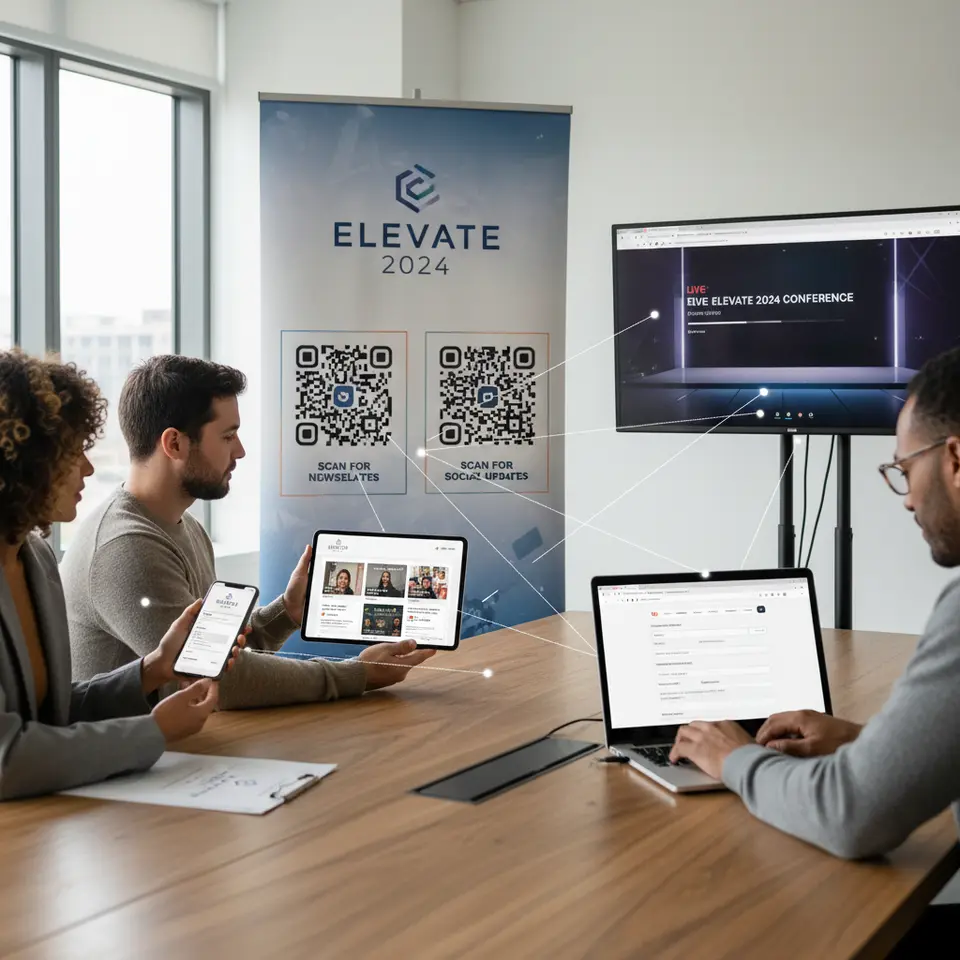
Enhance your offline efforts with coordinated digital campaigns. Promote your presence via email newsletters, SMS alerts, and social media teasers. Deploy event-specific landing pages with unique URLs or QR codes to capture leads and measure traffic sources accurately. Live stream key moments to engage remote audiences and extend your visibility beyond the venue.
Evaluating Outcomes and Preventing Common Mistakes
Tracking Key Metrics for Real-Time Insights
Monitor foot traffic, scanned badges, and social media mentions throughout the event. Use QR codes, NFC badges, and event apps to collect precise data. Integrate with your CRM and marketing automation platforms to ensure prompt follow-up. These real-time insights enable on-the-fly adjustments and maximize return on investment.
Conducting Thorough Post-Event Analysis
After the event, compile quantitative metrics—leads generated, social engagement rates, media coverage—and qualitative feedback from staff and attendees. Compare results against your predefined KPIs. Identify which activations drove the highest engagement and where improvements are needed for future campaigns.
Avoiding Common Pitfalls
Many brands falter by neglecting clear objectives, underestimating activation costs, or failing to integrate digital follow-up. Prevent these missteps by establishing a detailed project plan, securing cross-functional buy-in, and scheduling post-event debriefs. Document lessons learned to refine your approach year after year.
Leveraging External Best Practices
Industry guidelines from organizations like the Centers for Disease Control and Prevention (cdc.gov) provide insights on health and safety protocols, ensuring your activations comply with current standards. Adopting proven frameworks from research institutions helps you maintain professionalism and credibility at every touchpoint.
Frequently Asked Questions
Event sponsorship remains one of the most effective channels for offline brand exposure in today’s competitive environment. By focusing on clear goals, selecting events that resonate with your audience, and crafting engaging on-site experiences, you can drive meaningful connections and foster lasting loyalty. Integrating digital amplification tactics and rigorous measurement practices ensures every sponsorship delivers tangible value. As brands continue to seek new ways to stand out, mastering event sponsorship will be critical for achieving sustained growth and amplifying your message .