
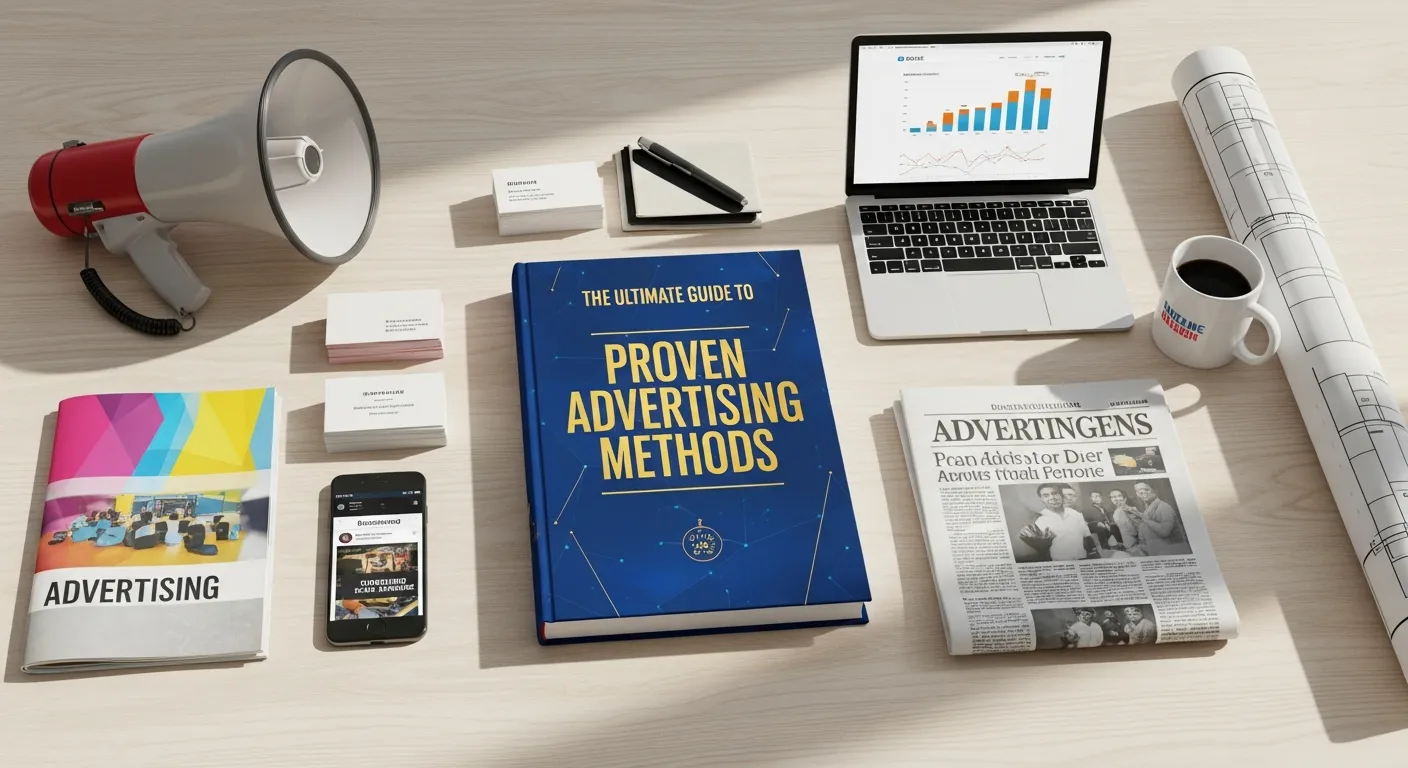
Advertising methods refer to different strategies businesses use to promote products or services, including digital ads, social media marketing, print media, and TV commercials. These methods help increase brand awareness, attract customers, and drive sales effectively.
Traditional Advertising Methods
Before the internet dominated the marketing landscape, offline channels were the primary force behind brand promotion. Even today, traditional advertising methods continue to deliver strong results, especially for local businesses and brands aiming to build trust and long-term recognition. These methods remain an essential part of a balanced advertising methods strategy that combines both offline and online reach.
Print Media (Newspapers, Magazines)
Print media includes newspapers, magazines, brochures, and direct mail flyers. Advertisers purchase space based on circulation numbers, audience demographics, and reader interests. Magazines are particularly effective for niche targeting, allowing brands to reach highly specific audiences. For example, outdoor gear companies can advertise in adventure or camping magazines to connect with relevant customers.
Newspapers provide broad and localized reach, making them ideal for regional campaigns, store openings, political messages, and community events. Readers often engage deeply with printed content, giving ads more attention compared to fast-scrolling digital platforms. In the overall advertising methods mix, print media still plays a strong role in credibility and trust-building.
Broadcast Media (TV, Radio)
Television and radio are powerful broadcast advertising methods that reach large audiences at once. Television commercials combine visuals, sound, and storytelling to create emotional impact and strong brand recall. They are often used by major brands for product launches, awareness campaigns, and national promotions.
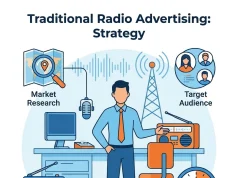
Radio advertising is effective for reaching audiences during daily routines such as commuting or working. Businesses like restaurants, retail stores, and service providers often use radio ads to target local listeners. Repetition and catchy slogans help build familiarity over time, making radio a valuable part of traditional advertising methods.
Out-of-Home (Billboards, Transit Ads)
Out-of-home (OOH) advertising includes billboards, bus stops, train stations, transit vehicles, and digital screens in public places. These ads are highly visible and cannot be skipped, making them ideal for constant brand exposure.
Billboards along highways and busy streets help reinforce brand memory through repeated daily exposure. Modern digital billboards allow real-time updates, enabling advertisers to change messages based on time, weather, or audience behavior. In the broader advertising methods ecosystem, OOH remains one of the strongest tools for mass visibility and brand awareness.
Direct Marketing (Added Channel)
 Direct marketing is another important traditional advertising approach that includes postcards, catalogs, SMS campaigns, and telemarketing. It allows businesses to communicate directly with potential customers in a more personalized way. For example, retail brands often send promotional catalogs or discount coupons to encourage repeat purchases. This method strengthens customer relationships and improves conversion rates when used correctly.
Key Advantages of Traditional Advertising Methods
- Builds strong brand trust through physical and widely recognized media channels
- Reaches local audiences effectively through newspapers, radio, and billboards
- Provides high visibility and repeated exposure in daily environments
- Enhances credibility when combined with modern digital advertising methods
- Works well for mass awareness campaigns and long-term branding strategies
Digital Advertising Methods
As consumers spend more time online, digital channels have become essential for business survival. Digital advertising methods offer precise targeting, real-time analytics, and flexible budgeting. When considering digital marketing vs traditional marketing, digital options often win on measurable data and immediate adaptability.
Search Engine Marketing (SEM)
Search engine marketing ensures your brand appears when potential customers look for relevant products or services on platforms like Google and Bing. SEM splits into two main categories: organic and paid.
SEO (Search Engine Optimization)
SEO involves optimizing your website content so it ranks naturally in search engine results. This process requires thorough keyword research, high-quality content creation, and technical website improvements. While SEO takes time to show results, it provides sustainable, long-term traffic without the ongoing costs of paid clicks.
PPC (Pay-Per-Click)
PPC advertising allows you to bid on specific keywords. Your ad appears at the very top of the search results, and you only pay when a user clicks the link. PPC delivers immediate visibility and traffic. It is highly effective for limited-time sales, launching new products, or targeting highly competitive search terms.
Social Media Marketing
Social media platforms like Facebook, Instagram, LinkedIn, and TikTok gather billions of active users. Marketing on these platforms requires a blend of community building and strategic spending.
Organic Social Media
Organic social media involves posting unpaid content to build an audience and engage directly with customers. Brands share behind-the-scenes videos, educational posts, and user-generated content. This method fosters community trust and customer loyalty. It requires consistency and a strong brand voice to succeed.
Paid Social Media Advertising
Paid social ads allow you to bypass the algorithm and push your content directly into user feeds. Social platforms offer incredibly detailed targeting options. You can target users based on age, location, job title, and specific personal interests. Paid social is excellent for driving immediate conversions and expanding your reach far beyond your current followers.
Content Marketing
Content marketing focuses on creating valuable, relevant material to attract and retain an audience. Instead of directly pitching a product, brands publish blog posts, whitepapers, podcasts, and infographics. This material solves problems and answers consumer questions. According to the Content Marketing Institute, a strong content strategy generates significantly more leads than outbound marketing while costing much less. It establishes your brand as an industry authority.
Email Marketing
Email marketing remains one of the most reliable and profitable advertising methods available. Brands collect user email addresses through website sign-ups or purchases. They then send targeted newsletters, promotional offers, and personalized product recommendations. Email provides a direct line of communication to an audience that has already expressed interest in your business.
Influencer Marketing
Influencer marketing leverages the trust built by popular online personalities. Brands partner with creators who have dedicated followings on platforms like YouTube or Instagram. The influencer promotes the brand’s product to their audience in a natural, authentic way. This method works exceptionally well because consumers tend to trust recommendations from people they admire over traditional corporate advertisements.
Video Advertising
Video content dominates internet consumption. Video advertising includes short pre-roll ads on YouTube, sponsored TikTok videos, and connected TV commercials on streaming services like Hulu. Video captures attention quickly and conveys complex information in an easily digestible format.
Hybrid and Emerging Advertising Methods
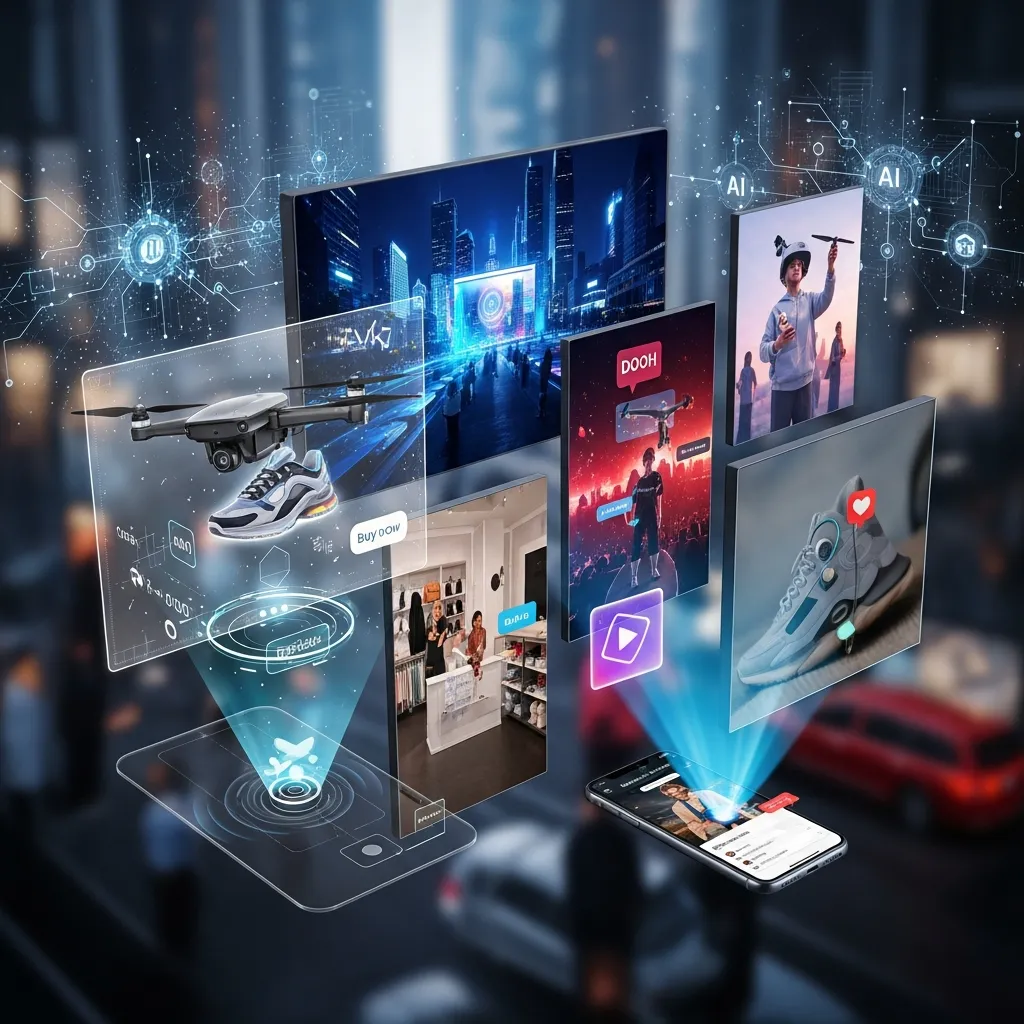 The most innovative brands look beyond standard categories. They adopt emerging technologies to create memorable experiences. Integrating traditional and digital marketing often results in the strongest overall campaigns.
Native Advertising
Native advertising blends seamlessly into the surrounding content of a website or publication. Instead of looking like a traditional banner ad, native ads match the visual style and editorial tone of the host platform. A sponsored article on a news website is a classic example. Because these ads feel less intrusive, consumers engage with them at much higher rates.
Programmatic Advertising
Programmatic advertising uses artificial intelligence to automate the buying and selling of ad space in real time. Instead of negotiating with human publishers, marketers set specific parameters regarding their target audience and budget. The software automatically bids on ad placements across the internet within milliseconds. This process maximizes efficiency and ensures your ads appear exactly where your ideal customers spend their time.
Interactive Advertising
Interactive ads require the user to actively participate rather than passively consume. Examples include online quizzes, augmented reality (AR) try-on filters, and playable mobile game ads. By inviting the user to engage physically with the content, interactive advertising boosts brand recall and creates a fun, memorable user experience.
Crafting an Effective Advertising Strategy
Knowing the available advertising methods is only the first step. You must organize these tactics into a cohesive plan. Creating a successful traditional marketing campaign—or a digital one—requires careful research and strict budget management.
Defining Your Target Audience
You cannot successfully sell a product if you do not know who wants to buy it. Start by building detailed buyer personas. Outline the age, gender, geographic location, and income level of your ideal customer. Dig deeper into their psychological traits. Identify their daily frustrations, their hobbies, and the social platforms they prefer. A clear audience definition prevents you from wasting money on irrelevant ad placements.
Setting Clear Objectives
Every campaign needs a specific, measurable goal. Avoid vague ambitions like “getting more popular.” Instead, set targets such as increasing website traffic by twenty percent, generating five hundred new email subscribers, or boosting local foot traffic over a specific weekend. Clear objectives dictate which advertising methods you should choose.
Budget Allocation
Distribute your marketing funds based on data and audience behavior. Do not put all your resources into a single channel. A balanced approach might involve spending forty percent of the budget on search engine marketing, thirty percent on social media ads, and the remaining thirty percent on a local billboard and print campaign. Monitor the performance continuously and shift funds toward the channels providing the best return.
Measuring ROI and Analytics
Tracking performance is non-negotiable. Use tools like Google Analytics, social media insights, and dedicated promo codes to monitor campaign success. Calculate your return on investment (ROI) by comparing the revenue generated against the cost of the advertising. If a specific campaign costs a thousand dollars and generates five thousand dollars in profit, you know that method works well for your brand.
Case Studies and Success Stories
Examining real-world applications provides the best insight into how these methods function together.
Examples of Integrated Campaigns
Consider a regional fitness center launching a new membership drive. They do not rely on just one channel. First, they place a bold billboard near a busy local intersection. Simultaneously, they run geo-targeted Facebook ads offering a free trial pass to users within a five-mile radius of the gym. Finally, they send a direct mail postcard featuring a QR code to nearby neighborhoods. By surrounding the consumer with consistent messaging across multiple touchpoints, the gym sees a massive spike in new sign-ups.
Lessons Learned from Advertising Failures
Not every campaign succeeds. A common failure occurs when brands ignore their audience’s preferences. A company selling hearing aids to senior citizens might waste thousands of dollars sponsoring a trending TikTok dance challenge. The ad itself might look great, but the platform choice completely misses the target demographic. The key lesson is that brilliant creative work cannot save a campaign aimed at the wrong people.
The Future of Advertising
 The marketing industry evolves at a breakneck pace. Staying ahead of the curve requires an understanding of upcoming technological shifts and changing consumer expectations.
AI and Personalization
Artificial intelligence is reshaping how brands communicate. Machine learning algorithms analyze vast amounts of consumer data to predict purchasing behavior. This allows advertisers to deliver highly personalized messages. A user might receive an email suggesting specific shoes based on the exact weather conditions in their city. As AI generation tools improve, brands will also automate the creation of ad copy and visual graphics at an unprecedented scale.
Data Privacy and Ethical Considerations
While personalization drives sales, consumers are increasingly protective of their digital privacy. Governments worldwide are implementing strict data protection laws. Tech giants like Apple and Google are phasing out third-party tracking cookies. Advertisers must adapt by relying on zero-party data. This means asking consumers directly for their preferences through surveys and loyalty programs, ensuring a transparent and ethical exchange of information. Recent data from eMarketer shows that brands prioritizing data privacy see higher long-term trust and customer retention.
Final Thoughts and Next Steps
Choosing the right advertising methods requires a mix of calculated research and creative experimentation. Traditional channels like television and out-of-home media provide unmatched credibility and local visibility. Digital methods like pay-per-click and social media advertising offer precision targeting and immediate analytics. Emerging formats like programmatic and interactive ads push the boundaries of user engagement.
The most successful brands do not rely on a single channel. They integrate multiple methods to guide the consumer smoothly from initial awareness to final purchase. Review your current marketing efforts. Identify gaps where you can introduce a new advertising method, and begin testing on a small scale. By continuously tracking your results and adjusting your strategy, you will build a marketing engine that drives sustainable business growth for years to come.


[…] and high-quality audio designed specifically for a theater’s sound system. Reviewing broader advertising methods and strategies can help ensure your creative approach fits the format rather than feeling like a repurposed […]