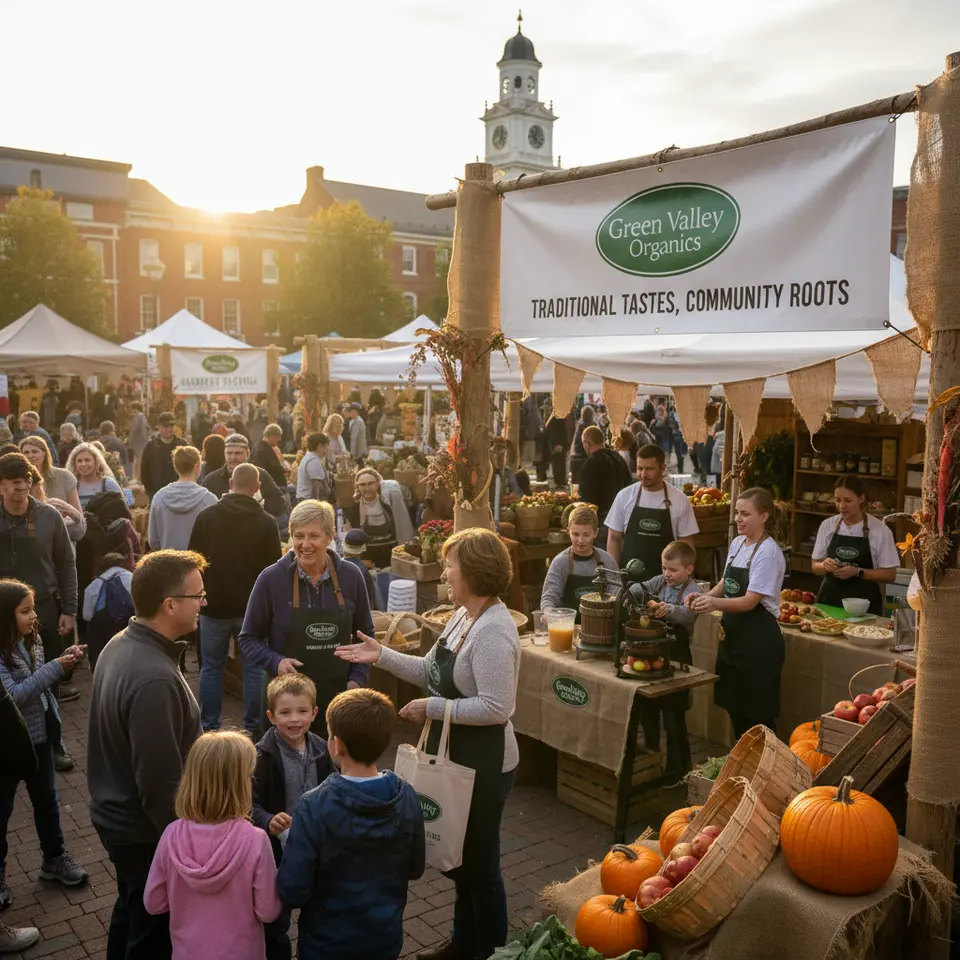
In today’s digital landscape, businesses often prioritize online channels while undervaluing the proven impact of public relations events. Currently, brands that invest in face-to-face experiences gain a significant advantage by building trust, sparking word-of-mouth, and creating lasting impressions within their local markets. This year (2026), companies across industries are rediscovering the power of orchestrating live gatherings to strengthen community bonds and drive meaningful engagement. From intimate gatherings with key influencers to large-scale open houses, these events remain a cornerstone of traditional marketing strategies.
In this comprehensive article, we will walk you through the full lifecycle of hosting successful public relations events. You’ll learn how to define objectives that align with your marketing goals, choose the ideal format and venue, develop an engaging agenda, and manage every detail on the day of the event. Beyond execution, we will explore best practices for follow-up communications, media outreach, and rigorous measurement techniques to assess return on investment. Armed with these insights, you will be well-equipped to position your organization as a trusted industry leader and community partner.
Throughout the guide, we’ll reference authoritative sources such as the U.S. Small Business Administration (sba.gov) and academic research from leading universities to ensure that your PR event strategy is both innovative and evidence-based. Let’s dive in and discover how you can harness the power of public relations events to amplify your brand message today.
Why Public Relations Events Are Crucial in Traditional Marketing
In an age dominated by digital ads and social media campaigns, public relations events offer a vital counterbalance. Unlike purely online tactics, these face-to-face experiences foster deep emotional connections with attendees. When prospects meet representatives in person, they gain a tangible sense of your brand’s values and expertise. That personal touch often translates into higher levels of trust and loyalty than any email newsletter or banner ad could deliver.
Trust is a fundamental currency in today’s business environment. Well-structured public relations events provide a platform for open dialogue, allowing guests to ask questions, voice concerns, and receive immediate feedback. This real-time interaction reduces skepticism and positions your organization as transparent and customer-focused. For example, a product unveiling paired with hands-on demonstrations reassures prospects of quality and functionality.
Beyond credibility, these events also generate organic visibility. Local media outlets often seek community stories that resonate with their readership. Inviting journalists and influencers to your event can result in press coverage that extends your reach far beyond the guest list. Attendees sharing photos and impressions on social channels further amplifies your message without additional ad spend.
Another cornerstone benefit is thought leadership. By featuring expert panels, keynote presentations, or workshops, you showcase your team’s knowledge and industry foresight. Executives who speak on trends or insights at a PR event become go-to voices for media requests, cementing both personal and corporate authority in the marketplace.
Finally, public relations events encourage direct feedback loops. Engaging attendees in surveys, live polls, or focus groups during the event delivers invaluable data on product features, messaging clarity, and potential enhancements. This rich qualitative insight complements quantitative metrics from digital channels, resulting in a more holistic understanding of your audience.
Exploring the Different Formats of PR Events
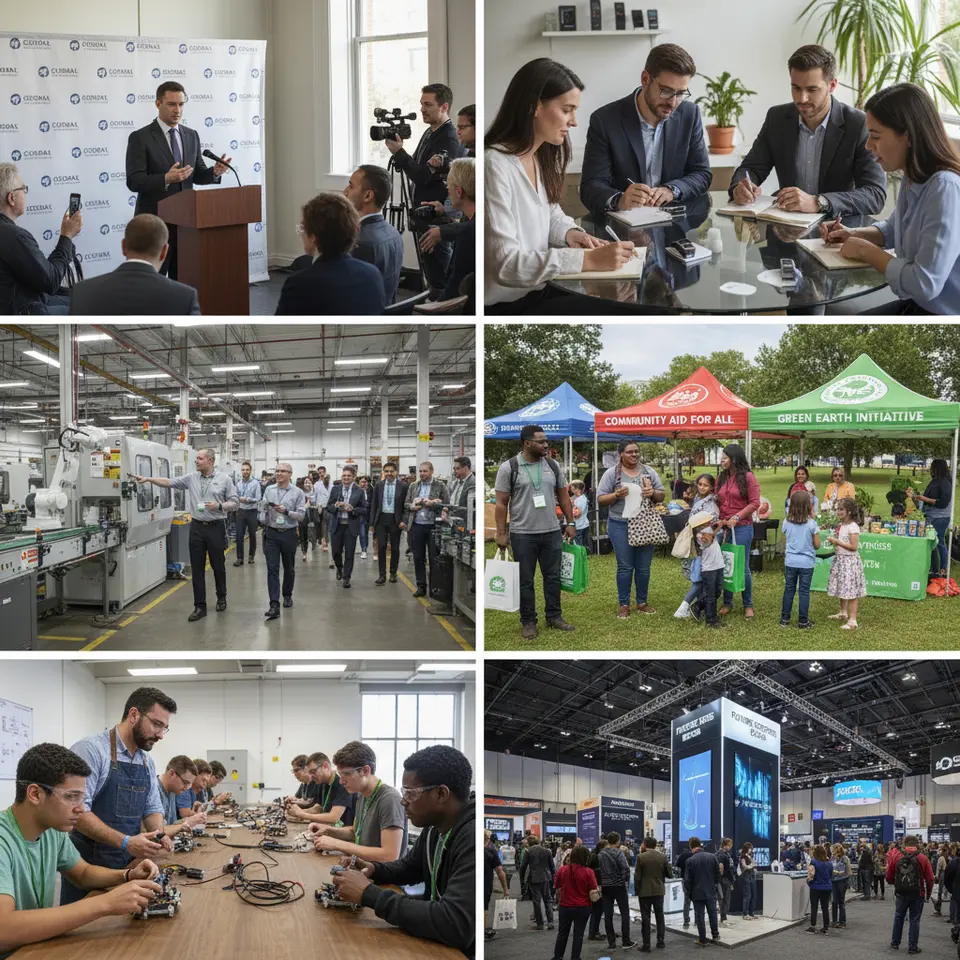
Choosing the right type of public relations events depends on your objectives, audience profile, and budget constraints. Each format offers unique advantages, so aligning your strategy with the right event style is essential for maximizing impact.
Press conferences remain ideal for significant corporate announcements like mergers, major partnerships, or groundbreaking product launches. By inviting a broad array of media representatives and providing ready-to-use press kits, you streamline coverage and ensure consistent messaging across outlets. A well-timed press conference can dominate industry headlines for days.
For more intimate outreach, media previews offer a personalized touch. These invitation-only gatherings allow key journalists, bloggers, and social media influencers to experience your product firsthand in a controlled environment. Small group sizes foster deeper conversations and can yield more detailed reviews or feature articles.
Open houses and facility tours serve those seeking increased transparency and community engagement. Inviting local residents, business leaders, and civic representatives to tour your manufacturing plant or corporate headquarters highlights quality controls, operational excellence, and corporate responsibility. These behind-the-scenes experiences reinforce brand authenticity.
Community events—such as charity fundraisers, wellness fairs, or neighborhood cleanups—demonstrate your commitment to social good. Partnering with local nonprofits or government agencies elevates your credibility and taps into established audience networks. Attendees often develop a stronger affinity for brands that give back.
Educational workshops and seminars deliver dual value: attendees gain practical skills while subtly learning about your offerings. Hosting training sessions on industry trends, regulatory changes, or best practices positions your organization as a trusted advisor. Plus, engaged participants are more likely to explore product or service solutions aligned with the training.
Finally, trade shows and expos offer a high-energy environment to network with peers, benchmark competitors, and attract qualified leads. While exhibit booths can be costly, the concentrated foot traffic and pre-qualified attendees make these events a staple for many B2B marketing teams.
Crafting an Effective Pre-Event Strategy
Rigorous planning sets the stage for a flawless public relations event. Begin by defining SMART objectives—Specific, Measurable, Achievable, Relevant, and Time-bound. Whether your aim is to secure a headline in a major publication, generate 100 qualified leads, or deepen community ties, clear targets will guide every subsequent decision.
Next, profile your target audience segments. In addition to broad categories like media, industry influencers, and potential customers, consider demographic factors such as geographic location, purchasing power, and content preferences. Tailored invitation messages resonate more strongly and increase the likelihood of attendance.
Venue selection is another critical element. The space should reflect your brand personality and accommodate the planned agenda. Corporate facilities or private event rooms offer privacy for exclusive gatherings, while public halls or outdoor parks can welcome larger audiences. Evaluate accessibility, parking options, audio-visual requirements, and contingency plans for weather if an outdoor setting is involved.
Developing an engaging agenda requires balancing informative presentations with interactive components. A mix of keynote speeches, panel discussions, and hands-on product demonstrations keeps momentum high. Incorporate breaks and networking opportunities, allowing attendees to connect organically. Poll participants in advance about topics of interest to fine-tune your agenda.
Budgeting and timelines must account for every logistical detail. Typical cost categories include venue rental, catering, print collateral, A/V equipment, decorations, and staffing. Establish milestone dates for vendor confirmations, permit applications, marketing rollout, and rehearsal sessions. Tools like Gantt charts or project management platforms help track progress and ensure no deadline slips.
Promotion of your public relations event should begin at least six weeks prior. Leverage traditional channels like local radio spots, direct mail invitations, community bulletin boards, and press releases distributed to regional news outlets. Complement this with targeted email campaigns and social media announcements. Early promotion builds anticipation and secures RSVP commitments.
Finally, assemble a dedicated event team with clearly defined roles. Assign coordinators for logistics, media relations, attendee registration, hospitality, and technical support. Holding regular check-in meetings ensures alignment and allows the team to address challenges proactively. A well-prepared planning phase paves the way for an unforgettable experience on event day.
Executing a Memorable PR Event
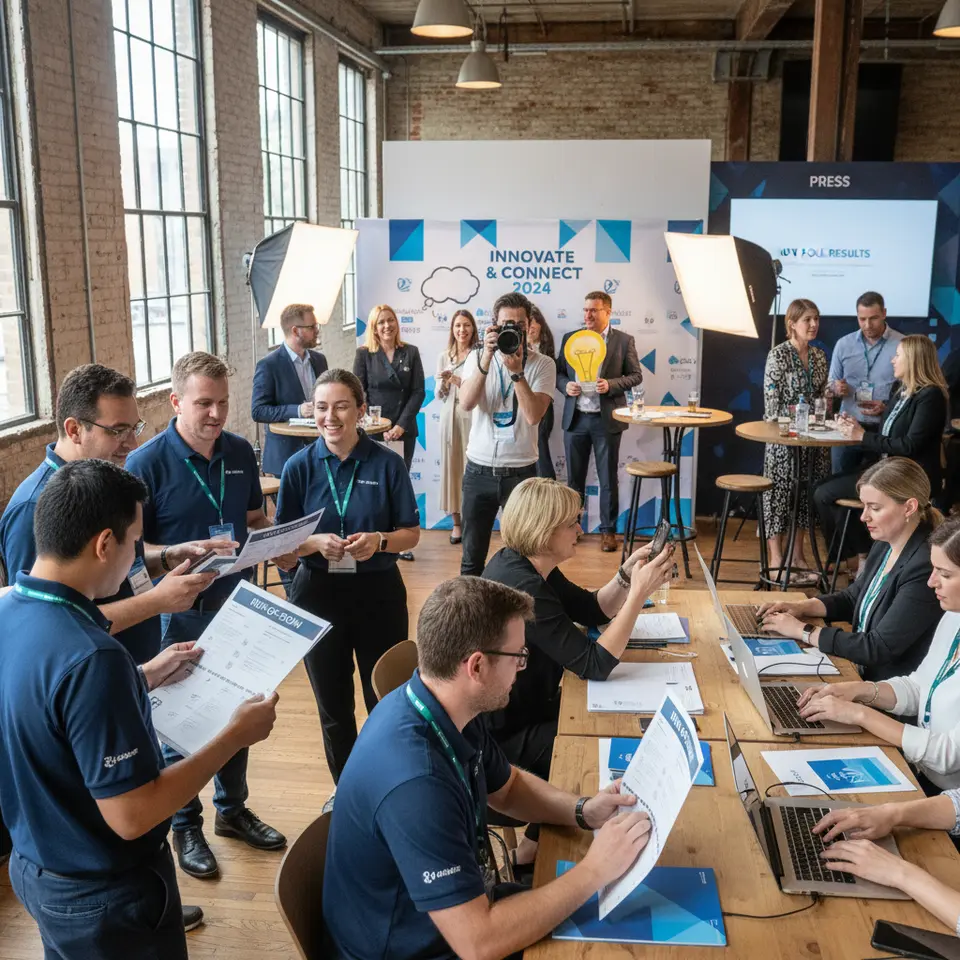
On the day of your public relations event, smooth execution is key to translating planning into powerful outcomes. Begin with an early arrival to oversee vendor setups, test audio-visual systems, and confirm that signage and branding elements are positioned correctly. A final walkthrough of the entire venue helps identify any last-minute adjustments.
Host a team briefing shortly before doors open. Provide staff with run-of-show documents detailing session timings, speaker bios, and contingency procedures. Equip your front-line ambassadors—greeters, registration desk personnel, and guidance staff—with scripts and talking points to maintain consistent messaging throughout the event.
Media management deserves special attention. Create a dedicated press area furnished with workstations, reliable Wi-Fi, and power outlets. Distribute comprehensive press kits containing backgrounders, leadership bios, high-resolution images, and official press releases. Assign a media liaison to escort journalists to relevant sessions and arrange on-the-spot interviews.
Throughout the event, engage attendees with interactive elements. Live polling apps provide real-time insights and keep participants involved. A branded photo station with custom backdrops and thematic props encourages social shares under your event hashtag. Hand out informative brochures, product samples, or branded merchandise to reinforce key brand messages.
When hosting panels or presentations, monitor time closely to stay on schedule. A moderator should facilitate Q&A segments to address audience queries and showcase your team’s expertise. Encourage attendees to submit questions via mobile apps or comment cards, ensuring even quieter guests feel heard.
Networking opportunities often happen during breaks and meals. Designate lounge areas or high-top tables where guests can mingle organically. Consider hosting a light reception with appetizers and beverages to extend engagement beyond formal sessions.
Finally, capture the event through professional photography and videography. High-quality visuals and footage will serve as cornerstone assets for post-event marketing—social media highlights, blog posts, and future promotional materials. Concluding the event on a high note ensures lasting impressions and positive word-of-mouth.
Post-Event Follow-Up and Evaluating Success
The conclusion of your public relations event marks the beginning of a critical phase: follow-up and performance measurement. Prompt and thoughtful outreach solidifies relationships and turns participants into advocates or customers.
Within 24 to 48 hours, send personalized thank-you emails to attendees, speakers, and media representatives. Include links to event recordings, photo galleries, presentation slides, and any relevant resources mentioned during the sessions. Reinforce calls to action—such as scheduling one-on-one demos, claiming exclusive offers, or registering for upcoming webinars.
For media contacts, distribute a post-event press release summarizing key announcements, metrics, and quotes from executives. Offer interview opportunities with subject-matter experts to deepen coverage. Track earned media through press clipping services or online monitoring tools to gauge reach and sentiment.
Lead nurturing is essential for converting interest into tangible revenue. Segment your attendee list based on engagement levels, session attendance, and expressed interests. Send targeted direct mail pieces—postcards or brochures—and integrate digital touchpoints like follow-up emails and retargeted ads. According to studies from leading academic institutions (hbs.edu), a blended approach of traditional mail and digital outreach increases conversion rates by up to 30 percent.
Measuring return on investment involves comparing your predefined objectives against actual outcomes. Key metrics include attendance versus registration ratios, quality and number of media mentions, the volume of qualified leads, social media interactions under your event hashtag, and sales lift attributed to the event window. Use tools like CRM platforms, social listening dashboards, and web analytics to collect and analyze these data points.
Case studies can provide valuable insights for continuous improvement. For instance, a regional tech startup hosted a press preview for 40 journalists and influencers, resulting in coverage across four major outlets and a 25 percent surge in trial sign-ups. In another example, a healthcare provider’s community wellness fair attracted over 800 residents, translating into a 15 percent increase in new patient appointments in the following month.
Finally, gather qualitative feedback through surveys or informal interviews. Ask attendees about their favorite sessions, areas for improvement, and likelihood to recommend your future events. Document these findings and share them with your team to refine your strategy for the next public relations event.
Frequently Asked Questions
Q: How far in advance should I start planning a PR event?
A: Begin planning at least three to six months before the event date to allow ample time for venue booking, vendor coordination, marketing rollout, and stakeholder alignment.
Q: What is the ideal attendee capacity for a press conference?
A: A press conference typically hosts 20–50 media representatives. This size ensures enough coverage potential while maintaining an intimate atmosphere for meaningful interactions.
Q: How can I maximize media coverage post-event?
A: Distribute a well-crafted post-event press release, offer exclusive interviews with executives, share high-quality photos and videos, and maintain personalized follow-up communication with journalists.
Q: What metrics should I focus on to measure event success?
A: Track attendance-to-registration ratios, media mentions, lead quality and quantity, social engagement under your event hashtag, and sales or trial sign-ups attributed to the event period.
Conclusion
Public relations events remain a vital pillar of traditional marketing, offering authenticity and engagement that purely digital approaches cannot replicate. By defining clear objectives, selecting the right format, and executing with precision, you position your brand as a trusted authority and community partner. Rigorous follow-up and data-driven measurement ensure that every gathering delivers a strong return on investment.
Armed with these best practices and real-world examples, you are ready to design and implement memorable public relations events this year (2026). Embrace creativity, collaboration, and continuous learning to elevate your next live experience into a powerful engine for brand awareness, customer loyalty, and business growth.