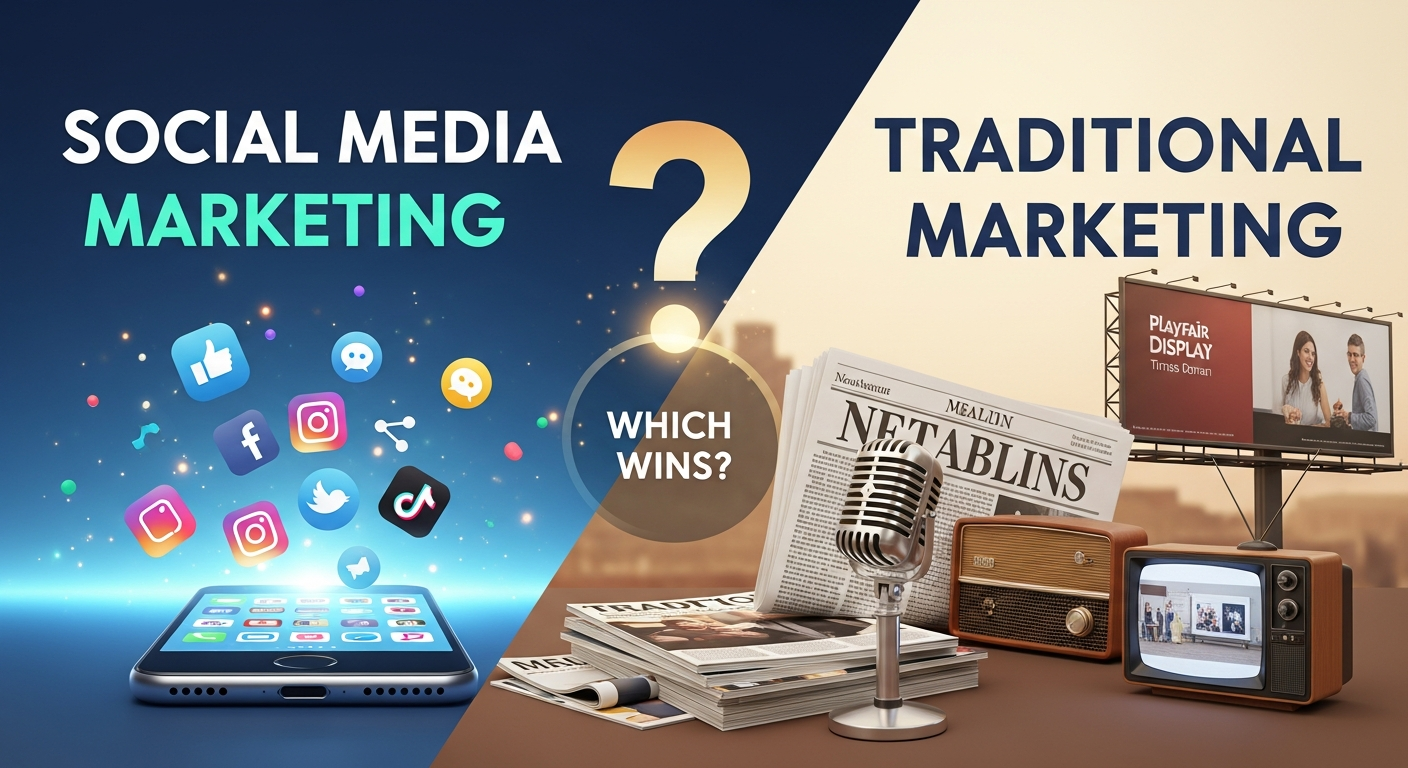
Social Media Marketing vs Traditional Marketing highlights two distinct approaches to reaching audiences. Social media enables targeted, real-time engagement with measurable results, while traditional marketing offers broad reach, credibility, and long-term brand recall. Combining both creates a balanced strategy, maximizing impact, engagement, and ROI across digital and offline channels.
Business owners face a crucial decision when allocating their marketing budget: invest in social media marketing or stick with traditional marketing methods? Both approaches have transformed how companies connect with customers, but they operate in fundamentally different ways.
Understanding the strengths and limitations of each strategy can help you make informed decisions about where to focus your marketing efforts. This comparison will explore the key differences between social media marketing and traditional marketing, examining their effectiveness, costs, and impact on modern business success.
What Is Social Media Marketing?
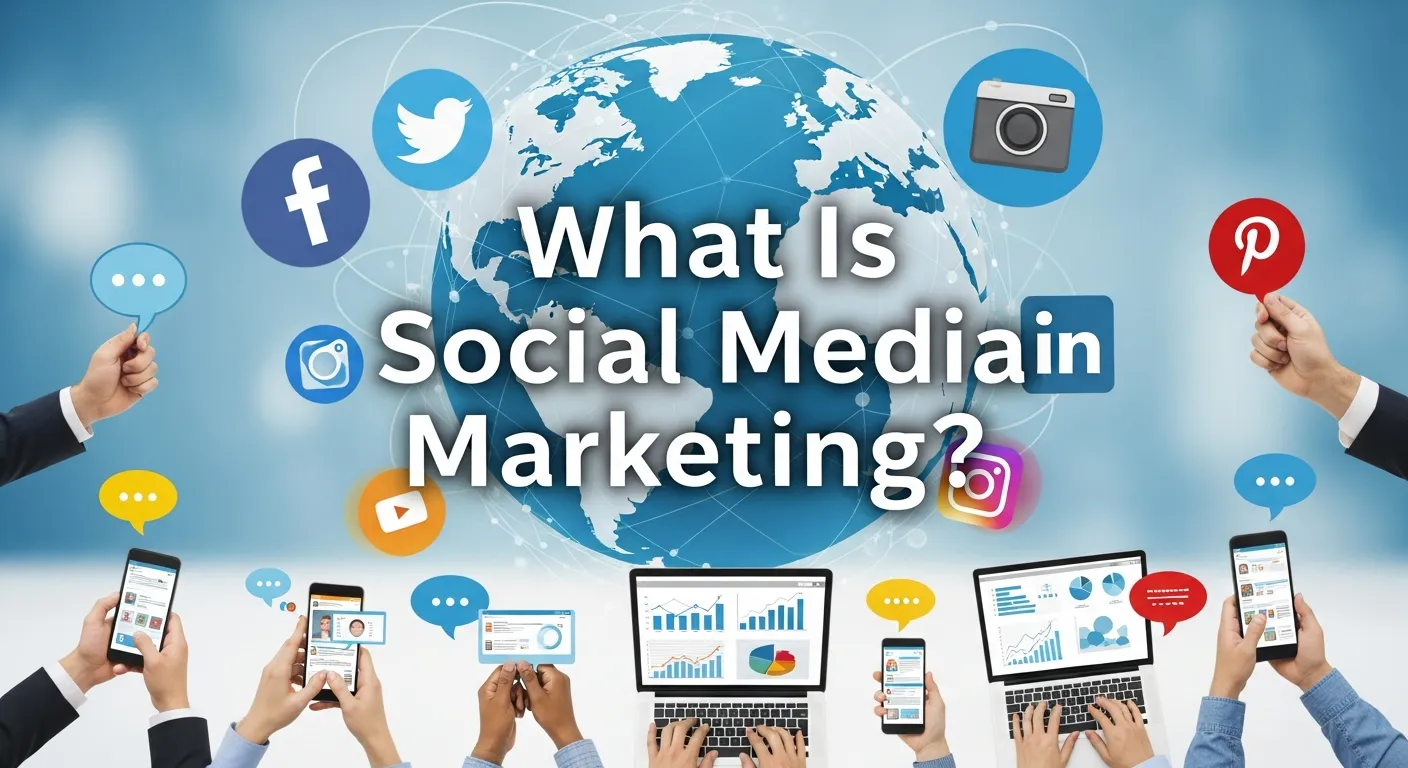
Social media marketing involves promoting products, services, or brands through platforms like Facebook, Instagram, Twitter, LinkedIn, and TikTok. This digital strategy focuses on creating engaging content, building communities, and fostering direct interactions with customers.
Key components of social media marketing include:
- Content creation and sharing: Regular posts, stories, videos, and live streams
- Community engagement: Responding to comments, messages, and user-generated content
- Paid advertising: Targeted ads based on demographics, interests, and behaviors
- Influencer partnerships: Collaborating with content creators to reach new audiences
- Analytics and optimization: Tracking performance metrics to improve campaign effectiveness
Social media marketing emphasizes two-way communication, allowing brands to receive immediate feedback and build relationships with their audience. This approach leverages the viral nature of social platforms, where compelling content can spread rapidly beyond the initial target group.
What Is Traditional Marketing?
Traditional marketing encompasses conventional advertising methods that existed before the digital revolution. These time-tested approaches include print advertisements, television commercials, radio spots, billboards, direct mail, and telemarketing.
Common traditional marketing channels include:
- Print media: Newspapers, magazines, brochures, and flyers
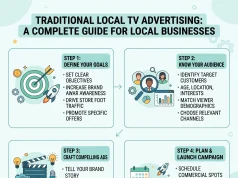
- Broadcast media: Television and radio advertisements
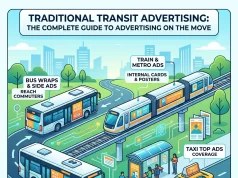
- Outdoor advertising: Billboards, transit ads, and signage
- Direct mail: Postcards, catalogs, and promotional letters
- Event marketing: Trade shows, conferences, and sponsorships
Traditional marketing typically follows a one-way communication model, where businesses broadcast messages to large audiences without expecting immediate interaction. This approach focuses on brand awareness, credibility, and reaching consumers through established media channels.
Cost Comparison: Budget Allocation Strategies
The financial investment required for social media marketing and traditional marketing varies significantly, affecting which businesses can effectively use each approach.
Social Media Marketing Costs
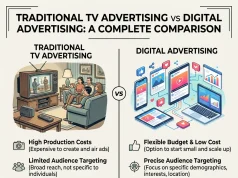
Social media marketing often requires lower upfront costs, making it accessible to businesses of all sizes. Small businesses can start with organic content creation, requiring only time and creativity. Paid social media advertising allows for flexible budgeting, with campaigns starting at just a few dollars per day.
Monthly social media marketing expenses typically include:
- Content creation tools and software
- Paid advertising budgets
- Staff time or agency fees
- Analytics and management platforms
The scalable nature of social media advertising means businesses can adjust spending based on performance and available budget.
Traditional Marketing Costs
Traditional marketing generally requires larger upfront investments. Television commercials, magazine advertisements, and billboard placements often come with minimum spending requirements that can be prohibitive for small businesses.
Typical traditional marketing expenses include:
- Media buying costs (TV, radio, print space)
- Creative production (filming, photography, design)
- Distribution and printing costs
- Agency or consultant fees
While traditional marketing costs are higher, they often provide broader reach and can be more cost-effective for large-scale campaigns targeting mass audiences.
Audience Reach and Targeting Capabilities
Both marketing approaches offer unique advantages when it comes to reaching and connecting with target audiences.
Social Media Audience Reach
Social media platforms provide sophisticated targeting options based on user data, interests, and behaviors. Businesses can reach specific demographics, geographic locations, and interest groups with remarkable precision. The global nature of social media also enables companies to expand their reach beyond traditional geographic boundaries.
However, social media reach depends on platform algorithms, which can limit organic content visibility. Paid advertising helps overcome these limitations but requires ongoing investment to maintain visibility.
Traditional Marketing Audience Reach
Traditional marketing excels at reaching broad, local audiences through established media channels. Television and radio campaigns can achieve massive reach during peak viewing hours, while local newspapers and billboards effectively target geographic markets.
The challenge with traditional marketing lies in precise targeting. While television shows and publications attract specific demographics, the targeting capabilities are less refined compared to digital platforms.
Measuring Success and ROI

The ability to track and measure marketing effectiveness differs substantially between these two approaches.
Social Media Analytics
Social media platforms provide detailed analytics and real-time performance data. Marketers can track engagement rates, click-through rates, conversion rates, and customer acquisition costs with precision. This immediate feedback allows for quick campaign adjustments and optimization.
Key social media metrics include:
- Reach and impressions
- Engagement rates (likes, shares, comments)
- Website traffic and conversions
- Cost per acquisition
- Return on ad spend
Traditional Marketing Measurement
Traditional marketing measurement relies on broader indicators and longer-term analysis. Television ratings, circulation numbers, and brand awareness surveys provide insights into campaign reach, but connecting these metrics to specific business outcomes can be challenging.
Traditional marketing measurement methods include:
- Brand awareness surveys
- Market research studies
- Coupon redemption rates
- Call tracking numbers
- Sales correlation analysis
While less precise than digital metrics, traditional marketing measurement can capture brand impact and long-term customer value that may not be immediately apparent in social media analytics.
Speed and Flexibility
The pace at which campaigns can be launched, modified, and optimized varies greatly between social media and traditional marketing.
Social Media Speed Advantage
Social media marketing operates at digital speed. Campaigns can launch within hours, and adjustments can be made in real-time based on performance data. This agility allows businesses to respond quickly to market changes, trending topics, or competitive activities.
The immediate nature of social media also enables rapid customer feedback and crisis management, helping businesses maintain their reputation and customer relationships.
Traditional Marketing Timeline
Traditional marketing typically requires longer lead times for planning, production, and distribution. Television commercials may take weeks or months to produce and air, while print advertisements require advance booking and production schedules.
However, this longer timeline can be advantageous for comprehensive campaign planning and ensuring consistent messaging across multiple channels.
Brand Longevity: Short-Term Buzz vs. Long-Term Recall
Marketing isn’t just about immediate results—it’s also about how your brand is remembered over time. Social media marketing and traditional marketing create brand impressions in different ways:
Social Media Marketing
- Produces rapid buzz around promotions, trends, or viral content.
- Ideal for short-term campaigns, product launches, and real-time events.
- Engagement can fade quickly without continuous posting and ad spend.
- Relies heavily on algorithm visibility for sustained reach.
Traditional Marketing
- Establishes long-term brand recall through repeated exposure.
- Print ads, radio, and TV campaigns create a lasting impression in consumer memory.
- Builds credibility through association with trusted media channels.
- Tangible advertising (brochures, posters, direct mail) can remain in homes or offices for weeks, even months.
Key Insight:
For sustainable brand growth, social media can drive short-term excitement, while traditional marketing ensures your brand is remembered and trusted over the long haul. A combined strategy balances immediacy with durability.
Choosing the Right Marketing Mix
The decision between social media marketing and traditional marketing isn’t always either-or. Many successful businesses combine both approaches to maximize their marketing effectiveness.
Consider social media marketing when you want to:
- Build direct relationships with customers
- Target specific demographics or interests
- Operate with limited budgets
- Respond quickly to market changes
- Track detailed performance metrics
Consider traditional marketing when you need to:
- Reach broad, local audiences
- Build credibility and brand authority
- Target older demographics
- Create lasting brand impressions
- Complement digital marketing efforts
Customer Engagement: Depth vs. Breadth

Understanding how each marketing approach engages customers is crucial for shaping your strategy. Social media marketing and traditional marketing excel in different types of engagement, which can influence your brand’s long-term success.
Social Media Engagement
- Two-way interaction: Platforms allow businesses to reply to comments, conduct polls, and address customer concerns in real-time.
- Community building: Brands can cultivate loyal followings through consistent content, storytelling, and user-generated campaigns.
- Viral potential: Highly shareable content can rapidly reach new audiences beyond your initial target.
- Personalization: Ads and content can be tailored to individual preferences using analytics and tracking.
Traditional Marketing Engagement
- One-to-many approach: Broadcasts messages to a larger audience without expecting immediate feedback.
- Credibility and authority: Ads in reputable publications or on trusted radio/TV channels inherently carry trust signals.
- Tangible interactions: Print media, billboards, and in-store displays create physical, memorable touchpoints.
- Emotional connection through storytelling: Television and radio campaigns can evoke strong emotions, making brand recall stronger.
Engagement Comparison
| Feature | Social Media Marketing | Traditional Marketing |
|---|---|---|
| Interaction | Real-time, two-way | One-way, delayed |
| Personalization | High | Low |
| Reach | Targeted, potentially global | Broad, often local or regional |
| Emotional Impact | Moderate (depends on content) | High (TV, radio, print storytelling) |
| Virality Potential | Very high | Low |
By combining both approaches, businesses can achieve both deep engagement (social media) and wide-reaching emotional impact (traditional marketing).
Integrated Marketing Strategies: The Best of Both Worlds
Rather than choosing one over the other, businesses today are increasingly adopting integrated marketing strategies that leverage the unique strengths of both social media and traditional marketing.
Practical Integration Tactics:
- Cross-promotion: Feature social media handles on print ads, billboards, and TV commercials. Encourage audiences to continue the experience online.
- Event amplification: Promote in-person events (trade shows, store openings) through social media campaigns and offline marketing like flyers or radio ads.
- Consistent storytelling: Use traditional media to build credibility and emotional resonance, while social media deepens engagement and facilitates two-way conversations.
- Tracking offline impact digitally: Add QR codes to print media or TV ads, directing users to landing pages to measure conversions and engagement.
- Retargeting campaigns: Capture offline leads from events or direct mail, then retarget them with social media ads to reinforce brand messaging.
Example Integrated Campaign:
- TV Commercial: Launch a new product with an emotional story.
- Social Media Follow-up: Post behind-the-scenes videos, polls, and user-generated content to engage the audience.
- Print/Direct Mail: Send brochures with QR codes linking to online tutorials or promotions.
- Event/Experiential Marketing: Invite customers to try the product in-store or at a pop-up event.
By strategically combining both channels, brands create multiple touchpoints, increasing reach, engagement, and long-term customer loyalty.
The Future of Marketing Strategy
The marketing landscape continues evolving as consumer behaviors and technology advance. Successful businesses will likely adopt integrated approaches that leverage the strengths of both social media and traditional marketing.
Social media marketing offers unparalleled targeting precision, cost-effectiveness, and real-time engagement opportunities. Traditional marketing provides broad reach, credibility, and proven effectiveness for mass market campaigns.
Your optimal marketing mix depends on your specific business goals, target audience characteristics, budget constraints, and industry requirements. Consider starting with a small test campaign in each approach to gather data about what works best for your unique situation.
Conclusion
A successful marketing strategy blends social media and traditional marketing strengths. Social media drives engagement and precision targeting, while traditional methods ensure broad reach and credibility. Integrating both approaches allows brands to connect with audiences effectively, build trust, and sustain long-term growth.
FAQs: Social Media Marketing vs Traditional Marketing
What is social media marketing?
Promoting products or services through platforms like Facebook, Instagram, TikTok, and LinkedIn to engage audiences and build communities.
What is traditional marketing?
Advertising using offline methods like TV, radio, print, billboards, and direct mail to reach large audiences.
Which is more cost-effective?
Social media marketing usually has lower upfront costs and scalable budgets, while traditional marketing often requires higher initial investments.
Which offers better audience targeting?
Social media allows precise targeting by demographics, interests, and behaviors, whereas traditional marketing targets broader, often local, audiences.
How quickly can campaigns be launched?
Social media campaigns can launch within hours; traditional campaigns take longer due to production and distribution timelines.
Which drives short-term vs long-term results?
Social media creates immediate buzz, while traditional marketing builds lasting brand recall and credibility.
Can small businesses benefit from both?
Yes, small businesses can start with low-cost social media campaigns and selectively use traditional channels to boost credibility and reach.
How is performance measured?
Social media uses analytics like engagement, reach, and conversion rates; traditional marketing relies on surveys, coupon redemption, and sales correlations.
Which approach fosters customer engagement?
Social media enables two-way interactions and community building; traditional marketing provides one-way messaging with emotional and physical touchpoints.
Is it better to choose one over the other?
No, combining social media and traditional marketing often delivers the best balance of reach, engagement, and brand impact.
How can both be integrated effectively?
Use QR codes, cross-promotion, retargeting, and consistent storytelling to connect offline and online channels seamlessly.
What’s the future of marketing strategy?
Integrated marketing combining social media precision with traditional credibility will dominate, adapting to evolving consumer behavior and technology.