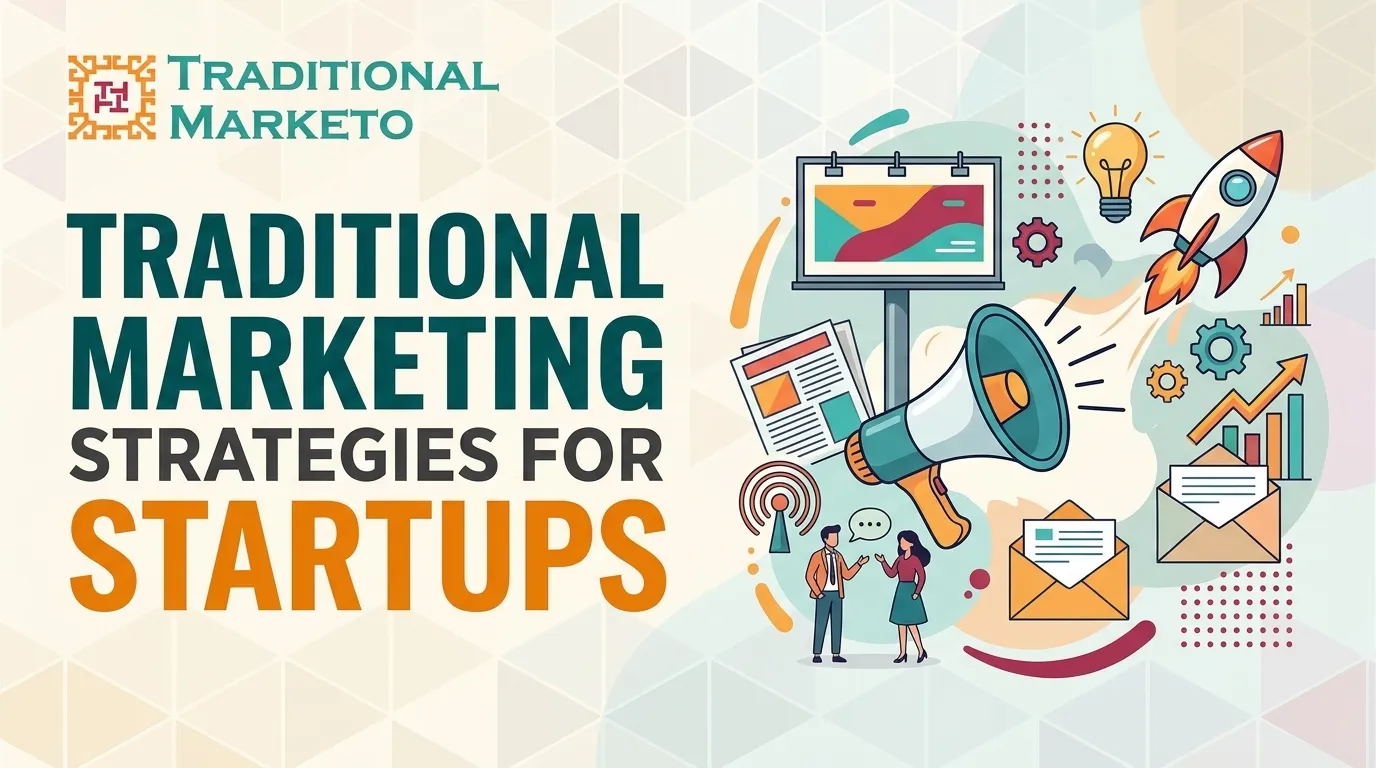
Starting a new business requires more than offering quality products or services. Startups also need effective marketing strategies to attract customers, establish brand awareness, and build trust in their local markets. Although digital marketing has become increasingly popular, traditional marketing remains a valuable way to connect with potential customers through direct and personal communication.
Traditional Marketing Strategies for Startups can help new businesses reach audiences who may not actively engage with online advertisements or social media platforms. Methods such as newspaper advertising, flyers, direct mail, networking, community events, and word-of-mouth recommendations allow businesses to create meaningful connections with customers. This guide explores practical and affordable traditional marketing methods that startups can use to increase visibility, attract new customers, and develop long-term relationships. Whether you operate a small local shop or a growing company, these approaches can help you build a recognizable brand and support sustainable business growth.
Traditional Marketing Techniques for Small Businesses
Small businesses often operate with limited budgets, making it important to choose marketing methods that deliver measurable results. Traditional Marketing Strategies for Startups offer several opportunities to promote products and services without depending entirely on expensive digital campaigns. Newspaper advertisements, brochures, business cards, banners, and local radio promotions are some of the most common traditional marketing techniques. These methods help businesses reach people within specific communities and introduce their offerings to potential customers. For example, a neighborhood restaurant can distribute promotional flyers to nearby households, while a retail store can advertise seasonal discounts in a local newspaper.
Another effective technique is building relationships with other local businesses. Partnerships, referrals, and community sponsorships can introduce a startup to an established customer base. Small businesses can also distribute branded materials at relevant locations to improve brand recognition. Successful marketing requires consistency. Rather than investing in every available advertising channel, startups should identify the methods their target customers respond to and focus on those opportunities. A well-planned marketing approach can support long-term growth while keeping promotional expenses under control.
Offline Marketing Strategies for Startups
Offline marketing allows businesses to communicate with customers outside digital platforms. Despite the popularity of social media and search engines, many consumers still respond positively to face-to-face interactions, physical advertisements, and recommendations from people they trust. Traditional Marketing Strategies for Startups can include participating in community activities, distributing printed promotional materials, attending trade shows, and displaying outdoor advertisements. These methods are particularly useful for businesses targeting customers within a specific geographical area.
For instance, a new fitness center can organize a free community workout session to introduce its services. Similarly, a startup selling handmade products can participate in local markets where visitors can examine products and communicate directly with the business owner. Offline marketing can also complement online promotional activities. A company can include its website, social media information, and contact details on printed advertisements. This creates an easy way for interested customers to move from offline awareness to online engagement. Startups looking to develop a broader promotional approach can explore trend marketing mastery to understand how different marketing approaches contribute to brand awareness and business development.
Cost-Effective Traditional Advertising Methods
 One of the biggest challenges for startups is advertising without spending more than they can afford. Fortunately, effective promotion does not always require television commercials or expensive billboard campaigns. Several affordable advertising options can help new businesses reach potential customers. Traditional Marketing Strategies for Startups become more effective when companies focus on targeted advertising instead of trying to reach everyone. Printing flyers, distributing coupons, creating attractive business cards, and placing advertisements in community newsletters can be affordable ways to introduce a brand.
Referral campaigns are another cost-effective option. Businesses can encourage satisfied customers to recommend their products or services to friends and family. Offering small discounts or special rewards for successful referrals can motivate customers to spread positive recommendations. Local sponsorships can also provide valuable exposure. Supporting a school activity, community event, or neighborhood organization allows a startup to introduce its brand to people who already have connections with the community. Before spending money on any advertising campaign, business owners should identify their expected audience and marketing goals. Tracking inquiries, promotional codes, customer visits, and sales can help determine whether an advertising method is generating worthwhile results.
Traditional Advertising for New Businesses
New businesses need to establish credibility before they can develop a loyal customer base. Traditional advertising can help startups introduce themselves to potential customers and communicate why their products or services deserve attention. Traditional Marketing Strategies for Startups are especially useful during the early stages of business development because they provide opportunities to build recognition within a target market. Newspaper advertisements, local radio commercials, posters, outdoor banners, and community announcements can introduce a new business to people who may not have discovered it online.
For example, a newly opened beauty salon can advertise introductory offers through local newspapers and distribute promotional leaflets around nearby residential areas. A new grocery store can use roadside banners and community announcements to inform residents about its opening. Television advertising can also be considered when a startup has sufficient resources and wants to reach a larger audience. Businesses interested in this approach can learn more through online business TV advertising, which provides useful context about television-based promotional opportunities. The most important factor is selecting an advertising channel that matches the business’s audience, location, and available budget. A focused campaign with a clear message can create stronger results than advertising across multiple channels without a defined strategy.
Print Marketing Strategies for Startups
Print marketing remains an effective way to provide customers with physical information about a business. Unlike temporary online advertisements, printed materials can be kept, shared, displayed, and revisited whenever customers need them. Traditional Marketing Strategies for Startups can include brochures, product catalogs, business cards, posters, postcards, and promotional leaflets. These materials help communicate important information about a company, including its services, pricing, location, and contact details.
Brochures are particularly useful for businesses that offer multiple products or services. They allow companies to present detailed information in an organized format while maintaining a professional brand image. Business cards are another valuable resource for entrepreneurs who regularly attend meetings, networking sessions, and industry events. Design quality plays an important role in print marketing. Startups should use readable fonts, consistent branding, attractive images, and clear messages. Every printed item should also include accurate contact information and an effective call to action. Print marketing can be combined with digital resources by including website addresses or QR codes. This allows customers to access additional information while maintaining the personal appeal of traditional promotional materials.
Direct Mail Marketing for Small Businesses
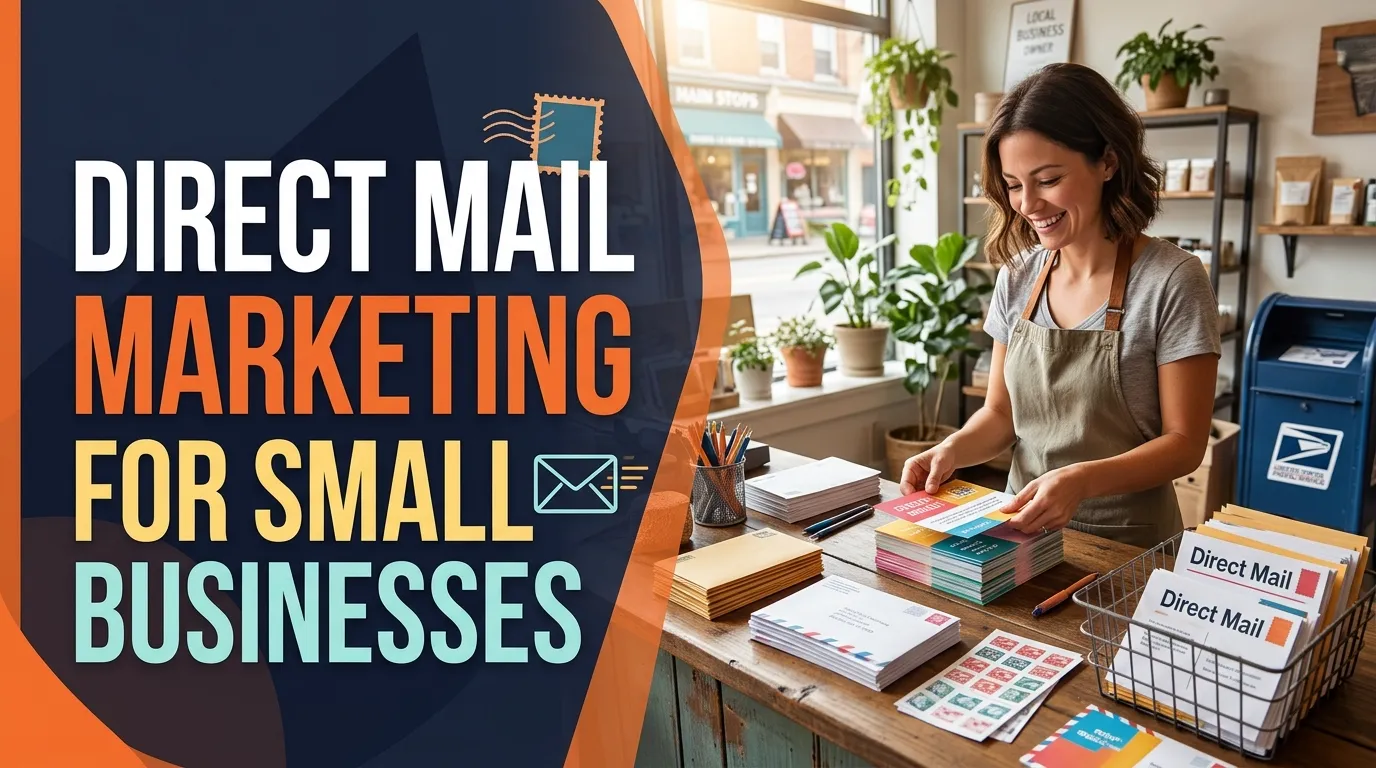 Direct mail marketing involves sending promotional materials directly to customers through physical mail. It is a useful approach for businesses that want to communicate with specific households, neighborhoods, or customer groups. Traditional Marketing Strategies for Startups can incorporate postcards, promotional letters, discount coupons, product catalogs, and personalized offers. These materials provide an opportunity to communicate directly with potential customers instead of competing for attention on crowded digital platforms.
For example, a local dental clinic can send introductory postcards to nearby households, while a home cleaning company can distribute service brochures to residents within its operating area. A retail business can also send seasonal discount offers to previous customers to encourage repeat purchases. Personalization can improve the effectiveness of direct mail campaigns. Using appropriate customer information, businesses can create messages that reflect the interests and needs of their intended audience. However, companies should always respect privacy requirements and use mailing lists responsibly.
It is also important to measure campaign performance. Unique discount codes, dedicated phone numbers, and promotional offers can help identify how many customers respond to a direct mail campaign. When planned carefully, direct mail can become a valuable part of a startup’s customer acquisition and retention strategy.
Local Marketing Strategies for Startups
Local marketing focuses on reaching customers within a particular city, neighborhood, or geographical area. It is especially important for startups that operate physical stores or provide services within a limited location. Traditional Marketing Strategies for Startups can support local visibility through community sponsorships, printed advertisements, local newspapers, neighborhood events, outdoor signs, and partnerships with nearby businesses.
A new coffee shop, for example, can distribute discount vouchers to nearby offices and residential communities. A local repair service can place promotional materials in relevant community locations and develop referral relationships with property managers. Participating in local activities is another effective way to build recognition. Businesses can support charity events, sponsor sports teams, or participate in community festivals. These activities create opportunities to interact with potential customers while demonstrating a commitment to the local community.
Startups should also maintain a consistent brand identity across their offline and online presence. A clear business name, recognizable logo, professional signage, and accurate contact details help customers remember the company. Business owners interested in developing a broader approach to growth can also explore effective business strategy for additional perspectives on planning and business development.
Word-of-Mouth Marketing Techniques
Word-of-mouth marketing is one of the most valuable promotional methods for startups because it relies on customer experiences and personal recommendations. People are often more comfortable trying a new product or service when someone they trust recommends it. Traditional Marketing Strategies for Startups should prioritize customer satisfaction because positive experiences naturally encourage people to share their opinions with others. A satisfied customer can introduce a business to friends, relatives, coworkers, and members of their community.
Providing excellent customer service is the foundation of successful word-of-mouth marketing. Businesses should respond professionally to customer questions, deliver products as promised, resolve complaints quickly, and maintain consistent quality. Startups can also encourage recommendations through referral incentives, loyalty rewards, and customer appreciation programs. For example, a local clothing store might offer a discount to customers who introduce new buyers to the business.
Authenticity is essential. Companies should never pressure customers into giving positive recommendations or create misleading testimonials. Genuine feedback and consistently good service are more valuable for building a trustworthy reputation. Over time, strong customer relationships can turn existing buyers into brand advocates who help a startup attract new customers without requiring a large advertising budget.
Networking and Event Marketing for Startups
Networking and event marketing provide opportunities for startups to connect directly with customers, business owners, investors, suppliers, and potential partners. Personal conversations can create stronger professional relationships than many traditional advertising methods. Traditional Marketing Strategies for Startups can include attending trade exhibitions, business conferences, community fairs, product demonstrations, industry meetings, and local networking events.
These activities allow entrepreneurs to explain their products, answer questions, demonstrate services, and receive immediate feedback. For example, a startup selling organic skincare products can participate in a local trade fair where visitors can test products and speak directly with representatives. Organizing an event can also increase brand visibility. A new business might host a product launch, free workshop, educational seminar, or customer appreciation day. These activities create memorable experiences and give potential customers a reason to interact with the brand.
Preparation is important for successful networking. Startups should bring professional business cards, promotional brochures, product samples, and clear information about their offerings. Following up with interested contacts after an event can help convert initial conversations into meaningful business opportunities. Combining networking with other promotional activities can strengthen a company’s overall marketing efforts. Businesses can also learn about digital products for beginners when exploring additional ways to expand their offerings and create new revenue opportunities.
Traditional vs Digital Marketing for Startups
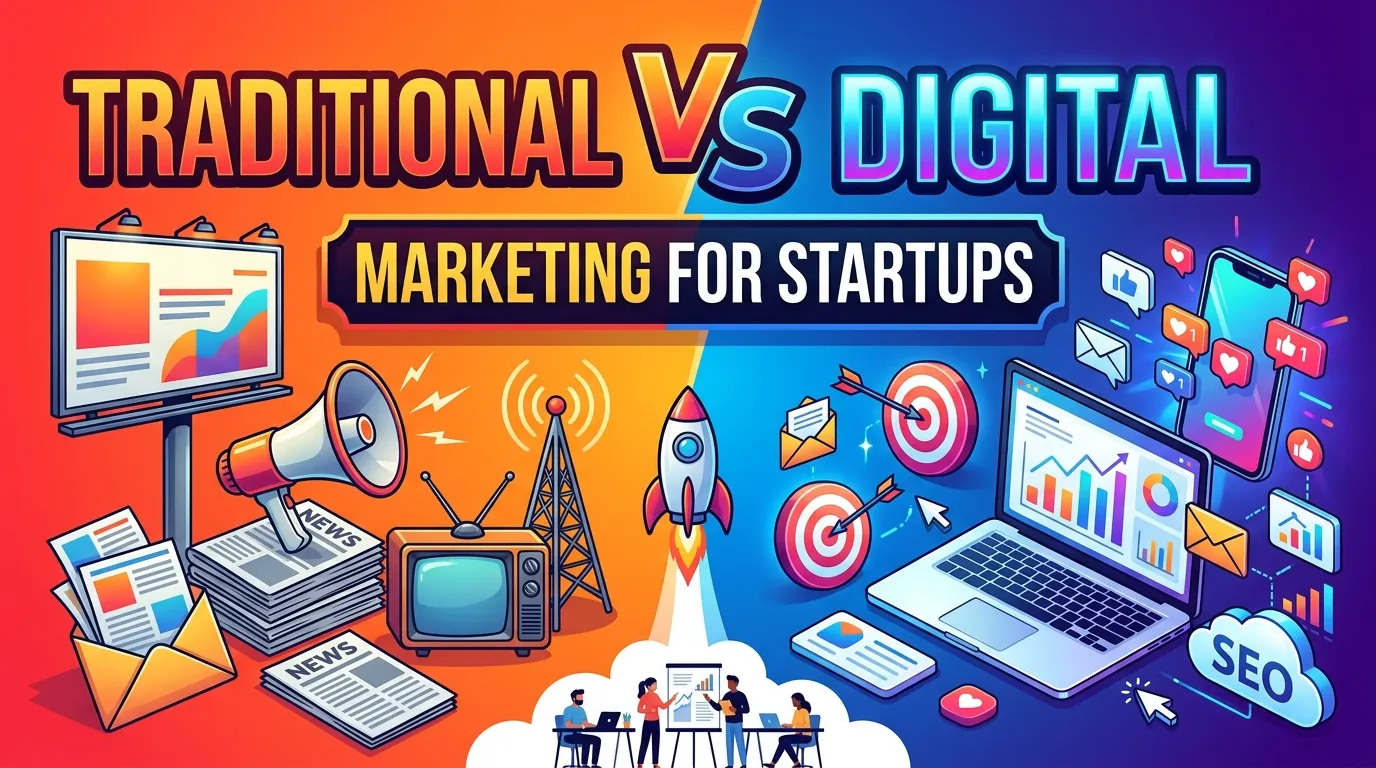 Traditional and digital marketing both offer valuable opportunities for startups, but they reach audiences in different ways. Traditional marketing generally includes offline promotional methods such as newspapers, magazines, television, radio, billboards, brochures, and direct mail. Digital marketing uses internet-based channels such as websites, search engines, email, and social media. Traditional Marketing Strategies for Startups are particularly useful for reaching local communities, building personal relationships, and creating physical brand recognition. Digital marketing, on the other hand, allows businesses to reach broader audiences, target specific customer groups, and monitor campaign performance through online analytics.
For example, a new restaurant can distribute printed menus and advertise through local newspapers while maintaining an active social media presence. The printed materials can attract nearby residents, while online campaigns can reach people searching for restaurants in the area. Digital platforms also provide opportunities to expand the impact of traditional advertising. A company can use social media marketing to share photographs from community events, promote printed offers, and encourage customers to interact with its brand online.
Similarly, businesses with advertising budgets can explore paid advertising to understand how paid promotional campaigns can complement their wider marketing activities. Neither approach needs to replace the other. Startups should consider their target audience, business model, marketing objectives, and available resources before choosing their promotional channels. An integrated marketing strategy often delivers the best results because it combines the personal connection of traditional advertising with the reach, flexibility, and measurement capabilities of digital marketing.
Conclusion
Building a successful startup requires a consistent approach to attracting customers and establishing brand awareness. Traditional marketing continues to provide practical opportunities for new businesses to connect with local communities, develop customer relationships, and promote their products or services. From print advertising and direct mail to networking, local sponsorships, and word-of-mouth recommendations, each method offers different benefits depending on a company’s goals and audience. The most effective approach is to select affordable promotional channels, communicate a clear message, and measure customer responses. Startups should also consider combining offline and online activities to create a more complete marketing strategy. With careful planning and consistent execution, traditional marketing can remain an important part of long-term business growth.
FAQ
1. What are traditional marketing strategies for startups?
Traditional marketing strategies for startups are promotional methods that use offline channels to reach potential customers. Examples include newspaper advertisements, radio commercials, flyers, brochures, billboards, direct mail, networking, and community events.
2. Why is traditional marketing important for small businesses?
Traditional marketing helps small businesses reach local audiences, establish brand recognition, and build personal relationships with customers. It can also help businesses connect with people who may not regularly use digital platforms.
3. What is the most affordable traditional marketing method for startups?
Flyers, business cards, referral programs, community partnerships, and local networking are generally affordable options. The best choice depends on the target audience, business location, and available promotional budget.
4. Is print marketing still effective for startups?
Yes, print marketing can still be effective when businesses use relevant materials and target the right audience. Brochures, posters, postcards, and business cards can help communicate information and create lasting brand recognition.
5. How can startups use direct mail marketing?
Startups can send promotional postcards, discount coupons, brochures, and personalized letters to selected households or customers. Using relevant offers and tracking responses can help improve campaign performance.
6. How does word-of-mouth marketing help new businesses?
Word-of-mouth marketing helps startups attract customers through personal recommendations. Positive customer experiences encourage people to recommend products and services to friends, family members, and colleagues.
7. What is the best local marketing strategy for a startup?
The best local marketing strategy depends on the business and its audience. Community sponsorships, local events, printed advertisements, referral programs, and partnerships with nearby businesses are useful starting points.
8. How much should a startup spend on traditional marketing?
There is no fixed amount that every startup should spend. Businesses should establish a realistic marketing budget based on their financial resources, target audience, and expected return. Starting with affordable campaigns and measuring their results is a practical approach.
9. Is traditional marketing better than digital marketing?
Neither approach is universally better. Traditional marketing is useful for local visibility and personal connections, while digital marketing offers broader reach and detailed performance tracking. Combining both can help startups achieve stronger results.
10. Can traditional marketing help a startup grow in the long term?
Yes, traditional marketing can support long-term growth by building brand awareness, strengthening customer relationships, and generating referrals. Consistent promotion and positive customer experiences can help a startup develop a loyal customer base.