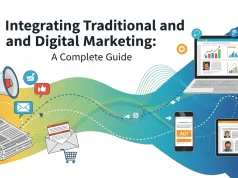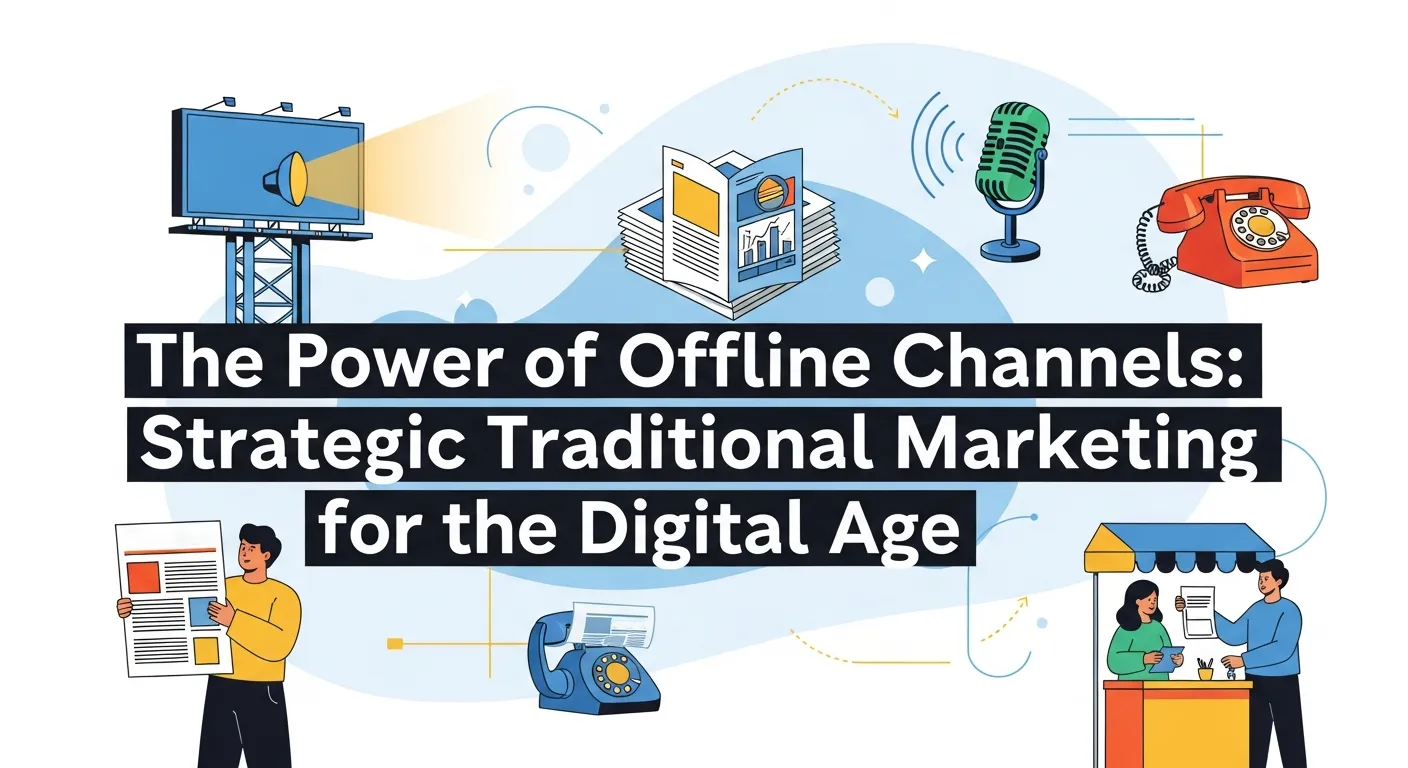
In a world dominated by social media algorithms and pay-per-click bids, it’s easy to overlook the proven impact of traditional marketing. Yet, when executed thoughtfully, offline channels can create powerful brand touchpoints, build local trust, and complement your digital campaigns.
In this comprehensive guide, we explore why traditional marketing still matters, highlight the most effective offline tactics, and show you how to integrate them seamlessly with your online efforts.
Why Traditional Marketing Still Matters
Despite skyrocketing digital ad budgets, 62% of consumers say they trust print ads more than online ads. Nielsen reports that outdoor advertising delivers an average ROI of 6:1, rivaling many digital channels. Traditional marketing isn’t about choosing between old and new—it’s about creating a holistic, multi-channel experience that reaches customers where they live their daily lives. Offline Marketing strategies can:
- Build tangible brand recognition with business cards, brochures, and posters
- Drive foot traffic via local events, direct mail, and outdoor signage
- Reinforce digital messages by extending them into the physical world
- Reach demographics that are less active online, such as seniors or rural communities
Key Offline Marketing Channels
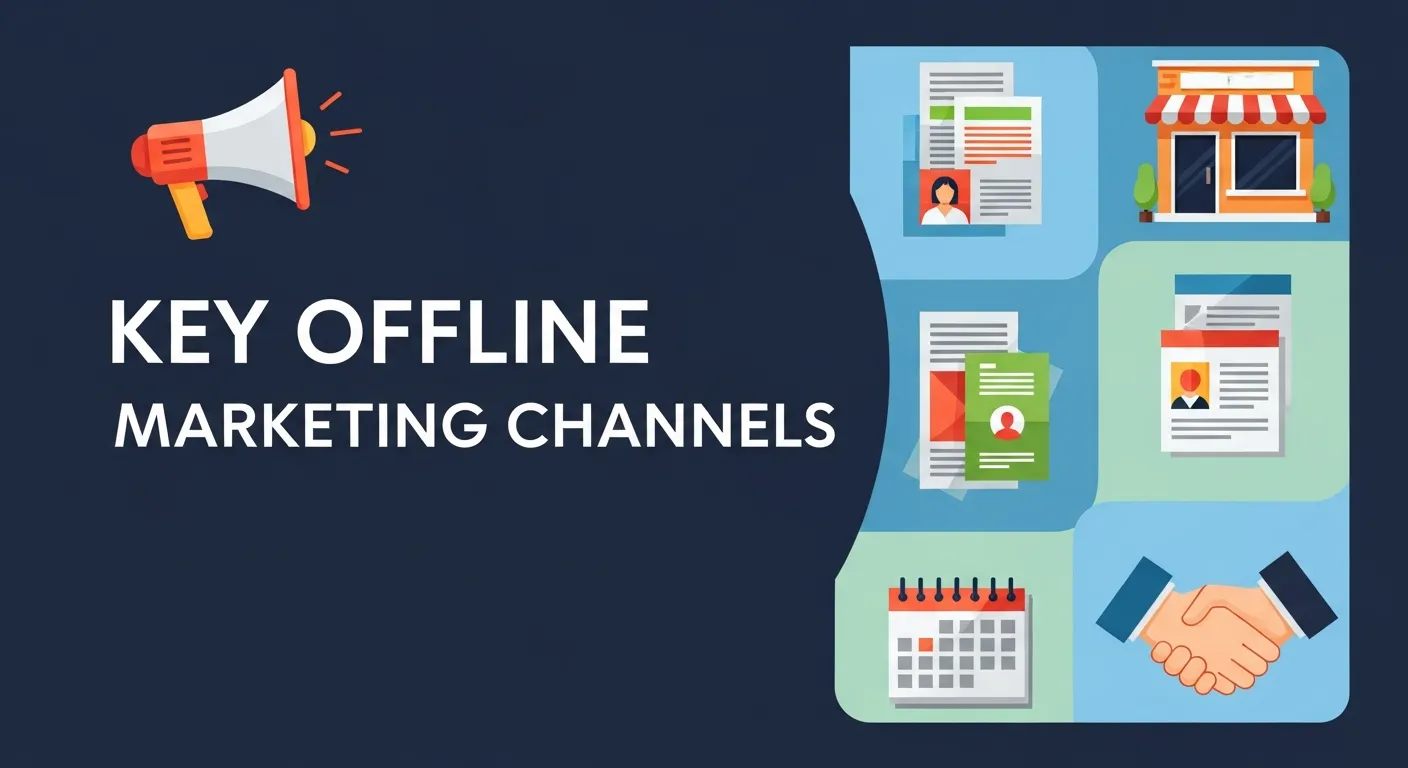
1. Print Advertising
Print media—including newspapers, magazines, and trade journals—remains a trusted source of information. To maximize impact:
- Select publications with strong local circulation or niche audiences aligned with your product
- Design ads with bold headlines and clear calls-to-action (coupons, QR codes, vanity URLs)
- Run consistent campaigns over several weeks to build recognition
2. Direct Mail
Personalized postcards, catalogs, and dimensional mailers can cut through the digital noise. Best practices include:
- Segmenting your mailing list by geography, purchase history, or demographics
- Crafting attention-grabbing designs with a clear value proposition
- Including trackable elements like promo codes or dedicated landing pages
3. Outdoor & Transit Advertising
Billboards, bus shelters, and vehicle wraps offer constant exposure to commuters. To optimize your spend:
- Choose high-traffic locations near retail stores or event venues
- Keep messaging concise—viewers often have only 3–5 seconds
- Incorporate bold imagery and your brand’s primary color palette
4. Events, Trade Shows & Sponsorships
Face-to-face interactions build credibility and foster deeper connections. Consider these tactics:
- Host workshops, seminars, or product demonstrations
- Partner with local organizations for sponsorship opportunities
- Leverage branded giveaways that offer ongoing visibility
Advertising Planning for Traditional Marketing Success
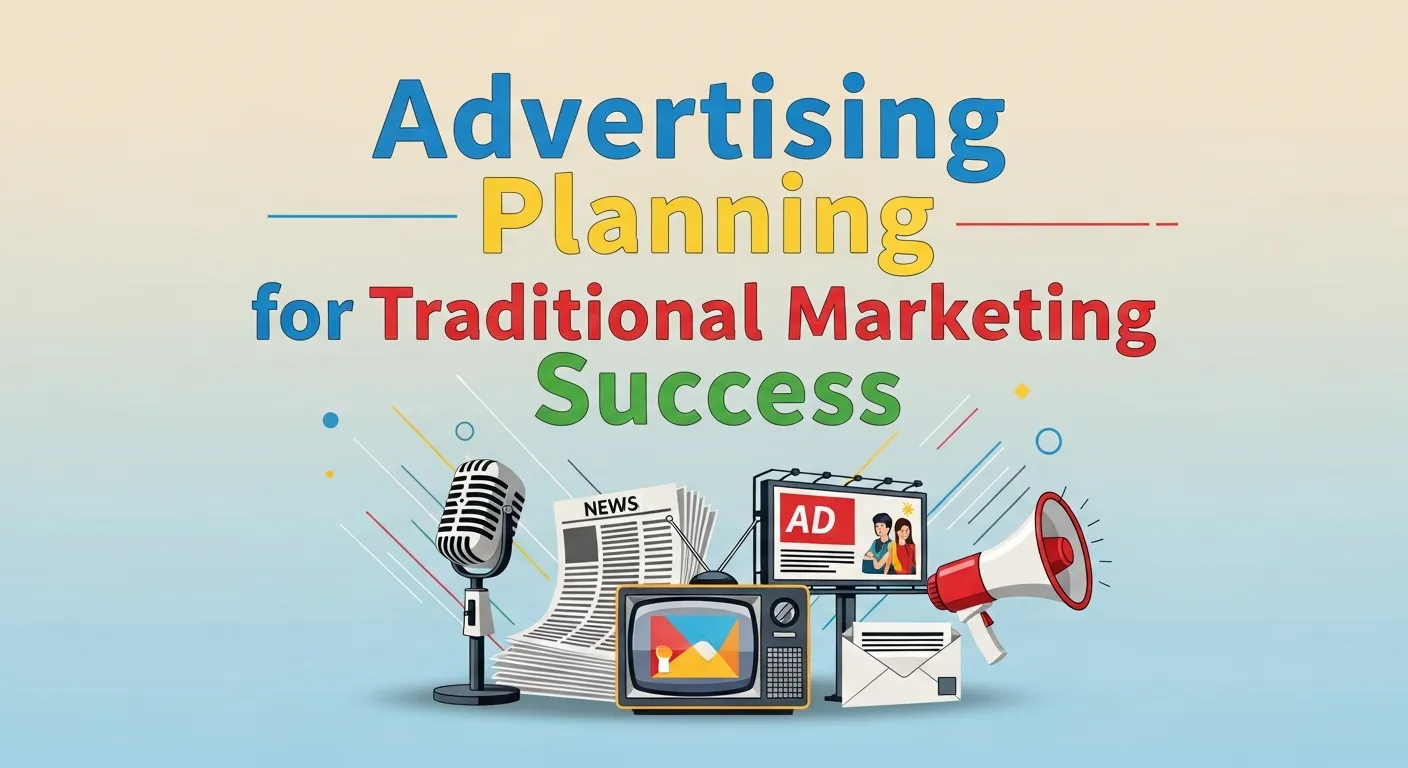
Effective traditional marketing doesn’t start with printing flyers or booking a radio spot—it starts with smart advertising planning. A well-structured plan ensures your offline efforts are aligned with business goals, audience behavior, and budget constraints. When offline channels are chosen strategically, they outperform one-off tactics and deliver consistent, measurable results.
For traditional marketing for small businesses, planning is especially critical. Limited budgets mean every offline campaign must work harder, reach the right audience, and connect clearly with digital follow-ups.
Key Elements of Offline Advertising Planning
A successful offline marketing plan should address the following components:
- Clear objectives: Brand awareness, foot traffic, lead generation, or event attendance
- Audience insights: Location, demographics, purchasing behavior, and media habits
- Channel selection: Choosing the most relevant traditional marketing platforms
- Creative consistency: Unified messaging, visuals, and tone across all offline channels
- Measurement strategy: Defined KPIs, tracking tools, and attribution methods
When these elements work together, offline marketing becomes intentional rather than experimental.
Choosing the Right Traditional Marketing Platforms
Not all offline channels deliver the same results for every business. Selecting the right platform depends on your industry, target market, and campaign goals. For example, radio marketing may work well for time-sensitive promotions, while direct mail excels at personalized offers.
Below is a comparison of common traditional marketing platforms and how they’re best used:
| Traditional Marketing Platform | Best Use Case | Ideal Audience | Key Benefits |
|---|---|---|---|
| Print Advertising | Brand awareness & credibility | Local & niche readers | High trust, long shelf life |
| Direct Mail | Promotions & personalization | Homeowners, local buyers | Tangible, targeted, trackable |
| Outdoor Advertising | Mass visibility | Commuters & urban audiences | Constant exposure |
| Radio Marketing | Promotions & reminders | Local commuters | High reach, frequency |
| Events & Sponsorships | Relationship building | Community & B2B audiences | Face-to-face engagement |
This framework helps businesses allocate budget wisely while maximizing the impact of offline marketing efforts.
Aligning Offline Channels with Business Goals
Each offline channel should serve a specific purpose within your overall strategy. Instead of spreading resources thin, focus on alignment:
- Use radio marketing to promote limited-time offers or upcoming events
- Leverage print advertising and direct mail for trust-building and local authority
- Support events with outdoor signage and follow-up mailers
- Reinforce offline exposure with digital retargeting and email campaigns
This layered approach ensures offline marketing doesn’t operate in isolation but strengthens the entire customer journey.
Why Structured Planning Improves Offline ROI
Without a plan, traditional marketing can feel difficult to measure. With proper advertising planning, offline campaigns become predictable, scalable, and optimizable. Businesses that document objectives, timelines, and tracking methods consistently report higher engagement, better attribution, and stronger brand recall.
In short, planning transforms offline marketing from a cost into an investment.
Designing an Integrated Campaign
Integration is key: your offline and online channels should reinforce one another. Start by defining a unifying theme or tagline that appears in every medium. Use QR codes or short URLs in print ads to drive recipients online, and amplify your event coverage through live streams and social posts. A synchronized calendar ensures consistent messaging and helps you track performance across touchpoints.
Audience Targeting & Personalization
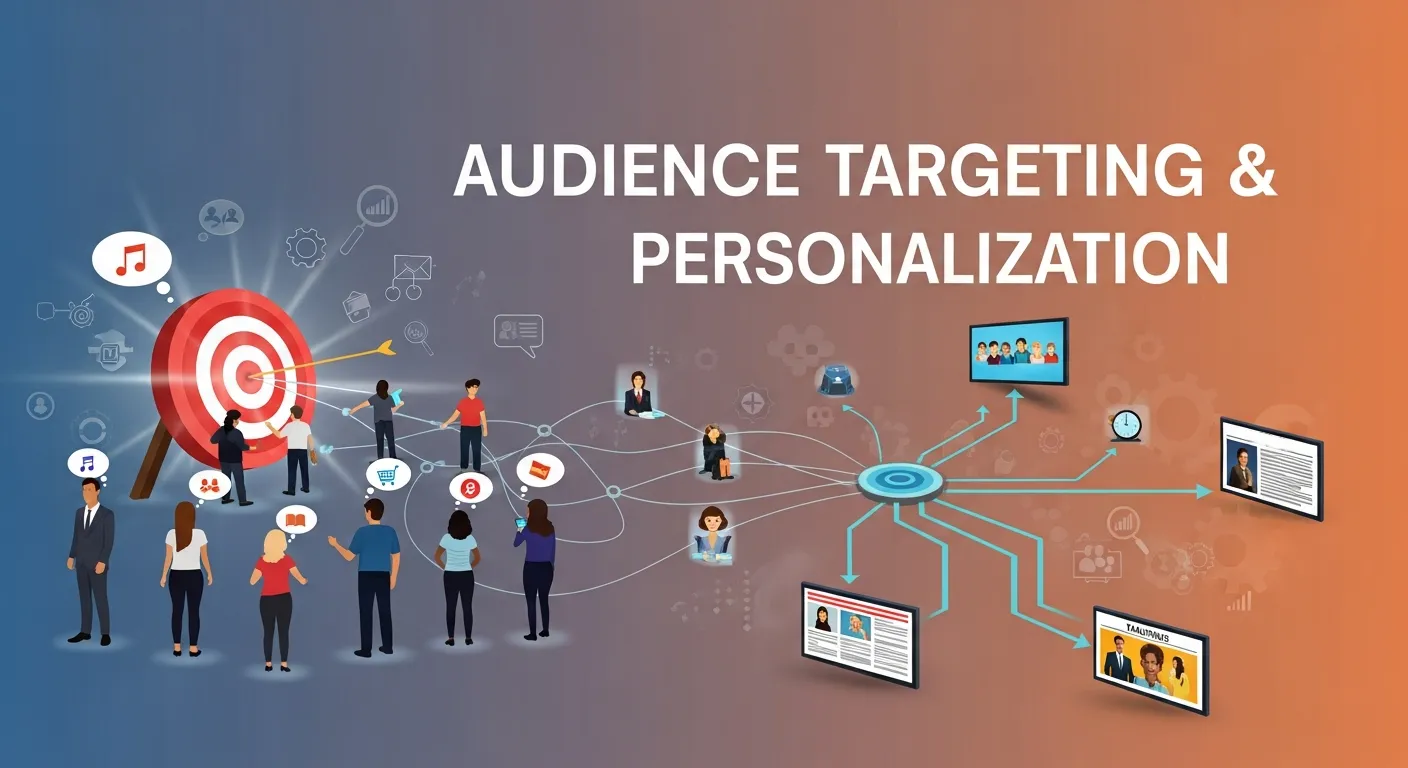
Segmentation isn’t just for emails or paid social campaigns. The same data-driven principles can dramatically improve the effectiveness of offline marketing by ensuring the right message reaches the right audience at the right time. When offline channels are personalized, they feel more relevant, less intrusive, and far more actionable.
Modern offline targeting techniques allow businesses to refine their reach with surprising precision:
- Geo-fencing and location data help determine where to place outdoor ads, distribute flyers, or send direct mail—ensuring campaigns focus on high-intent neighborhoods rather than broad, untargeted areas.
- Purchase history and CRM data enable customized mailing lists, personalized offers, and tailored promo codes that reflect past behavior and preferences.
- Demographic and psychographic research guides decisions around which print publications, radio stations, or community events best align with your audience’s interests and media habits.
Personalization plays a critical role in response rates. Addressing recipients by name, referencing previous purchases, or tailoring messaging to local needs makes offline campaigns feel intentional rather than generic. In fact, personalized direct mail can boost response rates by up to 40%, while targeted event invitations often lead to higher attendance, stronger engagement, and increased post-event conversions.
Measuring & Optimizing Offline ROI
Measuring the performance of offline marketing may seem challenging, but with the right tools in place, it’s both practical and insightful. The key is to treat offline campaigns with the same level of accountability as digital ones.
Businesses can track and optimize offline ROI using several proven methods:
- Unique promo codes, QR codes, and vanity URLs assigned to individual campaigns, locations, or channels
- Call tracking phone numbers that link inbound calls directly to specific ads, mailers, or radio spots
- Google Analytics tracking for custom URLs printed on brochures, posters, or event materials
- Point-of-sale surveys or staff prompts asking customers how they heard about your business
By analyzing performance before, during, and after an offline campaign, marketers can measure cost per acquisition, incremental revenue, and customer lifetime value. These insights allow teams to optimize creative, refine targeting, and reallocate budget toward the highest-performing offline channels—just like they would with digital advertising.
Success Stories & Best Practices
Real-world examples demonstrate how strategic offline marketing drives measurable results when executed correctly.
Local Café Rebrand
A neighborhood coffee shop launched a postcard campaign highlighting a new seasonal menu and refreshed brand identity. Supported by targeted newspaper ads and a weekend “Open House” event, the campaign generated renewed community interest and increased foot traffic by 28% within six weeks.
Regional Retailer Expansion
A regional clothing retailer used geo-targeted transit ads combined with promo codes in local magazines to support a new store launch. The campaign boosted in-store visits by 18% while also feeding digital remarketing audiences with high-intent shoppers who had already interacted with the brand offline.
Trade Show Product Launch
A B2B software company coordinated print mailers, outdoor banners, and live product demos at a major industry conference. By aligning offline touchpoints with post-event follow-up campaigns, the company achieved a 22% conversion rate on qualified leads and saw a measurable increase in branded search activity online.
Conclusion
Traditional marketing isn’t about nostalgia—it’s about adding depth and credibility to your brand narrative. By integrating offline channels with digital tactics, you create a seamless customer journey that builds trust, drives engagement, and maximizes ROI. Start by auditing your current mix, experiment with one new offline channel each quarter, and always track results so you can refine your strategy. In today’s crowded marketplace, the brands that stand out are the ones that master both pixels and print.
Ready to unlock the full potential of traditional marketing? Begin your integrated campaign today and watch your brand resonate—online and off.
Frequently Asked Questions (FAQ)
1. What is traditional marketing?
Traditional marketing refers to offline marketing strategies that don’t rely on the internet, such as print advertising, radio marketing, direct mail, billboards, events, and trade shows. These traditional marketing platforms focus on reaching audiences through physical and broadcast channels rather than digital media.
2. Is traditional marketing still effective in the digital age?
Yes—traditional marketing remains highly effective when used strategically. Offline channels often deliver higher trust, stronger local visibility, and longer brand recall than some digital formats. When combined with online campaigns, offline marketing enhances overall reach and reinforces brand credibility.
3. How can traditional marketing benefit small businesses?
Traditional marketing for small businesses is especially powerful at the local level. Tactics like flyers, local radio ads, sponsorships, and community events help small businesses:
- Build trust within their community
- Drive foot traffic to physical locations
- Compete with larger brands through hyper-local targeting
- Create personal, memorable brand experiences
4. What are the most effective offline marketing channels?
Some of the most effective offline channels include:
- Print advertising (newspapers, magazines, trade publications)
- Direct mail campaigns
- Outdoor and transit advertising
- Radio marketing
- Events, trade shows, and local sponsorships
The best channel depends on your audience, goals, and advertising planning strategy.
5. How does radio marketing fit into a modern marketing strategy?
Radio marketing remains a cost-effective way to reach commuters, local audiences, and niche demographics. It’s particularly effective for brand awareness, promotions, and event marketing—especially when paired with digital follow-ups like landing pages or promo codes.
6. How do you measure ROI from offline marketing?
Measuring offline ROI is easier than many think. Common tracking methods include:
- Unique promo codes or coupons
- QR codes and vanity URLs
- Call tracking numbers
- In-store surveys or point-of-sale attribution
These tools allow offline campaigns to be analyzed with the same rigor as digital ads.
7. How do offline and online marketing work together?
Offline and online marketing perform best when integrated. For example:
- Print ads can drive users to digital landing pages
- Events can be amplified through social media and email
- Direct mail can support retargeting campaigns
This multi-channel approach creates a seamless customer journey across both physical and digital touchpoints.
8. Is traditional marketing expensive compared to digital marketing?
Not necessarily. While some traditional marketing platforms require upfront investment, many offline tactics—like local print ads, radio spots, or targeted direct mail—can be highly cost-efficient, especially when aligned with smart advertising planning and clear objectives.
9. Which industries benefit most from offline marketing?
Offline marketing works particularly well for:
- Retail and brick-and-mortar businesses
- Local service providers
- Healthcare and education
- B2B companies attending trade shows
- Brands targeting older or less digitally active audiences
10. How should businesses get started with traditional marketing?
Start small and strategic:
- Audit your current marketing mix
- Choose one offline channel aligned with your audience
- Integrate it with existing digital campaigns
- Track results and optimize
Testing one new offline tactic per quarter is a smart way to build confidence and momentum.
Learn more about: Direct Mail Marketing: The Ultimate Guide for Modern Brands