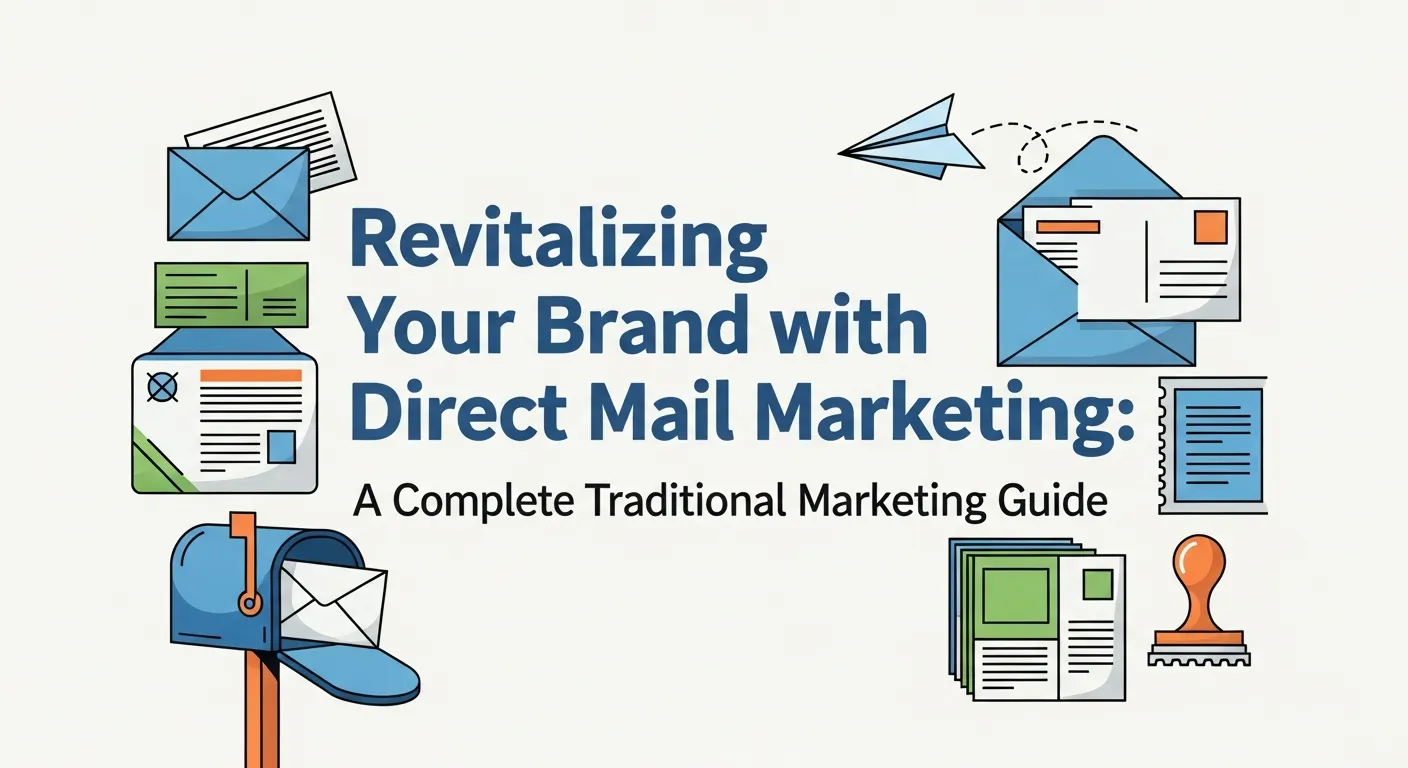
This guide explains how direct mail marketing drives brand growth through targeted messaging, smart design, personalization, digital integration, and measurable ROI in today’s competitive marketing landscape.
In an age dominated by digital ads and social media feeds, direct mail marketing remains a powerful way to cut through the noise and reach customers in their homes or workplaces. When executed effectively, a well-designed postal campaign can deliver impressive response rates, strengthen brand recognition, and drive sales. This comprehensive guide explores every aspect of direct mail marketing, from planning and design to printing, mailing, and measurement. Whether you’re a small business owner or a seasoned marketer, you’ll discover proven strategies to revitalize your brand with traditional offline outreach.
What Is Direct Mail Marketing?
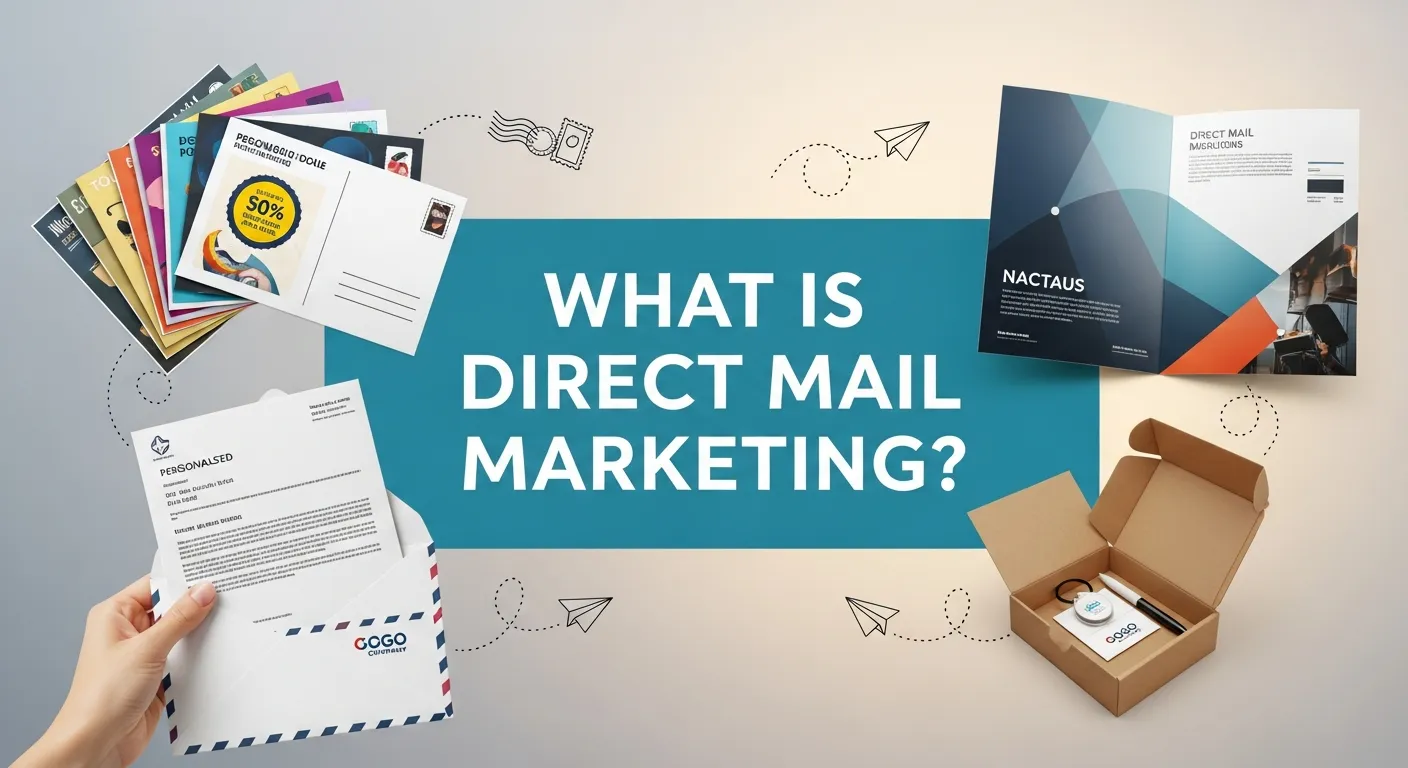
Direct mail marketing refers to the process of sending physical promotional materials—such as postcards, letters, brochures, or catalogs—directly to a targeted list of prospects or existing customers. Unlike digital channels, direct mail relies on tangible assets that recipients can hold, open, and retain. This tactile interaction often leads to higher recall rates and a personal connection that digital messages struggle to achieve. Today’s marketers pair classic mail formats with modern data-driven tactics to maximize relevance and response.
Key Benefits of Direct Mail
Direct mail marketing offers several advantages:
- High Visibility: With so many digital ads filtered away or ignored, a physical piece of mail stands out on the kitchen counter or desk.
- Personalization: Data enrichment and variable printing allow you to tailor offers, names, and messages for each recipient.
- Credibility: A professionally designed mailer conveys legitimacy and trustworthiness.
- Measurability: Unique codes, personalized URLs (PURLs), and QR codes make it easy to track responses and ROI.
- Longevity: Physical mail can be reviewed multiple times, pinned up, or shared with family and friends.
Defining Objectives and Audience

Every successful direct mail campaign begins with clear goals. Are you aiming to acquire new customers, re-engage lapsed buyers, or promote a seasonal sale? Defining objectives helps determine your call to action, offer design, and success metrics. Next, build or refine your mailing list. Leverage first-party data from past purchasers, sign-ups, and event attendees. Consider renting or purchasing targeted mailing lists from reputable list brokers if you need to expand your reach. Segment your audience by demographics, purchase behavior, or geographic location to increase relevance.
Designing the Mail Piece
Design plays a critical role in direct mail response. Work with a professional graphic designer or use advanced mail-piece templates to ensure your layout is visually balanced and on-brand. Key design tips include:
- Consistent Branding: Use brand colors, logos, and fonts that align with your overall identity.
- Clear Hierarchy: Highlight the headline, offer, and call to action with contrasting text sizes or colors.
- Imagery: Include high-quality photos or illustrations that evoke emotion and context.
- Call to Action (CTA): Make the CTA button or text stand out. Use actionable verbs like “Claim,” “Order,” or “Schedule.”
Personalization and Variable Data
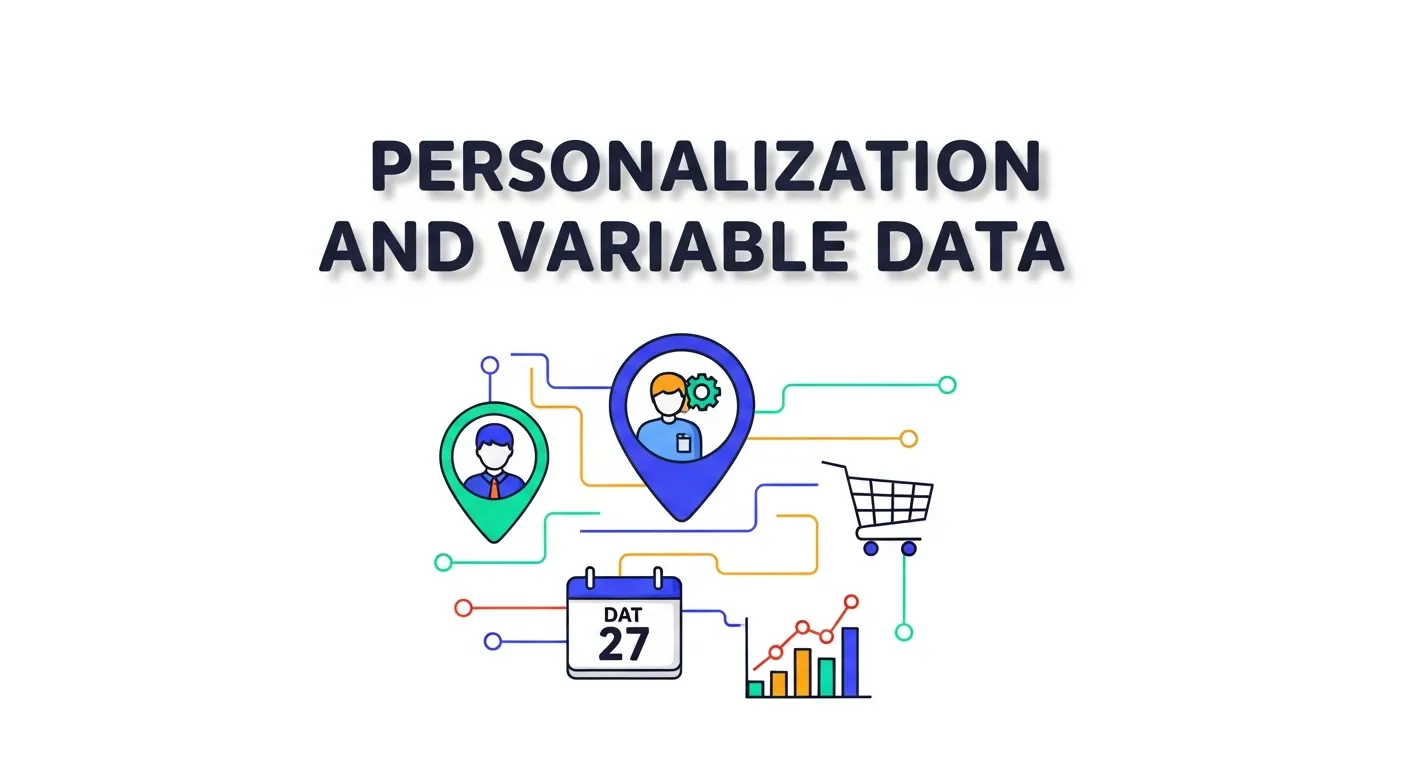
Advanced printing technology allows you to customize each mailer with names, offers, images, or copy blocks based on recipient data. Personalization can boost response rates by up to 135 percent. Consider these tactics:
- Variable Headlines: Swap headlines to match customer interests or past purchases.
- Custom Offers: Present incentives that reflect buying history or demographic profiles.
- Dynamic Imagery: Change photos for different segments (e.g., families, singles, seniors).
Printing and Mailing Logistics
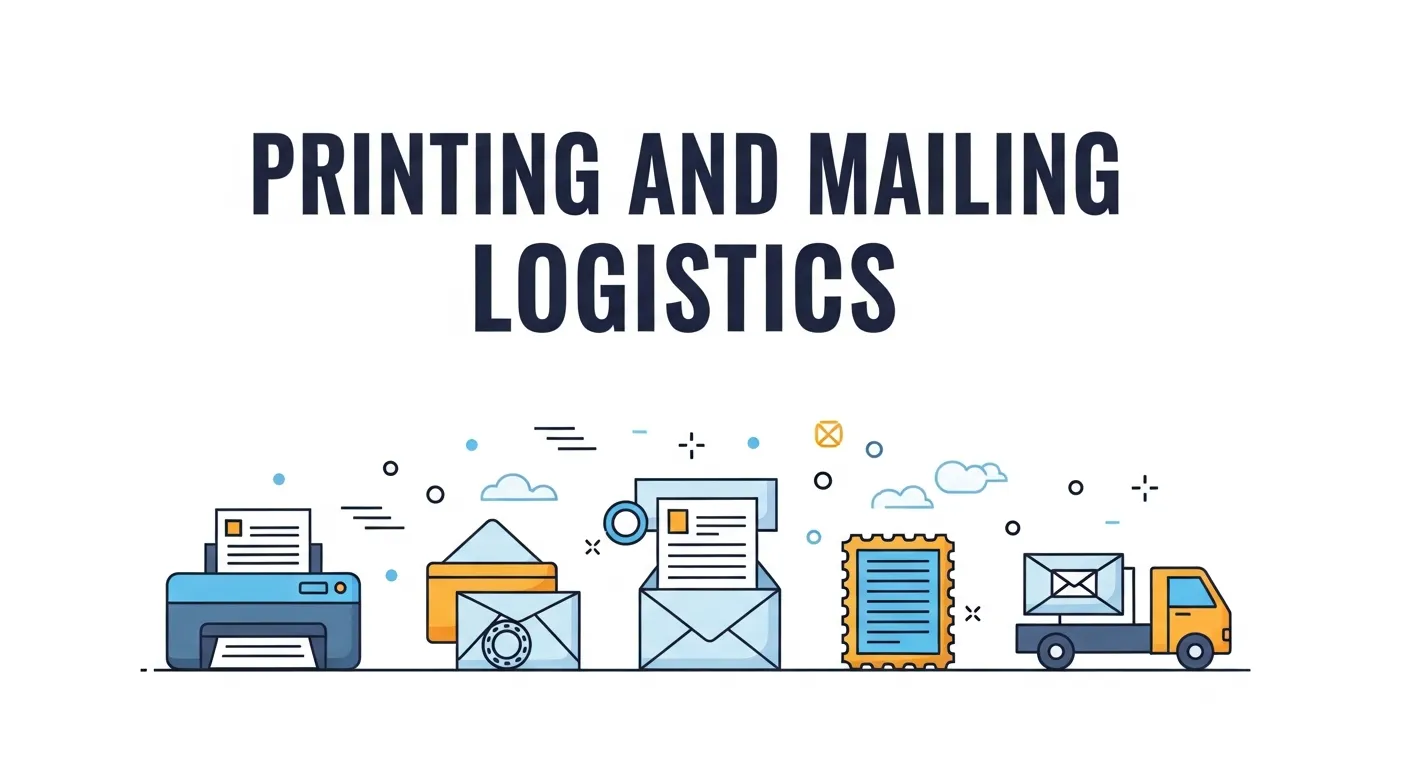
Partner with a reliable print-and-mail provider to handle production and USPS or courier drop-offs. Confirm these key details:
- Paper Stock and Finish: Choose between matte, gloss, or specialty stocks for a premium feel.
- Envelope Type: Mailing envelopes, postcards, or folded self-mailers each have unique costs and open rates.
- Address Hygiene: Clean and validate addresses to reduce returned mail and postage waste.
- Postage Rates: Compare Automated, Presorted, and First-Class options for cost efficiency and delivery speed.
Integrating Digital Touchpoints
Hybrid campaigns that blend offline and online channels deliver superior results. Incorporate QR codes that link to landing pages, PURLs for personalized experiences, or SMS opt-in prompts. Follow up with email reminders or retargeting ads to reinforce your message. Tracking pixels on digital properties let you attribute web traffic and conversions back to the mailer, providing a holistic view of campaign performance.
Measuring ROI and Optimizing Direct Mail Marketing Campaigns
Measuring return on investment (ROI) is essential for evaluating the success of any direct mail marketing campaign. Unlike traditional assumptions that offline marketing is hard to track, modern direct mail marketing strategies leverage data, analytics, and digital integrations to provide clear performance insights. Establishing measurable benchmarks before launch ensures that every campaign decision is tied to business outcomes.
Key Metrics to Track in Direct Mail Marketing
Before mailing, define success metrics aligned with your campaign objectives. Common KPIs include:
- Response Rate: Percentage of recipients who take action after receiving the mail.
- Cost per Lead (CPL): Total campaign cost divided by the number of qualified leads generated.
- Conversion Rate: Percentage of responders who complete a purchase or desired action.
- Overall Campaign ROI: Revenue generated compared to total campaign spend.
- Customer Lifetime Value (CLV): Long-term value of customers acquired through direct mail.
Using unique promo codes, QR codes, call tracking numbers, or personalized URLs (PURLs) allows marketers to isolate direct mail performance from other channels. This data-driven approach transforms a traditional tactic into a measurable, scalable growth strategy.
Optimization Through Testing and Analysis

After the mailing cycle, review campaign data to identify opportunities for improvement. A/B testing is one of the most effective direct mail marketing strategies to boost ROI. Test variables such as:
- Mailer formats (postcards vs. letters)
- Headlines and copy length
- Offer types (discounts, free gifts, limited-time deals)
- Call-to-action wording and placement
- Integration with digital follow-ups
Consistent optimization ensures your direct mail marketing guide evolves with customer preferences and market conditions.
Case Study: A Local Boutique Success Story
A practical example of effective direct mail and door to door marketing comes from Maple Street Boutique, a small fashion retailer aiming to increase autumn sales. The brand segmented its customer database based on previous purchase behavior and sent personalized postcards offering 20% off fall sweaters.
Each postcard included a QR code linking to a mobile-optimized landing page showcasing curated seasonal products. Within two weeks, the campaign achieved:
- 4.5% response rate (double the industry average)
- 300% ROI
- Significant in-store and online traffic uplift
Key takeaway: Targeted messaging combined with seamless offline-to-online experiences drives measurable success in direct mail marketing strategies.
Common Pitfalls to Avoid in Direct Mail Marketing
Even experienced marketers can undermine campaign performance by overlooking common issues. Avoid these mistakes to maximize results:
- Overloading Copy: Excessive text reduces readability—focus on clear, scannable messaging.
- Ignoring Deliverability: Poor address hygiene leads to wasted spend and lower response rates.
- Weak CTA: Unclear or passive calls to action reduce engagement.
- No Follow-Up Strategy: Lack of digital or phone reinforcement limits conversion potential.
- Generic Messaging: Failing to personalize diminishes relevance and impact.
Addressing these pitfalls strengthens campaign efficiency and supports long-term ROI growth.
Budgeting Tips for Maximum Direct Mail Impact
Strategic budgeting plays a critical role in campaign success. Allocate resources where they generate the highest return:
- Prioritize professional design and high-quality printing to enhance credibility.
- Invest in reliable, segmented mailing lists to improve targeting.
- Reserve budget for digital retargeting and email follow-ups.
- Negotiate volume discounts with printers and mailing vendors.
- Leverage USPS presort pricing to reduce postage costs.
Tracking every dollar spent against incremental revenue ensures cost-effectiveness and continuous improvement.
Direct Mail Marketing Performance Overview
| Campaign Element | Best Practice | Impact on ROI |
|---|---|---|
| Targeting | Data-driven segmentation | Higher response rates |
| Personalization | Variable data printing | Increased engagement |
| CTA | Clear, action-oriented | Improved conversions |
| Tracking | QR codes & PURLs | Accurate ROI measurement |
| Follow-Up | Digital retargeting | Boosted conversion rates |
Conclusion
Direct mail marketing remains an underutilized channel that can deliver outstanding results when combined with modern personalization and tracking techniques. By defining clear objectives, crafting engaging mailers, integrating offline and online touchpoints, and measuring meticulously, you can revitalize your brand and achieve impressive ROI. Start small, test variables, and scale successful campaigns to make direct mail a cornerstone of your traditional marketing strategy.
Frequently Asked Questions (FAQs) About Direct Mail Marketing
1. What is direct mail marketing and how does it work?
Direct mail marketing is a traditional marketing strategy that involves sending physical promotional materials—such as postcards, letters, brochures, or catalogs—directly to a targeted audience. Businesses use customer data to personalize messages, include clear calls to action, and track responses through QR codes, promo codes, or personalized URLs.
2. Is direct mail marketing still effective in the digital age?
Yes, direct mail marketing remains highly effective. While digital ads face heavy competition and ad fatigue, physical mail stands out and often achieves higher engagement and recall. When combined with digital tracking and personalization, direct mail marketing strategies can deliver strong response rates and ROI.
3. What types of businesses benefit most from direct mail marketing?
Direct mail works well for a wide range of businesses, including local retailers, service providers, real estate firms, healthcare practices, nonprofits, and B2B companies. Any brand looking to reach a targeted audience with a tangible, trustworthy message can benefit from a direct mail marketing guide–driven approach.
4. How do I build a quality mailing list?
You can build a mailing list using first-party data such as past customers, newsletter sign-ups, loyalty programs, or event attendees. To scale faster, businesses often rent or purchase targeted lists from reputable brokers. Clean, verified, and well-segmented lists are critical to successful direct mail marketing strategies.
5. How much does a direct mail marketing campaign cost?
Costs vary based on design, printing, postage, list quality, and volume. A small campaign may cost a few hundred dollars, while larger campaigns can run into thousands. Strategic budgeting and USPS presort discounts help keep costs manageable and improve ROI.
6. What response rates can I expect from direct mail marketing?
Response rates depend on targeting, offer relevance, and design. Well-executed direct mail marketing strategies often achieve response rates between 2–5%, with highly targeted campaigns exceeding industry averages—especially when personalization and digital follow-ups are included.
7. How can direct mail marketing boost ROI?
Direct mail marketing strategies boost ROI by using personalization, targeted offers, variable data printing, and clear calls to action. Integrating digital touchpoints like landing pages, QR codes, and retargeting ads further increases conversions and measurable results.
8. How do I track the success of a direct mail campaign?
You can track performance using unique promo codes, personalized URLs (PURLs), QR codes, call tracking numbers, or dedicated landing pages. These tools allow you to measure response rate, conversion rate, cost per lead, and overall ROI accurately.
9. What are the most common mistakes in direct mail marketing?
Common pitfalls include sending mail to unverified addresses, using generic messaging, overcrowding the design with too much text, offering weak incentives, and failing to follow up digitally. A well-structured direct mail marketing guide helps avoid these mistakes.
10. How often should I send direct mail to my audience?
Frequency depends on your goals, budget, and audience tolerance. Many brands see success with quarterly or seasonal mailings, while others use direct mail for specific promotions or re-engagement campaigns. Testing and performance analysis will help determine the optimal cadence.
Learn more about: Running a Business in a Traditional Market: Real Challenges and Winning Strategies