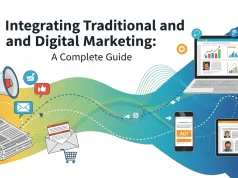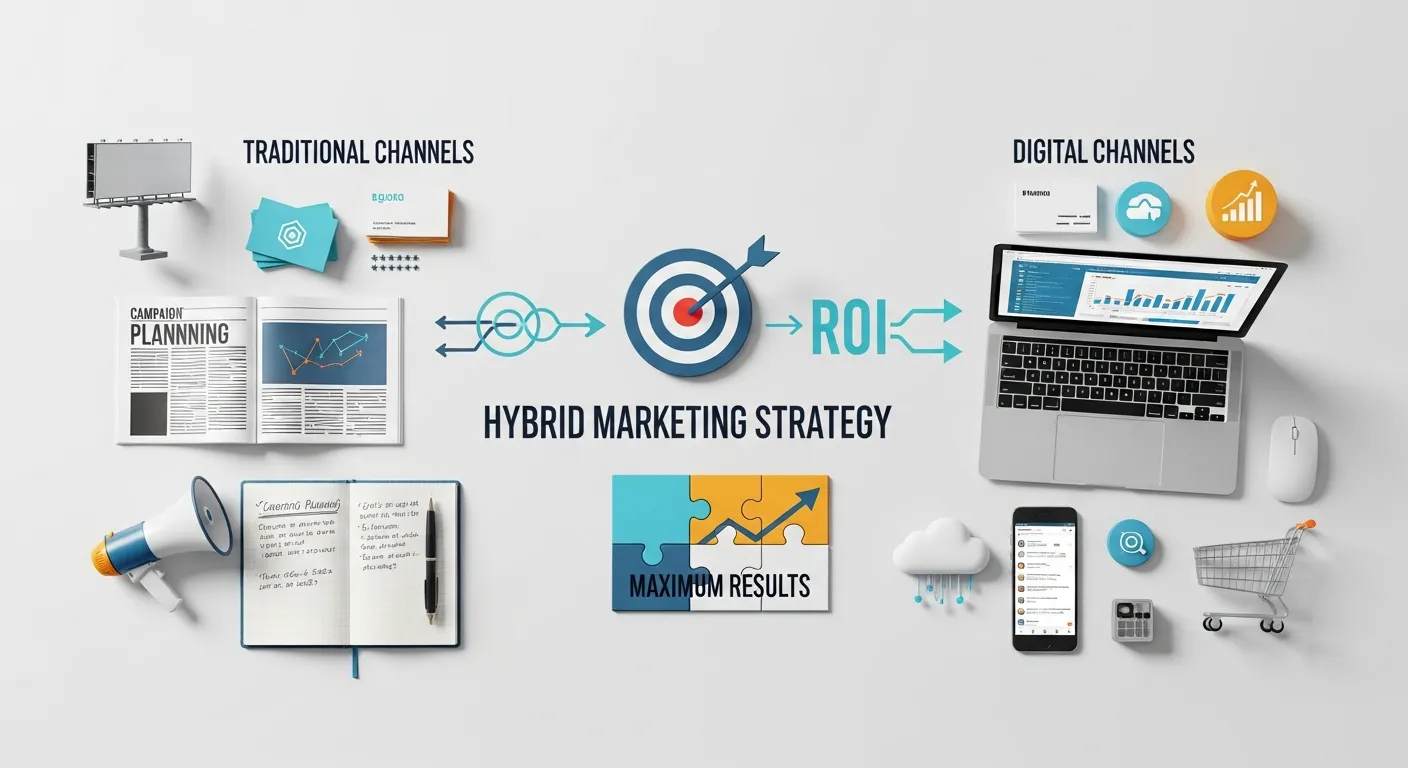
Hybrid marketing combines traditional offline channels with digital tactics to maximize reach, engagement, and ROI. By ensuring consistent messaging, leveraging technology, personalizing content, and integrating data, brands create cohesive, measurable campaigns that connect audiences across physical and digital touchpoints.
In today’s rapidly evolving marketing landscape, the divide between traditional and digital strategies is narrowing. Businesses no longer need to choose one over the other. By combining time-tested offline methods with innovative online tactics, brands can extend their reach, build trust, and enhance engagement. This hybrid marketing model leverages the strengths of each channel—print, events, radio, outdoor advertising, social media, email, and programmatic ads—to create a unified campaign that resonates with diverse audiences. In this comprehensive guide, we will explore why a hybrid approach matters, how to plan and execute it, and best practices for measuring success.
The Case for a Hybrid Marketing Strategy
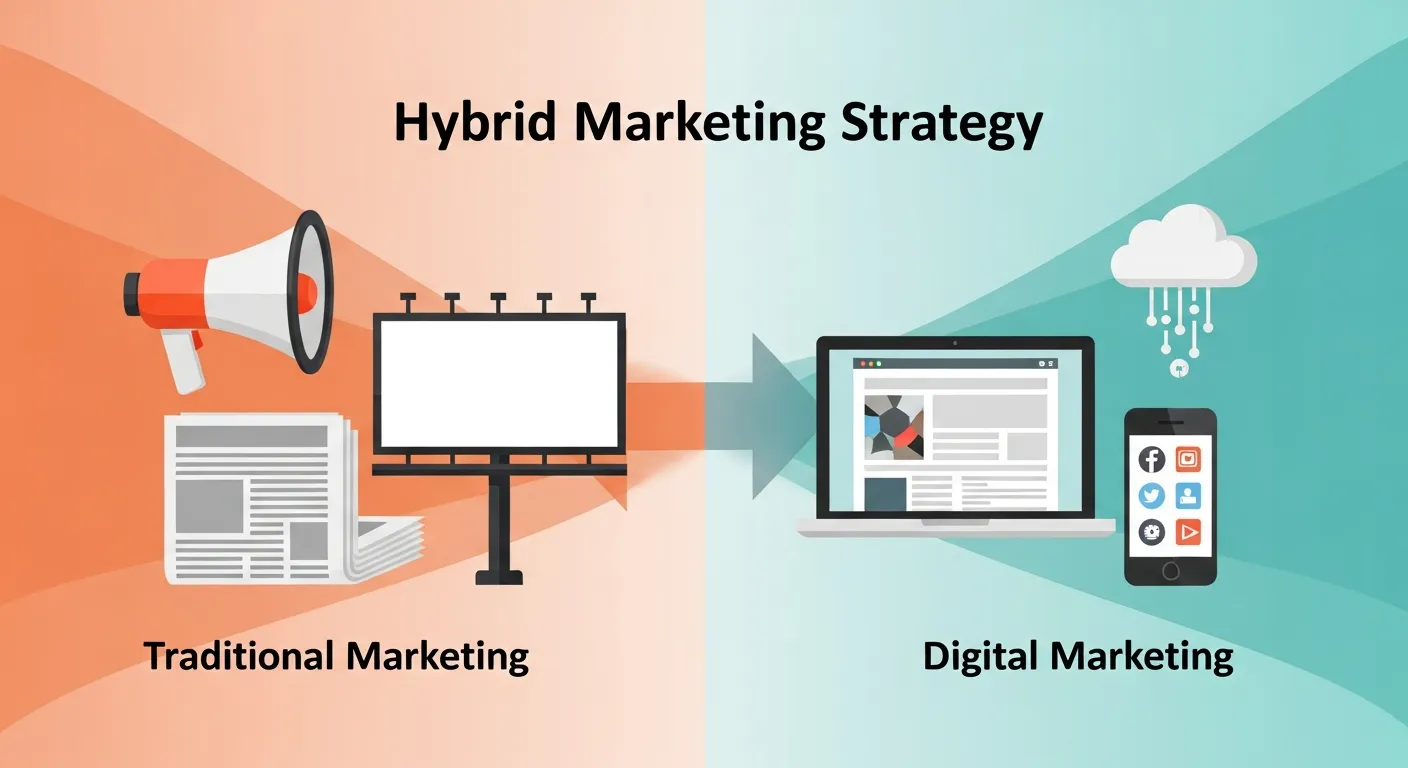
A purely digital campaign may deliver quick metrics, but offline channels often build deeper emotional connections. Conversely, traditional media can be costly and less targeted without digital support. A hybrid strategy combines the broad awareness of print or outdoor ads with the precise targeting and interactivity of online platforms. By thoughtfully incorporating a traditional advertising strategy alongside digital efforts, brands can achieve higher brand recall, greater customer loyalty, and improved conversion rates. According to recent studies, campaigns that integrate at least three offline and two online channels see up to a 35% increase in overall engagement. The hybrid model also allows marketers to diversify their budget and reduce dependency on any single channel, making campaigns more resilient to market fluctuations.
Key Channel Pairings for Maximum Impact
1. Print Advertising and Social Media Campaigns
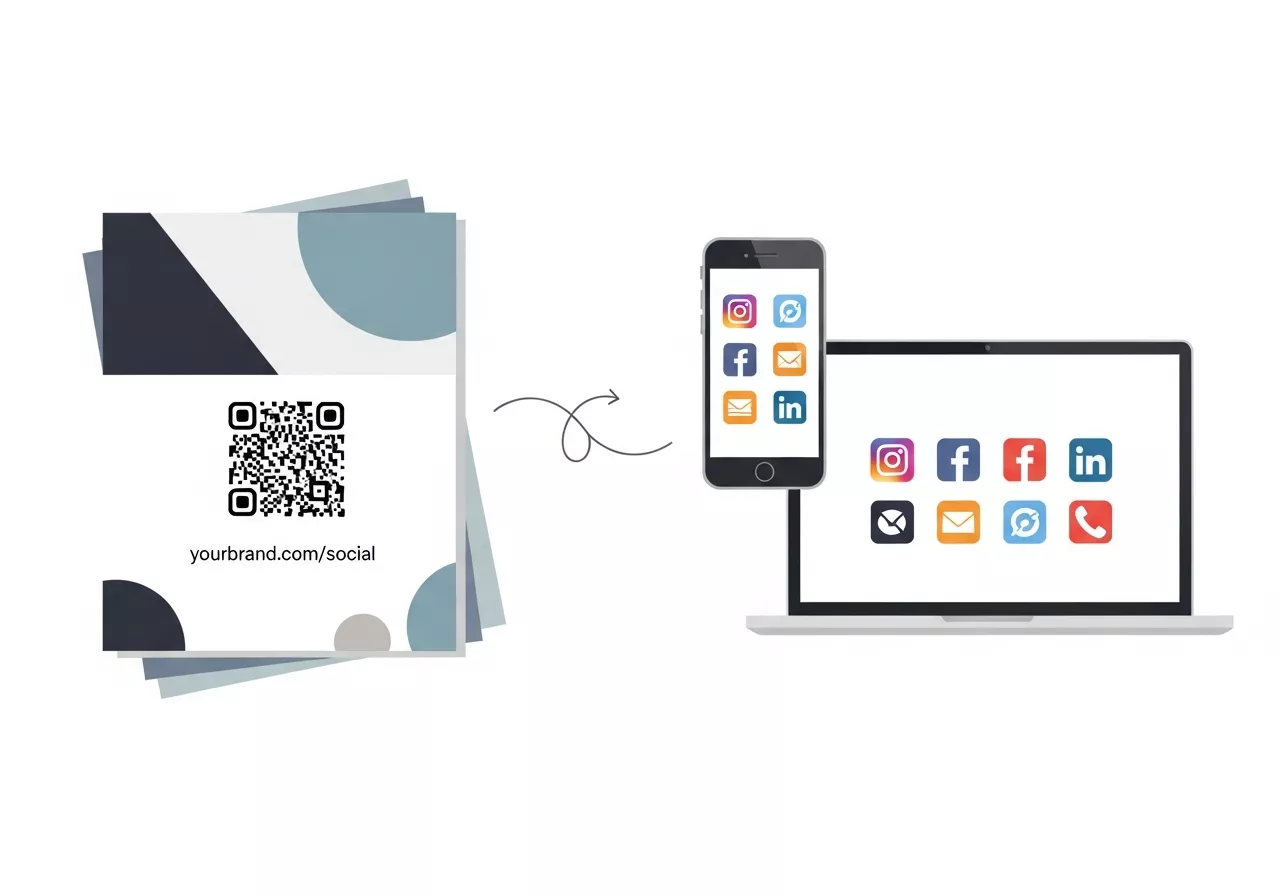
Print ads in newspapers, magazines, or direct mail flyers remain trusted sources of information. To bridge offline and online, include QR codes or custom URLs that lead readers to dedicated landing pages or social profiles. A well-placed print ad can drive interested prospects to follow your brand on Instagram, Facebook, or LinkedIn. Once there, you can retarget them with sponsored posts or dynamic ads that reinforce the same messaging and visuals used in print, creating a seamless journey from brochure to browser.
2. Direct Mail and Email Marketing
Direct mail and email marketing share many parallels—both deliver personalized content directly to the recipient. Use postcards or brochures featuring unique promo codes that customers can enter on your website or in an email sign-up form. Combining tactile mailers with follow-up email sequences increases open rates by up to 50%, as recipients recognize a coordinated effort and feel more compelled to engage. Ensure your creative design, tone, and call-to-action remain consistent across both formats for maximum recall.
3. Events and Webinars
Trade shows, conferences, and local vendor events allow face-to-face interactions, while webinars and virtual workshops broaden your audience online. Promote your in-person event with targeted email invites, social media ads, and posters in your community. During the event, capture attendee data and invite them to a follow-up webinar or live stream. Conversely, advertise your virtual sessions at physical venues using banners and handouts featuring the webinar URL or QR code. This two-way promotion fosters a continuous learning experience and keeps your brand top of mind across formats.
4. Out-of-Home Advertising and Programmatic Digital Ads
Billboards, transit ads, and posters excel at generating mass awareness, while programmatic digital ads deliver precision targeting and frequency control. Display the same visual motif and tagline on a roadside billboard and across Google Display or social media networks. Use geofencing to retarget mobile devices in proximity to your offline ad locations, reinforcing your message in real time. This technique increases ad recall by up to 50% and drives both foot traffic and online conversions.
Creating a Cohesive Message Across Channels
Consistency is key in a hybrid campaign. From the headline and color palette to the tone of voice and call-to-action, ensure that each channel reflects the same brand identity. Develop a creative brief that outlines core messaging, mood, design assets, and target audience personas. Host regular cross-departmental meetings—between your print, digital, and events teams—to align on timelines, asset handoffs, and monitoring protocols. When consumers encounter your brand offline, they should instantly recognize it online and vice versa.
Allocating Budget for Hybrid Campaigns
Budgeting a hybrid strategy requires balancing the higher production costs of traditional media with the analytics-driven spending of digital. Begin by defining clear objectives for each channel—brand awareness, lead generation, or direct sales. Allocate a percentage of your total budget to foundational offline elements (such as print design or event sponsorship) and the remainder to trackable digital tactics (PPC ads, social promotions, email automation). Reassess monthly based on performance data, shifting funds toward channels delivering the strongest return on ad spend (ROAS). This dynamic reallocation ensures you capture both broad impressions and targeted interactions without overspending on underperforming media.
Technology and Tools to Support Integration
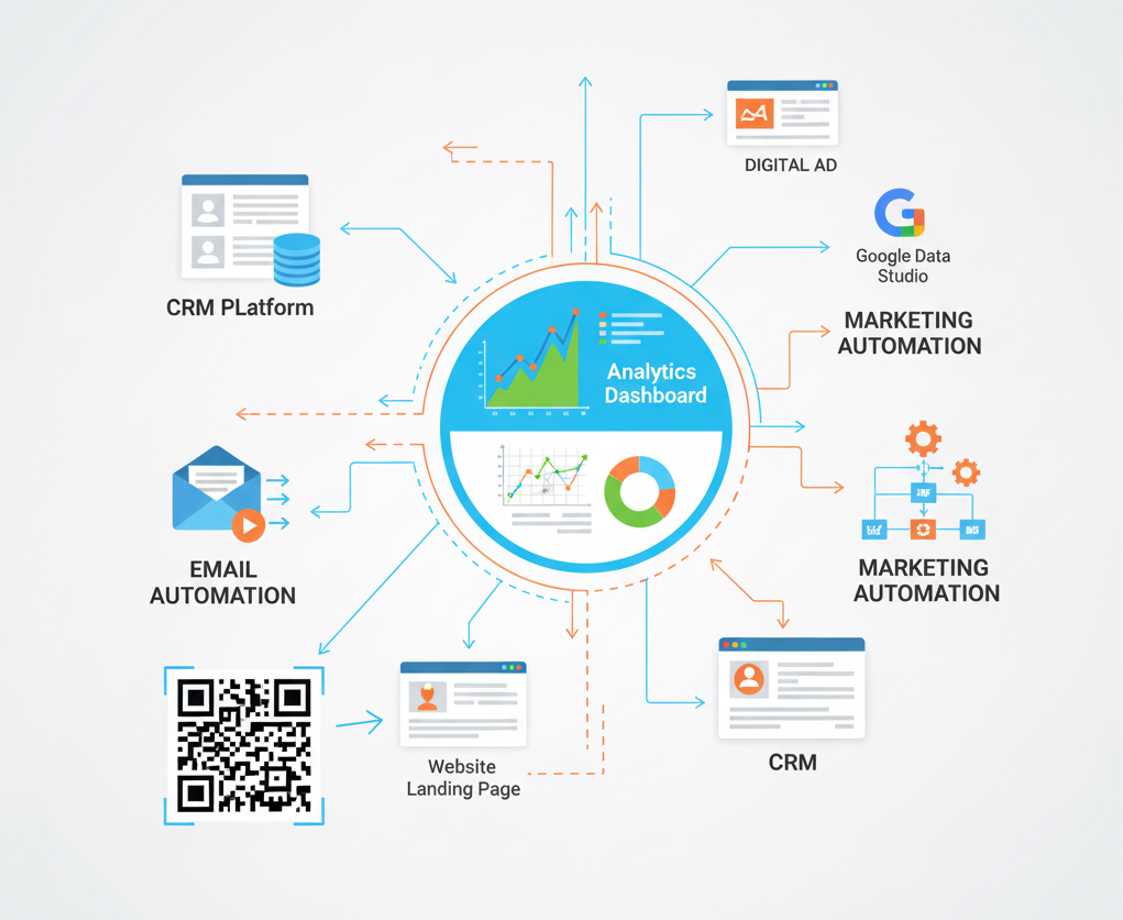
Modern marketing stacks include CRM platforms, marketing automation, and analytics suites that bridge offline and online efforts. Use QR-code generators linked to UTM-tagged URLs to track scan-to-web conversions. Employ marketing automation to trigger email sequences when a customer responds to a direct mail piece. Integrate your CRM with ad platforms to create custom audiences based on purchase history or event attendance. Leverage dashboard tools like Google Data Studio to visualize combined data from offline ad impressions and digital click-throughs, enabling real-time campaign adjustments.
Measuring Hybrid Campaign Success
Traditional metrics—circulation, foot traffic, or impressions—must be paired with digital KPIs like click-through rates, conversion rates, and cost per acquisition. Assign unique promo codes or vanity URLs to each offline touchpoint to track which assets drive the most online engagement. For events, compare badge scans to post-event webinar attendance and subsequent sales pipeline entries. Use A/B testing on digital follow-ups to optimize messaging and timing. By merging datasets in a unified analytics dashboard, marketers can not only measure overall campaign performance but also identify key drivers of digital marketing success, uncovering synergies between offline and online channels.
Best Practices for Integration
- Maintain consistent branding and messaging across all touchpoints.
- Plan campaigns around a central theme or objective.
- Use trackable URLs, promo codes, and QR codes in offline materials.
- Invest in tech that unifies offline and online data streams.
- Regularly review performance metrics and reallocate budget agilely.
- Train teams on cross-channel coordination and workflow processes.
Case Study: Hybrid Campaign in Action
Consider the example of a regional coffee chain that wanted to boost loyalty program sign-ups. They ran full-page ads in local magazines featuring a QR code for a free drink, mailed personalized postcards with a unique promo code, and hosted a weekend pop-up event. Simultaneously, they deployed Facebook and Instagram ads targeting the same postal codes and interests, inviting followers to the pop-up. Within two months, their loyalty database grew by 40%, online orders increased by 25%, and the pop-up saw a 75% redemption rate on printed vouchers. The integrated messaging and seamless customer journey drove measurable results across both offline and online channels.
Personalization in Hybrid Marketing
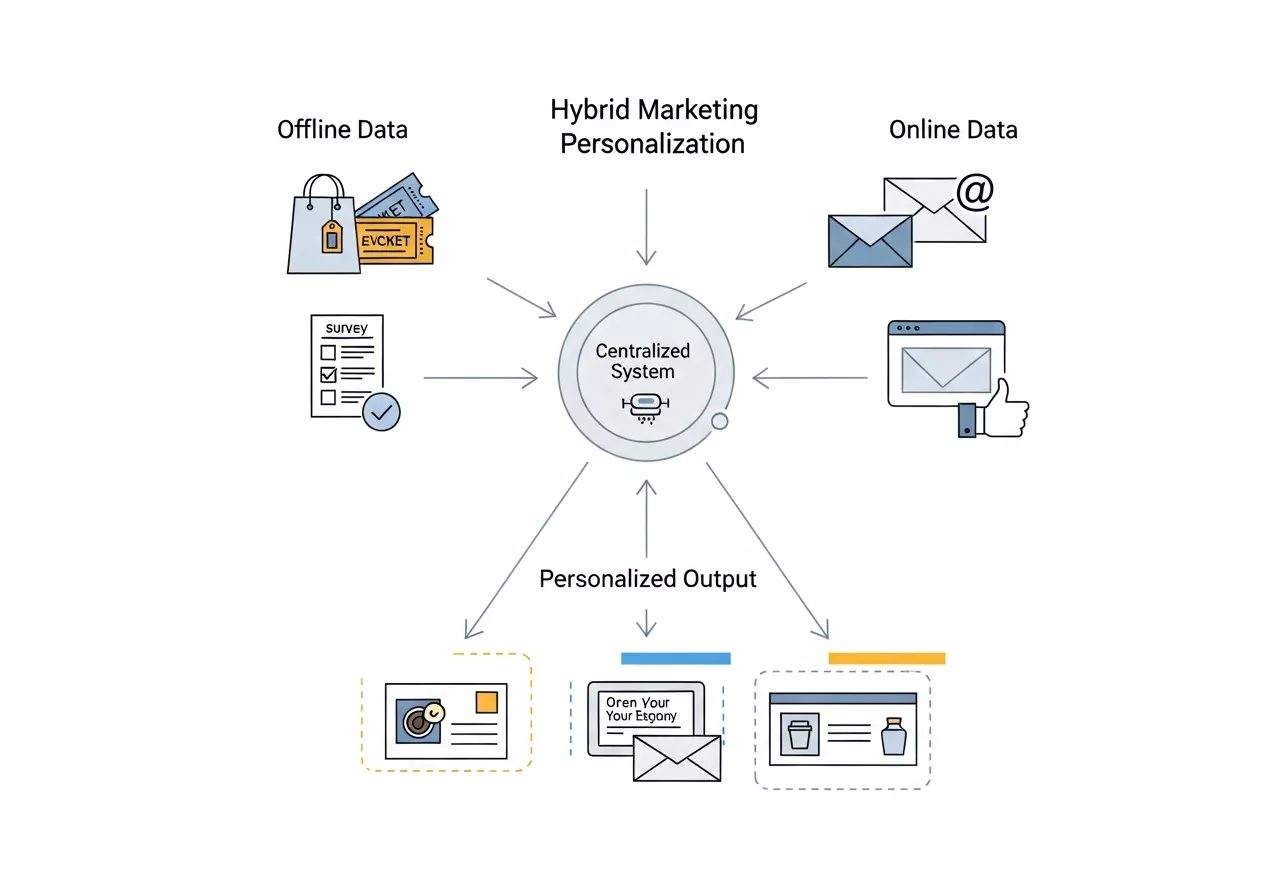
Hybrid campaigns become even more powerful when content is personalized for the audience. By combining offline data (event attendance, in-store purchases, survey responses) with online behaviors (website visits, email engagement, social media interactions), brands can deliver highly tailored experiences. Personalized direct mail, coupled with retargeted digital ads, increases relevance and improves conversion rates. For example, a retailer can send a postcard featuring a product category a customer recently browsed online, followed by an email highlighting complementary items or promotions. Integrating personalization across channels strengthens customer relationships and encourages repeat engagement.
Key Tips for Personalization:
- Segment audiences based on combined offline and online behaviors.
- Use dynamic content in emails and social ads to match customer preferences.
- Leverage CRM and marketing automation tools to sync data across channels.
- Monitor results to refine future personalization efforts.
Leveraging Storytelling Across Channels
Storytelling is a crucial element in hybrid marketing, helping brands create a memorable, cohesive narrative across offline and online touchpoints. A strong story connects emotionally with audiences while reinforcing brand identity. For example, a sustainability-focused campaign might showcase eco-friendly practices through in-store displays, print articles, social videos, and interactive webinars. By weaving a consistent story across mediums, brands guide customers through a seamless journey—from awareness to consideration to conversion—while enhancing recall and engagement.
Best Practices for Storytelling:
- Create a central narrative that adapts to each channel’s format.
- Align visuals, tone, and messaging across all touchpoints.
- Incorporate real customer stories, testimonials, or behind-the-scenes content.
- Measure impact by tracking engagement across both online and offline channels.
Future Trends in Hybrid Marketing
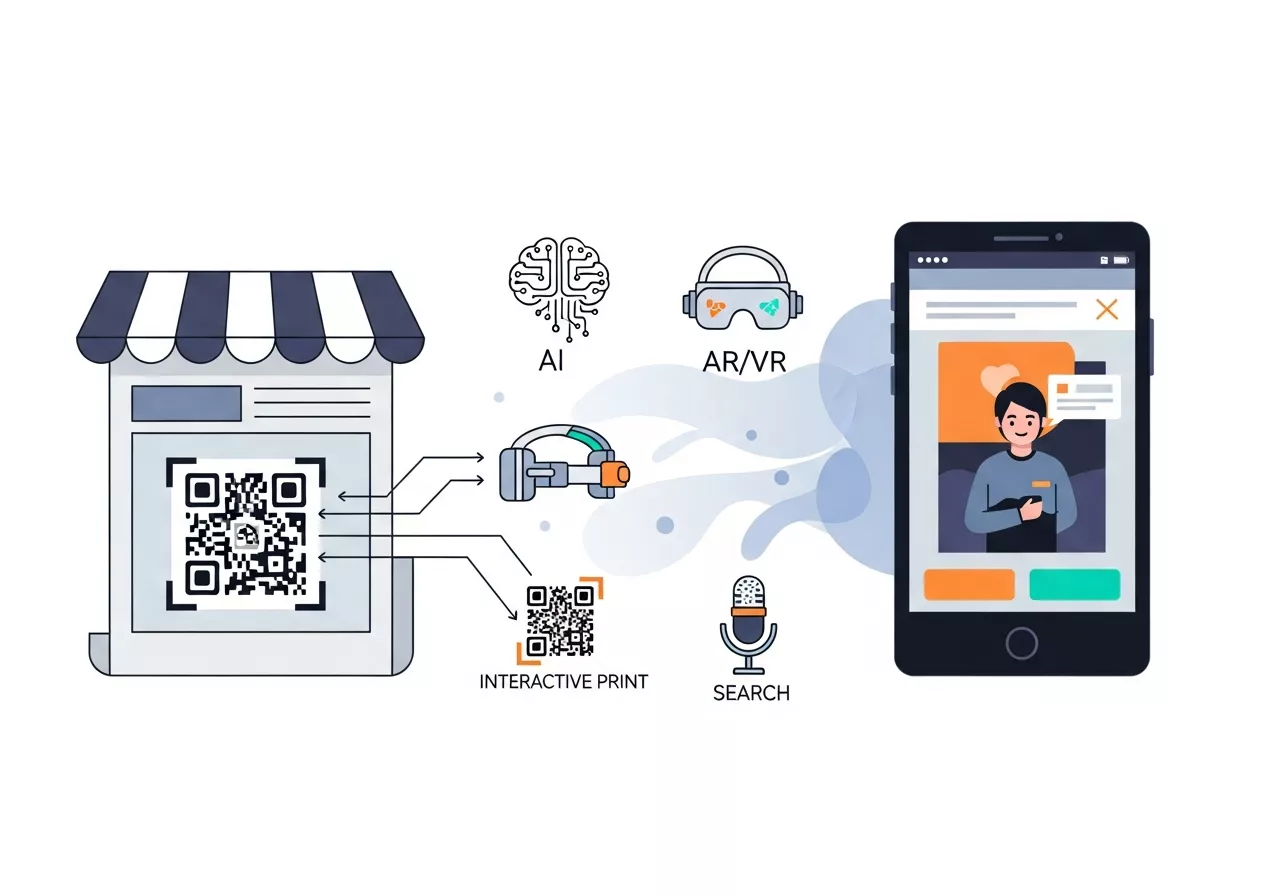
Hybrid marketing is evolving alongside technology and consumer behavior. Emerging trends include AI-driven campaign optimization, augmented reality (AR) experiences at events, interactive print with scannable digital layers, and voice search integration. Brands that experiment with these innovations gain a competitive edge by delivering immersive experiences that blend the physical and digital worlds. Preparing for these trends means staying informed, testing new technologies in pilot campaigns, and continuously analyzing performance to determine which innovations truly enhance engagement and ROI.
Future-Focused Strategies:
- Explore AI-powered personalization and predictive analytics.
- Incorporate interactive offline experiences that link to digital channels.
- Use AR/VR at events to engage audiences in new ways.
- Monitor emerging platforms and channels to integrate early into campaigns.
Sustainability and Ethical Marketing in Hybrid Campaigns
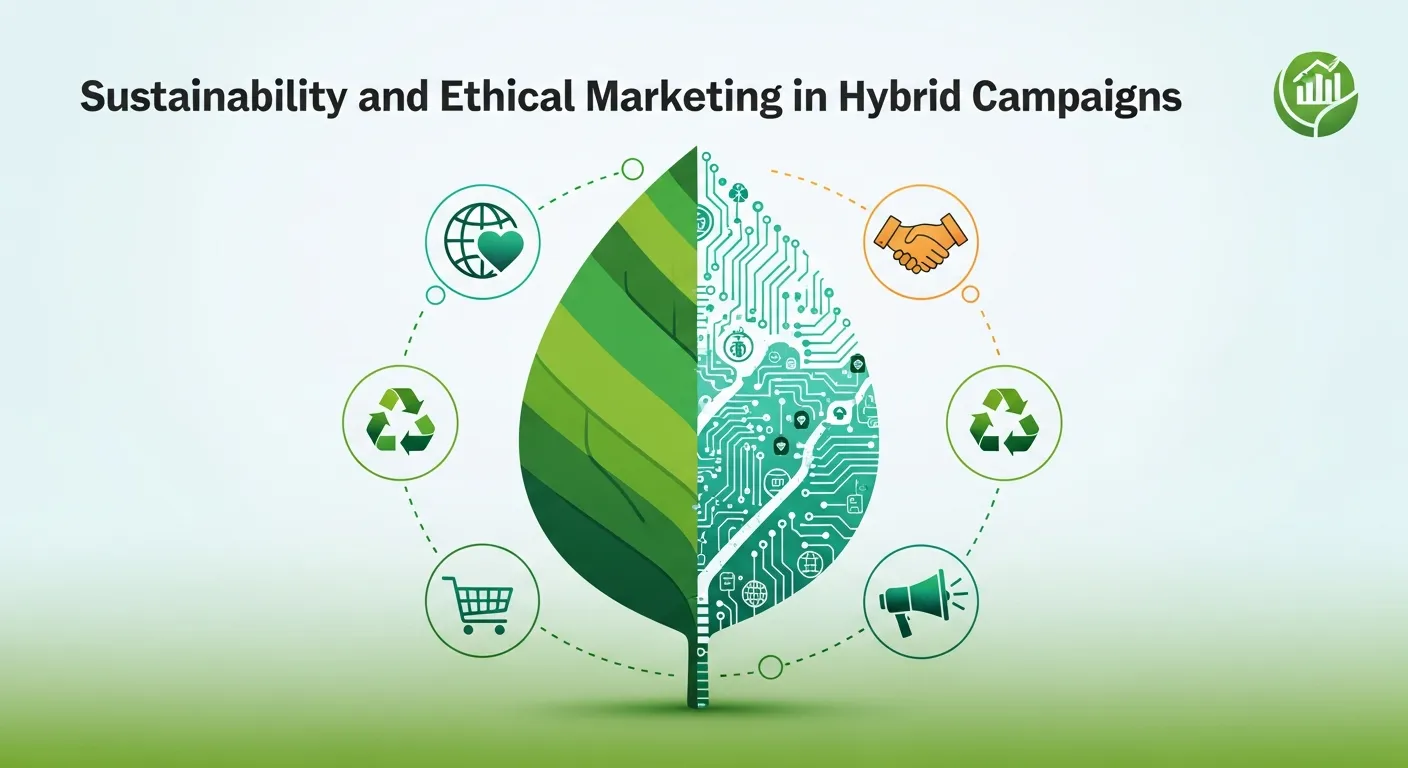
Modern consumers increasingly value brands that demonstrate social responsibility and ethical practices. Hybrid marketing campaigns provide unique opportunities to showcase sustainability efforts across both offline and online channels. For example, eco-friendly packaging or event materials can be highlighted in physical campaigns, while social media, email newsletters, and webinars can educate audiences about your company’s green initiatives. By integrating ethical messaging consistently, brands not only build trust but also differentiate themselves in competitive markets.
Key Practices for Sustainable Hybrid Marketing:
- Highlight eco-friendly or socially responsible practices in both print and digital campaigns.
- Promote transparency through storytelling, sharing real impact metrics and initiatives.
- Reduce waste in offline campaigns by using recyclable materials and digital-first alternatives.
- Align campaigns with corporate social responsibility (CSR) goals to strengthen brand reputation.
- Monitor audience feedback to ensure ethical messaging resonates authentically.
This section adds a modern, socially conscious dimension to hybrid marketing, appealing to both ethically-minded consumers and investors while enhancing overall brand perception.
Conclusion
A hybrid marketing approach is no longer optional—it’s essential for brands seeking to maximize reach, engagement, and ROI. By thoughtfully pairing traditional channels with digital tactics, maintaining consistent messaging, and leveraging technology to track performance, marketers can craft campaigns that resonate on multiple levels. As consumer habits continue to blend offline and online experiences, the brands that master integration will stand out in the crowded marketplace. Start small, measure often, and scale the channels that prove most effective. Your next winning campaign lies at the intersection of tradition and innovation.
FAQ: Hybrid Marketing Strategies
1. What is hybrid marketing?
Hybrid marketing combines traditional (offline) and digital (online) marketing channels to create cohesive campaigns that reach wider audiences and boost engagement.
2. Why is hybrid marketing important?
It leverages the strengths of both offline and online channels, increasing brand awareness, customer loyalty, and conversion rates while reducing reliance on a single marketing channel.
3. Which channels work best in a hybrid marketing strategy?
Common pairings include:
- Print ads + Social media campaigns
- Direct mail + Email marketing
- Events + Webinars
- Out-of-home advertising + Programmatic digital ads
4. How do I track the success of hybrid campaigns?
Use unique promo codes, QR codes, or vanity URLs for offline channels and track digital metrics like click-through rates, conversions, and ROI. Integrating data into a dashboard helps measure overall performance.
5. How should I allocate my budget for hybrid marketing?
Balance spending between offline and online channels based on objectives. Allocate for foundational offline elements like print and events, and trackable digital tactics like PPC, email, and social ads. Adjust based on performance metrics.
6. How can I ensure consistent messaging across channels?
Develop a creative brief outlining brand voice, design assets, and target audience. Align teams across channels, maintain the same visuals and messaging, and host regular coordination meetings.
7. Can small businesses benefit from hybrid marketing?
Yes! Even small businesses can integrate a few offline and online tactics, like flyers with QR codes or social media campaigns linked to local events, to maximize reach without overspending.
8. What tools support hybrid marketing integration?
CRM systems, marketing automation, analytics dashboards, QR-code generators, and ad retargeting platforms help bridge offline and online efforts and provide actionable insights.
Learn more about: Revitalizing Your Brand: Traditional Marketing Strategies for the Digital Age