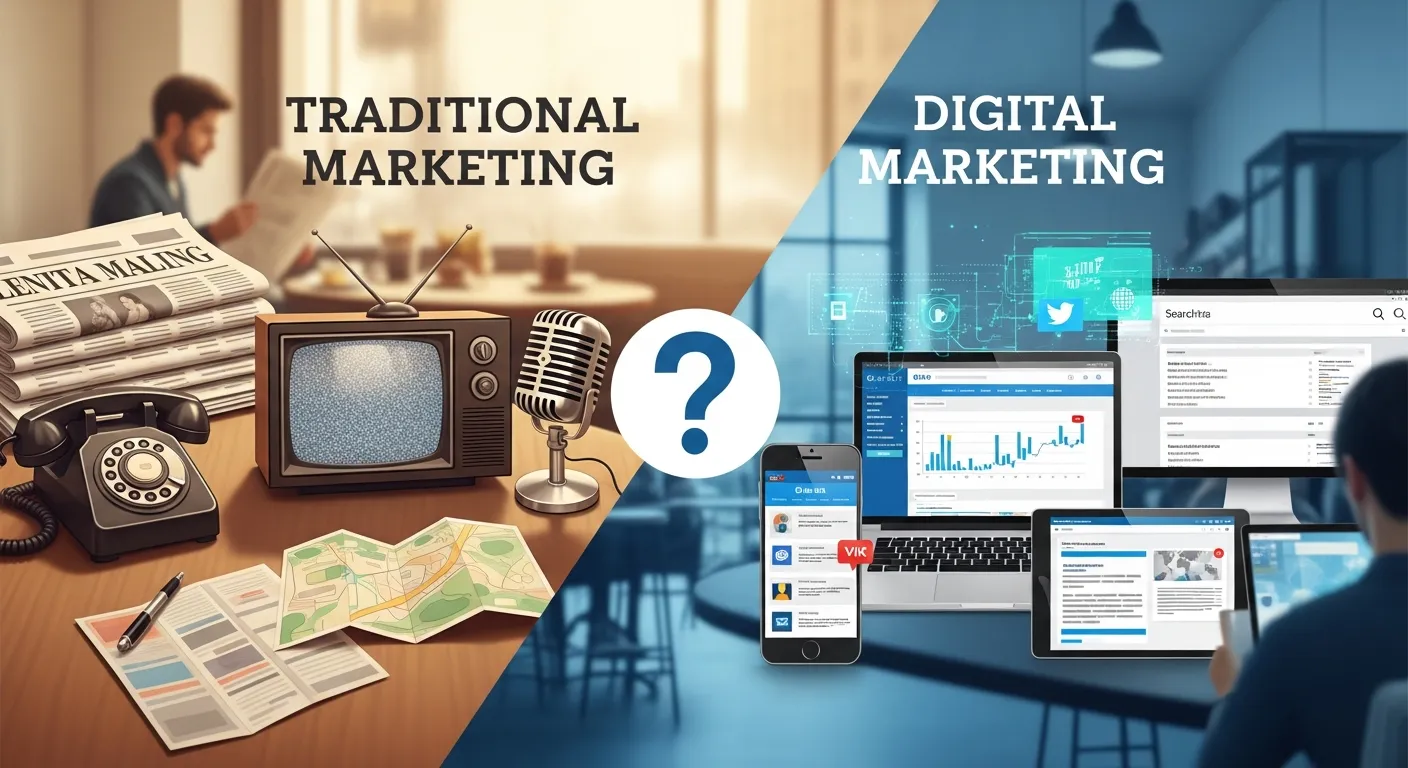
Digital marketing different from traditional marketing in key ways: channels, targeting, cost, speed, and measurability. Traditional marketing uses offline methods like print, TV, and radio, while digital marketing leverages online platforms, social media, email, and search engines. Understanding these differences helps businesses choose the right strategy, combine both approaches effectively, and maximize engagement, reach, and ROI.
Marketing has transformed dramatically over the past few decades. Business owners now navigate between time-tested traditional methods and innovative digital strategies. Understanding these differences can help you make informed decisions about where to invest your marketing budget and efforts.
This guide explores both digital marketing and traditional marketing approaches, examining their unique characteristics, advantages, and applications. You’ll discover how each method works, when to use them, and how to determine which strategy aligns with your business goals.
Understanding Traditional Marketing
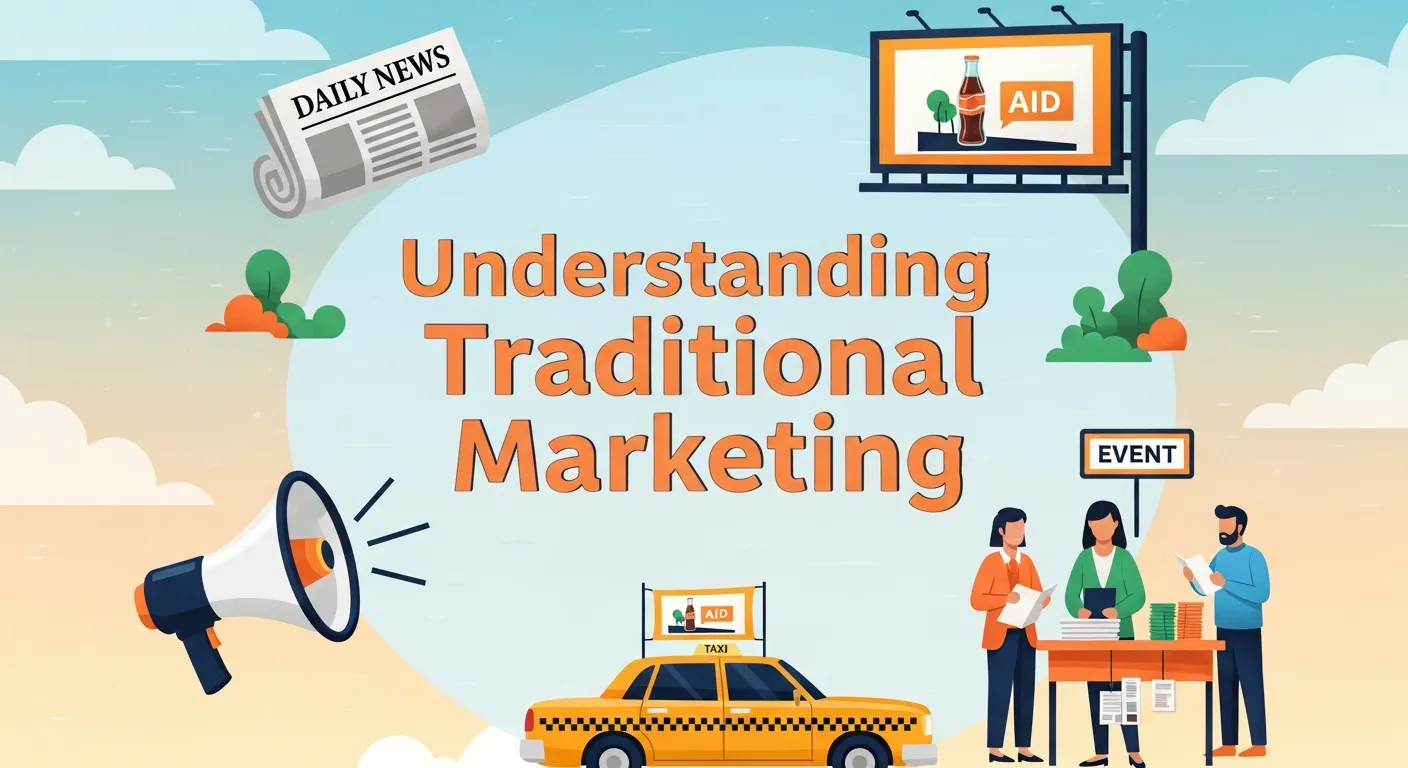
Traditional marketing refers to conventional promotional methods that have been used for decades to reach consumers through offline channels. These established strategies rely on proven media formats to deliver marketing messages to broad audiences.
Core Traditional Marketing Methods
Print Advertising
Newspapers, magazines, brochures, and flyers remain foundational traditional marketing tools. Print advertisements offer tangible materials that readers can reference later. They work particularly well for local businesses targeting specific geographic regions.
Television and Radio Broadcasting
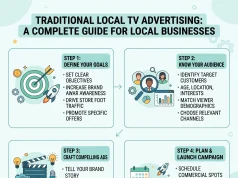
Broadcast media provides extensive reach and creates memorable brand experiences through audio-visual storytelling. Television commercials and radio advertisements allow businesses to showcase products while building emotional connections with audiences.
Direct Mail Campaigns
Physical mailings, including postcards, catalogs, and promotional letters, deliver targeted messages directly to consumers’ mailboxes. Direct mail campaigns can be highly personalized and often generate strong response rates among recipients.
Outdoor Advertising
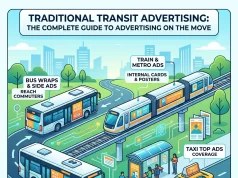
Billboards, transit advertisements, and signage capture attention from people moving through specific locations. These displays create brand awareness and can influence purchasing decisions at crucial moments.
Trade Shows and Events
Face-to-face interactions at industry conferences, trade shows, and community events enable businesses to demonstrate products and build personal relationships with potential customers.
Key Advantages of Traditional Marketing
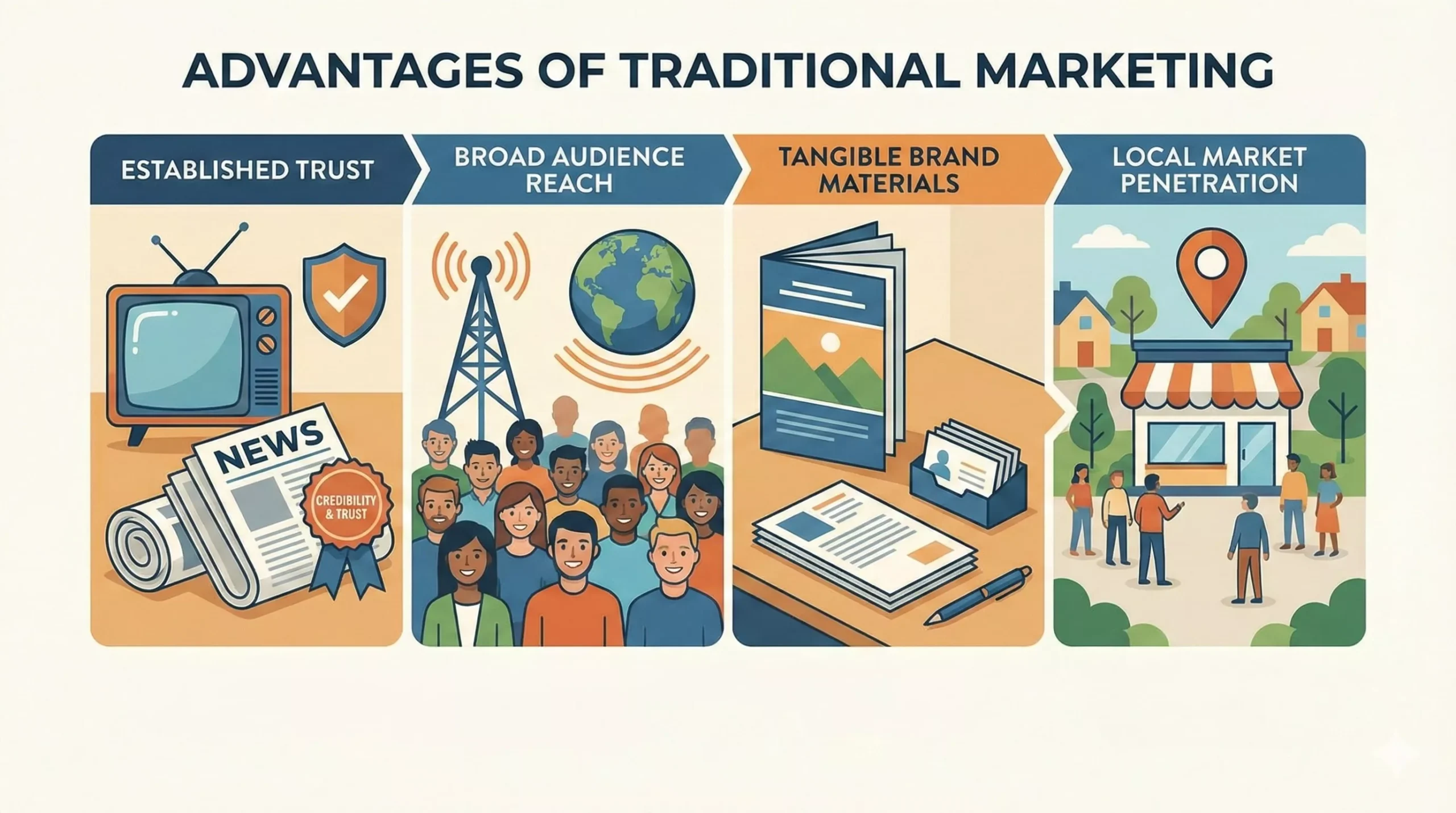
Traditional marketing offers several distinct benefits that continue to make it valuable for many businesses.
Established Credibility and Trust
Consumers often perceive traditional media as more trustworthy than digital channels. A television commercial or newspaper advertisement can lend legitimacy to a business and its offerings.
Broad Audience Reach
Television, radio, and print media can expose your brand to large numbers of people simultaneously. This wide reach makes traditional marketing effective for building general brand awareness across diverse demographics.
Tangible Brand Materials
Physical marketing materials like brochures and business cards provide lasting reminders of your brand. Recipients can keep these items for future reference or share them with others.
Local Market Penetration
Traditional marketing excels at reaching local audiences through regional newspapers, radio stations, and community events. This localized approach works well for businesses serving specific geographic areas.
Understanding Digital Marketing
Digital marketing encompasses all promotional activities that use electronic devices and online platforms to reach consumers. This approach leverages internet-based technologies to connect with target audiences where they spend increasing amounts of time.
Primary Digital Marketing Channels
Search Engine Optimization (SEO)
SEO involves optimizing website content to rank higher in search engine results. This organic approach helps businesses attract visitors who are actively searching for related products or services.
Pay-Per-Click Advertising (PPC)
PPC campaigns allow businesses to display advertisements on search engines and websites, paying only when users click on their ads. This method provides immediate visibility and precise targeting options.
Social Media Marketing
Platforms like Facebook, Instagram, Twitter, and LinkedIn enable businesses to engage with audiences through posts, comments, and targeted advertisements. Social media marketing builds communities around brands and facilitates two-way communication.
Email Marketing
Email campaigns deliver personalized messages directly to subscribers’ inboxes. This channel excels at nurturing leads, promoting products, and maintaining customer relationships over time.
Content Marketing
Creating valuable blog posts, videos, podcasts, and other content helps businesses attract and educate potential customers. Content marketing establishes expertise while providing ongoing value to audiences.
Influencer Marketing
Partnering with social media influencers and content creators allows businesses to reach new audiences through trusted personalities. This approach leverages existing relationships and credibility.
Core Benefits of Digital Marketing
Digital marketing provides unique advantages that traditional methods cannot match.
Precise Audience Targeting
Digital platforms offer sophisticated targeting options based on demographics, interests, behaviors, and location. This precision helps businesses reach the most relevant audiences for their products or services.
Real-Time Analytics and Measurement
Digital marketing provides instant access to performance data, including click-through rates, conversion rates, and return on investment. This information enables quick adjustments and optimization.
Cost-Effectiveness
Many digital marketing channels offer lower barriers to entry than traditional media. Small businesses can compete with larger companies by leveraging targeted online strategies.
Global Reach Potential
Digital platforms can instantly connect businesses with audiences worldwide. This global accessibility opens new markets and opportunities for growth.
Interactive Customer Engagement
Digital channels enable two-way communication between businesses and customers. This interactivity builds stronger relationships and provides valuable feedback.
Key Differences Between Digital and Traditional Marketing
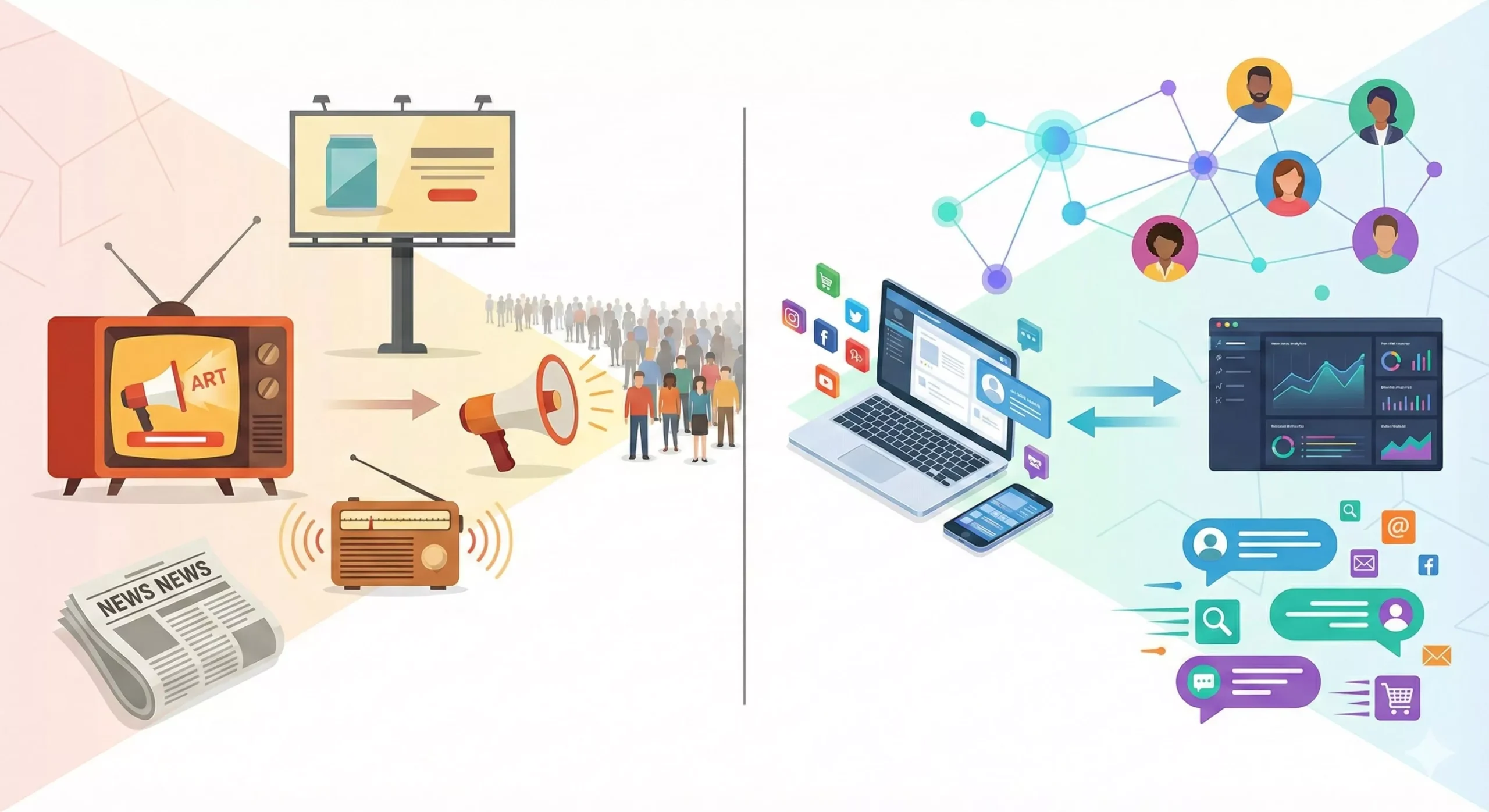
Understanding the fundamental difference between traditional and digital marketing helps businesses make strategic decisions about their marketing mix.
Audience Targeting Capabilities
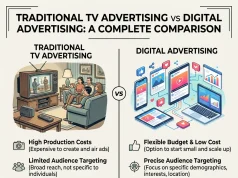
Traditional marketing typically uses broad demographic categories to define target audiences. A radio advertisement might target “adults aged 25-54” without much additional specificity.
Digital marketing allows for granular audience segmentation. Businesses can target users based on specific interests, online behaviors, purchase history, and countless other factors.
Measurement and Analytics
Traditional marketing measurement relies on surveys, focus groups, and indirect metrics like brand awareness studies. Results often take weeks or months to compile and analyze.
Digital marketing provides instant, detailed performance metrics. Businesses can track exactly how many people saw an advertisement, clicked on it, and completed desired actions.
Cost Structure and Budgeting
Traditional marketing often requires significant upfront investments. Television commercials, print advertisements, and radio spots typically involve substantial minimum spending requirements.
Digital marketing offers more flexible budgeting options. Businesses can start with small budgets and scale up based on performance and results.
Communication Style and Interaction
Traditional marketing primarily uses one-way communication, broadcasting messages to passive audiences. Viewers watch commercials or read advertisements without directly responding.
Digital marketing enables two-way conversations. Customers can comment, share, and interact with brands, creating ongoing dialogues and relationships.
Speed and Flexibility
Traditional marketing campaigns often take weeks or months to develop and launch. Changes to print advertisements or television commercials can be expensive and time-consuming.
Digital marketing campaigns can be created, launched, and modified quickly. Businesses can respond to market changes, test new messages, and optimize performance in real-time.
When Traditional Marketing Works Best
Traditional marketing remains effective in specific situations and for certain business types.
Local Business Focus
Businesses serving specific geographic areas often benefit from traditional marketing’s local reach. Radio advertisements, newspaper listings, and community event sponsorships can effectively target nearby customers.
Reaching Older Demographics
Traditional media still effectively reaches older consumers who may not be as active online. Television, radio, and print advertising can connect with these audiences more effectively than digital channels.
Building Brand Credibility
Traditional media can enhance brand credibility and legitimacy. A television commercial or magazine advertisement may carry more weight than digital advertising for some audiences.
Product Demonstrations
Television and radio allow businesses to demonstrate products and tell stories through audio-visual content. This capability can be particularly valuable for complex or experiential products.
When Digital Marketing Excels
Digital marketing proves most effective in many modern business scenarios.
Tech-Savvy Target Audiences
Businesses targeting younger demographics or technology-focused industries often find digital marketing more effective than traditional approaches.
Niche Market Targeting
Digital platforms excel at reaching specific interest groups and niche audiences that may be difficult to target through traditional media.
E-commerce and Online Sales
Businesses selling products or services online benefit from digital marketing’s ability to drive traffic directly to websites and online stores.
Budget-Conscious Campaigns
Companies with limited marketing budgets can often achieve better results through targeted digital campaigns than broad traditional advertising.
Data-Driven Organizations
Organizations that prioritize measurable results and continuous optimization typically favor digital marketing’s analytical capabilities.
Integrating Both Approaches Successfully
Many successful businesses use combined strategies that leverage both traditional and digital marketing strengths, often guided by foundational models like the 3Cs of marketing.
Cross-Channel Consistency
Maintaining consistent messaging across all channels reinforces brand identity and improves overall campaign effectiveness.
Complementary Targeting Strategies
Traditional marketing can build broad brand awareness while digital marketing targets specific customer segments with personalized messages.
Multichannel Customer Journeys
Customers often encounter brands through multiple touchpoints. A television advertisement might create initial awareness, while digital retargeting campaigns nurture leads toward conversion.
Amplified Reach and Engagement
Digital channels can extend the reach of traditional campaigns through social media sharing, online discussions, and user-generated content.
Making the Strategic Choice
Selecting between traditional and digital marketing depends on several key factors specific to your business situation.
Consider your target audience’s media consumption habits, preferred communication channels, and demographic characteristics. Evaluate your budget constraints, timeline requirements, and measurement priorities.
Your industry type, geographic focus, and competitive landscape also influence the most effective marketing approach. Technology companies might lean heavily toward digital strategies, while local service businesses might benefit from traditional methods.
The most successful marketing strategies often combine elements from both approaches, creating comprehensive campaigns that maximize reach and effectiveness while staying within budget constraints.
Building Your Marketing Strategy
Rather than viewing traditional and digital marketing as competing alternatives, consider them complementary tools in your marketing toolkit. Each approach offers unique advantages that can contribute to your overall business success when applied strategically.
Start by clearly defining your target audience and understanding their media consumption patterns. Analyze your budget, timeline, and measurembbbbbent requirements. Then select the marketing channels that best align with your business goals and customer preferences.
Test different approaches, measure results, and adjust your strategy based on performance data. The marketing landscape continues evolving, but businesses that understand both traditional and digital marketing principles will be best positioned to adapt and thrive.
Consider incorporating frameworks such as the 7 Ps of traditional marketing to strengthen your overall strategy.
Conclusion
In today’s dynamic business landscape, recognizing how digital marketing is different from traditional marketing is essential for strategic decision-making. Traditional marketing builds credibility, reaches broad audiences, and engages local markets, while digital marketing enables precise targeting, real-time analytics, and interactive engagement. The most effective marketing strategies integrate both approaches, using each method’s strengths to achieve business goals efficiently. By focusing on the differences and benefits, companies can optimize campaigns, improve results, and stay ahead in competitive markets.
FAQs on Digital Marketing Different from Traditional Marketing
What is digital marketing different from traditional marketing?
Digital marketing is different from traditional marketing in its channels, targeting, measurability, and interactivity. Traditional marketing relies on offline media, while digital marketing uses online platforms for precise audience engagement.
Why is digital marketing different from traditional marketing?
It differs because digital marketing allows real-time tracking, precise targeting, and interactive communication, unlike traditional marketing’s broad reach and one-way messaging.
Which is more cost-effective: digital marketing or traditional marketing?
Digital marketing is generally more cost-effective, especially for small businesses, because campaigns can be scaled, optimized, and measured precisely. Traditional marketing often requires higher upfront costs.
Can small businesses use digital marketing different from traditional marketing effectively?
Yes. Small businesses benefit from digital marketing’s targeting and analytics, while also using traditional methods locally to build brand credibility.
How does audience targeting show that digital marketing is different from traditional marketing?
Digital marketing allows granular audience targeting by demographics, interests, behavior, and location, whereas traditional marketing targets broad demographic groups.
Is traditional marketing still relevant if digital marketing is different from traditional marketing?
Yes. While digital marketing differs in flexibility and measurability, traditional marketing remains effective for credibility, brand awareness, and reaching offline audiences.
Which businesses benefit most from understanding digital marketing different from traditional marketing?
E-commerce, tech startups, global brands, and data-driven businesses gain the most from leveraging digital marketing, while local and offline-focused businesses also benefit from blending strategies.
How can businesses combine digital marketing different from traditional marketing?
By integrating campaigns: using traditional methods for broad awareness and digital marketing for targeted engagement, conversion tracking, and lead nurturing.
Does digital marketing different from traditional marketing deliver faster results?
Yes. Digital campaigns can be launched, measured, and adjusted in real time, whereas traditional campaigns take longer to develop and evaluate.
How do you measure digital marketing different from traditional marketing?
Digital marketing provides real-time metrics like clicks, conversions, and ROI. Traditional marketing relies on surveys, brand awareness studies, and indirect metrics.