Marketing techniques include strategies like SEO, social media marketing, email campaigns, content marketing, and paid ads. These methods help businesses attract customers, increase brand awareness, improve engagement, and drive sales effectively in competitive markets.
 Strategic planning is what separates successful campaigns from failed ones. Without structure, even the best marketing techniques can underperform. A well-planned strategy aligns audience targeting, content creation, advertising channels, and performance tracking into one system.
Offline channels were the primary force behind brand promotion long before the internet existed. These methods continue to deliver strong results, especially for local businesses aiming to build trust and long-term recognition. Implementing robust advertising methods across traditional platforms ensures your brand establishes a firm physical presence.
Print Media and Direct Mail
Print media includes newspapers, magazines, brochures, and newsletters. Advertisers buy space based on the publication’s circulation and reader demographics. Magazines often cater to highly specific interests, allowing brands to reach dedicated enthusiasts. Newspapers offer broad, localized reach, making them ideal for regional business announcements.
Direct mail places a physical piece of marketing material directly into a consumer’s hands. Brands send catalogs, postcards, and personalized letters to specific residential addresses. Physical mail boasts an incredibly high open rate compared to promotional emails. A well-designed catalog can sit on a coffee table for weeks, providing continuous brand exposure.
Broadcast Media
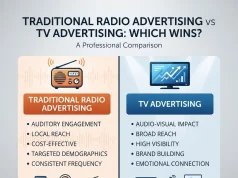
Television and radio form the core of broadcast media. These channels push content to a mass audience simultaneously. Television commercials remain one of the most powerful tools for storytelling, allowing brands to evoke strong emotions through sight and sound.
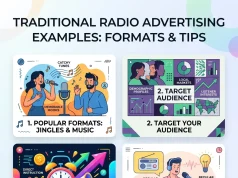
Radio ads target listeners during specific routines, such as morning commutes. Audio messaging builds familiarity through repetition and catchy slogans. When used effectively, broadcast media helps businesses dominate the traditional marketing awareness stage, establishing a firm presence in local or national markets before the consumer ever searches for the product online.
Out-of-Home (OOH) Advertising
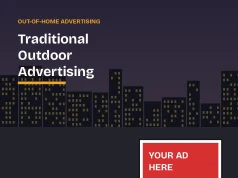
Out-of-home media captures consumers while they navigate the physical world. This category includes highway billboards, transit posters on buses, subway advertisements, and digital displays in shopping malls.
OOH marketing provides massive, unskippable visibility. Commuters pass the same billboards every day, which solidifies brand recall. Modern digital billboards even allow advertisers to change messages based on the time of day or the weather, adding a layer of dynamic targeting to an otherwise static medium.
Building Brand Loyalty with Local Events
When a company steps out from behind the digital screen and enters the physical community, it changes the dynamic completely. You become a recognizable neighbor and a trusted supporter. Engaging the community through event marketing and sponsorships is a highly effective way to humanize your business.
Whether you host a neighborhood block party, sponsor a youth sports team, or organize a charity run, face-to-face interactions foster immense trust. People remember positive experiences far more vividly than standard advertisements. When attendees feel valued and included at a local event, they naturally associate those positive emotions with your brand.
High-Impact Digital Marketing Techniques
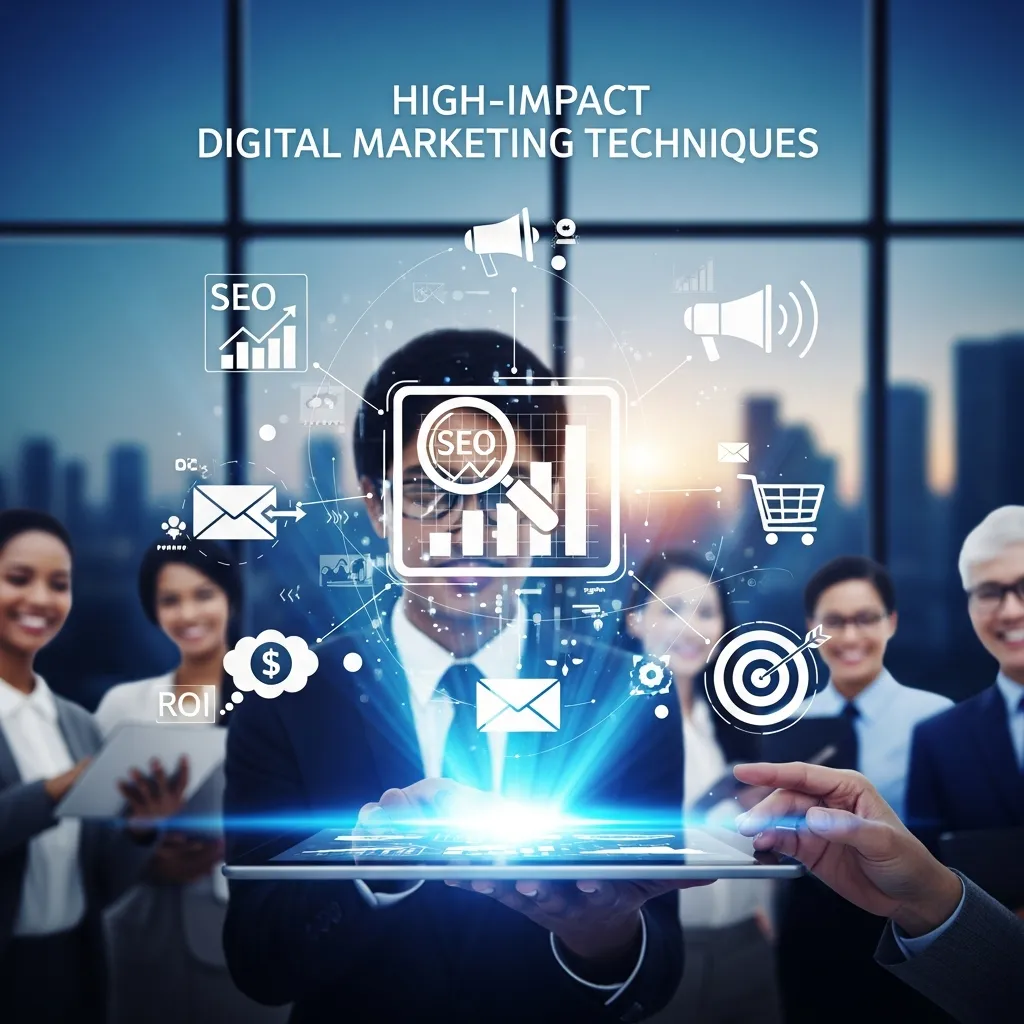 As consumers spend increasing amounts of time online, digital channels are absolutely essential for business survival. Digital marketing techniques offer precise targeting, real-time analytics, and highly flexible budgeting options.
Search Engine Optimization (SEO)
SEO involves optimizing your website content so it ranks naturally in search engine results. This process requires thorough keyword research, high-quality content creation, and technical website improvements.
While SEO takes time to show substantial results, it provides sustainable, long-term traffic without the ongoing costs of paid clicks. By answering the questions your customers are searching for, you position your brand as a helpful industry authority. According to resources from the Content Marketing Institute, a strong organic content strategy generates significantly more leads over time than traditional outbound marketing while costing much less.
Pay-Per-Click (PPC) Advertising
PPC advertising allows you to bid on specific keywords. Your ad appears at the very top of the search results, and you only pay when a user actually clicks the link.
PPC delivers immediate visibility and traffic. It is highly effective for limited-time sales, launching new products, or targeting highly competitive search terms where your organic ranking might be low. Platforms like Google Ads provide detailed analytics, allowing you to tweak your bids and ad copy in real-time to maximize your return on investment.
Social Media Marketing
Social media platforms gather billions of active users. Marketing on these platforms requires a blend of community building and strategic ad spending.
Organic social media involves posting unpaid content to build an audience and engage directly with customers. Brands share behind-the-scenes videos, educational posts, and user-generated content. This fosters community trust and customer loyalty.
Paid social ads allow you to bypass algorithms and push your content directly into user feeds. Social platforms offer incredibly detailed targeting options. You can target users based on age, location, job title, and specific personal interests. Paid social is excellent for driving immediate conversions and expanding your reach far beyond your current followers.
Email Marketing
Email marketing remains one of the most reliable and profitable advertising methods available. Brands collect user email addresses through website sign-ups or purchases. They then send targeted newsletters, promotional offers, and personalized product recommendations.
Email provides a direct line of communication to an audience that has already expressed interest in your business. By segmenting your email list based on past purchasing behavior, you can send highly relevant offers that convert at a much higher rate than generic blasts.
Integrating Offline and Online Strategies
The most successful modern brands do not choose between digital and traditional advertising. They combine them to create a seamless customer experience. This omnichannel approach ensures that a brand remains visible regardless of where the consumer spends their time.
Bridging the Gap with Technology
Using physical media to drive digital action is a highly effective tactic. Marketers frequently place QR codes on transit posters and direct mail pieces. A consumer can scan the code with their smartphone to instantly access a digital landing page, sign up for a newsletter, or receive a discount. This provides the tangibility of print with the trackability of a digital click.
Television and radio ads frequently feature custom hashtags to encourage social media discussions. Brands launch a television commercial and simultaneously run targeted mobile ads to users in the same geographic area. The offline ad creates broad awareness, and the digital ad captures the immediate conversion.
Unified Brand Messaging
Consistency is a core principle of effective marketing techniques. When your logo, colors, fonts, and tone remain the same across all channels, people begin to associate those elements tightly with your business.
If someone sees your billboard, hears your radio ad, and later receives a digital retargeting ad, consistent branding helps them instantly recognize that all messages come from the same company. Consistent messaging builds trust over time and strengthens your brand identity in the minds of consumers.
Tracking and Measuring Campaign Success
 Tracking performance is completely non-negotiable. Without accurate measurement, you will never know which campaigns are driving revenue and which are draining your budget. Understanding traditional marketing effectiveness alongside digital metrics allows you to optimize your spending.
Key Performance Indicators (KPIs)
You must define the metrics that matter most to your specific campaign goals. Common KPIs include:
- Customer Acquisition Cost (CAC): How much money you spend to acquire a single new customer.
- Return on Ad Spend (ROAS): The amount of revenue generated for every dollar spent on advertising.
- Conversion Rate: The percentage of people who take a desired action, such as filling out a form or making a purchase, after seeing your ad.
- Website Traffic: The total volume of visitors coming to your site from your various marketing efforts.
Tools for Measurement
Digital campaigns are relatively easy to track using built-in platform analytics and tools like Google Analytics. You can see exactly where a user came from, how long they stayed on your site, and what pages they viewed.
Tracking offline campaigns requires a bit more creativity. Businesses use dedicated promotional codes printed on direct mail, unique vanity URLs for radio ads, and specific phone numbers for television spots. By recording how many leads come through these specific offline identifiers, analysts can accurately gauge the success of traditional media investments.
Frequently Asked Questions (FAQs)
What are the most cost-effective marketing techniques for a small business?
Small businesses often see the best results from combining local SEO, community event sponsorships, and targeted social media advertising. Claiming and optimizing your Google Business Profile is completely free and highly effective for capturing local search traffic. Distributing well-designed flyers and partnering with other local businesses also provides excellent visibility on a tight budget.
How long does it take to see results from SEO?
Search engine optimization is a long-term strategy. Most businesses begin to see noticeable improvements in organic traffic and search rankings within four to six months of consistent effort. However, highly competitive industries may take up to a year to yield substantial results. The delayed gratification is offset by the sustainable, ongoing traffic SEO provides.
Should I focus more on traditional or digital marketing?
The best approach heavily depends on your specific audience and business model. A local restaurant might benefit massively from nearby billboards and direct mail coupons. An online software company will likely focus entirely on digital channels like PPC and content marketing. Most successful brands allocate their budget across both offline and online channels to maximize their overall reach.
How often should I send marketing emails to my subscribers?
Email frequency depends on your industry and the value of your content. E-commerce brands often send multiple promotional emails a week without annoying their audience. B2B service companies might only send one high-value newsletter per month. Monitor your open rates and unsubscribe rates closely. If engagement drops, reduce your frequency and focus on improving the quality of the content.
What makes a marketing message memorable?
Memorable messages are usually simple, highly emotional, and consistently repeated. They address a specific pain point the consumer is experiencing and offer a clear, easy-to-understand solution. Coupling a strong emotional hook with a distinctive visual identity ensures the message sticks in the consumer’s mind long after they scroll past the advertisement.
Your Next Steps for Campaign Success
Choosing the right marketing techniques requires a mix of calculated research and creative experimentation. Traditional channels like television, radio, and out-of-home media provide unmatched credibility and local visibility. Digital methods like pay-per-click and social media advertising offer precision targeting and immediate analytics.
The most resilient businesses do not rely on a single channel. They integrate multiple methods to guide the consumer smoothly from initial awareness to final purchase.
Review your current promotional efforts today. Identify gaps where you can introduce a new advertising method, and begin testing on a small, manageable scale. By continuously tracking your results, listening to your customers, and adjusting your strategy, you will build a marketing engine that drives sustainable business growth for years to come.