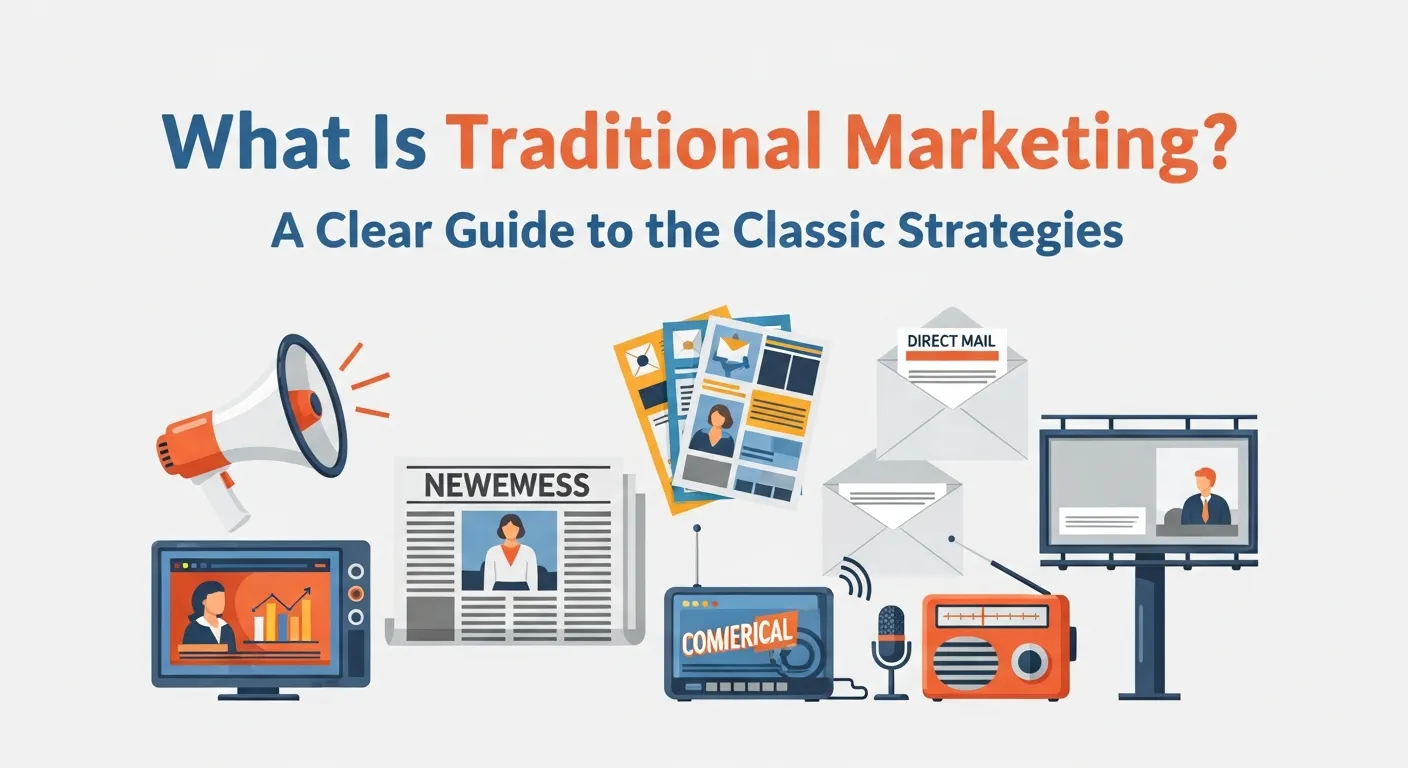
Marketing has many faces, and while the term often brings to mind digital strategies like social media ads and email campaigns, traditional marketing is where it all began. But what exactly is traditional marketing? Why does it still matter in a world so heavily influenced by digital media?
This blog takes you through the basics, explores the different forms of traditional marketing, and discusses its relevance for today’s brands.
What Is Traditional Marketing?
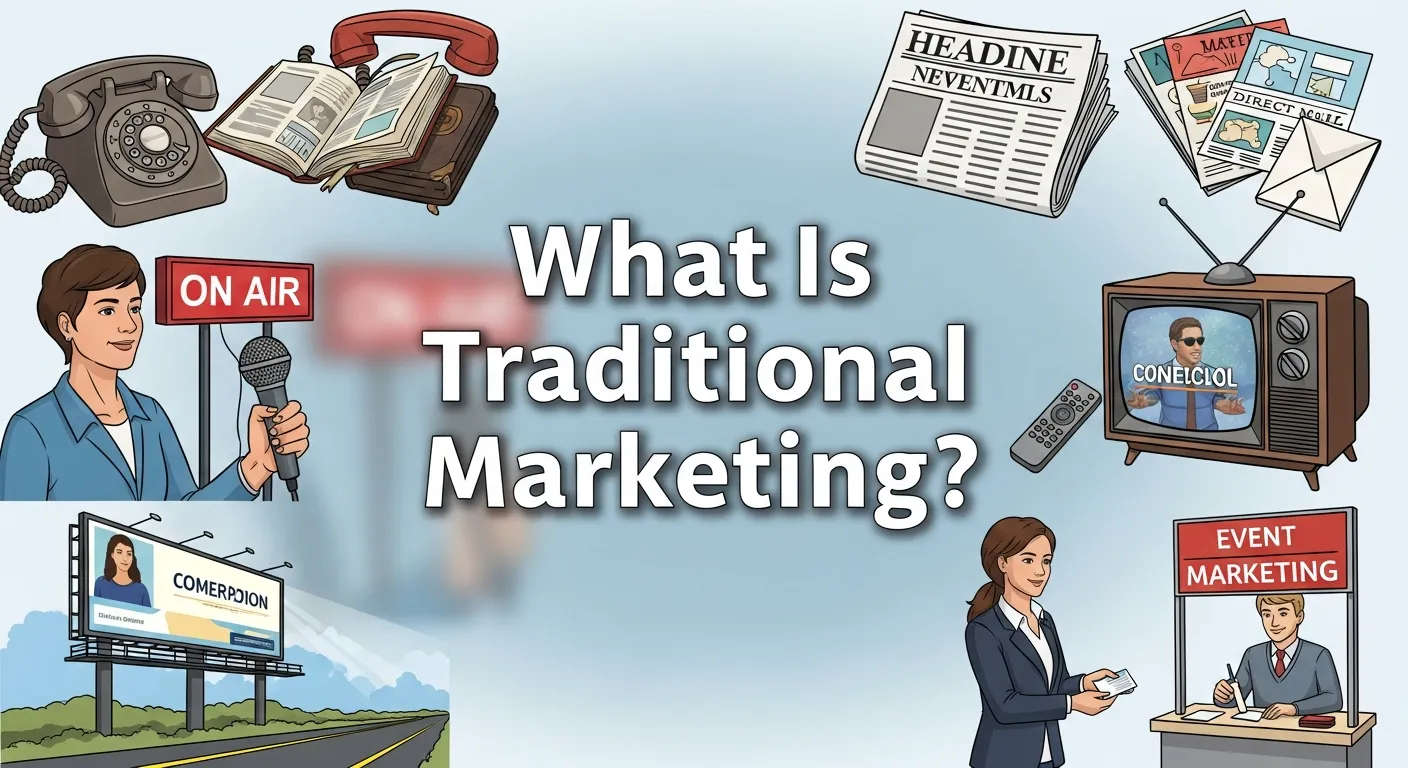
At its core, traditional marketing refers to any promotional effort that doesn’t rely on digital channels. Think of methods that have stood the test of time, like TV ads, billboards, and direct mail. These strategies rely on direct, physical means of reaching an audience and work independently of the internet.
Key Characteristics of Traditional Marketing
- Tangible Presence: Traditional marketing materials, such as flyers or magazines, exist physically and often leave a lasting impression.
- Mass Appeal: The approach often targets broad, diverse audiences through widespread channels like radio or television.
- One-way Communication: Traditional marketing is usually non-interactive, meaning it provides information but doesn’t receive real-time feedback from its audience.
- Repetition for Visibility: These tactics often rely on repeated exposure to create brand recall, such as seeing the same ad multiple times on TV or a billboard.
The Different Types of Traditional Marketing
Traditional marketing spans a broad array of techniques. Here are some of the most common types:
1. Print Media
Print media includes newspapers, magazines, brochures, and flyers. It’s one of the oldest forms of marketing and gives brands the opportunity to target specific demographics based on the readership of particular publications.
Example:
A sporting goods store is placing an ad in a fitness magazine to attract gym-goers.
2. Broadcast Media
Broadcast media use platforms like television and radio to communicate messages to a large audience. Radio jingles and catchy TV ads stick in people’s minds, helping brands create a strong presence.
Example:
Remember the jingle for a local car dealership or the memorable Super Bowl commercials? They’re examples of broadcast media in action.
3. Outdoor Advertising
Billboards, posters, and transit ads (like buses and subways) all come under outdoor marketing. These methods offer high visibility, especially in densely populated areas or along busy highways.
Example:
A movie studio is promoting an upcoming blockbuster on a massive billboard in Times Square.
4. Direct Mail
Direct mail involves sending promotional materials, such as flyers, catalogs, or postcards, straight to people’s homes. Personalization is key, as targeting individuals with tailored messages increases engagement.
Example:
A real estate agent sends postcards with market updates tailored to the recipient’s neighborhood.
5. Telemarketing
Telemarketing involves reaching out to potential customers via phone. While often viewed as intrusive, when done right, it can be an effective way to generate leads or close sales.
Example:
A subscription company calling to offer an exclusive deal to previous customers.
6. Event Sponsorship and Experiential Marketing
Hosting or sponsoring event-based activities can create immersive brand experiences. Think of brand stalls at trade shows or a sponsored gala.
Example:
A beverage company is sponsoring a music festival and setting up booths for free sampling.
The Pros and Cons of Traditional Marketing
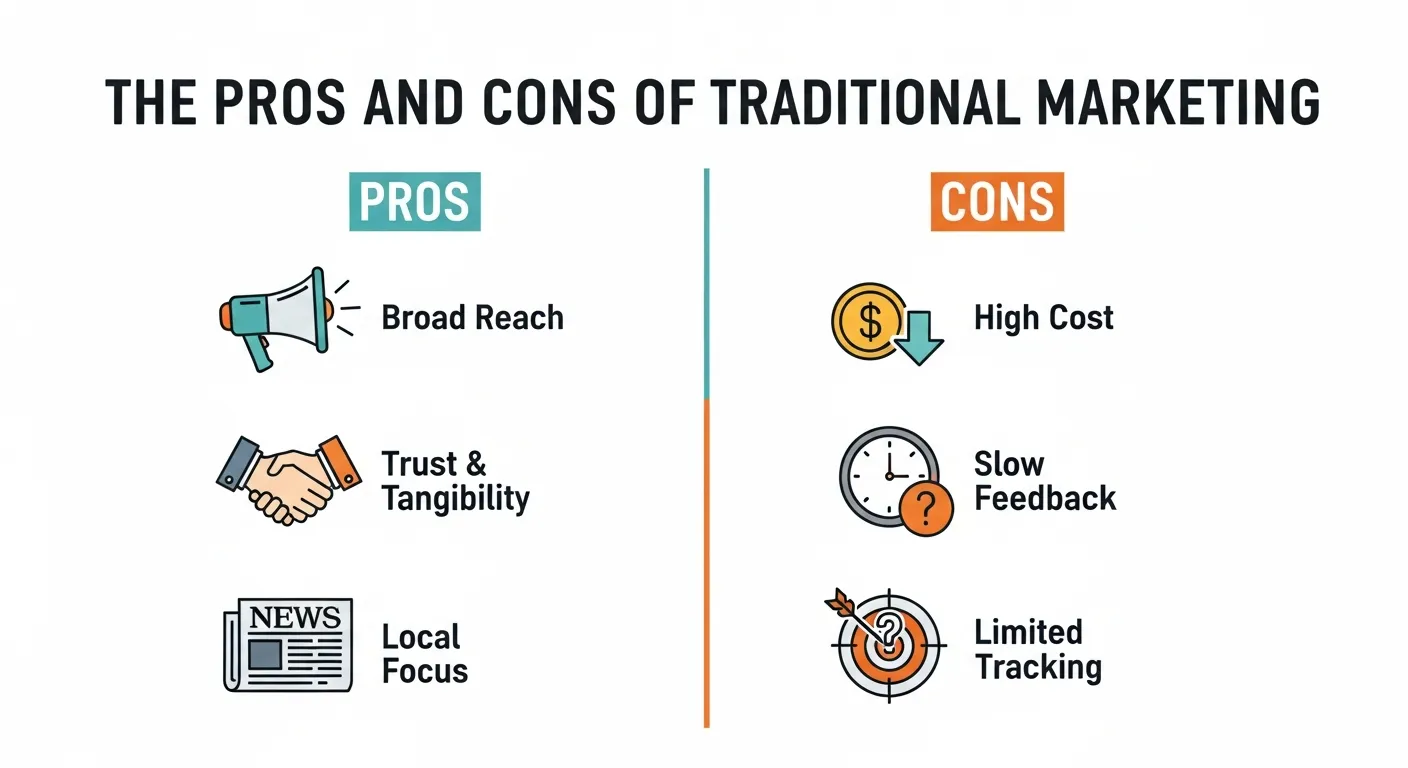
No marketing approach is perfect, and traditional strategies have their own advantages and challenges.
Benefits of Traditional Marketing
Tangible Impact:
- Physical marketing materials like brochures or billboards have a sense of permanence.
High Reach Potential:
- Broadcast methods like TV and radio reach a massive audience at once.
Brand Recall:
- Repeated exposure increases familiarity, which can build trust over time.
Credibility:
- Traditional media is often perceived as more trustworthy than digital ads. A study found that print ads perform better in terms of ad recall and brand trust compared to online ad formats.
Drawbacks of Traditional Marketing
Cost:
- Traditional methods, especially TV or print ads, can be expensive to produce and distribute.
Harder to Measure ROI:
- Unlike digital marketing, which offers analytics to track engagement, it’s tougher to measure the success of a billboard or newspaper ad.
Limited Interaction:
- Traditional marketing offers one-way communication, lacking real-time feedback from audiences.
Declining Audiences in Some Areas:
- Younger consumers often spend more time online than consuming print or broadcast media.
Does Traditional Marketing Still Matter?
While digital marketing now dominates campaigns, traditional marketing still has a vital role to play in a comprehensive strategy. It works especially well for:
Local Businesses:
- Flyers and billboards are effective in localized regions where digital reach may be overkill.
Targeting Older Demographics:
- Older consumers are more likely to respond to TV, print, and direct mail promotions compared to younger, more digitally savvy audiences.
Brand Awareness:
- High-impact outdoor ads or TV spots aid in making your brand recognizable to a broad audience.
How Traditional Marketing Builds Brand Loyalty
Traditional marketing isn’t just about reaching new customers—it’s a powerful tool for building long-term relationships with your audience. Physical and repeated interactions leave lasting impressions that digital campaigns sometimes struggle to achieve.
Key Ways Traditional Marketing Fosters Loyalty:
- Repetition and Recall: Frequent exposure to TV commercials, radio ads, or billboards reinforces brand awareness and keeps your brand top-of-mind.
- Trust and Credibility: Established media, such as newspapers and TV, lend credibility to your message, making consumers more likely to trust your brand.
- Tangible Connection: Physical materials like brochures, direct mail, and coupons provide a lasting touchpoint that consumers can reference at their convenience.
- Community Presence: Sponsoring local events or trade shows strengthens emotional ties with your audience, positioning your brand as a part of their community.
Example:
A local bakery repeatedly placing ads in community newspapers and sponsoring local events not only attracts customers but also builds familiarity and loyalty over time.
Blending Traditional and Digital Marketing
One of the biggest trends in marketing today is the integration of traditional and digital strategies. By combining both, businesses can enjoy the strengths of each technique for maximum impact.
A Local Restaurant Example:
-
- Combine a billboard with a QR code directing users to your online menu or social media page.
Event Integration:
-
- Enhance event sponsorships by creating hashtag campaigns that attendees can follow online.
This blended approach ensures your message reaches individuals wherever they spend their time.
How to Get Started with Traditional Marketing
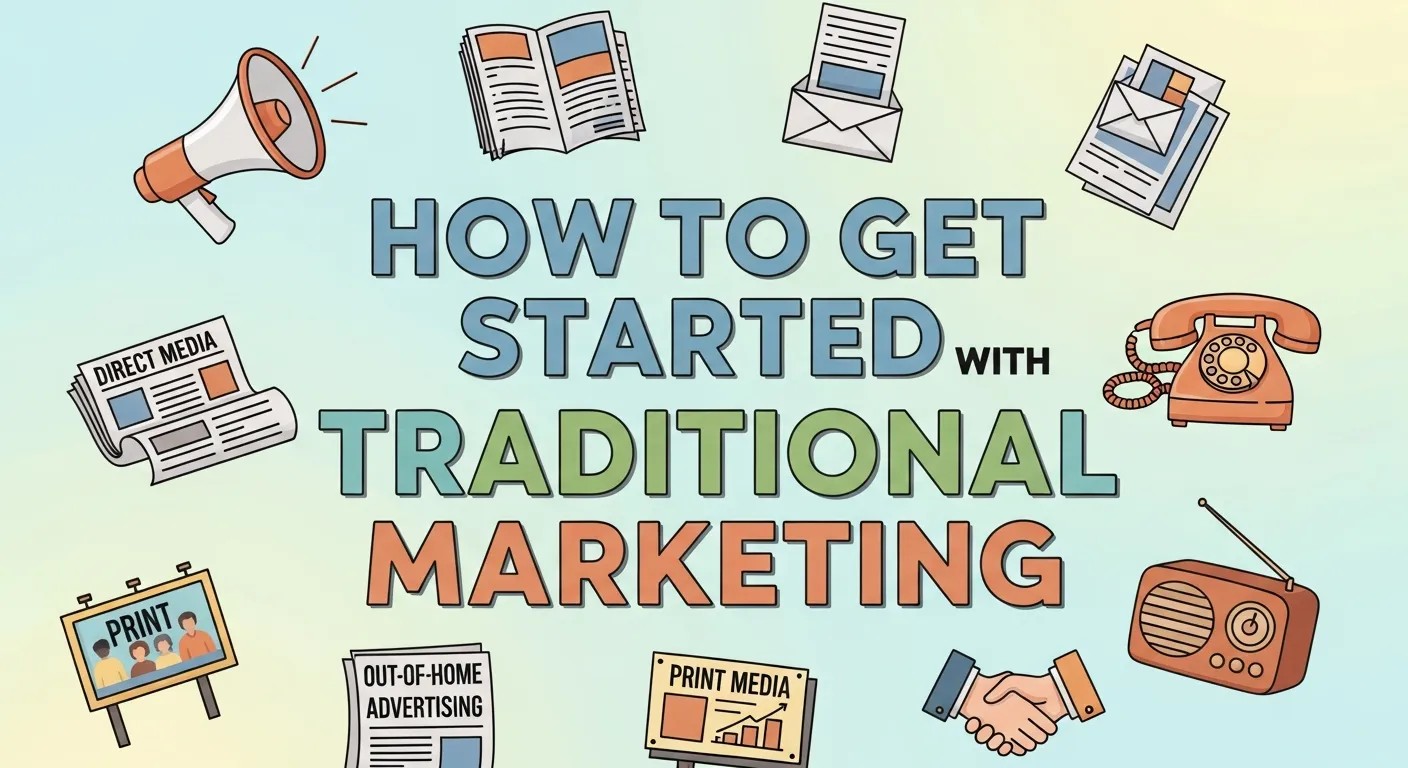
If you’re considering leveraging traditional marketing for your business, here are a few actionable steps to start:
Define Your Goals:
- Are you looking to build brand awareness, promote an event, or generate leads? Your goal will shape your strategy.
Know Your Audience:
- Choose methods that match the preferences of your target demographic.
Set Your Budget:
- Traditional campaigns can require substantial investment, so allocate your resources wisely.
Track Results:
- Use methods like unique coupon codes or special URLs to measure the effectiveness of your offline campaigns.
Maximizing ROI with Traditional Marketing: Strategies That Work
While traditional marketing can be more costly and harder to measure than digital channels, businesses can still maximize return on investment (ROI) with smart planning and execution. Focusing on efficiency, targeting, and integration allows companies to get the most out of their offline campaigns.
Key Strategies to Improve ROI:
- Targeted Placement: Focus on media outlets and locations where your ideal audience spends time, such as niche magazines, local newspapers, or commuter routes for billboards.
- Trackable Campaigns: Incorporate unique coupon codes, QR codes, or dedicated phone numbers to measure responses from print ads, flyers, and direct mail.
- Frequency and Timing: Consistent repetition of messages improves recall. Place ads during peak seasons or events relevant to your industry for maximum effect.
- Cross-Promotion: Use print and outdoor campaigns to drive traffic to digital platforms, enhancing engagement and tracking capabilities.
- Creative Excellence: Invest in high-quality design, visuals, and messaging that capture attention and leave a memorable impression.
Traditional Marketing ROI Tactics
| Strategy | Description | Measurement Method | Benefit |
|---|---|---|---|
| Direct Mail | Personalized letters, flyers, catalogs | Coupon codes, landing pages | Targeted reach, higher conversion |
| Billboards & Outdoor | Large-format displays in high-traffic areas | Surveys, website analytics | Brand awareness, local impact |
| Print Ads | Newspapers, magazines | QR codes, promo numbers | Credibility, audience trust |
| Event Sponsorship | Trade shows, local events | Registration tracking, social mentions | Engagement, lead generation |
| Telemarketing | Phone outreach | Call tracking, follow-ups | Direct leads, relationship building |
Practical Tip:
Combine offline campaigns with digital follow-ups. For example, a magazine ad can direct readers to an online landing page or a social media contest, allowing you to track engagement and nurture leads effectively.
By strategically applying these approaches, businesses can ensure that traditional marketing doesn’t just create awareness but also drives measurable business results.
Measuring the Effectiveness of Traditional Marketing
One of the challenges often cited for traditional marketing is measuring its impact compared to digital channels. However, there are several proven ways to track ROI and effectiveness:
Methods to Measure Traditional Marketing Success:
- Unique Coupon Codes or URLs: Assign a code to each campaign to track redemptions.
- Dedicated Phone Numbers: Use specific phone lines for ads to monitor inquiries.
- Customer Surveys: Ask new customers how they heard about your business.
- Sales Correlation: Analyze sales trends before and after campaigns.
Comparison Table: Traditional vs Digital Marketing Measurement
| Feature | Traditional Marketing | Digital Marketing |
|---|---|---|
| Data Precision | Moderate (estimates via surveys, codes) | High (real-time analytics, clicks, conversions) |
| Time Lag in Reporting | Longer (weeks or months) | Immediate |
| Cost of Measurement | Moderate to High | Low to Moderate |
| Insights into Customer Behavior | Limited | Detailed (click paths, engagement, demographics) |
By implementing these techniques, businesses can make traditional marketing campaigns more accountable and aligned with overall marketing objectives.
The Future of Traditional Marketing
While digital marketing has taken center stage, traditional marketing remains essential for building credibility and establishing a tangible connection with your audience. When used thoughtfully, it can complement digital efforts for a holistic, impactful strategy.
Don’t dismiss traditional methods as “outdated”—embrace their time-tested effectiveness and use them to support your overall marketing goals.
Emerging Trends in Traditional Marketing
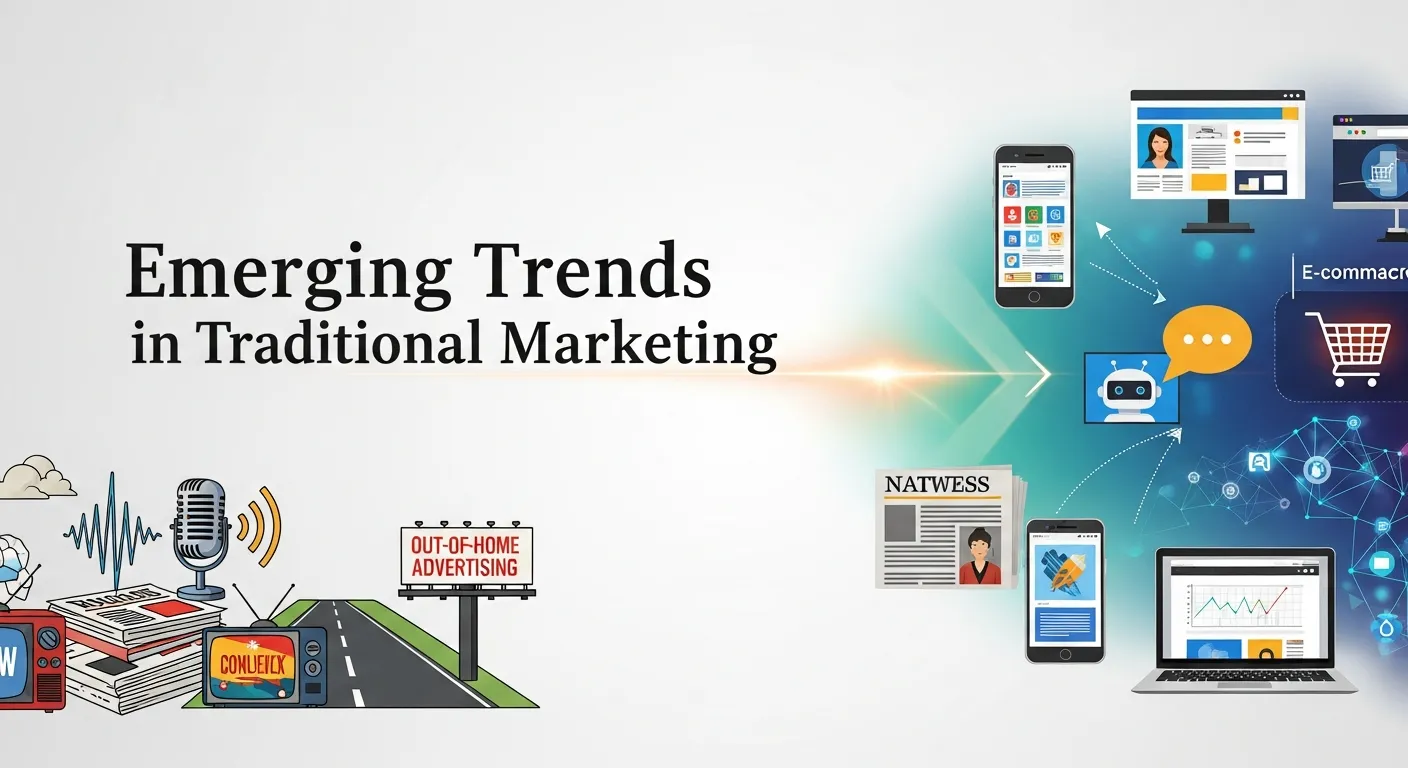
Even in the digital age, traditional marketing is evolving. Innovative approaches are blending classic techniques with modern technology, making campaigns more interactive and measurable.
Emerging Trends Include:
- Print-Digital Integration: QR codes, NFC tags, and augmented reality in print materials create interactive experiences linking offline audiences to online content.
- Eco-Friendly Marketing: Sustainable materials for flyers, packaging, and direct mail appeal to environmentally conscious consumers.
- Experiential Marketing: Brands increasingly use live events, pop-up stores, and product sampling to engage audiences physically while creating shareable moments online.
- Localized Campaigns: Hyper-local marketing, like geo-targeted billboards or neighborhood mailers, ensures relevance and maximizes impact.
Example:
A car brand placing a printed ad in a luxury magazine can include a QR code for scheduling test drives online, seamlessly combining traditional and digital approaches.
Conclusion
Traditional marketing remains a crucial part of a comprehensive marketing strategy. Despite the rise of digital channels, methods like print ads, billboards, TV, and direct mail provide tangible presence, credibility, and lasting brand impact. When combined strategically with digital approaches, traditional marketing helps businesses build loyalty, reach specific audiences, and create memorable experiences that strengthen brand recognition and drive long-term growth.
FAQs About Traditional Marketing
1. What is traditional marketing?
Traditional marketing refers to promotional methods that don’t rely on digital channels. Examples include TV, radio, print ads, billboards, direct mail, and event sponsorship, aiming for broad audience reach and physical presence.
2. Why is traditional marketing still relevant?
It builds credibility, creates tangible brand impressions, reaches local or older audiences, and complements digital marketing for a more holistic strategy.
3. What are the main types of traditional marketing?
Print media, broadcast media, outdoor advertising, direct mail, telemarketing, and event sponsorship/experiential marketing.
4. Who benefits most from traditional marketing?
Local businesses, older demographics, luxury brands, event organizers, and companies seeking brand credibility or physical presence.
5. How can I measure ROI in traditional marketing?
Use unique coupon codes, dedicated phone numbers or URLs, customer surveys, and analyze sales before and after campaigns.
6. How do traditional marketing and digital marketing complement each other?
QR codes on print ads, offline promotions linking to social media, and cross-channel retargeting combine tangible presence with measurable online engagement.
7. What are the advantages of traditional marketing?
Tangible presence, broad audience reach, high brand recall, trustworthiness, and memorable real-world experiences.
8. What are the disadvantages of traditional marketing?
Higher upfront costs, limited real-time feedback, difficulty measuring precise ROI, and declining reach among younger, digitally oriented audiences.
9. How do I choose the right traditional marketing method?
Consider target audience demographics, media habits, campaign goals, budget, and industry norms.
10. Is direct mail still effective?
Yes. Personalized and targeted direct mail often yields high engagement and conversion, especially for audiences less active online.
11. How can small businesses leverage traditional marketing effectively?
Focus on local advertising, targeted campaigns, integrate offline with digital follow-ups, and use cost-effective print or community-based methods.
12. What are emerging trends in traditional marketing?
Print-digital integration (QR codes, AR), eco-friendly materials, experiential events, and hyper-localized campaigns are modern trends enhancing traditional methods.