In a world increasingly dominated by digital media, traditional marketing remains an essential force for brands seeking to stand out. While online channels such as social media and search engine advertising provide unparalleled targeting and measurability, offline tactics offer tangible experiences, emotional resonance, and credibility that digital alone often fails to deliver.
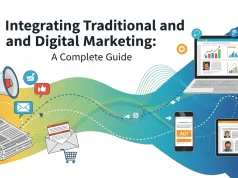
In this comprehensive guide, Explore how traditional marketing strategies—like print ads, events, and direct mail—can be effectively integrated into the digital age to revitalize your brand and engage modern audience
Why Traditional Marketing Still Matters
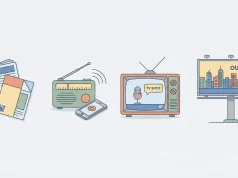
Despite the rapid rise of online advertising, traditional marketing channels continue to command significant consumer attention. Industry surveys show that 70 percent of consumers trust print ads more than digital banners, and 65 percent recall outdoor ads seen during their daily commute. These channels deliver face-to-face or real-world interactions, reinforcing brand legitimacy and creating memorable experiences. Especially for local businesses, community events, and B2B enterprises, offline tactics can foster deeper trust, drive foot traffic, and reach demographics less active online, such as seniors or niche hobbyists.
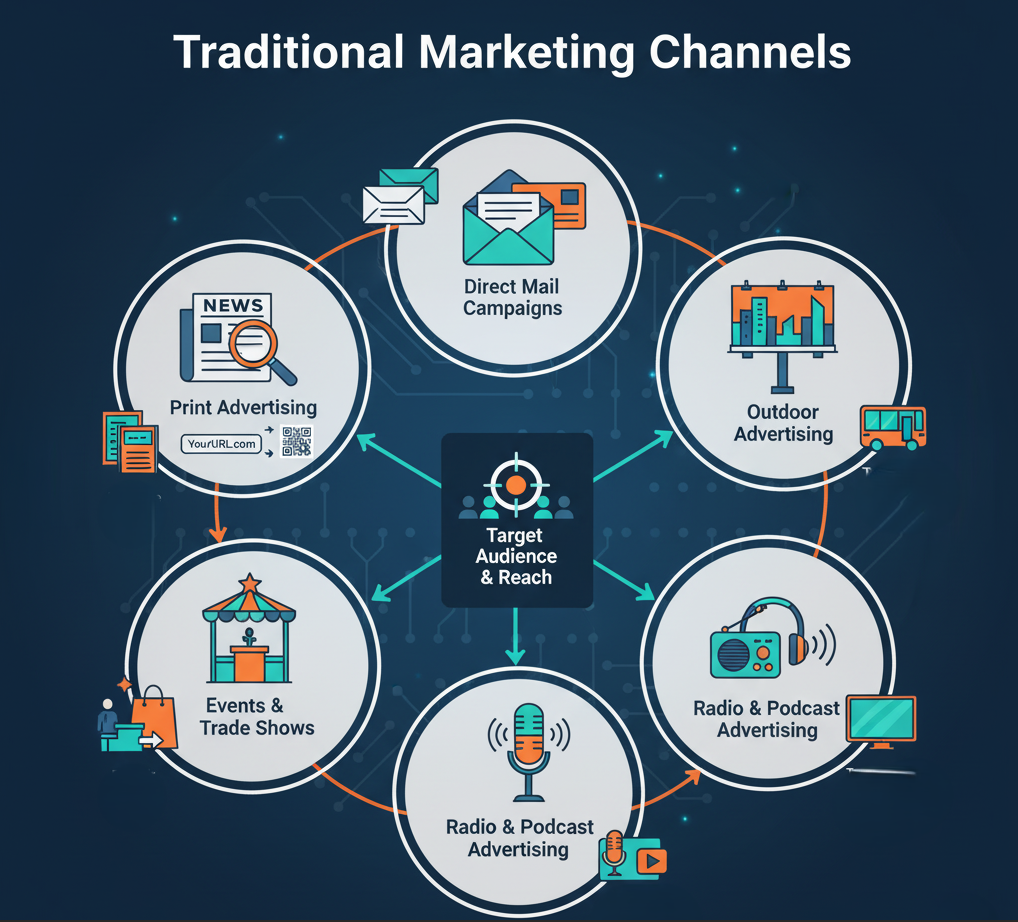
Key Traditional Marketing Channels
Print Advertising
Print media—including newspapers, magazines, brochures, and flyers—remains a cornerstone of offline marketing. High-quality print ads convey professionalism and permanence. Consider these best practices:
- Select publications with readership demographics that match your target audience.
- Invest in premium placements, such as full-page spreads or Inserts, to maximize visibility.
- Use minimal text, striking visuals, and clear calls to action to guide the reader’s next step.
- Leverage QR codes or vanity URLs to bridge print and digital, enabling precise response tracking.
Direct Mail Campaigns

| Strategy Component | Description | Best Practices |
|---|---|---|
| Audience Segmentation | Tailor messaging based on customer data | Segment by purchase history, location, interests, or demographics to increase relevance and response rates |
| Format Testing | Determine which mailer type performs best | Test postcards, self-mailer letters, dimensional mailers, or catalogs to see which generates the highest engagement |
| Trackable Elements | Measure responses and conversions | Include promo codes, QR codes, NFC tags, or dedicated URLs to track engagement and ROI |
| Timing & Scheduling | Align campaigns with consumer behavior | Schedule mail drops around key dates, holidays, or seasonal events to maximize attention and intent |
| Personalization | Enhance customer connection | Use variable data printing to customize names, offers, and images for each recipient, boosting response and brand loyalty |
This table makes it easy for readers to scan actionable tips and understand how to implement direct mail marketing as part of a traditional marketing strategy.
Highly targeted and customizable, direct mail remains one of the highest-ROI channels. By leveraging demographic data, you can send personalized catalogs, postcards, or product samples directly to prospects. Optimize your mailers by:
- Segmenting audiences by purchase history, geography, or interests for tailored messaging.
- Testing different formats—postcards, self-mailer letters, dimensional mailers—to see which garners the best response.
- Including trackable elements like promo codes, QR codes, or NFC tags to measure engagement.
- Timing mail drops around key dates or seasonal events to capitalize on consumer intent.
Radio and Podcast Advertising

Audio marketing offers repeat exposure in everyday environments—cars, homes, and workplaces. Radio ads still dominate local markets, while podcast sponsorships allow brands to reach niche, highly engaged audiences. To maximize impact:
- Craft concise, compelling scripts that highlight a single core benefit.
- Use professional voice talent and high-quality production to build credibility.
- Synchronize ad spots with peak listening times, such as morning and evening commutes or popular podcast episodes.
- Provide unique promo codes or dedicated landing pages to track conversions and ROI.
Outdoor Advertising

Billboards, transit shelters, bus wraps, and digital out-of-home (DOOH) screens offer continuous brand exposure in high-traffic areas. Effective outdoor advertising requires bold visuals and succinct messaging. Follow these guidelines:
- Keep text under seven words and use contrasting colors for readability at speed.
- Select locations based on traffic flow, competitor proximity, and audience demographics.
- Explore programmatic DOOH to swap messages dynamically based on time of day, weather, or audience data.
- Complement with geofenced mobile ads to retarget commuters who pass your billboards.
Events and Trade Shows

Live events provide unparalleled opportunities for immersive brand experiences. Whether you’re exhibiting at industry trade shows or sponsoring local community fairs, face-to-face interactions drive trust and generate high-quality leads. Elevate your presence by:
- Designing interactive booths with product demos, virtual reality setups, or gamified experiences.
- Offering branded giveaways that attendees will use beyond the event point of contact.
- Collecting attendee data ethically through digital check-ins or scan badges for post-event follow-up.
- Hosting breakout sessions or workshops to position your brand as a thought leader.
Crafting an Effective Traditional Marketing Strategy

Begin with clear, measurable objectives—brand awareness, lead generation, or sales lift. Conduct thorough market research to understand customer profiles, local media consumption habits, and competitor activity. Then, build a campaign plan that includes:
- Channel selection based on audience touchpoints and budget allocation.
- Creative development guidelines to ensure consistent branding and messaging.
- A media schedule outlining timing, frequency, and duration for each tactic.
- Performance metrics and attribution methods for ongoing optimization.
Integrating Traditional and Digital Marketing
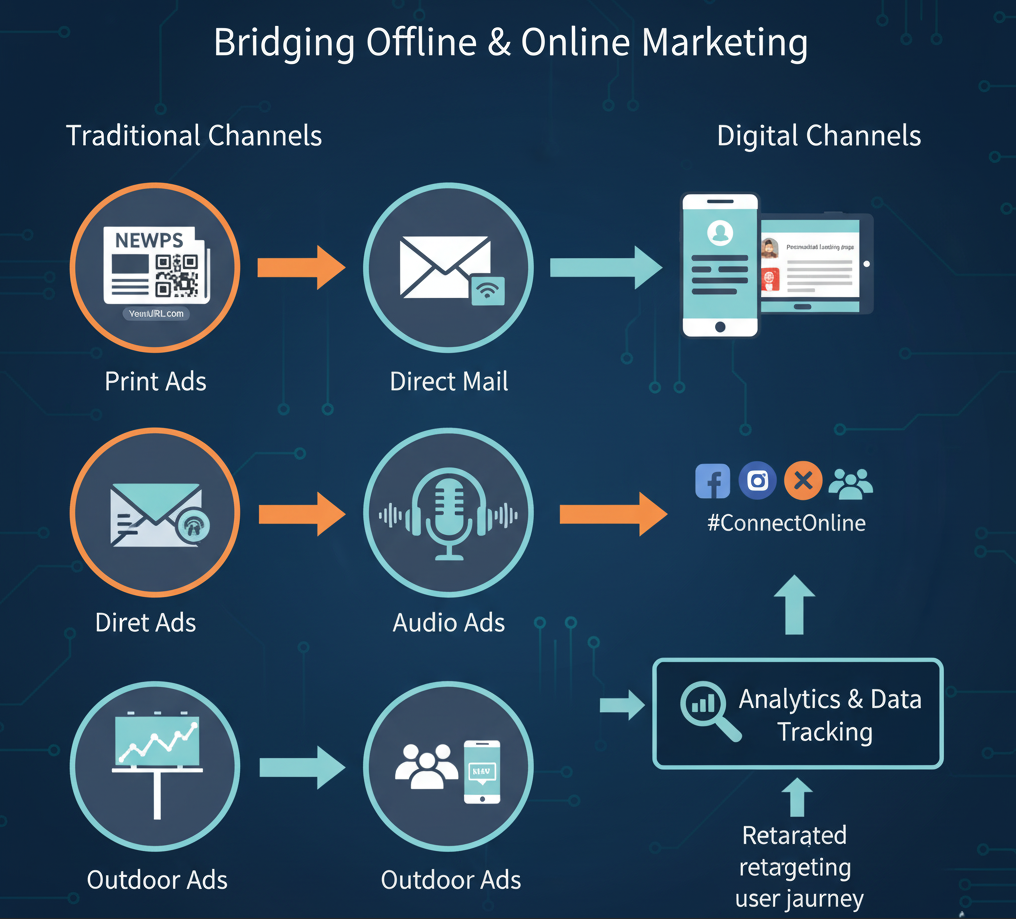
Synergy between offline and online channels amplifies your impact. Bridge the gap by embedding digital triggers into physical media. For example:
- Include QR codes in print ads that link to interactive landing pages or exclusive offers.
- Embed NFC tags in mailers for instant mobile engagement without app downloads.
- Record radio spots that direct listeners to social media contests or hashtag campaigns.
- Coordinate outdoor ads with location-based mobile ads to retarget viewers later online.
This blended approach not only enhances user experience but also unlocks richer data for audience segmentation and campaign refinement.
Measuring Success: Metrics and ROI

Measuring the impact of traditional marketing strategies requires creativity, careful planning, and a structured approach. Unlike digital analytics, where real-time dashboards track performance, offline campaigns demand proactive tracking methods and precise attribution to understand ROI.
1. Establish Unique Identifiers
To accurately measure results, assign unique identifiers for each campaign and channel. These may include:
- Promo codes on direct mail or print ads to track redemptions.
- Dedicated phone numbers to capture inquiries generated through radio, print, or outdoor advertising.
- Custom URLs or QR codes that direct traffic to specific landing pages, bridging offline engagement with measurable online activity.
These identifiers allow businesses to see which components of a traditional marketing campaign are generating the most leads, conversions, and revenue.
2. Track Key Performance Metrics
Different channels require tailored metrics to gauge effectiveness:
- Print advertising and direct mail: Monitor redemption rates, QR code scans, or coupon usage to evaluate customer response.
- Radio and podcast advertising: Track call volumes, website traffic spikes, and unique promo code usage during ad flights.
- Outdoor advertising: Use geofenced mobile tracking, surveys, and traffic analytics to measure impact.
- Events and trade shows: Count qualified leads, post-show sales, and follow-up meeting requests to assess effectiveness.
Tracking these metrics allows small businesses and large enterprises alike to understand which elements of their traditional marketing mix are performing best.
3. Calculate ROI
ROI for traditional marketing strategies is calculated by comparing incremental revenue against all associated costs—production, placement, and distribution. Use A/B testing across formats, messaging, and channels to identify top-performing strategies. For instance, comparing a postcard campaign versus a dimensional mailer can reveal which format drives higher engagement and revenue.
4. Combine Quantitative and Qualitative Feedback
Numbers tell part of the story, but qualitative insights are equally valuable. Customer surveys asking, “How did you hear about us?” or feedback collected during events provide context and help refine your traditional marketing campaign strategy. Combining both quantitative and qualitative data ensures you make data-driven decisions while understanding customer perceptions.
Case Studies and Real-World Examples

These real-world examples illustrate the tangible impact of well-executed traditional marketing strategies:
- Regional Restaurant Chain: By sending targeted direct mail postcards featuring limited-time menus and QR codes, the restaurant increased weekend reservations by 25%. This shows how a traditional marketing campaign can directly drive foot traffic and conversions.
- B2B Software Provider : A combination of magazine advertorials and personalized whitepaper mailers resulted in a 40% increase in qualified leads. This demonstrates how a cohesive traditional marketing mix can complement digital efforts to nurture high-value prospects.
- Local Theater: Partnering with a popular radio station for live interviews and ticket giveaways led to a 30% increase in ticket sales, highlighting how traditional marketing for small business can effectively boost brand awareness and drive measurable revenue.
These case studies underscore the continued relevance of traditional channels, especially when integrated thoughtfully with digital marketing initiatives.
Future Trends in Traditional Marketing

Traditional marketing strategies are evolving rapidly, blending time-tested methods with technology, data analytics, and innovative approaches. Brands that embrace these trends can stay competitive, enhance engagement, and maximize ROI.
1. Hyper-Personalization with Variable Data Printing
Variable data printing (VDP) allows brands to tailor direct mail and print materials to individual customer preferences, purchase history, or demographics. Personalized messaging drives higher response rates and strengthens customer loyalty. QR codes or NFC tags embedded in mailers bridge offline campaigns with digital engagement, making tracking and attribution easier.
2. Programmatic Digital Out-of-Home (DOOH) Advertising
Outdoor advertising is becoming smarter through programmatic DOOH, which lets brands buy ad space in real time and swap messages based on audience demographics, traffic, or weather. For example, a coffee brand can display hot beverage ads during cold mornings and iced drinks on warmer days. Combining DOOH with geofencing or mobile retargeting allows marketers to measure the impact of outdoor campaigns like never before.
3. Hybrid and Experiential Events
Events are moving beyond in-person formats. Hybrid models allow participation both on-site and online, expanding reach and engagement. Interactive booths, live streaming, polls, and gamified experiences provide measurable insights while creating memorable brand interactions—key elements of a well-rounded traditional marketing mix.
4. Data-Driven Offline Campaign Optimization
Offline marketing is now more measurable than ever. By tracking promo codes, URLs, and call-ins, brands can analyze performance, identify trends, and adjust campaigns in real time. Small businesses can optimize limited budgets by focusing on the channels and formats with the highest ROI.
5. Automation and Creative Integration
Automation streamlines offline campaign processes—from printing and distribution to event management—while maintaining personalization and consistency. When paired with creative storytelling, automation ensures your traditional marketing campaign delivers timely, relevant, and engaging messages.
6. Sustainability and Social Responsibility
Consumers increasingly value eco-conscious brands. Sustainable practices—recyclable mailers, energy-efficient signage, and responsible production—enhance brand reputation while supporting environmental responsibility. Incorporating sustainability into your traditional marketing strategies demonstrates modern relevance and resonates with socially conscious audiences.
Conclusion
Traditional marketing remains an indispensable pillar of a holistic marketing strategy. By understanding the unique strengths and best practices for print advertising, direct mail, radio, outdoor media, and events, you can craft immersive brand experiences that resonate across generations. Integrate these tactics seamlessly with your digital campaigns to enhance measurability and ROI. In doing so, you’ll revitalize your brand presence, foster deeper customer connections, and drive sustainable growth for years to come.
Frequently Asked Questions (FAQs) – Traditional Marketing Strategies
1. What are traditional marketing strategies?
Traditional marketing strategies are offline marketing methods used to reach and engage customers. Examples include print ads, direct mail, radio, outdoor advertising, and events. They focus on tangible experiences and brand credibility, complementing digital channels.
2. Why should I invest in traditional marketing strategies in the digital age?
Despite digital dominance, traditional strategies provide face-to-face interaction, emotional resonance, and trust. Studies show consumers recall and trust print and outdoor ads more than digital banners, making these methods essential for brand awareness and credibility.
3. How do I choose the right traditional marketing channels for my brand?
Select channels based on your target audience, campaign objectives, and budget. For example, use direct mail for highly personalized offers, radio for local reach, and outdoor advertising for high-traffic visibility. Research audience habits and media consumption patterns to guide your decisions.
4. How can I integrate traditional marketing strategies with digital marketing?
Combine offline and online efforts by adding QR codes, NFC tags, or dedicated URLs to print and mail campaigns. Link radio ads or outdoor campaigns to social media contests, website landing pages, or location-based digital ads to track engagement and drive conversions.
5. What metrics should I use to measure the success of traditional marketing strategies?
Key metrics include coupon or promo code redemption rates, call-ins, website traffic spikes, event attendance, and survey feedback. ROI can be calculated by comparing incremental revenue against production and distribution costs.
6. Are direct mail campaigns still effective in today’s market?
Yes. Direct mail remains one of the highest ROI traditional marketing strategies. Personalized, targeted mailers capture attention, drive response, and can easily integrate digital elements like QR codes or NFC tags for measurable results.
7. How can small businesses benefit from traditional marketing strategies?
Small businesses can leverage local print, radio, and outdoor advertising to reach nearby customers. Community events, trade shows, and flyers build brand recognition and trust in the local market, often at lower costs than large-scale digital campaigns.
8. What role do events and trade shows play in traditional marketing strategies?
Events provide immersive, face-to-face experiences that strengthen brand loyalty, generate leads, and allow direct customer engagement. They can be enhanced with interactive booths, product demos, or hybrid virtual components to expand reach.
9. How are traditional marketing strategies evolving with technology?
Traditional strategies now incorporate tech innovations like programmatic digital out-of-home (DOOH), hyper-personalized print, NFC-enabled mailers, and hybrid events. These advances make offline campaigns more measurable, targeted, and integrated with digital channels.
10. Can traditional marketing strategies improve my ROI compared to digital-only campaigns?
Yes. When executed strategically, traditional marketing strategies can complement digital efforts to boost engagement, enhance brand credibility, and drive higher response rates. Tracking with unique identifiers and integration with digital tools ensures measurable ROI.
Learn more about: The Resurgence of Print Marketing: How to Drive ROI with Direct Mail