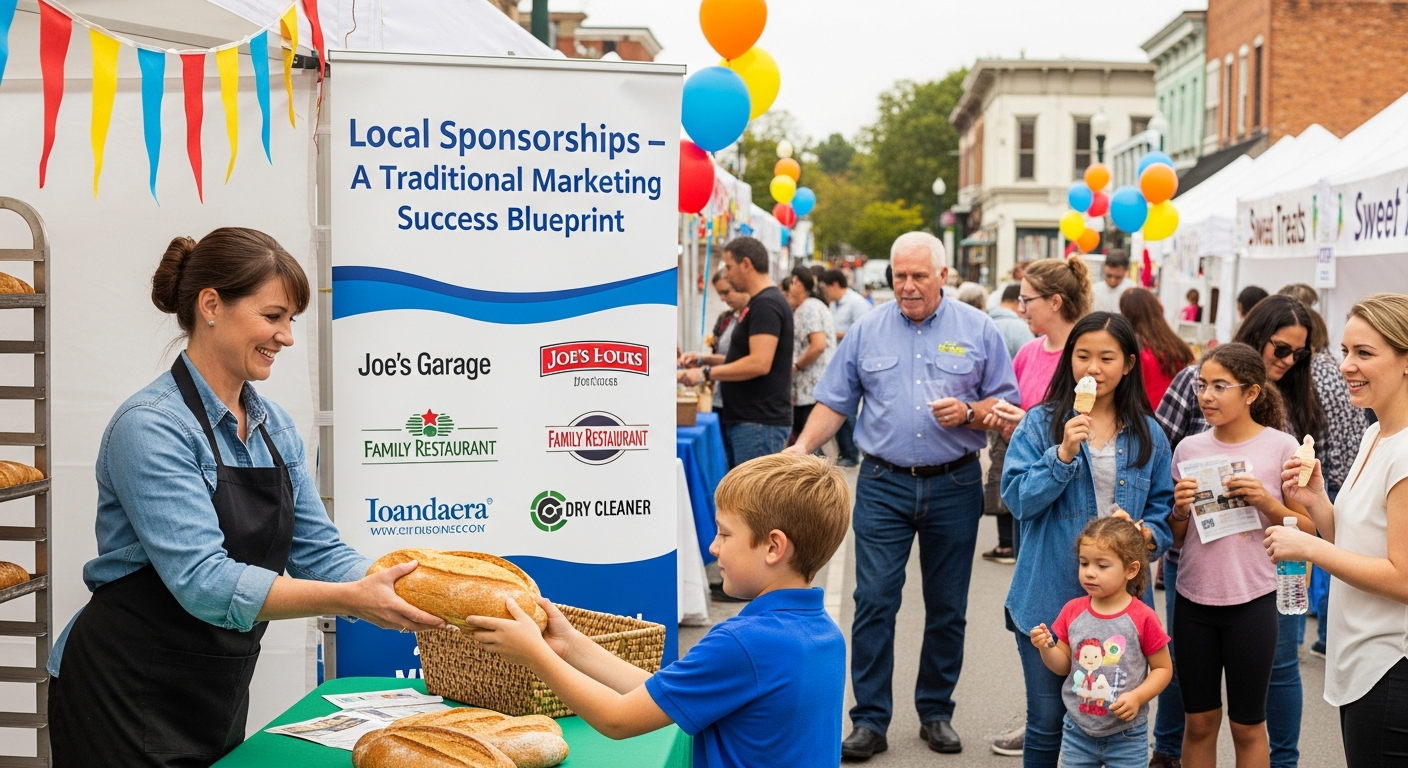
Local Sponsorship Marketing is a powerful traditional marketing strategy that helps businesses build strong brand awareness through community involvement. By partnering with local events, organizations, and initiatives, brands can increase visibility, earn trust, and connect directly with their target audience. This approach not only strengthens community relationships but also drives long-term business growth through meaningful engagement and consistent local presence.
Why Local Sponsorship Marketing Are Essential in Traditional Marketing
Local sponsorship marketing offers a powerful opportunity for brands to reach highly engaged audiences in a personal and meaningful context. In an era where consumers are constantly exposed to digital ads, social media noise, and algorithm-driven promotions, community-based marketing stands out as more authentic and trustworthy. People attending local events such as town fairs, sports competitions, cultural festivals, or charity drives are already emotionally invested in their communities. By aligning your brand with these experiences, you naturally inherit the positive sentiment associated with them.
One of the strongest advantages of local sponsorship marketing is trust building through community involvement. When a business actively participates in neighborhood activities, it is perceived as more credible, reliable, and socially responsible. Sponsoring school events, supporting local charities, or participating in cultural festivals demonstrates shared values with the community. This emotional connection often translates into long-term customer loyalty, repeat purchases, and valuable word-of-mouth referrals—reducing reliance on expensive paid advertising.
Key Benefits of Local Sponsorship Marketing
| Benefit |
Description |
Business Impact |
| Community Trust |
Builds credibility through local involvement |
Higher customer loyalty |
| Targeted Reach |
Direct access to local audiences |
Better conversion rates |
| Brand Visibility |
Logos on events, banners, and uniforms |
Strong brand recall |
| Emotional Connection |
Association with community values |
Increased engagement |
| Cost Efficiency |
Long-term organic exposure |
Reduced ad spend |
Targeted reach is another major advantage of local sponsorship marketing. Unlike broad digital campaigns that depend on complex targeting algorithms, local sponsorships allow businesses to connect directly with a clearly defined geographic audience. Whether it is families attending weekend fairs, sports fans supporting school teams, or art lovers visiting exhibitions, each group represents a highly relevant customer base.
For example, a local café sponsoring a weekend community run can distribute branded water bottles, flyers, or discount coupons. This not only creates immediate brand exposure but also encourages participants to visit the café afterward, increasing real-world foot traffic and sales.
Effective Local Sponsorship Strategies
- Sponsor local schools, sports teams, and charity events
- Collaborate with community festivals and cultural programs
- Offer branded giveaways or free samples at events
- Use banners, jerseys, and signage for brand visibility
- Provide exclusive discounts for event attendees
- Build long-term partnerships with local organizations
Another key strength of local sponsorship marketing is consistent visibility. When your brand appears repeatedly across banners, jerseys, flyers, and event materials, it strengthens brand recall significantly. Over time, this repetition builds familiarity and trust, making your business the first choice when customers need related products or services.
Research also supports the effectiveness of repeated offline exposure. Studies indicate that consistent physical brand impressions can significantly improve recognition and recall, especially within local markets where competition is high.
Why Repetition Matters in Local Marketing
| Exposure Type |
Result |
| Single Event Presence |
Short-term awareness |
| Repeated Sponsorship |
Strong brand recall |
| Multi-Event Presence |
Long-term customer trust |
| Seasonal Sponsorship |
Market dominance in locality |
Ultimately, local sponsorship marketing plays a vital role in strengthening brand presence, building emotional connections, and driving sustainable business growth. By integrating your brand into the fabric of local communities, you create meaningful relationships that go far beyond traditional advertising. In today’s competitive marketplace, this approach is not just beneficial—it is essential for long-term success.
Building Authentic Community Connections
At the heart of every successful local sponsorship campaign lies authenticity. Sponsorships should reflect your brand’s core values and align with causes that matter to your customers. Whether you champion environmental stewardship by supporting a town clean-up or empower local youth through scholarship funding, the sincerity of your involvement resonates more deeply than generic advertising.
Generating Positive Brand Sentiment
When a business steps up to support a beloved local event, residents view it as a partner rather than just a vendor. This positive sentiment leads to increased social media mentions, favorable reviews, and heightened goodwill. By capturing these moments—through photos, video clips, and attendee testimonials—you can amplify your reach with earned media coverage on local news outlets or college publications (for example, https://www.census.gov for demographic context).
Exploring Different Local Sponsorship Opportunities
 Local sponsorships come in many forms, and each type offers unique advantages depending on your business goals, target audience, and marketing objectives. Choosing the right sponsorship opportunity requires a clear understanding of who attends the event, how engagement happens on-site, and what visibility channels are available for your brand. When aligned properly, local sponsorship marketing becomes a powerful tool for building awareness, trust, and long-term customer relationships.
Supporting Sports Teams and Competitions
Sports sponsorships are one of the most effective and long-standing forms of community marketing. From school-level tournaments to adult recreational leagues, sports events attract loyal and highly engaged audiences. By placing your logo on jerseys, banners, scoreboards, and promotional materials, your brand gains repeated visibility throughout the entire season.
In addition to passive exposure, sports events also offer interactive opportunities. Brands can host halftime games, award ceremonies, or fan engagement activities to create memorable experiences that strengthen emotional connections with audiences. This type of engagement is especially powerful in local sponsorship marketing, where repeated community exposure builds familiarity and trust.
Sports Sponsorship Benefits
- Long-term brand visibility across seasons
- Strong emotional connection with local communities
- Repeated exposure through uniforms and signage
- Opportunities for live engagement activities
- High local loyalty and word-of-mouth impact
Participating in Community Festivals and Street Fairs
Community festivals, food expos, and seasonal street fairs attract large and diverse crowds. These events are ideal for direct customer interaction and brand activation. Businesses can set up booths to distribute samples, showcase products, and collect customer data in real time.
Sponsoring key event areas such as the main stage or entertainment zones further enhances visibility. This positions your brand at the center of attention, ensuring continuous exposure throughout the event. These experiential opportunities are a key strength of local sponsorship marketing, as they allow brands to engage audiences in a fun and memorable environment.
Learn more about community engagement strategies in traditional marketing for small businesses.
Festival Engagement Opportunities
| Activation Type |
Benefit |
| Booth Setup |
Direct customer interaction |
| Product Sampling |
Increases trial and conversions |
| Stage Sponsorship |
High brand visibility |
| Live Demos |
Strong engagement impact |
| Giveaways |
Boosts brand recall |
Backing Educational and Charitable Initiatives
 Supporting educational institutions and charitable causes demonstrates a strong commitment to corporate social responsibility. Sponsoring school programs, scholarship funds, charity runs, or fundraising events helps position your brand as ethical, community-focused, and trustworthy.
These sponsorships often receive positive local media coverage, further extending brand reach. In addition, they help build goodwill among parents, educators, and community leaders—key influencers in local purchasing decisions. Within local sponsorship marketing, this type of engagement is especially valuable for long-term reputation building.
Explore strategic marketing alignment in the 7 core principles of marketing every business should know.
Key CSR Sponsorship Benefits
- Enhances brand reputation and trust
- Generates positive media exposure
- Strengthens community relationships
- Improves employee engagement and pride
- Attracts socially conscious customers
Championing Arts and Culture Programs
Arts and cultural sponsorships include theater productions, gallery exhibitions, music concerts, and community workshops. These events attract audiences who value creativity, expression, and cultural enrichment. Sponsoring such programs aligns your brand with innovation, creativity, and sophistication.
Businesses can sponsor artist showcases, fund workshops, or support live performances to integrate their identity with cultural development. This approach adds emotional depth to local sponsorship marketing, making the brand more relatable and culturally relevant.
Strengthen your strategy with insights from integrating traditional and digital marketing.
Arts Sponsorship Advantages
- Aligns brand with creativity and innovation
- Engages culturally active audiences
- Enhances emotional brand positioning
- Provides unique storytelling opportunities
- Strengthens community cultural support
Developing a Winning Sponsorship Strategy
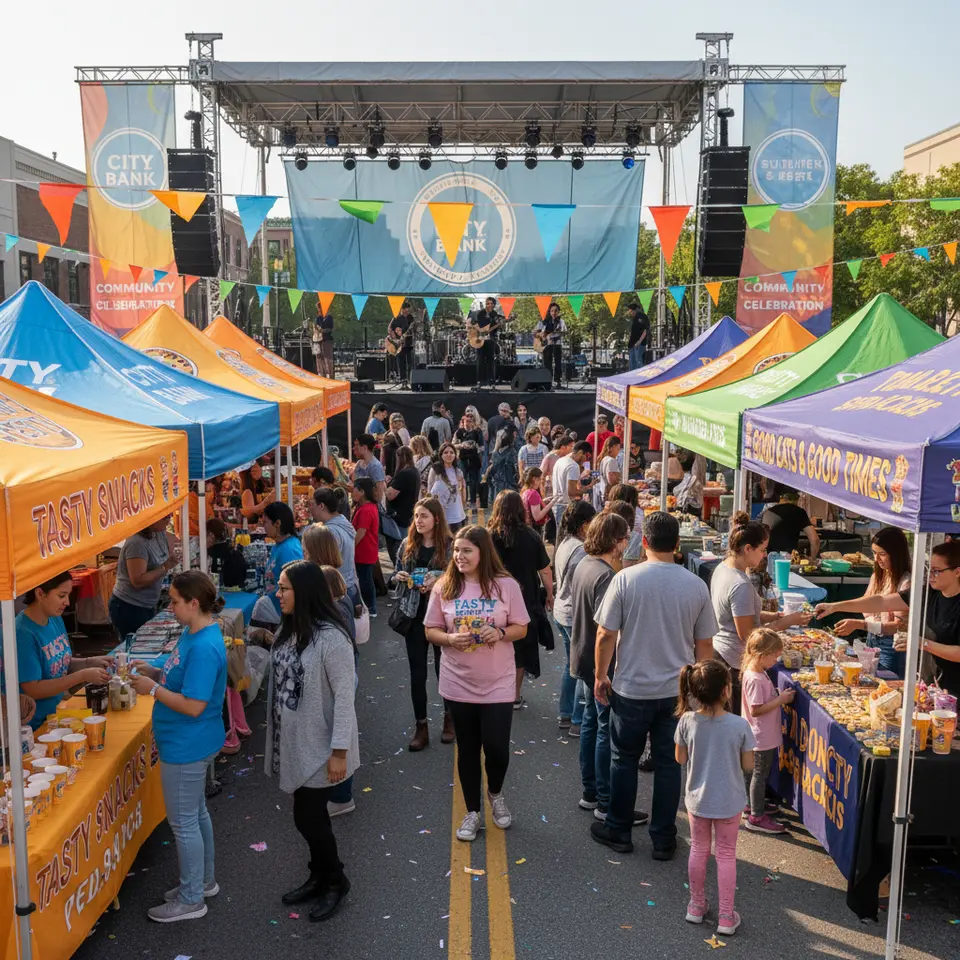 Effective local sponsorships hinge on strategic planning. Jumping into an opportunity without clear objectives or metrics can lead to wasted resources. By following a structured approach, you ensure every dollar invested supports measurable business goals.
Identifying Ideal Sponsorship Partners
Begin by researching events and organizations that share your audience demographics and brand ethos. Examine attendee profiles, past sponsorships, and media coverage. Local chambers of commerce and industry associations often maintain calendars of regional happenings. You can also solicit feedback from existing customers to learn which events they value most.
Defining Clear Goals and Key Performance Indicators
Before signing any agreement, articulate what success looks like. Whether you aim to generate leads, increase store visits, or boost brand sentiment, assign specific KPIs—such as number of sign-ups collected, social media mentions tracked, or coupon redemptions achieved. Set a timeline for evaluation to keep your team accountable.
Negotiating Sponsorship Packages
Sponsorship tiers vary widely in deliverables and cost. Compare offerings—such as logo placement size, speaking opportunities, press mentions, and digital promotions—and negotiate enhancements like exclusive email blasts or sampling rights. Don’t hesitate to propose in-kind contributions, such as product donations or staffing support, in exchange for reduced fees.
Planning On-Site Brand Activations
A compelling activation turns a static logo into an engaging experience. Consider interactive photo booths, branded giveaways, live demonstrations, or contest booths. Thoughtful activations encourage attendees to linger, share memorable content on social media, and deepen their connection with your brand.
Measuring Impact and Optimizing Your Investment
To ensure your local sponsorship delivers a solid return, implement robust tracking methods and be prepared to refine your tactics. Monitoring both quantitative and qualitative metrics provides a holistic view of performance.
Tracking Traditional Engagement Metrics
Count physical collateral distribution numbers, banner impressions, and on-site foot traffic. Use attendee surveys or quick feedback forms to gauge audience reaction. Discount codes, QR-based offers, or unique URLs provide insight into the number of conversions directly linked to the sponsorship.
Leveraging Public Relations and Media Outreach
After the event, issue press releases summarizing your involvement and highlight any community-driven outcomes. Pitch local news outlets, regional magazines, and university newspapers to maximize earned media. Including third-party mentions extends reach far beyond the attendees present.
Collecting and Analyzing Customer Data
Invite event-goers to opt in for newsletters, contests, or exclusive offers. Segmented email follow-ups reinforce your message and nurture leads generated on-site. Analyze open rates, click-through rates, and subsequent purchases to evaluate the long-term impact of your sponsorship efforts.
Adjusting for Future Campaigns
Review performance against your initial KPIs. Identify which activations resonated best and which fell short. Use these insights to negotiate improved terms for the next sponsorship cycle and allocate budget more efficiently.
Enhancing Local Sponsorships with Digital Integration
 Integrating online tactics with traditional local sponsorship marketing significantly amplifies campaign reach and provides deeper insights into performance. By combining offline presence with digital engagement strategies, brands can create a seamless customer experience that continues before, during, and after the event. This hybrid approach ensures that sponsorship efforts are not limited to physical visibility but are extended across multiple digital touchpoints for maximum impact.
Amplifying with Social Media Campaigns
Social media plays a crucial role in increasing awareness and excitement around local sponsorships. Before the event, businesses should actively promote their involvement across platforms like Facebook, Instagram, and LinkedIn. Paid promotions, boosted posts, and geo-targeted ads can help reach highly relevant local audiences.
Collaborating with local influencers or community figures further enhances credibility and engagement. Their endorsement helps build trust and encourages attendance. During the event, sharing live updates, behind-the-scenes content, and real-time testimonials creates a sense of authenticity and urgency.
Social Media Strategy Checklist
- Announce sponsorship early across all platforms
- Use geo-targeted and interest-based ads
- Collaborate with local influencers
- Share live videos and event highlights
- Encourage user-generated content
- Promote a branded hashtag campaign
Utilizing QR Codes and Mobile Engagement
QR codes have become a powerful bridge between offline and online marketing. By placing them on banners, flyers, posters, and promotional giveaways, businesses can direct users to landing pages, special discounts, or exclusive event content.
This approach not only increases digital traffic but also enables real-time tracking of engagement. Each scan provides measurable data that helps evaluate campaign effectiveness. Additionally, interactive tools such as mobile surveys, feedback forms, or instant-win contests can enhance participation and collect valuable customer insights.
QR Code Benefits in Sponsorships
| Feature |
Benefit |
| Instant Access |
Directs users to online offers quickly |
| Trackability |
Measures engagement accurately |
| Lead Generation |
Captures customer data efficiently |
| Engagement Boost |
Encourages interaction with brand |
Implementing Hybrid and Virtual Components
Hybrid marketing sponsorship models expand reach beyond physical attendees by incorporating virtual experiences. Live streaming key moments such as speeches, performances, or product demonstrations allows remote audiences to participate in real time.
This approach increases visibility and provides additional performance data, including watch time, engagement levels, and geographic reach. Virtual Q&A sessions, webinars, or meet-and-greet events further strengthen audience interaction and enhance brand positioning.
Integrating Email Marketing Sequences
Email marketing is essential for maintaining engagement throughout the sponsorship journey. Before the event, automated emails can be used to send invitations, reminders, and event details to registered participants.
After the event, follow-up emails help sustain interest by sharing highlights, exclusive offers, or personalized recommendations based on attendee behavior. This ensures that engagement continues even after the physical event ends.
Email Sequence Strategy
- Pre-event invitations and reminders
- Event updates and schedule notifications
- Post-event thank-you emails
- Personalized offers and discounts
- Feedback collection surveys
Final Insight
By combining local sponsorship marketing with digital tools such as social media, QR codes, hybrid events, and email automation, businesses can significantly enhance visibility, engagement, and ROI. This integrated approach transforms traditional sponsorships into powerful multi-channel marketing systems that deliver measurable and long-term business growth.
Frequently Asked Questions (FAQs)
1. What is local sponsorship marketing?
Local sponsorship marketing is a traditional strategy where businesses support community events or organizations to increase brand visibility and trust.
It helps connect brands with local audiences in a meaningful and personal way.
2. Why is local sponsorship marketing important?
It builds strong community relationships, increases brand credibility, and improves customer trust.
This makes it easier for businesses to connect with their target audience locally.
3. How does local sponsorship benefit small businesses?
It provides affordable brand exposure and helps small businesses gain recognition in their local area.
It also encourages repeat customers and word-of-mouth marketing.
4. What types of events can I sponsor locally?
You can sponsor schools, sports events, charity programs, cultural festivals, and local fairs.
These events offer direct access to engaged community audiences.
5. How do I choose the right sponsorship opportunity?
Choose events that match your target audience and brand values.
Also consider attendance size and community engagement level.
6. How does sponsorship improve brand awareness?
It increases visibility through banners, events, and repeated exposure.
This helps customers remember and recognize your brand more easily.
7. What is the ROI of local sponsorship marketing?
ROI is measured through leads, sales, coupon usage, and customer engagement.
It shows how effectively the sponsorship converts into business results.
8. Can digital marketing support sponsorships?
Yes, social media, QR codes, and email campaigns can boost visibility.
They also help track and extend engagement beyond the event.
9. How long does it take to see results?
Some results appear during the event, while brand trust builds over time.
Long-term impact often grows with repeated sponsorships.
10. Is local sponsorship still effective today?
Yes, it remains highly effective for building real-world trust and engagement.
It complements digital marketing by creating offline brand experiences.
Conclusion
Local sponsorships stand as a proven tactic for brands aiming to cultivate authentic community relationships and drive measurable results. By thoughtfully selecting partnerships that mirror your values, defining clear goals, and executing engaging on-site activations, you can boost brand visibility and earn lasting trust from local audiences. Integrating digital tools—such as social media amplification, QR-enabled tracking, and hybrid event features—further extends your reach and enhances data collection.
As you plan your next campaign , leverage the insights shared here to negotiate favorable sponsorship packages, capture valuable metrics, and continuously optimize your strategy. In today’s competitive landscape, businesses that invest in the fabric of their communities will reap the dual rewards of customer loyalty and positive brand sentiment. Embrace this blueprint, engage your local market authentically, and watch your sponsorship efforts deliver sustained growth and impact.