In a marketplace flooded with digital ads, social media campaigns, and sponsored content, standing out is becoming more challenging—and more expensive—by the day. Guerrilla marketing offers a refreshing alternative. Drawing inspiration from unconventional strategies and surprise elements, these campaigns leverage creativity and low budgets to generate maximum impact. When executed correctly, guerrilla stunts not only captivate passersby but also inspire social sharing, enabling brands to amplify their reach organically. Ready to unlock the potential of offline tactics that feel anything but old-fashioned? Let’s dive into the world of guerrilla marketing.
What is Guerrilla Marketing?
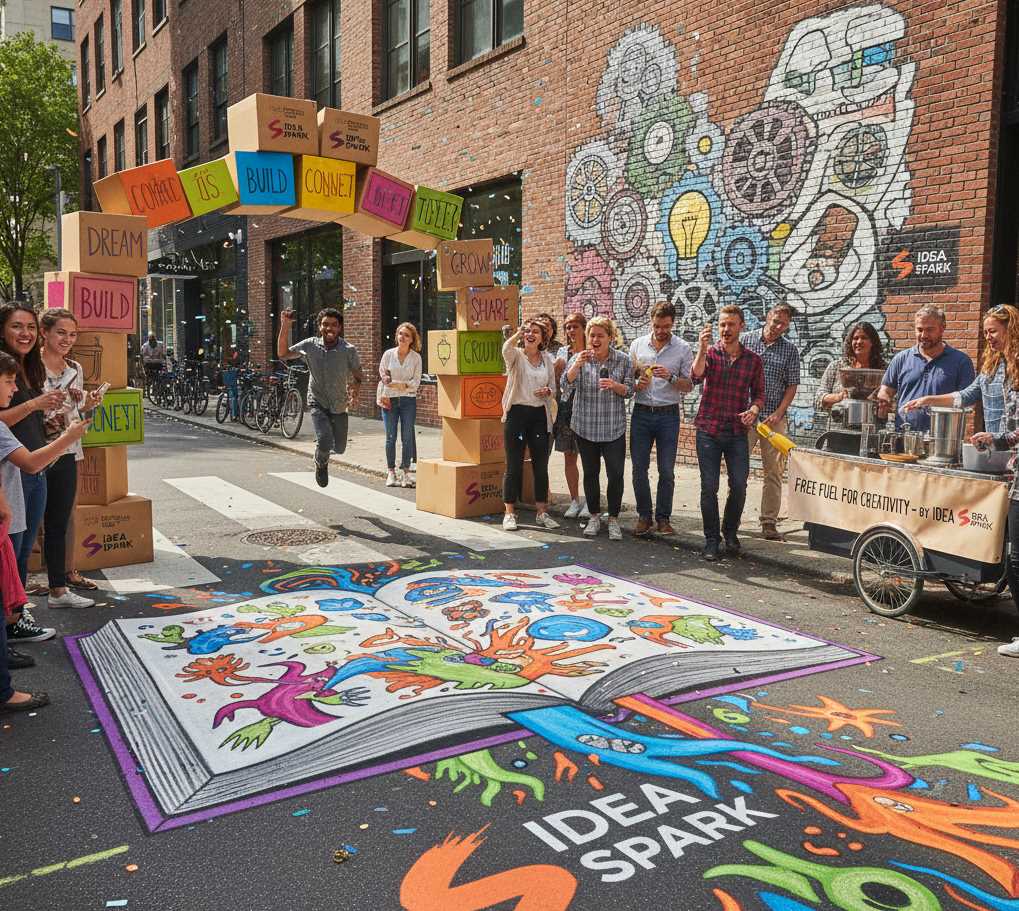
Coined by Jay Conrad Levinson in 1984, guerrilla marketing refers to high-impact, low-cost promotional strategies that rely on imagination and timing rather than big budgets. Instead of traditional billboards or TV spots, guerrilla tactics might include street art, public performances, or surprise pop-up activations that catch people off guard. The goal is simple: spark curiosity, ignite conversations, and encourage word-of-mouth. By creating memorable experiences in everyday environments, brands can leave a lasting impression and earn media coverage without breaking the bank.
What sets guerrilla marketing apart is its emphasis on emotional engagement. These campaigns often tap into humor, shock, or genuine delight to forge a human connection. Unlike passive forms of advertising that broadcast a message to a generic audience, guerrilla activations target specific locations and demographics, ensuring that the right people encounter the brand in contexts where they are most receptive. From busy urban centers to niche community events, the possibilities are limited only by your team’s creativity and willingness to think outside a conventional media plan.
Why Guerrilla Marketing Matters
As consumers become more adept at tuning out online ads and skimming past digital banners, brands seeking authentic engagement are rediscovering the power of offline experiences. Guerrilla marketing cuts through ad fatigue by appealing directly to people’s sense of surprise and novelty. With data privacy regulations tightening and third-party cookies on the way out, relying solely on digital targeting is riskier than ever. Complementing your online efforts with playful, real-world activations not only diversifies your marketing mix but also builds stronger emotional bonds between your brand and its audience.
Key Techniques of Guerrilla Marketing
Street Art and Murals
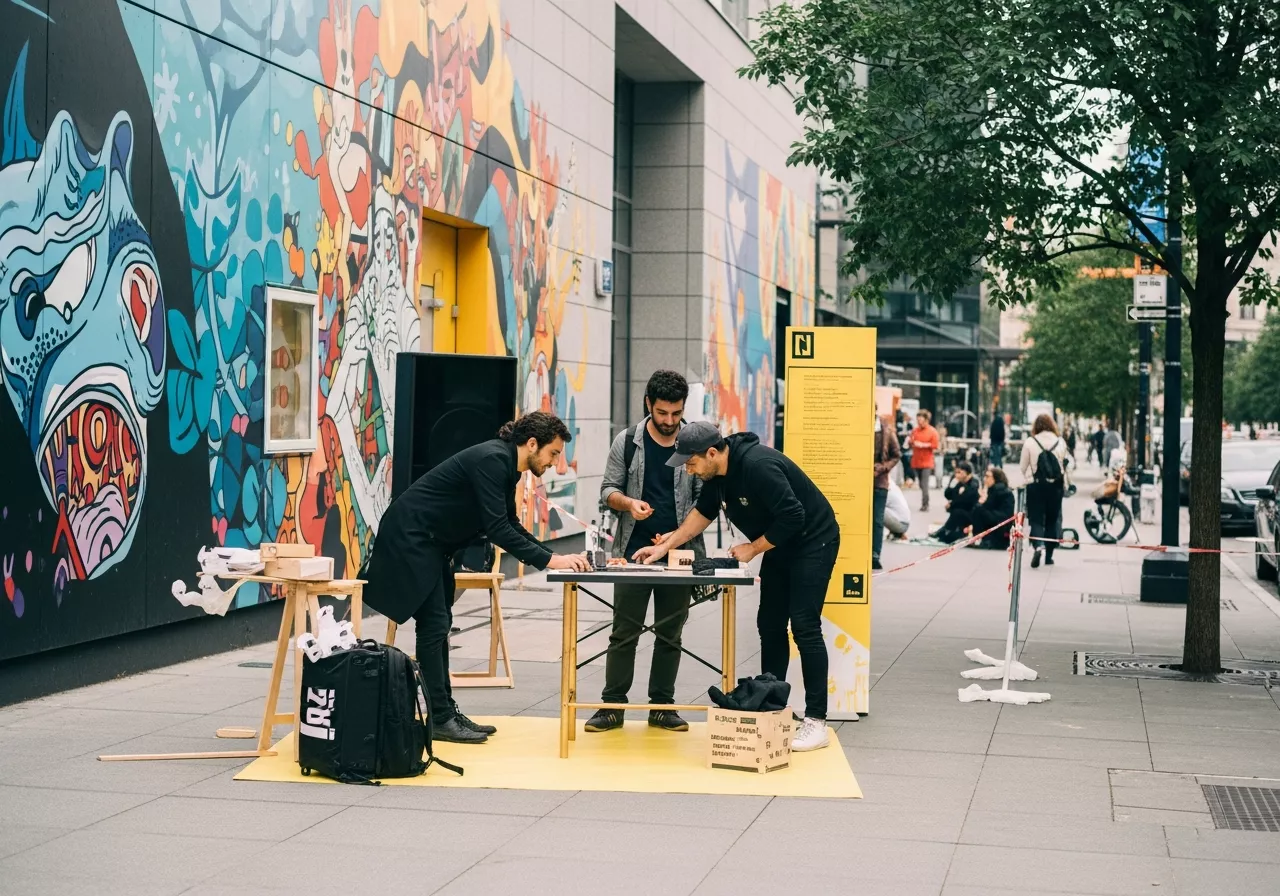
Street art and murals are powerful tools in guerrilla marketing due to their ability to capture attention in public spaces. Unlike traditional ads that are often seen as interruptions, murals feel like a natural part of the environment. By transforming dull walls or cityscapes into large-scale art, you can connect emotionally with an audience while promoting a product, service, or cause in a highly visual and impactful way.
How to Make it Work:
- Collaborate with Local Artists: Partnering with local artists not only ensures that your campaign is relevant and authentic to the community, but it also helps generate local buzz. Artists can bring their unique style to the project, making the art feel more genuine and connected to the culture of the area.
- Blend into the Environment: For a successful guerrilla mural, it’s important that the artwork complements its surroundings. Whether it’s a mural in a busy street, near a park, or on a building wall, the art should enhance the location rather than feel out of place. Consider how colors, shapes, and themes can reflect the local culture or identity.
- Add an Interactive Element: Murals can also include QR codes, hashtags, or social media prompts that encourage passersby to take photos, share the artwork, or engage with the brand online. This amplifies the mural’s reach beyond just the local community.
Example:
- Coca-Cola’s “Hug Me” Billboard: In 2009, Coca-Cola partnered with local artists in Argentina to create a giant interactive mural that featured a massive bottle with arms. Passersby were encouraged to “hug” the bottle to get a free Coke. The mural became an instant hit on social media, with people flocking to it and sharing photos, spreading the message across the globe.
Best Practice Tip:
- Ensure that the mural’s message is clear and aligned with the brand’s identity. While street art can be bold, it’s essential that the message doesn’t get lost in the creativity. Consider how your campaign’s message ties into the mural’s design and the overall urban landscape.
Ambient Advertising
Ambient advertising is all about using existing objects or structures in a surprising way, turning everyday elements into promotional tools. These ads work because they don’t feel like traditional ads; instead, they become unexpected parts of people’s daily routines, creating a moment of surprise.
How to Make it Work:
- Find the Right Location: Ambient ads work best in high-traffic areas where people are already engaged with their surroundings, like train stations, airports, or even streets. The key is finding common spaces where you can turn mundane objects into brand touchpoints.
- Keep it Subtle but Impactful: The beauty of ambient advertising is that it doesn’t demand attention. It’s a subtle, clever intervention that makes people smile, think, or laugh when they encounter it. For example, you could have a bus stop seat that is shaped like a toothbrush for a dental clinic, or a park bench that’s designed like a couch to promote a furniture brand.
Example:
- Coca-Cola’s Vending Machines: Coca-Cola placed vending machines in strategic locations that dispensed free products when people performed a random act of kindness, such as hugging a stranger or helping an elderly person cross the street. These subtle and surprising interventions made the brand more human and approachable while creating unforgettable moments.
Best Practice Tip:
- Blend with the Environment: The best ambient ads often feel integrated into their environment rather than being jarring. This requires careful thought about the location and how it aligns with your brand message. The idea is for the audience to experience the ad without even realizing it’s an ad at first.
Flash Mobs and Live Performances
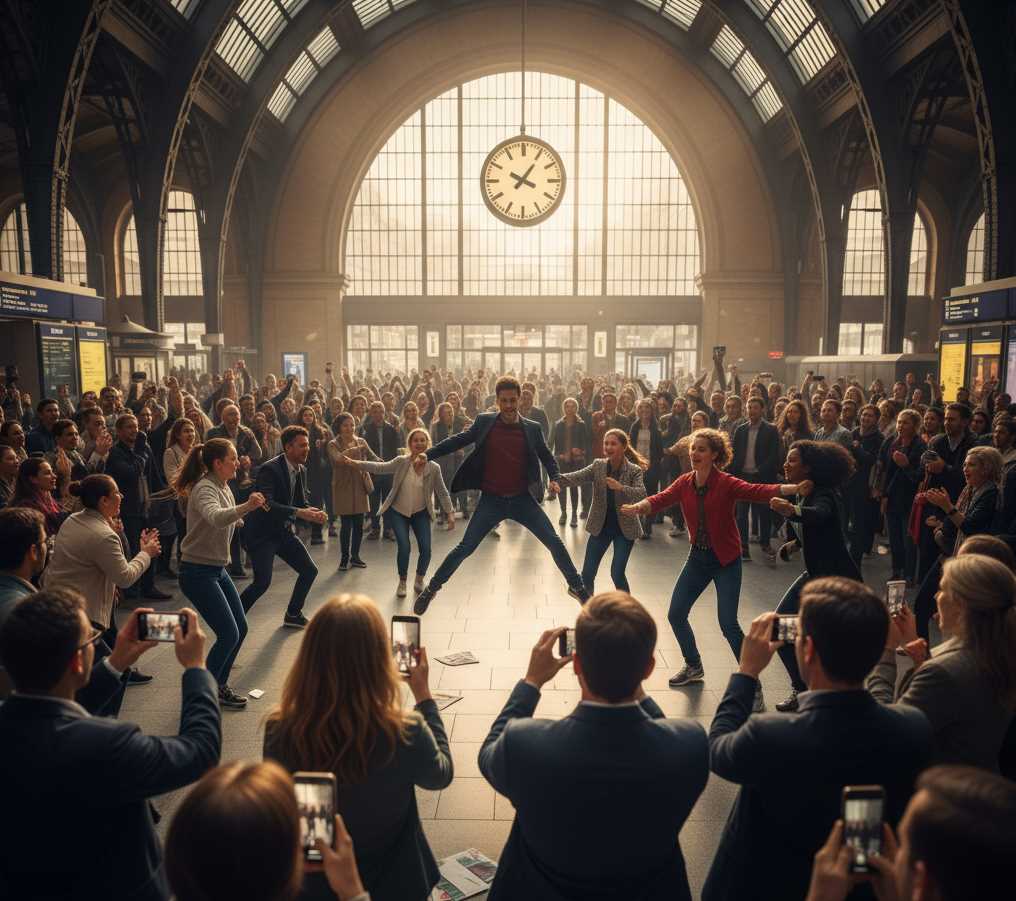
Flash mobs and live performances create instant spectacles that stop people in their tracks and create a buzz in the crowd. These surprise events can quickly go viral, especially in busy urban areas, and are perfect for building excitement, raising awareness, or promoting a new product.
How to Make it Work:
- Choose the Right Location and Timing: Flash mobs should be executed in high-traffic areas like train stations, malls, or city squares, where lots of people are likely to be present. Timing is critical—rush hours or special events (such as a local festival or sporting event) can ensure that the stunt gets maximum exposure.
- Align with the Brand’s Identity: Flash mobs are most effective when they are themed or related to the brand’s message. For instance, a health brand could do a flash mob with dancers performing energetic routines to showcase vitality, while a beauty brand could create a fashion flash mob.
- Rehearse and Prepare: While flash mobs are meant to surprise, preparation is key. The group of dancers, actors, or musicians needs to rehearse their performance multiple times to ensure everything runs smoothly. Secure the necessary permits for public spaces and consider how to ensure safety during the performance.
Example:
- T-Mobile’s “Welcome Back” Flash Mob: T-Mobile’s flash mob campaign, filmed at London’s Liverpool Street Station, gathered 13,500 people to sing and dance to “Hey Jude” by The Beatles. The video went viral, and the brand received massive publicity worldwide. The flash mob was a fun, spontaneous way to connect people and generate excitement around the brand.
Best Practice Tip:
- Engage with Social Media: Encourage attendees or passersby to share the moment on social media. You can create a custom hashtag or even offer small incentives for people who share their experience online. This extends the life of your campaign and makes it a digital phenomenon as well.
Pop-Up Experiences
Pop-up experiences are temporary, immersive environments that invite people to interact with the brand in a direct, hands-on way. They create a sense of urgency and exclusivity, making the experience more desirable and memorable.
How to Make it Work:
- Create a Theme: A well-executed pop-up shop or event should tell a story. Immersive storytelling is key. For example, if you’re promoting a new skincare line, your pop-up could include a relaxing spa environment, where attendees can try out the products while enjoying massages or facials. If it’s a clothing brand, a pop-up fashion show could be an engaging experience.
- Leverage Scarcity and Exclusivity: Pop-ups thrive on the sense of limited availability. Announce them as exclusive, limited-time experiences to create buzz. Offering RSVP-only events or exclusive products can turn your pop-up into something people want to attend.
- Maximize Social Sharing: Create interactive elements like Instagram-worthy photo ops, social media contests, or branded hashtags to encourage attendees to share their experiences online. Make sure your social media game is strong by having live updates, teaser content, or countdowns leading up to the event.
Example:
- IKEA’s “Sleepover” Pop-Up: In 2011, IKEA held a one-of-a-kind sleepover event in their store, inviting customers to spend the night in their showroom. Participants slept on different IKEA beds and were treated to food, entertainment, and even a Swedish breakfast the next morning. The event received massive media coverage and became a viral sensation, demonstrating the power of creating a unique and immersive pop-up experience.
Best Practice Tip:
- Leverage Digital Content: Before the event, use social media teasers or even live-stream portions of the event. This builds anticipation and allows those who cannot attend to experience it vicariously.
Reverse Graffiti
Reverse graffiti, also known as clean advertising, is an eco-friendly guerrilla tactic that utilizes dirt and grime on surfaces to reveal a message or image. It’s a creative and environmentally conscious way to advertise, which can be particularly appealing to sustainability-focused brands.
How to Make it Work:
- Use Clean Surfaces Strategically: Reverse graffiti requires dirty surfaces—think sidewalks, walls, or bridges. Ensure that you’re working in locations where this technique will have the desired impact without causing damage to property.
- Eco-Conscious Messaging: The environmental element of reverse graffiti makes it especially appealing for brands with a green ethos. If your brand promotes sustainability, eco-friendly products, or environmental awareness, reverse graffiti can enhance your brand’s reputation while conveying your values in a fun and innovative way.
- Check Local Regulations: In many areas, reverse graffiti is legal because it’s often considered a form of cleaning rather than graffiti. However, always check local laws and regulations to ensure you’re not violating any rules.
Example:
- Greenpeace’s Reverse Graffiti Campaign: Greenpeace once used reverse graffiti to spread awareness of air pollution in London. They created clean patches on sidewalks that depicted their logo and a message about environmental issues. The campaign was low-cost but highly impactful, showcasing the potential of reverse graffiti as a subtle, yet powerful marketing tool.
Best Practice Tip:
- Make It Local: Focus on locations that are highly relevant to your audience, like downtown districts or high-traffic pedestrian areas. This ensures that your message gets maximum exposure and reinforces the relevance of the message to the community.
Experiential Sampling
Experiential sampling brings the brand experience directly to potential customers. By providing free samples in unexpected places, guerrilla marketers can surprise and delight their target audience, creating positive associations with the brand.
How to Make it Work:
- Be Unexpected: Instead of setting up a booth at a mall, take your product directly to the people. Consider handing out samples at sports events, busy subway stations, or even during rush hour on public transport.
- Add a Personal Touch: Make the sampling experience feel personal and tailored. For instance, if you’re sampling a new drink, why not hand it out with a personalized note or a fun branded slogan? Consider hiring brand ambassadors who are charismatic and approachable.
Example:
- Coca-Cola’s “Share a Coke” Campaign: Coca-Cola’s global campaign involved handing out bottles with people’s names on them. The brand encouraged people to share photos of themselves with the bottles, creating a personal connection and spreading brand awareness organically.
Best Practice Tip:
- Target High-Engagement Events: Whether it’s a marathon, a concert, or a major sporting event, hand out your product where people are already in a fun, social atmosphere. This makes your samples more memorable and increases the likelihood of social media sharing.
Planning a Successful Guerrilla Campaign
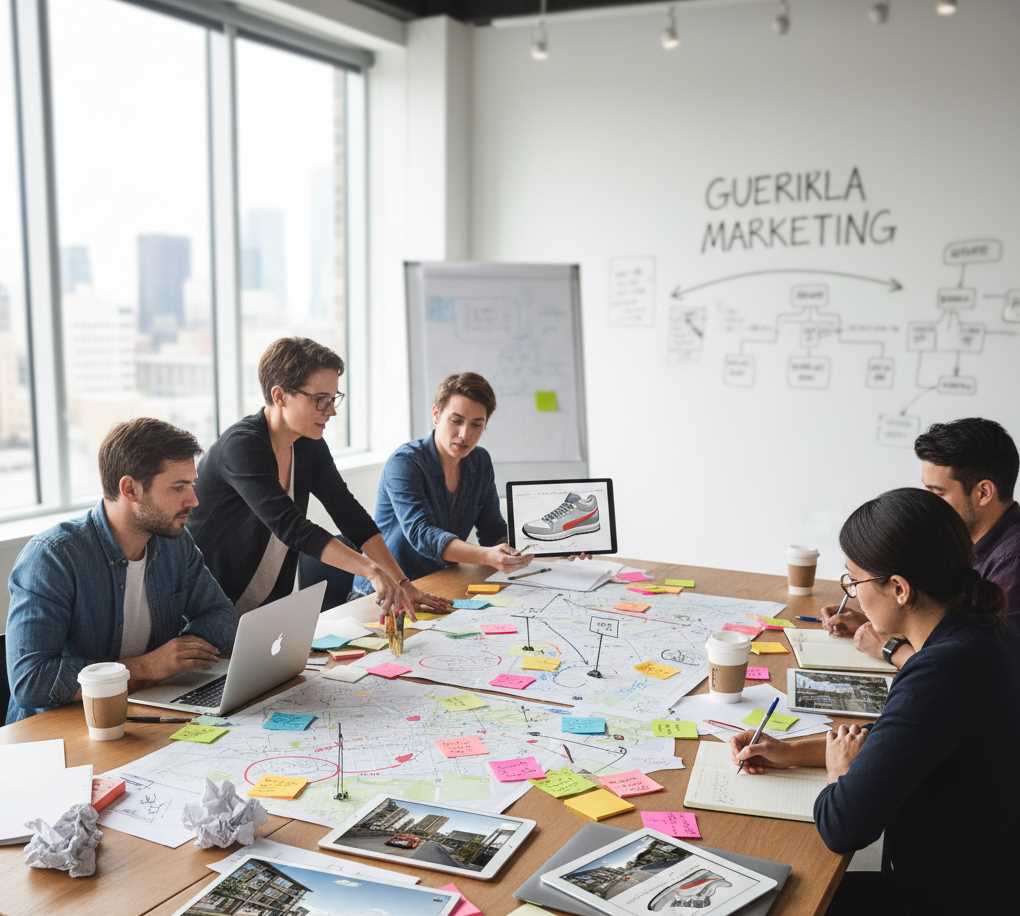
A well-executed guerrilla stunt requires as much planning—if not more—as a traditional media campaign. Start by defining clear objectives: Are you aiming to raise brand awareness, drive social media followers, or increase foot traffic to a brick-and-mortar location? Next, conduct thorough research on your target audience’s daily habits, favorite hangouts, and cultural sensibilities. A tactic that resonates in New York City may not land in a small college town, so local insights are crucial.
Once you’ve settled on goals and audience profiles, scout potential locations and secure any necessary permits. Legal compliance is especially important for stunts in public spaces—surprises are fun, but fines or shutdowns are not. Craft a detailed budget that accounts for materials, labor, permit fees, and contingencies. Finally, assemble a cross-functional team that includes creative leads, operations coordinators, and social media managers to ensure each aspect of the campaign is executed flawlessly and can be amplified online in real time.
Case Studies: Real-World Examples
Nike’s “Fearless Girl” statue, originally placed in front of Wall Street’s “Charging Bull,” became an overnight sensation by challenging gender norms and empowering passersby to take photos and share the movement globally. More recently, IKEA’s “Night of the Living Mattress” activation transformed a busy urban intersection into a sleep-themed pop-up, complete with DJs and pillow fights—generating press coverage and social buzz that far exceeded the cost of the installation.
Meanwhile, a regional coffee shop chain in the Midwest executed a guerrilla campaign by placing branded picnic benches and book exchanges in local parks, turning ordinarily overlooked spaces into community hubs. Each bench bore a humorous plaque inviting visitors to “sit, sip, and share,” and Instagram users flooded the brand’s hashtag with candid, user-generated moments—driving both local loyalty and organic online growth.
Integrating Offline Stunts with Digital Channels
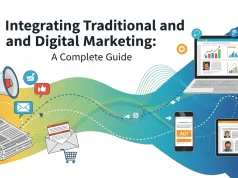
To maximize ROI, your guerrilla tactics must be supported by a robust digital playbook. Create a custom hashtag and encourage event attendees or passersby to share their experiences on social platforms. Set up geofilters on apps like Snapchat or launch a TikTok challenge tied to your activation. Live-stream key moments via Instagram Live or YouTube to engage remote audiences. By linking the physical and digital worlds, you extend the lifespan of your campaign and gather valuable user-generated content for future marketing initiatives.
Measuring Success: KPIs and Analytics
Though guerrilla marketing is creative at its core, it’s still critical to measure performance against your initial objectives. Track metrics like social mentions, hashtag usage, and branded image shares. Use location-based analytics to gauge foot traffic increases in targeted zones. If your campaign involves QR codes or NFC tags, monitor scan rates and subsequent web sessions. Lastly, assess sentiment by analyzing comments and user-generated posts to determine whether the activation resonated positively with your audience.
Best Practices and Common Pitfalls
Successful guerrilla campaigns balance surprise with strategy. Start with a clear goal, secure proper permissions, and anticipate potential challenges—weather conditions, local regulations, or logistical hiccups. Avoid stunts that could be perceived as intrusive or offensive, and always respect public property. Conduct a small-scale test before a full rollout to identify unforeseen issues. Finally, don’t neglect storytelling: the most memorable activations weave a narrative that emotionally connects people to your brand’s mission.
Conclusion
Guerrilla marketing provides a unique opportunity to break free from digital saturation and engage audiences in authentic, memorable ways. By harnessing creativity, local insights, and strategic planning, you can launch offline activations that deliver buzzworthy moments—both in person and online. Whether you’re an emerging startup or an established enterprise, guerrilla marketing tactics offer a cost-effective pathway to boost brand visibility, foster community engagement, and ultimately drive tangible business results. Ready to get unconventional? It’s time to make your next marketing move unforgettable.
FAQ: Guerrilla Marketing in the Digital Age
1. What is guerrilla marketing, and how is it different from traditional advertising?
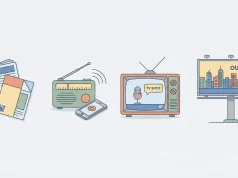
Guerrilla marketing refers to low-cost, high-impact promotional tactics that aim to surprise, engage, and create memorable experiences for a target audience in public spaces. Unlike traditional advertising that relies on mass media (TV, radio, print), guerrilla marketing leverages creativity and unconventional methods (like street art, flash mobs, or ambient ads) to capture attention and spark conversations. The goal is often to create buzz in a way that feels organic and authentic rather than intrusive.
2. Do guerrilla marketing campaigns work for all types of businesses?
Guerrilla marketing can be effective for almost any business, but it works best for brands that want to stand out from the crowd and build emotional connections with their audience. It’s particularly suited for small to medium-sized businesses, startups, or brands looking to generate buzz on a limited budget. However, some industries, such as those with strict legal or regulatory guidelines (e.g., pharmaceuticals or financial services), may find guerrilla tactics harder to execute.
3. How do I measure the success of a guerrilla marketing campaign?
Measuring success can be tricky, as guerrilla marketing often aims to create organic buzz rather than direct sales. Some key performance indicators (KPIs) to track include:
- Social media engagement (shares, mentions, hashtags, and user-generated content)
- Foot traffic increase at locations related to the campaign
- Brand awareness (surveys, mentions in media)
- Customer sentiment (feedback or online comments)
- Sales or leads generated post-campaign (using unique promo codes or links)
4. How can I make my guerrilla marketing campaign go viral?
To make your campaign go viral, you’ll need to tap into emotions like surprise, humor, or awe. Guerrilla tactics work best when they’re unexpected and create an experience worth sharing. Here are some ways to boost virality:
- Integrate social media elements, like hashtags, QR codes, or geotags.
- Create shareable moments that people want to document (like flash mobs, pop-up events, or street art).
- Partner with influencers who can amplify the message to a wider audience.
- Ensure the campaign resonates with your audience’s values or sense of humor, increasing the likelihood they’ll share it with their networks.
5. Can guerrilla marketing be combined with digital marketing?
Absolutely! In fact, combining offline guerrilla tactics with digital strategies can amplify your campaign’s impact. For example:
- Social media integration: Encourage attendees or passersby to share their experiences using a custom hashtag or tag your brand.
- Geo-targeted ads: Use location-based ads to reach people who were near your guerrilla campaign.
- Live streaming or sharing behind-the-scenes content of your flash mob or pop-up event can extend its reach far beyond the physical location.
By blending offline and online efforts, you can extend the life of your campaign and boost engagement.
6. What are the legal considerations when doing guerrilla marketing?
While guerrilla marketing often involves unconventional methods, it’s important to stay within the law. Here are some considerations:
- Permits: Always check local regulations before executing stunts in public spaces (e.g., street art, flash mobs). Some cities require permits for public performances or installations.
- Property rights: Be cautious when using public or private property for guerrilla tactics. Make sure you have permission to use certain spaces or objects (like cleaning dirt off a sidewalk to create reverse graffiti).
- Respect local laws: Avoid stunts that could be seen as offensive, intrusive, or disruptive. Always ensure your campaign aligns with community norms.
7. How much should I budget for a guerrilla marketing campaign?
One of the main advantages of guerrilla marketing is that it can be cost-effective, especially when compared to traditional media. However, your budget will depend on the scale and location of the campaign. Here’s a breakdown of potential costs:
- Creative development (concept, design, and execution)
- Permits and licenses (if necessary for public events or installations)
- Materials and supplies (e.g., street art supplies, costumes for flash mobs, or pop-up structures)
- Team coordination and staffing (ambassadors, performers, etc.)
While guerrilla marketing can be budget-friendly, it’s important to allocate funds for unexpected costs or contingencies.
8. Can guerrilla marketing be used for non-profit organizations or social causes?
Yes, guerrilla marketing is an excellent tool for non-profits or social causes, as it can raise awareness with a small budget while creating powerful, emotional connections with the audience. Many non-profits have used guerrilla tactics to amplify their messages and generate social impact. For example:
- Street art campaigns can raise awareness for environmental causes or human rights issues.
- Flash mobs or public performances can rally support for social movements.
Guerrilla marketing’s emotional appeal and shareability make it particularly effective for causes that require public engagement and action.
9. What are the risks associated with guerrilla marketing?
While guerrilla marketing offers many rewards, there are some risks involved:
- Legal complications: As mentioned earlier, not having proper permissions can result in fines or legal issues.
- Negative public reaction: Some tactics may be perceived as intrusive or offensive. Always ensure your campaign is sensitive to cultural norms and local values.
- Unintended consequences: Guerrilla marketing campaigns can backfire if not well thought-out. If the stunt is misinterpreted or poorly executed, it may result in negative PR or brand backlash.
10. How can I create a successful guerrilla marketing campaign on a small budget?
Guerrilla marketing is especially useful for brands with small budgets, as it focuses on creativity rather than expensive media buys. Here are some tips for executing an impactful campaign without breaking the bank:
- Leverage free public spaces: Look for high-traffic areas where your audience is already present, such as parks, train stations, or popular events.
- Partner with local influencers or artists: Collaboration with local influencers or creatives can help amplify your campaign without significant costs.
- Keep it simple: Sometimes the best guerrilla tactics are the simplest. Focus on clever ideas that create memorable moments.
- Harness the power of social media: Use social platforms to amplify the reach of your campaign and gather user-generated content.
Learn more about: Traditional Advertising Strategy for Brands: Principles & Practice