
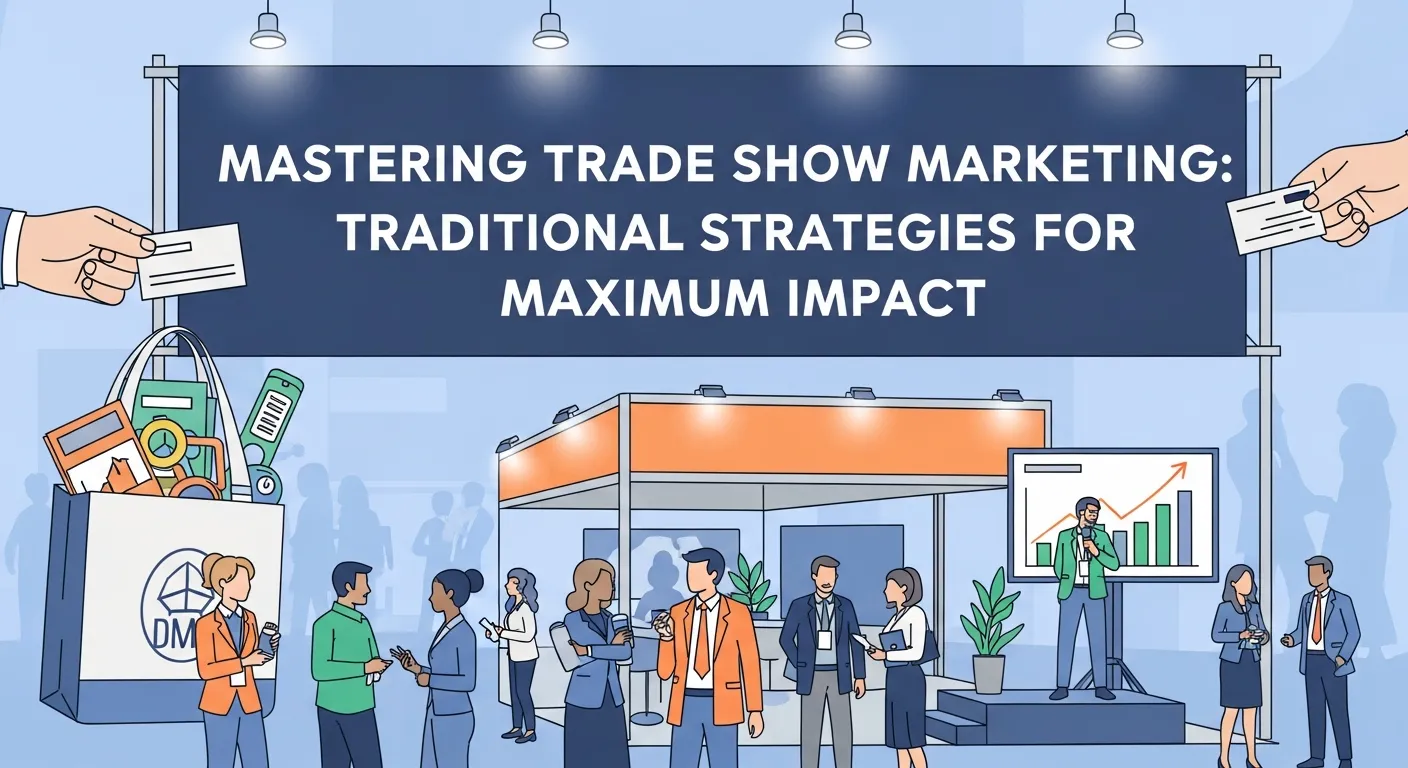
Trade show marketing remains vital for face-to-face engagement and ROI. By combining pre-event outreach, eye-catching booths, interactive technology, trained staff, strategic networking, and post-show follow-up—integrated with digital channels—brands boost leads, conversions, and lasting relationships.
In today’s digitally dominated world, trade show marketing and industry events remain a thriving platform for brands to showcase their offerings face-to-face. While online tactics draw headlines, traditional marketing at live events still delivers exceptional engagement—and tangible ROI—when executed smartly.
This comprehensive guide explores proven trade show marketing strategies, from pre-event outreach to post-show follow-up, so you can boost booth foot traffic, generate qualified leads, and ultimately drive sales.
Understanding the Continued Value of Trade Shows

Trade shows unite buyers, influencers, press, and partners under one roof—creating an environment tailored for discovery and direct interaction. Unlike a fleeting social media ad, a well-designed booth offers attendees a sensory brand immersion: touch your product samples, ask questions in real time, and forge personal connections that endure long after the event ends.
Pre-Event Outreach: Building Buzz & Setting Appointments
Launching your trade show marketing campaign weeks before the event ensures prime visibility. Key tactics include:
- Direct Mail Invitations—Send printed invitations or postcards with a clear call-to-action and booth number. Personalized mailers stand out against the flood of email invites.
- Local Press Releases—Distribute media advisories to trade publications, local newspapers, and industry blogs to announce your participation and any special demos or product launches.
- Telemarketing Outreach—Task a small team to call high-value prospects. Offer private demos or exclusive VIP passes to secure appointments ahead of time.
- Print Advertising—Place ads in the official event program or sponsor on-site signage for guaranteed visibility among attendees.
Booth Design & Signage: Capturing Attention Fast

With visitors bombarded by dozens of exhibits, your booth must stand out. Focus on simplicity, clarity, and brand consistency to strengthen your trade show marketing results.
- Bold Overhead Signage—Use large hanging banners or tower displays so attendees can spot your booth from a distance.
- Engaging Visuals—Incorporate striking product photos or infographics on backwalls. High-contrast colors and concise headlines guide eyes where you want them.
- Branded Giveaways—Offer useful, on-theme items (e.g., eco-friendly tote bags, notepads, or water bottles) that keep your brand top-of-mind when attendees return home.
- Interactive Elements—Product demos, touchscreens, or VR stations invite participation and lengthen booth dwell time.
Interactive Technology for Booth Engagement
Interactive technology transforms your booth from a static display into an engaging experience. Attendees are more likely to remember your brand when they can touch, explore, or participate, creating emotional connections that digital campaigns alone cannot achieve.
Technology Ideas:
- Touchscreen kiosks: Allow visitors to browse product catalogs, customize solutions, or watch demo videos at their own pace.
- VR/AR experiences: Provide immersive product demonstrations that highlight unique features and benefits.
- Gamification: Implement quizzes, scavenger hunts, or prize wheels to encourage interaction and social sharing.
- Mobile apps: Schedule appointments, capture leads, and provide digital resources that continue engagement post-show.
Why Technology Works:
- Attracts visitors with novelty and curiosity.
- Extends the conversation beyond the booth through shareable digital content.
- Collects data on attendee behavior for follow-up campaigns.
- Differentiates your brand in a crowded exhibitor environment.
Table: Technology Engagement vs. Benefit
| Technology Type | Example Use Case | Benefit |
|---|---|---|
| Touchscreen Kiosks | Interactive product catalog | Immediate self-service info, less wait |
| VR/AR | 3D product demo | Immersive experience, higher retention |
| Gamification | Trivia contest or prize wheel | Encourages participation, social sharing |
| Mobile Apps | Appointment scheduling & lead capture | Streamlined follow-up & analytics |
Preparing Your Team: Training & Roleplay

Your booth staff are brand ambassadors. Invest time in training to ensure they deliver consistent messaging and comfortable engagement. Role-play common scenarios—handling objections, qualifying leads, closing on-the-spot offers—and equip them with clear lead-capture forms to record contact details and buyer interests.
Lead Capture & Data Collection in Trade Show Marketing
Accurate lead data is the backbone of successful trade show marketing. Gathering reliable contact information during the event allows you to follow up effectively, nurture prospects, and turn leads into customers. Implementing multiple methods ensures you don’t miss any opportunities:
1. Paper Forms
Paper forms remain a trusted backup in case electronic systems fail. Use carbonless forms to instantly create duplicates for your records. Include key fields like name, email, phone number, and company to ensure you capture actionable information. Integrate these forms into your traditional marketing strategies by designing them with branded headers, colors, and logos that reinforce your identity.
2. Mobile Scanning
Many trade shows provide official apps that allow you to scan attendee badges and import contact information directly into your CRM. This method minimizes human error, speeds up lead capture, and allows your team to segment contacts quickly for personalized follow-ups. Leveraging mobile scanning is a perfect example of combining hybrid marketing strategies with in-person events.
3. Business Card Drops
Encourage booth visitors to leave well-printed business cards in a branded bowl for a prize drawing or giveaway. This tactic not only captures leads but also creates engagement at your booth. Assign team members to transcribe these cards immediately or input them into your CRM, ensuring no potential lead is lost.
4. Digital Lead Forms
Consider having tablets or touchscreens at your booth where visitors can quickly fill out digital forms. These forms can be linked to newsletters, special promotions, or product demos, seamlessly merging trade show marketing strategies with digital touchpoints.
5. QR Codes for Easy Access
Place QR codes on brochures, banners, or promotional materials. When scanned, attendees are directed to a landing page to enter their information or access exclusive content. This method modernizes traditional marketing strategies while keeping lead capture efficient and contactless.
On-Site Engagement Tactics for Maximum Trade Show Impact
On-Site Engagement Engaging attendees at your booth is key to making your trade show marketing strategies effective. The goal is to keep energy high, draw crowds, and leave a memorable impression:
1. Mini-Presentations
Schedule brief talks every hour on your booth’s content stage. These mini-presentations allow your team to showcase expertise, highlight unique offerings, and provide valuable insights to your audience. Well-timed presentations can keep attendees circulating through your booth instead of drifting away.
2. Live Demonstrations
Nothing captures attention like hands-on experience. Live demos allow visitors to interact with your products or services, creating memorable emotional connections. Demonstrating real-world benefits in action strengthens your trade show marketing and encourages post-event follow-ups.
3. Photo Opportunities
Set up a branded backdrop, props, or interactive displays that encourage visitors to take and share photos on social media. User-generated content extends your booth’s reach beyond the event floor and aligns perfectly with hybrid marketing strategies, blending offline engagement with online amplification.
4. Interactive Experiences
Gamification, quizzes, or small competitions at your booth can engage attendees in a fun way while collecting valuable data. These tactics add excitement and make your booth more memorable compared to passive displays.
5. Personal Consultations
Offer one-on-one consultations or expert advice sessions for visitors interested in your products. This creates a personal connection, positions your brand as a trusted resource, and ensures that your trade show marketing strategies have a lasting impact.
Sponsorship & Strategic Partnerships
Trade shows are not just about having a booth—they’re also prime opportunities for sponsorships and partnerships. By aligning your brand with event organizers or complementary businesses, you gain additional exposure, credibility, and engagement opportunities beyond your own booth. Sponsorships help you stand out in a crowded exhibitor hall and position your brand as a thought leader within the industry.
Key Sponsorship Strategies:
- Sponsor keynote sessions, breakout panels, or networking lounges to ensure your logo and messaging are seen by the right audience.
- Partner with non-competing brands to co-host workshops, giveaways, or live demonstrations that draw larger crowds.
- Utilize event signage, agendas, and digital channels to display your brand consistently throughout the venue.
- Offer branded giveaways that tie into your core product or service, enhancing brand recall after the event.
Benefits of Sponsorship & Partnerships:
- Increased booth traffic and visibility.
- Shared marketing costs, reducing individual spend.
- Enhanced credibility through association with reputable event organizers or partners.
- Opportunities for joint PR and social media coverage.
Example Table: Sponsorship Options and Expected ROI
| Sponsorship Type | Investment Level | Expected Outcome |
|---|---|---|
| Keynote Sponsor | High | Maximum exposure, credibility boost |
| Workshop Co-host | Medium | Targeted engagement, lead generation |
| Branded Giveaway | Low | Post-event brand recall and social buzz |
| Event App Feature | Medium | Digital touchpoint, ongoing engagement |
Post-Show Follow-Up: Turning Leads into Sales
Your work continues after the final exhibition bell. A structured follow-up process increases conversion rates dramatically:
- Immediate Thank-You Emails—Send personalized emails within 24–48 hours, referencing your booth conversation and including relevant resources or offers.
- Phone Outreach—Qualify high-potential prospects with a friendly call that digs deeper into their needs and next steps.
- Direct Mail Samples—For top-tier leads, send product samples or printed brochures via courier to reinforce your value proposition.
- Scheduled Webinars—Invite qualified contacts to exclusive online demos or Q&A sessions to nurture them through the sales funnel.
Advanced Networking & Relationship-Building Strategies

Trade shows are uniquely positioned to help brands forge meaningful relationships. Effective networking can turn casual interactions into long-term partnerships, strategic alliances, and qualified leads. Success in networking requires a structured approach that maximizes both time and impact.
Networking Tactics:
- Pre-event planning: Identify key prospects and companies to target, then schedule meetings in advance.
- Elevator pitches: Prepare concise, value-driven messaging that highlights your unique offerings.
- Follow-up strategy: Document conversations, categorize leads, and schedule personalized follow-ups immediately after the show.
- Social engagement: Connect with attendees on LinkedIn or event apps, reinforcing your presence beyond the booth.
Relationship-Building Best Practices:
- Assign specific team members to focus on high-value attendees or VIPs.
- Host small, exclusive gatherings during or after the event for deeper engagement.
- Capture data digitally to streamline follow-up campaigns.
- Regularly evaluate the quality of connections versus quantity of interactions.
Example Table: Networking Touchpoints & Impact
| Networking Touchpoint | Actionable Step | Expected Result |
|---|---|---|
| Pre-event outreach | Schedule appointments with VIPs | Higher meeting attendance |
| On-site interactions | Deliver an elevator pitch | Strong first impression |
| Social media follow-up | Connect & post event updates | Reinforced brand awareness |
| Post-event webinars | Invite qualified leads | Nurtured relationships & conversions |
Measuring Success: Key Metrics to Track

Quantify performance with clear KPIs:
- Booth Traffic—Count total visitors and peak periods to assess location and design effectiveness.
- Qualified Leads—Segment by deal size, industry, or purchasing timeline to prioritize follow-up efforts.
- Cost per Lead—Divide total event spend by the number of qualified leads to gauge ROI.
- Post-Show Sales—Track which leads convert into closed deals and the average deal value generated.
Integrating Traditional & Digital Channels
A hybrid approach amplifies impact. Embed QR codes on printed materials that link to landing pages, use SMS alerts for appointment reminders, and invite attendees to follow your social channels for exclusive post-show content. This seamless blend of offline and online keeps your brand top-of-mind around the clock.
Real-World Case Study
Company X, a B2B software provider, leveraged these tactics at a major industry expo. By distributing personalized direct mail before the show, creating an interactive demo zone, and following up with targeted webinars, they generated 120 qualified leads—35 percent of whom converted to clients within three months, yielding an ROI of 450 percent.
Crisis Management & Contingency Planning

Even the best-laid plans can go awry at trade shows. Technical glitches, shipment delays, or unexpected staff shortages can undermine months of preparation. Developing a crisis management plan ensures your team remains calm and responsive, protecting both brand reputation and ROI.
Crisis Preparation Steps:
- Maintain backups of marketing materials such as brochures, banners, and promotional items.
- Test all technology in advance—screens, Wi-Fi, scanners, and kiosks.
- Establish a communication chain to rapidly notify team members of changes or issues.
- Have alternative suppliers or logistics solutions ready in case of last-minute problems.
- Common Trade Show Challenges & Solutions Table
| Challenge Type | Contingency Plan | Responsible Party |
|---|---|---|
| Technology Failure | Switch to printed catalogs and demo scripts | Booth Tech Lead |
| Product Delay | Offer virtual demos or digital product info | Marketing Manager |
| Low Foot Traffic | Use event app push notifications or social media | Social Media Lead |
| Staffing Shortages | Rotate staff or call backup volunteers | HR/Team Lead |
Conclusion
Though digital channels continue to expand, traditional trade show marketing offers unmatched opportunities for live interaction, hands-on experiences, and immediate relationship-building. By strategically combining pre-event outreach, eye-catching booth design, well-trained staff, and disciplined follow-up, you can maximize engagement, drive qualified leads, and deliver measurable ROI. Embrace these time-tested tactics at your next event—and watch your brand shine under the spotlight.
FAQ Section: Trade Show Marketing
1. What is trade show marketing and why is it important
Trade show marketing is a strategy that helps businesses showcase products or services at exhibitions or industry events. Effective trade show marketing increases brand visibility, generates leads, and strengthens business relationships.
2. What are the most effective traditional marketing strategies for trade shows?
Traditional marketing strategies for trade shows include print materials, brochures, business cards, branded giveaways, banners, and local media promotions to attract attendees and create a lasting impression.
3. How can I integrate a hybrid marketing strategy into trade show marketing?
A hybrid marketing strategy combines traditional methods, like booth displays and giveaways, with digital tactics such as email campaigns, social media, and virtual demos to maximize engagement before, during, and after the event.
4. What are the top trade show marketing strategies for driving booth traffic?
Top strategies include pre-event promotions, eye-catching booth designs, interactive demos, networking opportunities, and offering incentives like contests or exclusive offers to draw attendees to your booth.
5. How do traditional marketing strategies enhance trade show marketing success?
Traditional marketing strategies help capture attention offline, build trust, and complement digital efforts. Using printed materials, banners, and promotional items ensures your brand stands out among competitors.
6. How can I measure the effectiveness of trade show marketing strategies?
Measure success by tracking booth traffic, leads collected, social media engagement, post-event follow-ups, and return on investment (ROI) to determine the impact of your trade show marketing efforts.
7. What role does branding play in trade show marketing strategies?
Branding is essential in trade show marketing. Consistent messaging, logo placement, and cohesive visual design across booths, signage, and promotional materials help attendees remember your brand.
8. What are some cost-effective trade show marketing strategies?
Cost-effective strategies include flyers, business cards, banners, and affordable giveaways. These traditional marketing strategies can create a strong impact without requiring a large budget.
9. Can traditional trade show marketing strategies work for hybrid or virtual events?
Yes! Traditional trade show marketing strategies can adapt to hybrid events by using digital brochures, virtual booth signage, mailed giveaways, and online promotions to reach both in-person and virtual audiences.
10. How can businesses create a successful trade show marketing plan?
A successful plan combines trade show marketing strategies, traditional marketing tactics, and hybrid marketing strategies. Define goals, plan pre- and post-event promotions, design an engaging booth, and measure outcomes for maximum impact.
Learn more about: Mastering Direct Mail Marketing: Strategies for High ROI and Customer Engagement


[…] common in consumer print ads. Pairing a trade publication placement with a presence at related trade show marketing events can reinforce the same message to the same professional audience across multiple […]