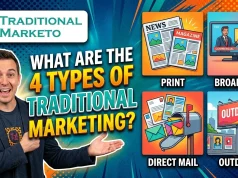
Traditional marketing helps businesses reach local audiences, build brand awareness, and gain customer trust through offline methods like TV, newspapers, billboards, and radio. Traditional Marketing Important strategies, combined with digital marketing, help businesses reach more people and achieve long-term success.
Importance of Traditional Marketing
Traditional marketing is important because it allows businesses to promote their products and services through established offline communication channels. Before the rise of social media and online advertising, companies relied on television, radio, newspapers, magazines, billboards, and printed materials to connect with potential customers. These methods continue to play a significant role in modern marketing because they help businesses reach audiences who may not spend much time online.
One of the main reasons traditional marketing remains valuable is its ability to build brand recognition and credibility. For example, a company that regularly advertises on local television or places billboards in busy areas can become familiar to people living in that region. Repeated exposure helps customers remember the brand and may influence their purchasing decisions when they need a particular product or service.
Traditional marketing is also useful for businesses targeting specific geographical locations. Local restaurants, retail stores, educational institutions, and service providers can use flyers, newspaper advertisements, posters, and community events to attract nearby customers. These approaches help businesses establish a physical presence and develop stronger relationships with their communities.
Furthermore, traditional marketing can complement digital campaigns. Businesses that want to improve their overall promotional efforts can explore different marketing strategies to understand how offline and online channels can work together to achieve their goals.
Benefits of Traditional Marketing
Traditional marketing offers several benefits that make it relevant for businesses of different sizes and industries. One of the biggest advantages of traditional marketing is its ability to reach audiences through familiar and accessible channels. Many people still watch television programs, listen to the radio, read printed publications, and notice advertisements in public spaces. These channels allow businesses to communicate with customers beyond websites and social media platforms.
Another significant benefit of traditional marketing is its ability to create a lasting impression. A well-designed billboard, an attractive magazine advertisement, or a memorable television commercial can stay in a customer’s mind long after the initial exposure. Physical marketing materials, such as brochures and product catalogs, can also be kept and revisited whenever customers need more information.
Traditional marketing can also strengthen customer trust. Some consumers view established newspapers, reputable magazines, and recognizable broadcast channels as familiar sources of information. Advertising through these channels may help a business appear more established, although the results depend on the quality of the campaign and the audience’s preferences.
Additionally, traditional marketing can be particularly effective for reaching older demographics, local communities, and audiences with limited internet access. When businesses understand their customers’ habits, they can select suitable advertising channels and avoid spending money on platforms that do not match their target audience. By combining traditional marketing with modern promotional techniques, businesses can expand their reach and improve brand recognition. The continued use of traditional marketing also allows companies to connect with customers through offline experiences and personal interactions. Ultimately, traditional marketing remains a valuable approach for businesses seeking to build trust, strengthen customer relationships, and achieve sustainable growth.
Traditional Marketing Strategies
 Traditional marketing strategies involve planning and using offline promotional methods to attract customers, communicate value, and increase sales. The right strategy depends on a business’s objectives, target audience, budget, and industry. A company seeking local awareness may benefit from community sponsorships and outdoor advertising, while a national brand may invest in television, radio, or print campaigns.
Television advertising is useful for businesses that want to combine visual storytelling, sound, and broad audience reach. Radio advertising can help companies connect with listeners during commuting hours or while they are working. Newspaper and magazine advertisements provide another option for reaching readers interested in particular topics, industries, or local news.
Outdoor advertising is another widely used strategy. Billboards, banners, transit advertisements, and posters can expose a brand to people as they travel through busy locations. Direct mail, including promotional letters, postcards, and catalogs, allows businesses to deliver targeted messages directly to households or organizations.
To make these strategies effective, companies need clear messaging and a strong understanding of their audience. Businesses should also evaluate campaign performance through methods such as promotional codes, dedicated phone numbers, customer surveys, and sales comparisons. Conducting a thorough marketing strategy analysis can help identify which promotional activities are producing results and where improvements are needed.
Traditional Marketing vs Digital Marketing
Traditional marketing and digital marketing share the same fundamental goal: connecting businesses with potential customers and encouraging profitable customer relationships. However, they differ in the channels they use, how audiences interact with advertisements, and how campaign performance is measured.
Traditional marketing uses offline channels such as television, radio, newspapers, magazines, billboards, brochures, and direct mail. Digital marketing relies on online platforms, including search engines, websites, social media, email, and digital advertising networks. Both approaches can increase brand awareness, generate leads, and support sales when they are aligned with business objectives.
One major difference is measurement. Digital campaigns often provide detailed data about impressions, clicks, conversions, and audience engagement. Traditional campaigns can be more challenging to measure precisely, particularly when advertisements reach large audiences without direct response mechanisms. However, businesses can still evaluate offline campaigns using surveys, redemption codes, call tracking, and changes in sales.
Cost is another important consideration. Traditional advertising expenses vary significantly depending on the medium, location, audience size, and campaign duration. A national television campaign can require a substantial budget, whereas local flyers or community sponsorships may be more affordable. Digital marketing also ranges from inexpensive organic content to costly paid advertising campaigns.
Rather than treating traditional and digital marketing as competing approaches, businesses can combine them. For instance, a print advertisement can direct customers to a website, while a digital campaign can remind people about a product they previously encountered in a physical store. This integrated approach creates multiple opportunities for customers to recognize and engage with a brand.
Examples of Traditional Marketing
Traditional marketing can be seen in everyday business activities across different industries. A supermarket placing a promotional advertisement in a local newspaper is one example. The advertisement may highlight discounts, seasonal offers, or newly available products to encourage nearby residents to visit the store.
Another example is a restaurant distributing flyers in surrounding neighborhoods. These flyers might introduce a new menu, promote a special offer, or provide information about opening hours. When distributed strategically, they can help the restaurant attract customers who live or work nearby.
Television commercials are another familiar form of traditional marketing. A consumer goods company might use a short advertisement to demonstrate how its product solves a common problem. By combining visuals, narration, and storytelling, the company can introduce its product to a broad audience.
Businesses also use sponsorships and promotional events to connect with customers. A sportswear company sponsoring a local sporting event can increase its visibility while associating its brand with an activity its audience enjoys. Similarly, a company participating in a trade show can demonstrate its products, answer questions, and build relationships with potential buyers.
These examples demonstrate that traditional marketing is not limited to large corporations. Small businesses can also use practical, affordable offline methods to communicate their value and establish a stronger presence in their target markets.
Advantages of Traditional Advertising
Traditional advertising provides several advantages, particularly when businesses need to build awareness among audiences in a specific location or across a broad geographical area. One key advantage is visibility. Billboards, transit advertisements, and posters placed in busy locations can repeatedly expose people to a brand throughout their daily routines.
Another advantage is accessibility. Traditional advertising can reach people who do not actively use social media, rarely browse the internet, or prefer receiving information through offline sources. This makes it useful for businesses serving diverse age groups and communities.
Traditional advertising can also support brand credibility and recognition. A professionally produced television commercial or a well-designed print advertisement may help establish a consistent and recognizable brand image. When customers encounter the same branding across multiple channels, they may become more familiar with the company and its offerings.
In addition, printed advertisements and physical promotional materials offer a tangible experience. Customers can hold a brochure, examine a catalog, or take home a promotional leaflet. Depending on the product and audience, this physical interaction may make information easier to revisit.
However, these advantages do not guarantee success. Businesses need to consider advertising costs, audience relevance, creative quality, and campaign timing. Careful planning and regular performance evaluation help ensure that traditional advertising contributes to measurable business objectives.
Traditional Marketing Methods for Businesses
 Businesses can choose from a wide range of traditional marketing methods based on their available resources and promotional goals. Small businesses often begin with relatively affordable methods, such as flyers, business cards, posters, local newspaper advertisements, and community events. These options can help generate awareness without requiring the budget associated with national advertising campaigns.
Larger businesses may invest in television commercials, radio advertising, outdoor campaigns, trade shows, and magazine placements. These methods can be useful when a company wants to reach a broader audience or strengthen its position in a competitive market.
Direct mail is another practical option. Companies can send postcards, brochures, catalogs, or personalized promotional letters to selected households or business contacts. When the message is relevant and the audience is carefully chosen, direct mail can encourage inquiries, store visits, or purchases.
For product-focused companies, traditional marketing should also be connected to a clear understanding of customer needs, product positioning, pricing, and distribution. Developing a structured product marketing plan can help businesses align their promotional activities with product goals and identify the most appropriate ways to reach potential buyers.
The most suitable method depends on the audience and the intended outcome. A neighborhood service provider may achieve better results through local advertising and referrals, while a consumer brand may benefit from a coordinated campaign across print, broadcast, and outdoor channels.
Role of Traditional Marketing in Business Growth
Traditional marketing can contribute to business growth by increasing brand awareness, attracting new customers, strengthening customer relationships, and supporting sales. When people repeatedly encounter a business through relevant advertising channels, they become more familiar with its products and services. This familiarity can encourage them to consider the brand when making purchasing decisions.
For new businesses, traditional marketing can help establish a presence in the local market. Opening announcements, introductory offers, banners, and community events can inform potential customers about a company’s location, products, and services. These activities can be especially valuable when a business depends on foot traffic or serves customers within a defined geographical area.
Established businesses can use traditional marketing to maintain visibility and reinforce their market position. Seasonal advertisements, sponsorships, and promotional campaigns can remind existing customers about the brand while introducing its offerings to new audiences.
Traditional marketing can also support customer retention when it communicates meaningful benefits. For example, a retailer might send printed loyalty offers to existing customers or use direct mail to announce a new service. Such communication can encourage repeat purchases when the offers align with customer preferences.
For sustainable growth, businesses should connect traditional marketing with their broader business strategy. Setting clear objectives, allocating budgets carefully, understanding customer behavior, and evaluating campaign outcomes can help companies identify opportunities and improve their return on marketing investment.
Offline Marketing Techniques
Offline marketing techniques are promotional activities that take place outside digital channels. They allow businesses to communicate with customers through physical environments, printed materials, face-to-face interactions, and broadcast media.
Networking events and trade shows are useful offline techniques for companies that sell products or services to other businesses. These events provide opportunities to demonstrate products, answer questions, collect qualified leads, and build professional relationships. Personal conversations can help businesses understand customer concerns and explain their solutions in greater detail.
Community engagement is another effective technique. Businesses can participate in local festivals, sponsor community programs, support charity events, or organize workshops. These activities can increase brand visibility while demonstrating a company’s involvement in the community.
Referral programs and word-of-mouth promotion also play an important role in offline marketing. Satisfied customers may recommend a business to friends, family members, and colleagues. Companies can encourage these recommendations by delivering reliable service and creating positive customer experiences.
Print materials remain useful as well. Brochures, catalogs, business cards, and product guides can provide detailed information that customers can review at their convenience. When designed professionally, these materials reinforce brand identity and support sales conversations.
The key to successful offline marketing is relevance. Businesses should choose techniques that match their audience’s preferences and provide a clear reason for customers to respond, whether that means visiting a store, attending an event, requesting a consultation, or making a purchase.
Effectiveness of Traditional Marketing in the Modern World
 Traditional marketing remains effective in the modern world when businesses use it strategically and understand their target audiences. Traditional Marketing Important strategies provide valuable opportunities for communication, brand recognition, and customer engagement.
The effectiveness of traditional marketing depends on audience selection, advertising placement, message quality, campaign frequency, and budget. These factors make Traditional Marketing Important for reaching the right customers through suitable offline channels.
Modern businesses can improve results by integrating offline campaigns with digital tools. For example, printed advertisements can include QR codes that direct customers to websites, product pages, or special offers. This approach makes Traditional Marketing Important in integrated marketing campaigns.
Technology also helps businesses measure offline campaign results through customer surveys, tracked phone numbers, coupon redemptions, and website traffic. These methods show why Traditional Marketing Important strategies can support informed business decisions.
Ultimately, traditional marketing works best when it complements the customer journey. Combining offline advertising with digital platforms makes Traditional Marketing Important for businesses seeking stronger brand awareness and customer engagement.
Businesses that understand their audiences and choose appropriate advertising channels can use Traditional Marketing Important strategies to support sustainable growth and improve overall marketing performance.
Conclusion
Traditional marketing helps businesses reach diverse audiences, build brand awareness, and gain customer trust through methods like TV, print media, billboards, and events. By combining traditional and digital marketing, businesses can create effective campaigns, strengthen their market presence, and achieve long-term growth.
FAQ
1. Why is traditional marketing important for businesses?
Traditional Marketing Important for businesses because it helps increase brand awareness, reach local audiences, establish credibility, and promote products through television, radio, newspapers, billboards, and printed materials.
2. What are the main types of traditional marketing?
The main types include television advertising, radio commercials, newspaper ads, billboards, direct mail, flyers, brochures, event sponsorships, trade shows, and community promotions. These methods explain why Traditional Marketing Important strategies remain useful for businesses.
3. Is traditional marketing still effective today?
Yes, Traditional Marketing Important strategies can still be effective when businesses choose suitable channels, target the right audience, and measure campaign performance. They are useful for local promotion and reaching people who use digital platforms less frequently.
4. What is the difference between traditional marketing and digital marketing?
Traditional marketing uses offline channels such as print, television, radio, and outdoor advertising. Digital marketing uses search engines, websites, social media, and email. Understanding why Traditional Marketing Important methods complement digital marketing helps businesses reach different audiences.
5. What are the biggest benefits of traditional marketing?
The main benefits include broad audience reach, local visibility, physical engagement, brand familiarity, and credibility. These advantages demonstrate why Traditional Marketing Important techniques can support business promotion.
6. Is traditional marketing suitable for small businesses?
Yes. Small businesses can use flyers, business cards, local newspaper ads, posters, community events, and referral programs. Traditional Marketing Important methods can help small businesses connect with potential customers within their local areas.
7. How can businesses measure traditional marketing results?
Businesses can measure results through unique coupon codes, dedicated phone numbers, customer surveys, promotional offers, event registrations, and sales comparisons. Tracking these results helps evaluate Traditional Marketing Important campaigns.
8. Which traditional marketing method is the most effective?
No single method works best for every business. The right choice depends on the target audience, objectives, budget, location, and product or service. Choosing suitable channels makes Traditional Marketing Important efforts more effective.
9. Can traditional marketing and digital marketing work together?
Yes. Businesses can combine offline advertisements with websites, QR codes, social media, email campaigns, and online promotions. This integrated approach highlights why Traditional Marketing Important strategies can work alongside digital marketing to strengthen brand awareness.
10. How does traditional marketing contribute to business growth?
Traditional marketing supports business growth by increasing brand recognition, attracting potential customers, encouraging store visits, and strengthening customer relationships. When planned and evaluated effectively, Traditional Marketing Important strategies can contribute to long-term business success.