Traditional TV commercial production involves far more than pointing a camera at a product — it’s a structured process spanning concept development, filming, and post-production polish. This guide walks through every stage of traditional TV commercial production, the roles involved, realistic budgeting, and the mistakes that most often derail a project.
A great television commercial rarely happens by accident. Behind even a simple 30-second spot sits a structured process involving writers, directors, editors, and often dozens of small decisions that shape whether the final ad actually connects with viewers. Understanding traditional TV commercial production — from the first concept meeting to the final color-graded cut — helps businesses plan realistic budgets, avoid common pitfalls, and end up with a commercial that actually performs.
This guide walks through each stage of traditional TV commercial production in detail, along with practical guidance for businesses producing their first commercial or refining an existing production process. For broader context on why this investment pays off, our guide on traditional TV advertising examples shows the range of creative formats that all rely on solid production fundamentals to execute well.
The Three Phases of Traditional TV Commercial Production
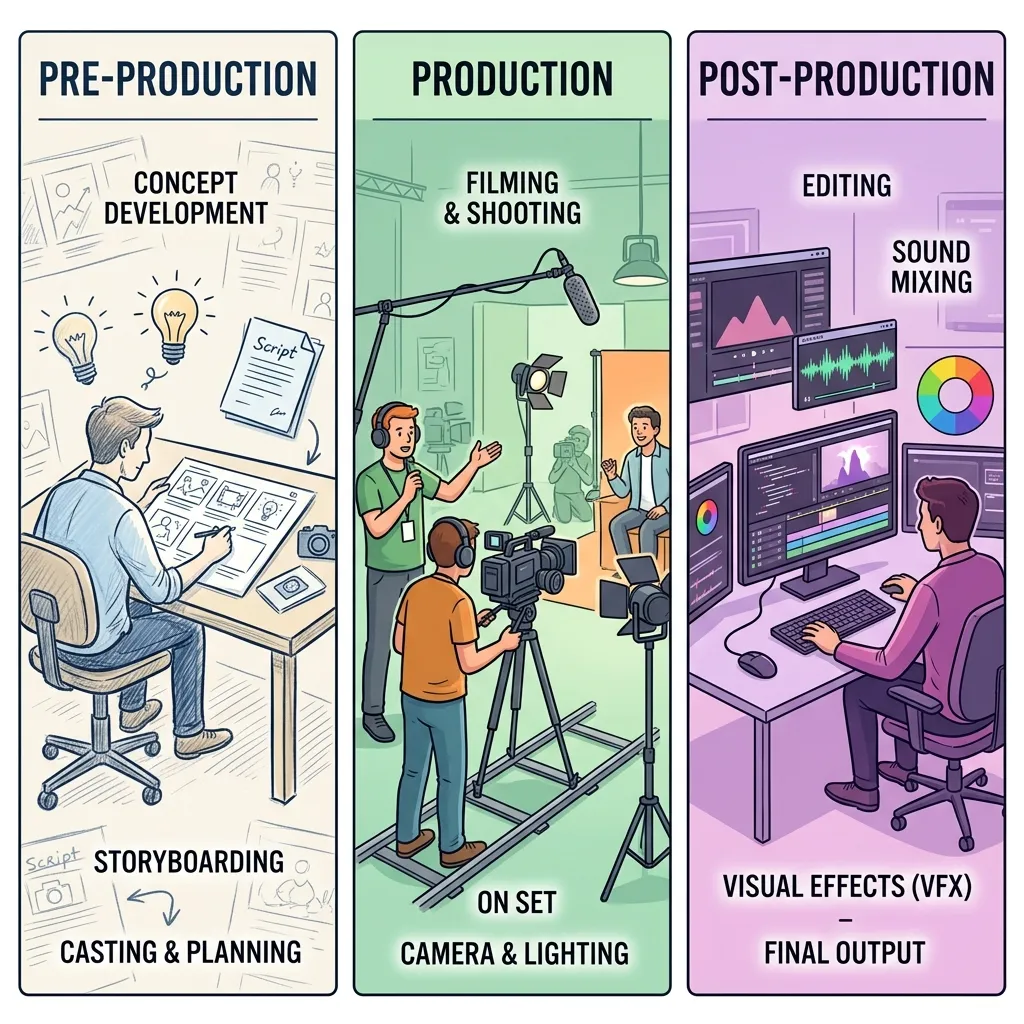
Nearly every traditional TV commercial production, regardless of budget or complexity, moves through three broad phases: pre-production, production, and post-production. Understanding what happens in each phase makes it much easier to plan timelines, budgets, and expectations realistically from the start.
Phase One: Pre-Production
Pre-production is where most of the strategic thinking in traditional TV commercial production actually happens, even though it’s the phase that generates the least visible output. Skipping or rushing this phase is one of the most common reasons commercials underperform once they air.
Concept Development and Scriptwriting
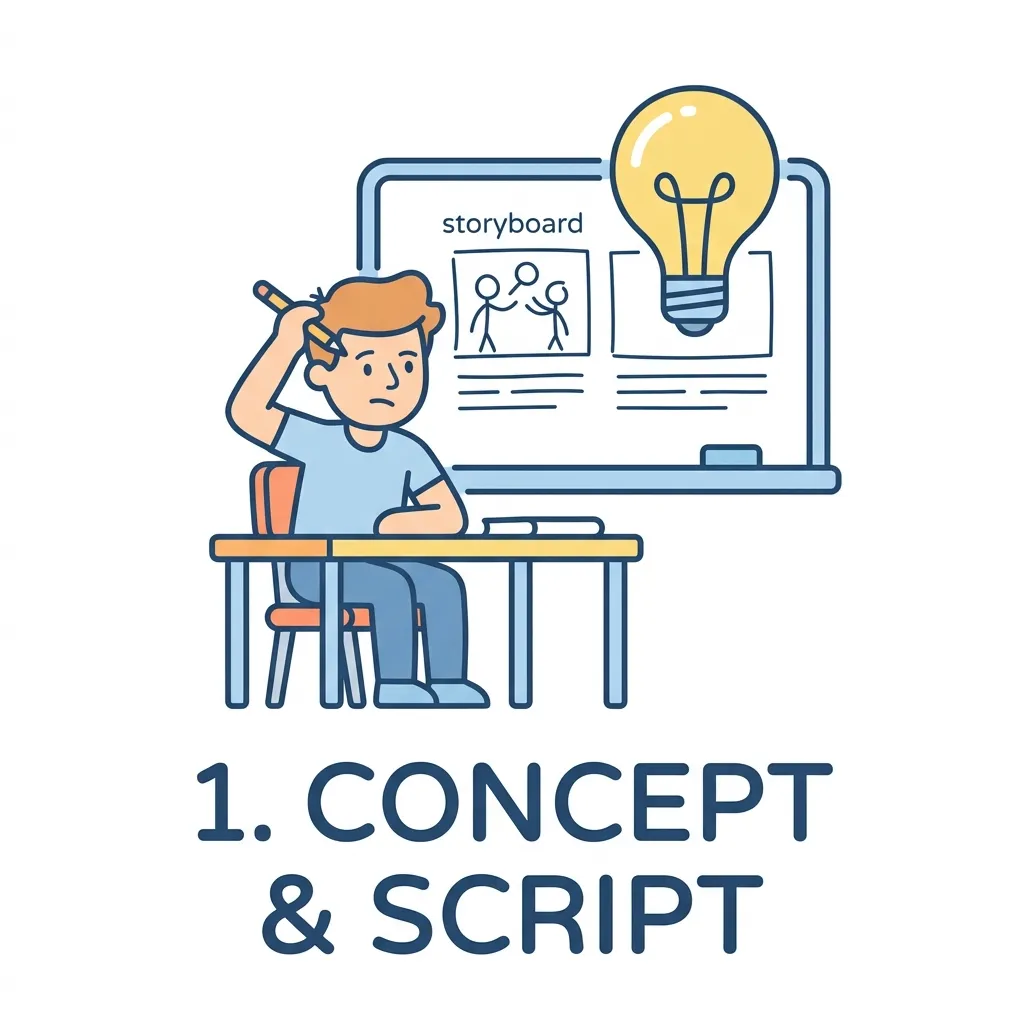
Every successful commercial starts with a clear concept — the core message, tone, and emotional angle the ad is built around. This stage typically involves defining the target audience, the single key takeaway the commercial needs to communicate, and a rough script or outline before any visual planning begins. Our guide on what makes a traditional advertising campaign covers how a single commercial usually fits into a broader campaign strategy rather than existing as a standalone piece.
Storyboarding
Once a script exists, storyboarding translates it into a visual sequence, shot by shot, giving everyone involved in traditional TV commercial production a shared reference for what each scene should look like before expensive filming begins. This step catches potential problems early — pacing issues, unclear visual storytelling, or shots that would be difficult or costly to actually film.
Casting
Whether using professional actors, real customers, or a company spokesperson, casting decisions shape how believable and relatable a commercial feels. Casting sessions in traditional TV commercial production typically involve auditions, callbacks, and careful consideration of how a performer’s tone and presence match the brand’s identity.
Location Scouting and Set Design
Deciding whether to film on location or build a set involves weighing cost, control, and authenticity. Location scouting ensures a chosen site has the right lighting conditions, sound environment, and visual backdrop, while set design allows for complete creative control when a specific look can’t be found in the real world.
Scheduling and Budgeting
Pre-production also involves building a realistic production schedule and budget, accounting for crew day rates, equipment rental, location fees, and post-production costs. Underestimating this phase is one of the most common ways traditional TV commercial production projects run over budget or miss their intended air date.
Phase Two: Production
Production is the phase most people associate with traditional TV commercial production — the actual filming day or days where the script and storyboard come to life on camera.
Key Roles on Set
A typical production involves a director overseeing creative execution, a producer managing logistics and budget, a director of photography handling camera and lighting, and various crew members supporting sound, wardrobe, and set operations. Even a modest commercial production often requires a small team working in coordination to keep filming on schedule.
Lighting and Camera Work
Professional lighting setups are one of the biggest visual differentiators between amateur and polished traditional TV commercial production. Proper lighting shapes mood, highlights products effectively, and ensures consistent visual quality across every shot, regardless of the time of day or location conditions during filming.
Multiple Takes and Coverage
Filming typically involves capturing multiple takes of each shot from different angles, giving editors flexibility later to select the best performances and construct the most effective pacing. This redundancy is intentional — the flexibility it provides in post-production is worth the additional time spent filming.
Managing Time on Set
Because studio and location time is expensive, efficient scheduling matters enormously during the production phase. Experienced production teams typically build in buffer time for unexpected delays — weather issues for outdoor shoots, technical problems, or performance retakes — since falling significantly behind schedule can quickly inflate the overall cost of a project.
Phase Three: Post-Production
Post-production is where raw footage from traditional TV commercial production gets transformed into a polished, broadcast-ready final product.
Editing
Editors assemble the best takes into a coherent sequence, refining pacing and ensuring the commercial’s message comes through clearly within its runtime. This stage often involves several rounds of revision as stakeholders review cuts and provide feedback before locking a final version.
Sound Design and Music
Audio plays a bigger role in traditional TV commercial production than many people realize. This includes cleaning up dialogue audio, adding sound effects, and either licensing existing music or composing an original score or jingle that reinforces the brand’s identity and emotional tone.
Voiceover Recording
Many commercials include a voiceover narrator explaining the product or delivering a closing call to action. Voiceover talent is typically recorded separately in a professional studio environment and layered into the edit during post-production, often requiring several takes to nail the right tone and pacing.
Color Grading and Visual Polish
Color grading adjusts the visual tone of the footage to ensure consistency across all shots and reinforce the desired mood, whether warm and inviting or crisp and professional. This final visual polish is often what separates amateur-looking footage from a commercial that feels genuinely broadcast-ready.
Final Review and Delivery
Once editing, sound, and color are finalized, the commercial goes through a final approval process before being formatted and delivered for the specific broadcast or streaming platforms it will air on, each of which may have slightly different technical specifications for delivery.
Budgeting for Traditional TV Commercial Production
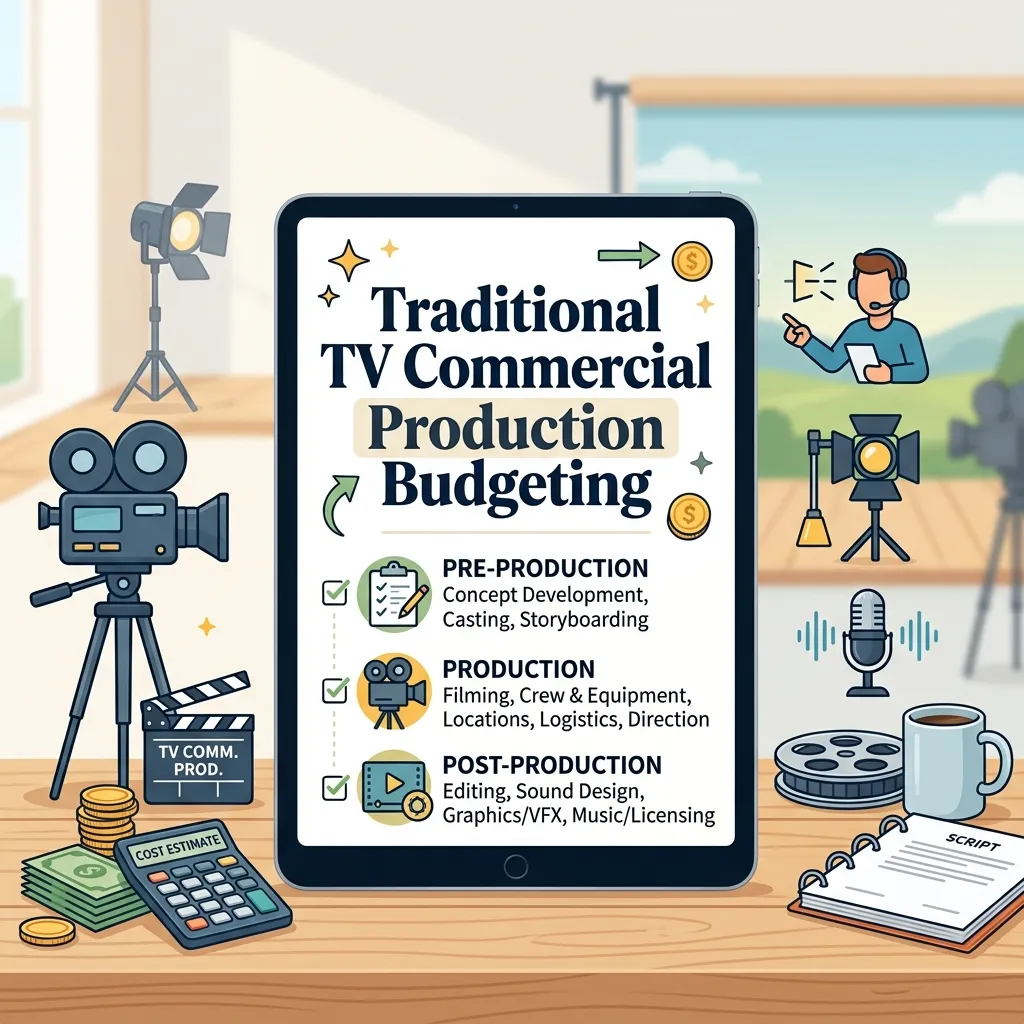
Costs for traditional TV commercial production vary enormously based on scope, from a few thousand dollars for a simple local business spot to hundreds of thousands for a national campaign with high production values. Our detailed breakdown of TV advertising costs for businesses covers how production costs fit within the broader budget alongside media buying and distribution.
Key cost drivers typically include crew size and experience level, whether professional actors or a spokesperson are used, location complexity, the length and complexity of post-production work, and whether original music is composed versus licensed. Businesses producing their first commercial often benefit from scaling ambition to match a realistic budget rather than attempting a production style that requires resources beyond what’s actually available.
DIY vs. Hiring a Production Company
Not every business needs a full production company for traditional TV commercial production, especially for simpler local advertising. Smaller businesses can sometimes produce effective, if less polished, commercials with a smaller crew or even in-house resources, particularly for straightforward testimonial or direct-response formats. However, more ambitious brand-building campaigns generally benefit from professional production expertise, since the difference in visual and audio quality becomes much more noticeable at that level of ambition.
Our guide on how to create a television or radio advertisement that actually works offers additional perspective on this decision, including how to evaluate whether a DIY approach or professional production partner makes more sense for a specific project’s goals and budget.
Common Mistakes in Traditional TV Commercial Production
Even well-funded projects run into avoidable problems:
- Skipping proper pre-production planning, leading to confusion and wasted time once filming begins
- Underestimating post-production timelines, especially when original music or complex visual effects are involved
- Overloading the commercial with too much messaging, leaving viewers confused about the core takeaway
- Ignoring audio quality, since poor sound can undermine even visually excellent footage
- Failing to plan for multiple ad lengths or formats needed across different platforms and time slots
Traditional TV Commercial Production in the Streaming Era
While distribution has shifted significantly toward streaming and connected TV, the core discipline of traditional TV commercial production remains largely unchanged. If anything, the fundamentals matter more, since streaming platforms often support more precise targeting, meaning a poorly produced commercial reaching a smaller, more specific audience wastes an even more valuable opportunity than in the era of broad, one-size-fits-all broadcast buys. Our external guide on video advertising strategy explores how these same production principles extend into digital and streaming video formats beyond traditional broadcast alone.
Working With Talent and Union Considerations
For larger productions, working with professional union talent introduces additional considerations around usage rights, residuals, and specific production requirements that need to be planned for during budgeting rather than discovered midway through a project. Even for non-union productions, having clear agreements about how footage can be used — particularly for testimonials involving real customers — protects both the business and the individuals appearing in the commercial from future disputes.
Key Takeaways for Planning Your Own Production
Businesses approaching traditional TV commercial production for the first time can save significant time and budget by keeping a few core principles in mind. Start with a clear, single-minded concept before worrying about visual details, since the strongest commercials communicate one idea clearly rather than several ideas confusingly. Build a realistic schedule that accounts for revisions at every stage, from script approval through final color grading, since rushed timelines are one of the most common sources of both cost overruns and quality compromises in traditional TV commercial production.
It’s also worth investing disproportionately in the areas that matter most for the specific commercial being made. A testimonial-driven local business ad may not need an elaborate set or original score, but it does need clean audio and natural, believable delivery. A brand-building national spot, on the other hand, often justifies additional investment in cinematography, music, and post-production polish, since the visual and emotional impression it creates is central to the entire strategy behind the campaign.
Choosing the Right Production Partner
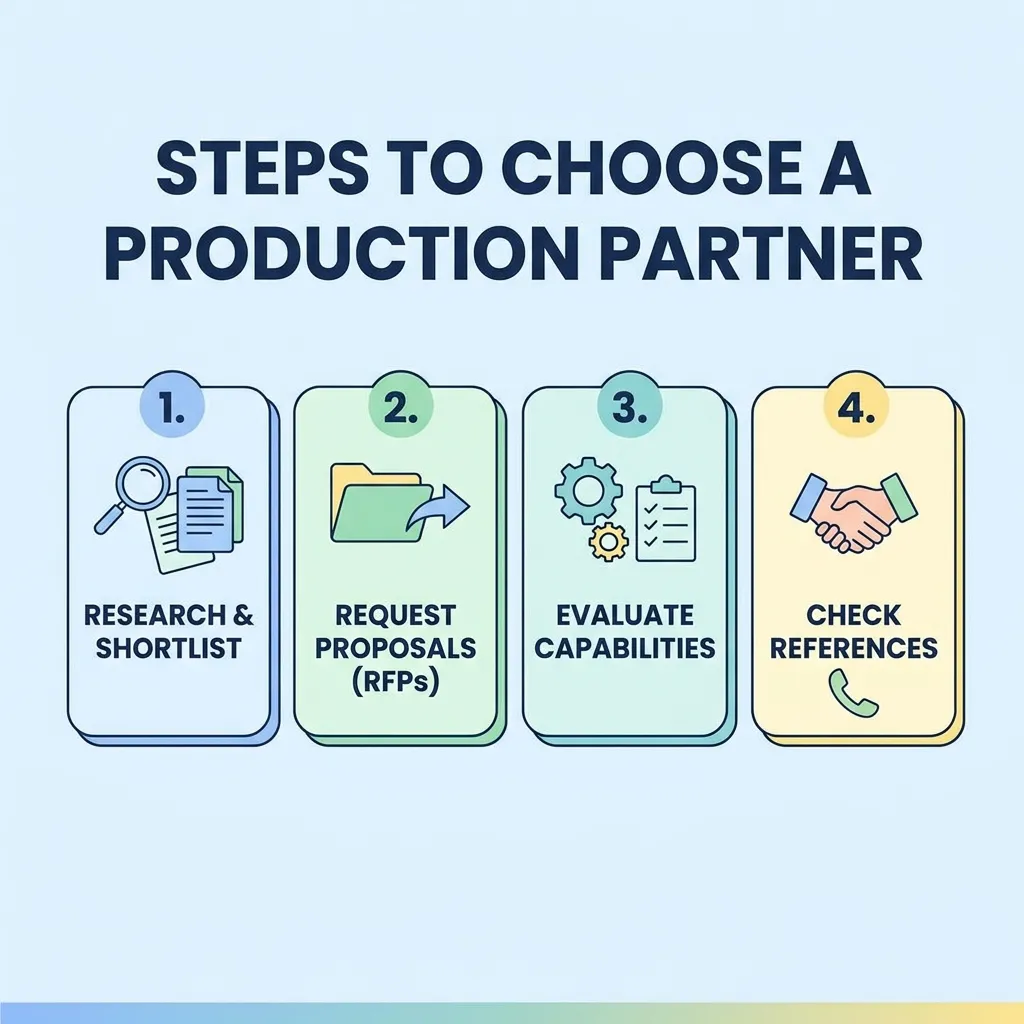
For businesses working with an external production company rather than handling traditional TV commercial production in-house, reviewing a potential partner’s previous work is essential before committing to a project. Look specifically for examples in a similar style or industry, ask about their typical timeline for each phase, and clarify upfront how many rounds of revision are included in post-production before additional costs apply.
Clear communication about budget constraints early in the process also helps production companies recommend realistic approaches rather than proposing a concept that later needs to be scaled back once actual costs become clear. The strongest client-production relationships in traditional TV commercial production tend to be built on this kind of upfront transparency, rather than discovering budget mismatches partway through filming or editing.
Conclusion
Traditional TV commercial production is a structured, multi-phase process that rewards careful planning far more than last-minute improvisation. From concept development and storyboarding through filming and final color grading, each phase builds on the last to produce a commercial capable of holding attention and communicating a clear message within a short runtime. Whether working with a full production company or a lean in-house team, understanding these phases of traditional TV commercial production helps ensure the final result matches both the creative ambition and the budget available for the project, setting up the broader media buy and distribution strategy for the best possible chance of success once the finished commercial finally airs.
Frequently Asked Questions (FAQs)
1. What are the three main phases of traditional TV commercial production?
The three main phases are pre-production (planning and scripting), production (filming), and post-production (editing, sound, and final polish).
2. How much does traditional TV commercial production typically cost?
Costs vary widely, from a few thousand dollars for a simple local business spot to hundreds of thousands for a highly produced national campaign.
3. Do I need professional actors for a TV commercial?
Not necessarily — real customers, employees, or company spokespeople can work well depending on the tone and authenticity the commercial is trying to achieve.
4. How long does traditional TV commercial production usually take?
Timelines vary based on complexity, but even a relatively simple commercial often takes several weeks from initial concept through final delivery once all phases are included.
5. What’s the difference between pre-production and production?
Pre-production covers planning, scripting, casting, and scheduling, while production refers specifically to the actual filming days where footage is captured.
6. Why is post-production considered so important?
Post-production, including editing, sound design, and color grading, is where raw footage becomes a polished, broadcast-ready commercial, often significantly shaping the final impact of the ad.
7. Can small businesses handle commercial production without a full agency?
Yes, especially for simpler, direct-response style commercials, though more ambitious brand-building campaigns typically benefit from professional production expertise.
8. What’s the most commonly underestimated part of TV commercial production?
Post-production timelines, especially when original music or complex editing is involved, are frequently underestimated during initial project planning.
9. Does traditional TV commercial production still matter in the streaming era?
Yes, the core production principles remain essential even as distribution shifts toward streaming and connected TV platforms.
10. What roles are typically involved in a commercial production?
Common roles include a director, producer, director of photography, editor, and sound designer, along with additional crew depending on production scale.
11. How important is sound quality in TV commercial production?
Very important — poor audio can significantly undermine even visually excellent footage, making sound design a critical part of the post-production process.
12. Should I plan for multiple versions of the same commercial?
Yes, many campaigns require different lengths or formats for various platforms and time slots, which should be planned for during pre-production rather than added as an afterthought.