Traditional marketing tactics involve offline strategies that help brands engage audiences, build trust, and leave a lasting impression. Techniques such as direct mail, print advertising, billboards, trade shows, radio ads, and guerrilla marketing remain effective in cutting through digital noise. By combining these tangible methods with modern digital campaigns, businesses can create a cohesive, multi-channel marketing approach that strengthens brand visibility and drives engagement.
In an increasingly digital world, brands are inundated with endless online marketing strategies—yet traditional marketing tactics remain as relevant as ever. Tangible, memorable, and often less crowded than digital channels, offline approaches can help companies cut through the noise and build stronger connections with their audience.
1. Direct Mail Campaigns
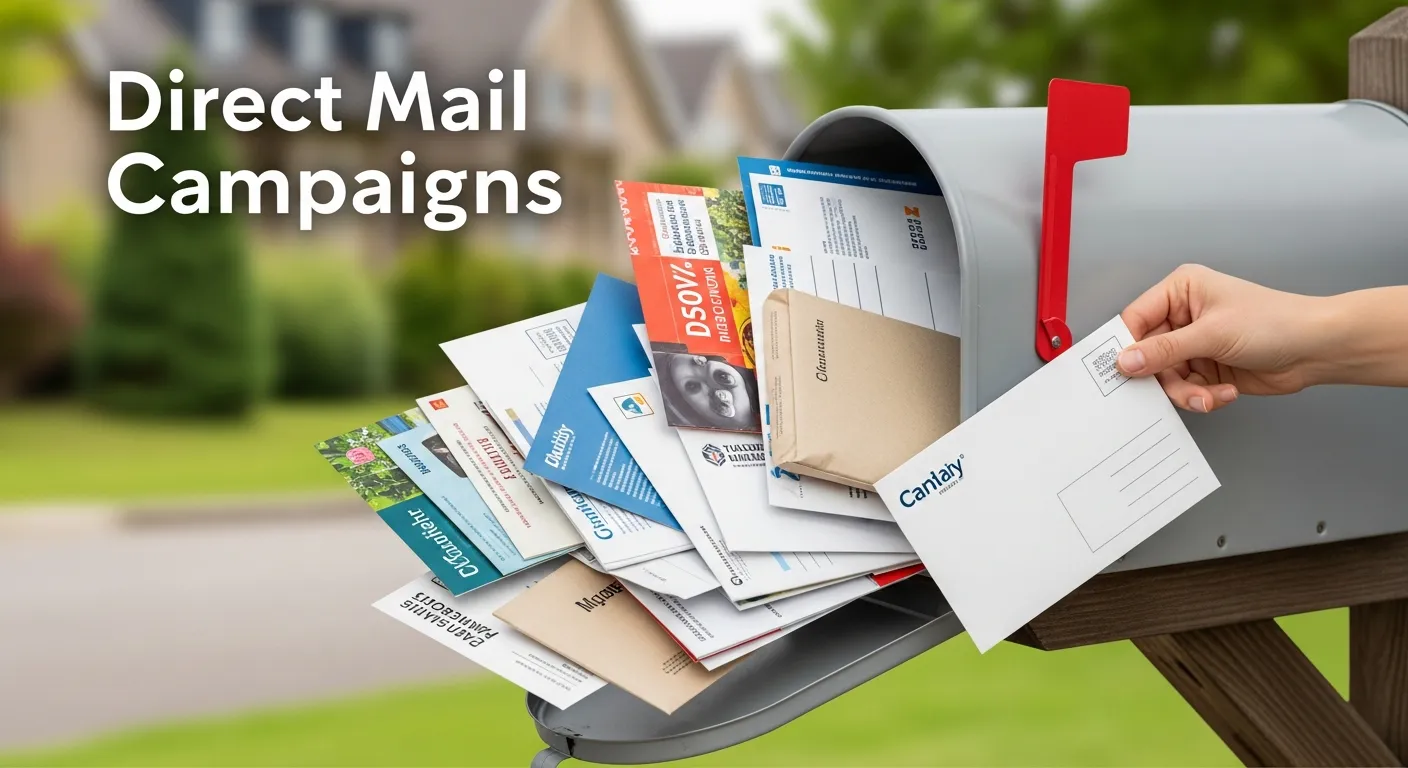
Direct mail remains one of the most effective traditional marketing tactics, even in the digital age. Unlike emails that can get lost in crowded inboxes, physical mail creates a tangible connection with recipients. Personalized postcards, catalogs, or brochures delivered directly to your audience’s mailbox feel exclusive and often generate higher engagement.
Key Strategies for Effective Direct Mail:
- Segmentation: Divide your audience based on demographics, purchasing behavior, and location to increase relevance.
- Compelling Design: Use eye-catching elements like embossing, foil stamping, or vibrant colors to stand out.
- Clear CTA: Include QR codes, promo codes, or landing page links to drive conversions.
- Performance Tracking: Measure response rates, integrate with your CRM, and monitor lifetime value.
Tips for Success:
- Combine direct mail with digital retargeting for a cohesive traditional advertising campaign.
- Offer personalized incentives to improve engagement and customer loyalty.
Offline Marketing Metrics to Track: Response rate, conversion rate, and customer acquisition cost.
2. Print Advertising in Magazines and Newspapers
Despite the rise of digital channels, print advertising still holds a significant place in a strong traditional advertising strategy. Niche magazines and local newspapers often have loyal readers, which makes them ideal for targeted marketing campaigns.
Best Practices for Print Ads:
- Publication Selection: Choose magazines or newspapers that align with your audience’s interests and demographics.
- Visual and Messaging Balance: Strong visuals combined with concise, compelling copy highlight your brand’s USP.
- Premium Placements: Opt for back covers, inserts, or feature spreads for higher visibility.
- Cross-Channel Integration: Combine print campaigns with online retargeting to reinforce brand recall.
Tips for Success:
- Include a unique promo code or dedicated URL to track offline engagement.
- Regularly analyze readership data to optimize ad placements.
Offline Marketing Metrics to Track: Circulation reach, ad impressions, and leads generated through print campaigns.
3. Billboards and Outdoor Advertising
Billboards, bus shelters, transit ads, and other outdoor advertising are powerful traditional marketing tactics for high-frequency exposure. Strategic placement in high-traffic areas ensures your brand message reaches a large audience multiple times daily.
Key Strategies for Outdoor Marketing:
- Concise Messaging: Drivers and pedestrians only have a few seconds to absorb the content. Keep copy minimal and visuals bold.
- Design for Impact: Use contrasting colors, large fonts, and strong imagery to capture attention.
- Interactive Elements: Incorporate QR codes or short URLs for mobile engagement.
- Location Selection: Analyze traffic patterns and select high-visibility spots for maximum reach.
Tips for Success:
- Track website visits or location footfall during the campaign period to measure effectiveness.
- Combine with social media promotion for a hybrid traditional advertising campaign.
Offline Marketing Metrics to Track: Foot traffic, branded search uplift, and customer inquiries from specific locations.
4. Trade Shows and Industry Events
Trade shows and industry events provide immersive opportunities for brands to showcase products, network, and generate high-quality leads. This is a cornerstone traditional marketing tactic for B2B brands or product-focused businesses.
Key Strategies for Trade Shows:
- Booth Design: Create visually appealing, branded displays with interactive demos to attract attendees.
- Staff Training: Equip your team to proactively engage visitors, ask qualifying questions, and collect contact information.
- Live Presentations: Host workshops, demos, or presentations to position your brand as an industry thought leader.
- Follow-Up Process: Send personalized emails or calls post-event to nurture leads.
Tips for Success:
- Offer giveaways or branded merchandise to encourage booth visits.
- Integrate event interactions with your traditional marketing plan to track ROI.
5. Flyers, Brochures, and Door Hangers
Flyers, brochures, and door hangers remain highly effective traditional marketing tactics, especially for businesses targeting local audiences. These offline tools allow brands to deliver tangible, visually appealing materials directly to potential customers, creating a personal and memorable impression that digital campaigns often struggle to achieve.
Key Strategies for Local Distribution:
- Professional Printing: Invest in high-quality paper, vibrant colors, and clean design to ensure materials stand out.
- Clear Messaging and Offer: Highlight product benefits and include strong incentives such as discounts, limited-time offers, or event invitations.
- Targeted Distribution: Use geo-targeted services, local mailers, or neighborhood partnerships to reach the most relevant audience.
- Co-Branding Opportunities: Collaborate with complementary local businesses to expand reach and share distribution costs.
Tips for Success:
- Incorporate tear-off coupons, promo codes, or QR codes to link offline engagement with online tracking.
- Align flyer and brochure campaigns with your overall traditional marketing plan for consistent branding across all touchpoints.
Offline Marketing Metrics to Track: Redemption rates, new customer acquisition, foot traffic increases, and ROI per campaign.
6. Networking and Community Sponsorship
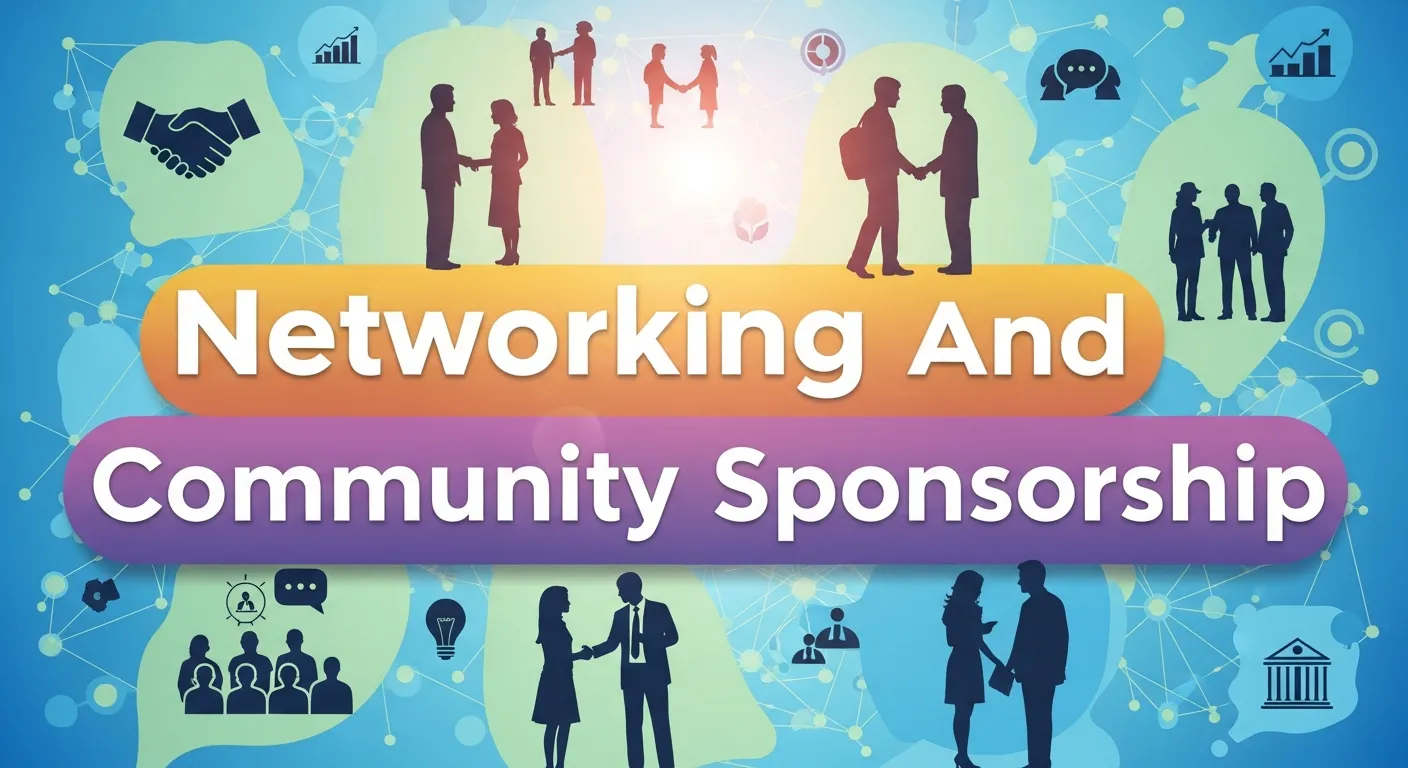
Networking and community sponsorship are essential traditional marketing tactics that build trust, credibility, and long-term relationships with local audiences. Engaging in offline networking helps brands establish authority, foster partnerships, and generate word-of-mouth promotion—often more impactful than paid advertising alone.
Key Strategies for Networking and Sponsorship:
- Local Associations: Join business associations, chambers of commerce, or professional groups to connect with potential clients, partners, and influencers.
- Event Sponsorship: Sponsor community events, sports teams, charity drives, or local festivals to enhance brand visibility.
- Branded Materials: Utilize banners, T-shirts, or promotional equipment at sponsored events to reinforce brand recognition.
- Content Amplification: Share event highlights on social media or your website to extend reach and demonstrate community involvement.
Tips for Success:
- Focus on sponsorships and networking opportunities that align with your brand values to maximize authenticity.
- Track inquiries, leads, or brand mentions generated from offline community efforts to measure impact.
Offline Marketing Metrics to Track: Event participation ROI, brand awareness within the community, number of new contacts or leads, and media mentions.
7. Radio Advertising
Radio remains one of the most effective traditional marketing tactics for reaching targeted audiences across demographics, regions, and lifestyles. Unlike TV or digital ads, radio allows advertisers to connect with listeners during commutes, at work, or at home, creating a consistent brand presence in everyday life. Its audio-only format also leaves room for imagination, allowing brands to craft memorable stories with jingles, taglines, or catchphrases that stick with the audience long after the broadcast.
Key Strategies for Radio Marketing:
- Targeted Programming: Select stations, shows, and time slots that align with your target demographic to maximize relevance.
- Short, Memorable Scripts: Focus on concise messaging with a clear USP (Unique Selling Proposition) and actionable CTA—whether driving website visits, phone inquiries, or in-store visits.
- Professional Production: High-quality voiceovers and sound effects increase credibility and listener retention.
- Sponsorship Opportunities: Sponsor popular segments, podcasts, or radio contests to associate your brand with trusted content.
- Offline Marketing Metrics: Track the effectiveness of your radio advertising campaign using vanity phone numbers, dedicated URLs, or promo codes mentioned on air.
Radio is particularly effective for small-to-medium businesses that want a traditional advertising strategy to complement their online campaigns without requiring an extensive budget.
8. Telemarketing and Cold Calling
Telemarketing and cold calling remain essential components of a traditional marketing plan for businesses aiming to generate leads and build personal connections with potential customers. When executed ethically, telemarketing enables immediate conversations with prospects, providing an opportunity to clarify benefits, answer questions, and schedule appointments.
Best Practices for Telemarketing:
- Targeted Call Lists: Use clean, permission-based data to ensure compliance with privacy regulations and improve call quality.
- Conversational Scripts: Focus on addressing customer pain points rather than aggressive selling. Highlight solutions that are relevant to the prospect’s needs.
- CRM Integration: Log call outcomes, follow-ups, and lead scoring to measure campaign effectiveness and optimize future efforts.
- Incentives: Offer consultations, product samples, or special discounts to encourage engagement.
- Offline Marketing Metrics: Monitor connect rates, conversion rates, call duration, and response rates to evaluate ROI.
Telemarketing is highly effective for traditional advertising campaigns targeting B2B audiences, high-value leads, or localized markets, where direct personal interaction builds trust and credibility.
9. In-Store Promotions and Point-of-Sale Displays
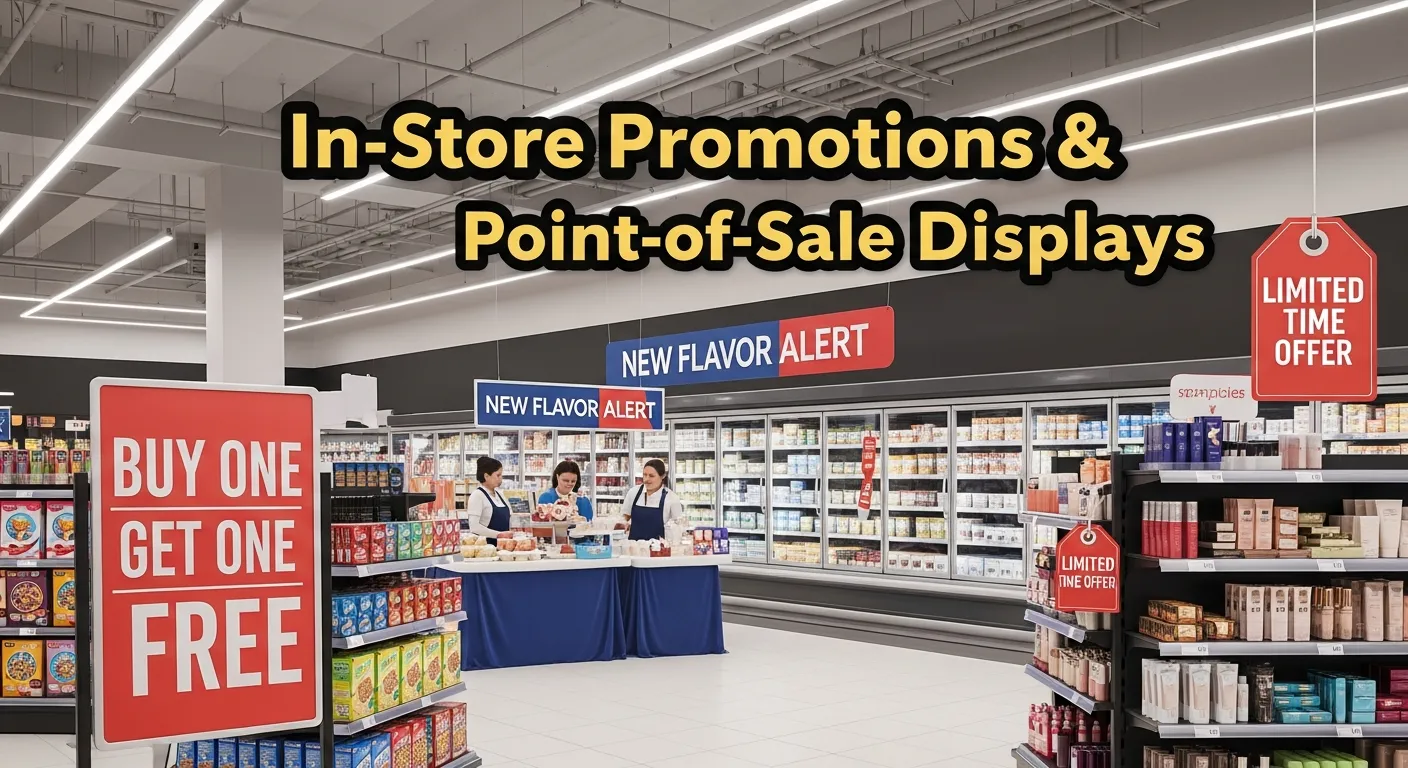
In-store promotions are a cornerstone of traditional marketing tactics, particularly for retail brands aiming to drive impulse purchases and enhance the customer experience. POS (Point-of-Sale) displays, shelf talkers, and product demonstrations attract attention and guide buying decisions right at the moment of purchase.
Effective Tactics for In-Store Marketing:
- Eye-Catching Displays: Use bold graphics, product arrangements, and signage that clearly communicate offers or promotions.
- Staff Training: Equip employees with knowledge and materials to cross-sell, upsell, or provide product demonstrations.
- Interactive Experiences: Host workshops, tastings, or demos to engage customers physically and emotionally with your brand.
- Offline Marketing Metrics: Track incremental sales, coupon redemptions, and customer feedback to measure campaign impact.
By combining these tactics with loyalty programs or QR code integrations, brands can link offline engagement with online data, creating a measurable and cohesive traditional advertising strategy.
10. Guerrilla Marketing and Street Teams
Guerrilla marketing is a high-impact, low-cost approach that uses creativity, surprise, and unconventional tactics to generate buzz. Street teams or pop-up activations can interact directly with audiences, creating memorable experiences that often become shareable content on social media, amplifying reach beyond the immediate location.
Tips for Guerrilla Marketing Success:
- Creative Activations: Flash mobs, art installations, branded merchandise giveaways, and interactive public experiences capture attention in crowded spaces.
- Brand Alignment: Ensure all stunts reflect your brand’s personality, tone, and values for authenticity.
- Document and Share: Capture videos and images to share on social media, extending the campaign’s reach far beyond the offline audience.
- Offline Marketing Metrics: Measure media mentions, social engagement spikes, web traffic, and local store visits to quantify campaign success.
- Compliance: Always ensure activities comply with local regulations and public safety requirements.
Guerrilla marketing is particularly effective for startups and smaller brands seeking to stand out in competitive markets without relying on expensive media buys. When executed well, it creates long-lasting impressions and generates earned media coverage, turning everyday spaces into marketing opportunities.
Conclusion
Traditional marketing tactics remain vital components of a well-rounded marketing strategy. By blending offline techniques like direct mail, trade shows, and guerrilla campaigns with your digital efforts, you’ll create a cohesive brand experience that resonates across channels. Track performance through unique codes, dedicated URLs, and thorough analytics to optimize campaigns over time. Embrace these ten time-tested tactics to diversify your marketing mix, boost ROI, and forge deeper connections with your target audience.
FAQs on Traditional Marketing Tactics
1. What are traditional marketing tactics?
Traditional marketing tactics refer to offline strategies used to promote products or services, such as direct mail, print advertising, billboards, trade shows, radio ads, and guerrilla marketing. These tactics remain effective for building brand awareness and customer engagement alongside digital efforts.
2. Why should modern brands use traditional marketing tactics?
Despite the rise of digital channels, traditional marketing tactics provide tangible, memorable experiences. They help brands cut through online noise, reach local audiences, and complement digital campaigns to create a holistic marketing strategy.
3. How do I measure the effectiveness of a traditional advertising campaign?
Offline marketing metrics like coupon redemptions, QR code scans, in-store foot traffic, and unique promo codes can measure campaign success. Tracking sales, brand mentions, and event attendance also provides insights into ROI.
4. What is a traditional advertising strategy?
A traditional advertising strategy is a structured plan to promote a brand using offline channels. It outlines objectives, target audience, key messages, media selection (TV, radio, print, outdoor), budgets, and performance tracking metrics.
5. How can I integrate traditional marketing tactics into a modern marketing plan?
Combine offline and digital efforts by linking print, direct mail, or in-store campaigns to online touchpoints such as social media, websites, and email. Use QR codes, landing pages, or unique promo codes to bridge offline and online engagement.
6. Are traditional marketing tactics still cost-effective?
Yes. Many traditional marketing tactics—like direct mail, flyers, or guerrilla marketing—offer high ROI when executed strategically. They can target specific demographics, create lasting impressions, and complement digital campaigns efficiently.
7. What are some examples of offline marketing metrics?
Offline marketing metrics include:
- Coupon or QR code redemption rates
- Event attendance numbers
- Incremental sales increases
- Media mentions
- Customer feedback from in-store promotions or community events
8. How do trade shows and industry events benefit a traditional marketing plan?
Trade shows allow brands to demonstrate products, interact directly with prospects, and generate qualified leads. They strengthen credibility and provide networking opportunities that are difficult to replicate online.
9. Can small businesses benefit from traditional marketing tactics?
Absolutely. Small businesses can leverage cost-effective tactics like local print ads, flyers, guerrilla marketing, and community sponsorships to reach specific audiences without competing with large brands’ digital budgets.
10. How often should I update my traditional advertising strategy?
Traditional advertising strategies should be reviewed regularly, at least annually, or after major campaigns. Analyze offline marketing metrics to refine messaging, optimize channels, and improve ROI for future campaigns.