Marketing has evolved dramatically over the past decade, with digital channels dominating conversations and budgets. Yet traditional marketing methods continue to deliver measurable results for businesses across industries. While companies rush to embrace the latest digital trends, many overlook the enduring power of conventional marketing approaches.
Traditional marketing offers unique advantages that digital-only strategies cannot replicate. From building genuine trust through face-to-face interactions to creating lasting brand impressions through tangible materials, these time-tested methods provide a foundation and credibility that complement modern marketing efforts.
This post explores why traditional marketing remains essential for business success and how smart companies integrate these proven methods with contemporary strategies.
What Defines Traditional Marketing?
Traditional marketing encompasses conventional advertising and promotional methods that existed before the internet revolutionized how businesses reach customers. These approaches rely on established media channels and direct customer interactions to build brand awareness and drive sales.
Key traditional marketing channels include:
- Print advertising: Newspapers, magazines, brochures, and flyers
- Broadcast media: Television and radio advertisements
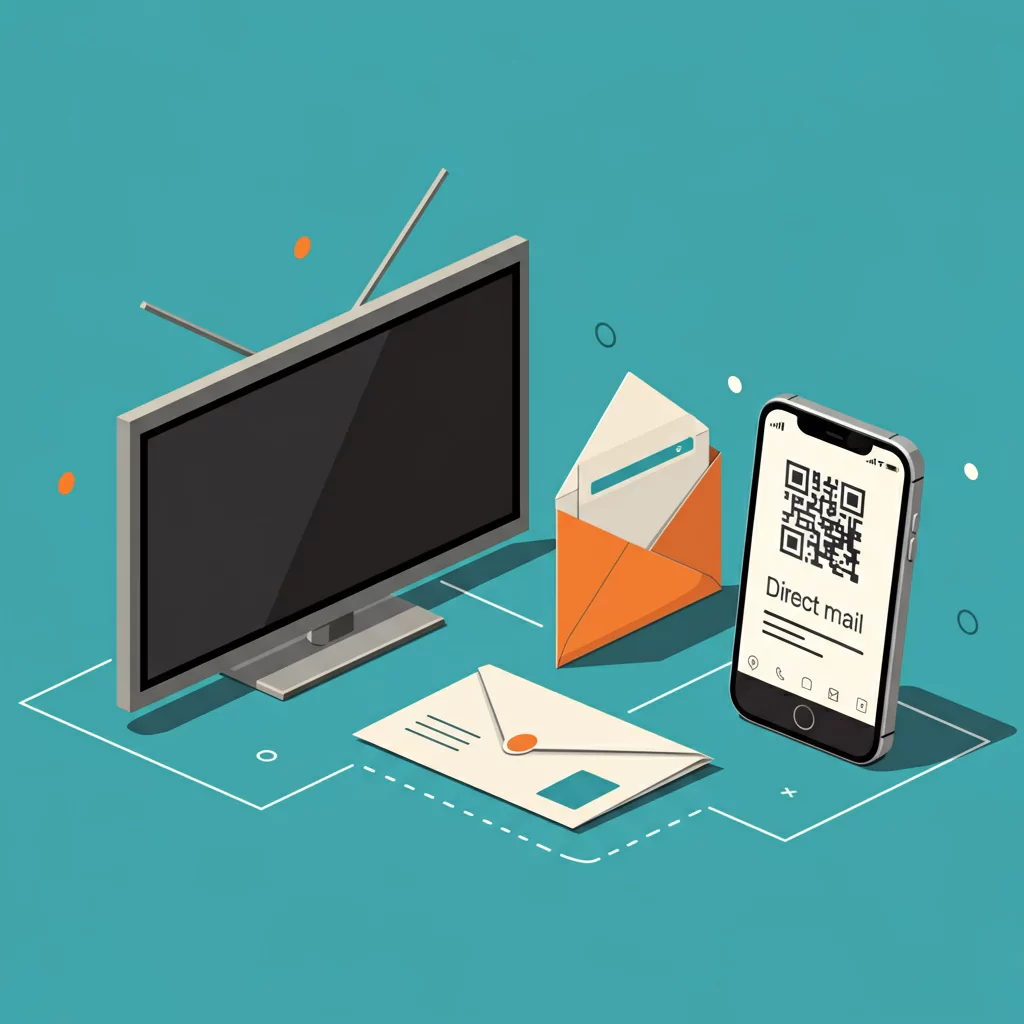
- Direct mail: Postcards, catalogs, and promotional letters
- Outdoor advertising: Billboards, signage, and transit advertising
- Event marketing: Trade shows, conferences, and community events
- Telemarketing: Direct phone contact with prospects
Traditional marketing methods focus on reaching broad audiences through established media channels that people encounter in their daily lives. These approaches emphasize consistent brand messaging and repeated exposure to build recognition and trust.
Building Authentic Trust and Credibility

Traditional marketing excels at establishing genuine trust between businesses and their audiences. Physical materials and face-to-face interactions create credibility that digital channels struggle to match.
Tangible Brand Experiences
Print materials provide tactile experiences that engage multiple senses. A well-designed brochure or business card creates lasting impressions through paper quality, printing techniques, and visual design. Customers can hold, examine, and reference these materials repeatedly.
Television and radio advertisements reach audiences during trusted programming. When businesses advertise during popular shows or news programs, they benefit from the credibility associated with established media brands.
Personal Connections Through Events
Trade shows, conferences, and community events enable direct conversations between businesses and potential customers. These interactions build relationships that extend beyond simple transactions.
Event marketing allows businesses to demonstrate products, answer questions immediately, and address concerns in real-time. This personal touch creates emotional connections that influence purchasing decisions long after the event ends.
Reaching Broader, More Diverse Audiences
Traditional marketing channels reach demographics that digital marketing often misses. While younger consumers dominate online platforms, traditional media connects with older, affluent audiences who control significant purchasing power.
Demographic Advantages
Television and radio reach audiences across all age groups, income levels, and geographic areas. Many consumers, particularly those over 40, prefer traditional media for news and entertainment consumption.
Print advertising in newspapers and magazines targets specific demographic segments effectively. Business publications reach decision-makers, while local newspapers connect with community-focused consumers.
Geographic Targeting Precision
Traditional marketing excels at geographic targeting through local media channels. Radio stations serve specific metropolitan areas, while local newspapers focus on particular communities or regions.
Outdoor advertising provides precise geographic targeting through strategic placement. Billboards near shopping centers reach consumers at the moment they’re making purchasing decisions.
Creating Lasting Brand Impressions

Traditional marketing creates memorable brand experiences that persist longer than digital advertisements. Physical materials and broadcast media make stronger impressions through sustained exposure and sensory engagement.
Reduced Competition for Attention
Traditional media environments contain fewer advertisements competing for attention compared to digital platforms. A magazine advertisement faces limited competition from other ads on the same page, while online ads compete with countless distractions.
Television commercials during popular programs reach captive audiences who cannot easily skip or ignore advertisements. This forced exposure creates a stronger brand recall than optional digital content.
Higher Perceived Value
Traditional marketing materials often convey higher quality and professionalism than digital alternatives. Printed brochures, professional business cards, and polished television commercials signal business stability and investment.
Customers perceive businesses that invest in traditional marketing as more established and trustworthy. This perception influences purchasing decisions, particularly for high-value products and services.
Complementing Digital Marketing Efforts
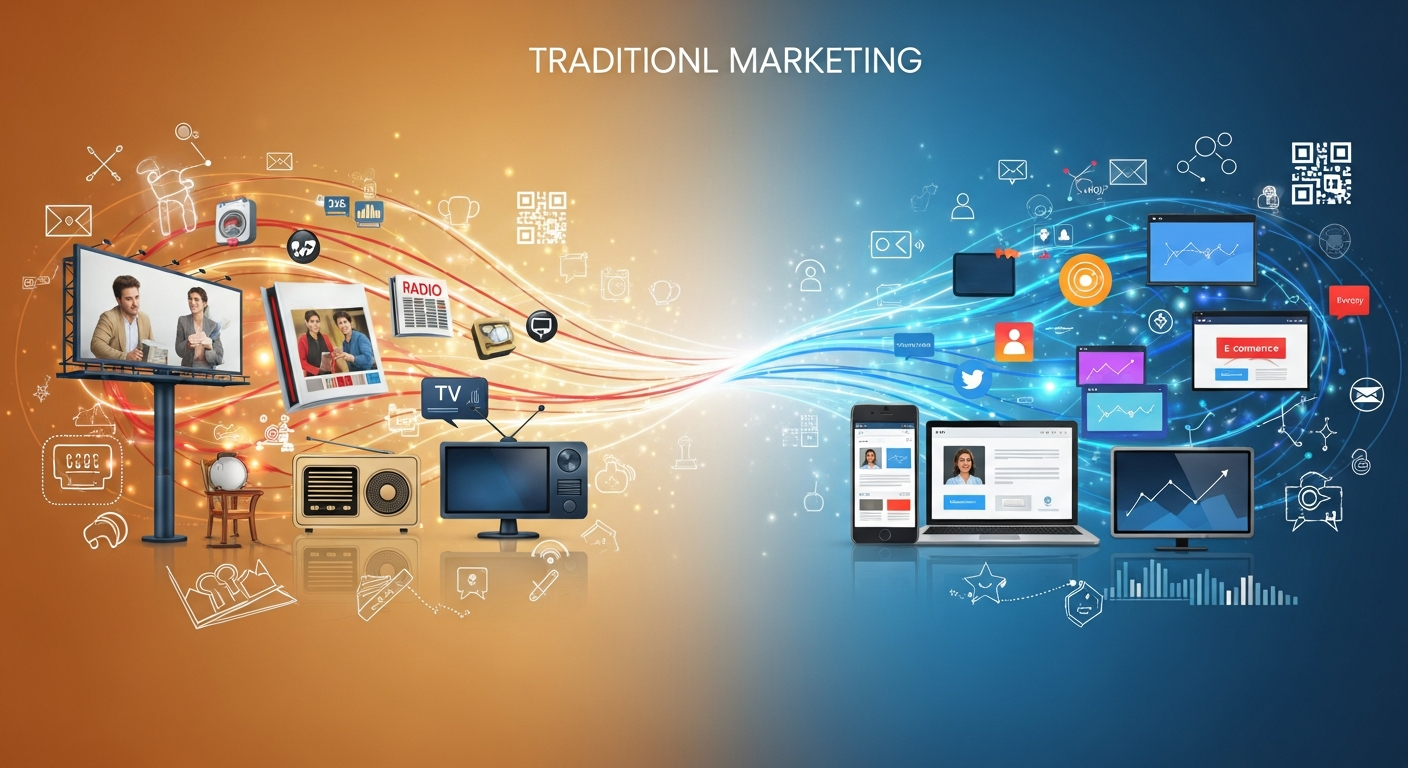
Traditional marketing works most effectively when integrated with digital strategies. The combination creates comprehensive campaigns that reach audiences through multiple touchpoints and reinforce brand messages across channels.
Multi-Channel Brand Reinforcement
Customers who encounter brands through both traditional and digital channels demonstrate higher engagement and conversion rates. Traditional advertising creates initial awareness, while digital channels provide detailed information and purchasing opportunities.
Direct mail campaigns can drive website traffic and online sales. Television advertisements can promote social media hashtags and digital engagement. This integration amplifies the effectiveness of both traditional and digital efforts.
Offline-to-Online Customer Journey
Traditional marketing initiates customer journeys that continue online. Print advertisements can include QR codes or website URLs that direct readers to digital content. Radio advertisements can promote online contests or special offers.
This offline-to-online flow captures customers who prefer traditional media while providing digital measurement and tracking capabilities.
Measurable ROI and Performance Tracking
Traditional marketing provides clear, measurable results when implemented correctly. Direct mail campaigns generate trackable response rates, while broadcast advertising creates measurable brand awareness and sales increases.
Direct Response Capabilities
Traditional marketing excels at direct response campaigns that generate immediate, measurable results. Direct mail pieces can include unique phone numbers or promotional codes that track responses precisely.
Print advertisements can feature special offers or coupon codes that measure conversion rates. These direct response elements provide clear ROI calculations and campaign effectiveness metrics.
Brand Awareness Measurement
Traditional marketing builds brand awareness that translates into long-term business value. Television and radio advertising create broad brand recognition that influences purchasing decisions over time.
Market research can measure brand awareness following traditional marketing campaigns. These metrics demonstrate the long-term value of traditional marketing investments beyond immediate sales results.
Industry-Specific Traditional Marketing Advantages

Certain industries benefit particularly from traditional marketing approaches due to their target audiences, product characteristics, or regulatory requirements.
Professional Services
Law firms, accounting practices, and consulting companies build credibility through traditional marketing channels. Professional publications, direct mail to business addresses, and networking events reach decision-makers effectively.
Traditional marketing materials convey professionalism and expertise that digital marketing struggles to match. Business cards, letterhead, and printed presentations create lasting impressions with potential clients.
Healthcare and Medical Services
Healthcare providers use traditional marketing to reach patients who prefer established media channels. Medical advertising in newspapers and magazines targets older demographics who utilize healthcare services frequently.
Direct mail campaigns can promote health screenings, new services, or practice information to specific geographic areas. This targeted approach reaches potential patients in their homes where they make healthcare decisions.
Real Estate
Real estate professionals rely heavily on traditional marketing to reach homebuyers and sellers. Yard signs, newspaper advertisements, and direct mail postcards target specific neighborhoods and demographics effectively.
Print materials allow real estate agents to showcase properties through high-quality photographs and detailed descriptions. These tangible marketing pieces provide information that clients can review repeatedly during decision-making processes.
The Strategic Integration Advantage
Traditional marketing delivers optimal results when strategically integrated with comprehensive marketing plans. Smart businesses use traditional methods to complement digital strategies, creating cohesive campaigns that maximize reach and effectiveness.
Successful integration requires understanding audience preferences, channel strengths, and message consistency across all marketing touchpoints. Traditional marketing provides the foundation of credibility and trust that makes digital marketing more effective.
Consider how traditional marketing methods can enhance your current marketing efforts. Sometimes the most effective approach combines time-tested methods with modern innovations to create comprehensive campaigns that reach audiences wherever they consume information.
Frequently Asked Questions (FAQ About Traditional Marketing)
1. What is traditional marketing in simple terms?
Traditional marketing refers to offline marketing methods that businesses used before digital platforms became dominant. These include print advertising, television and radio commercials, direct mail, outdoor advertising, event marketing, and telemarketing. The goal is to reach audiences through established media channels they encounter in everyday life.
2. Is traditional marketing still effective in today’s digital world?
Yes, traditional marketing remains effective, especially when used strategically. It continues to deliver strong results in brand awareness, trust-building, and audience reach, particularly among demographics that are less active online. When combined with digital marketing, traditional methods often enhance overall campaign performance.
3. Which businesses benefit most from traditional marketing?
Industries such as real estate, healthcare, professional services, retail, and local businesses benefit significantly from traditional marketing. These sectors often rely on trust, local presence, and personal relationships, all of which are strengthened through offline marketing channels.
4. How does traditional marketing build trust better than digital marketing?
Traditional marketing builds trust through tangible materials and personal interactions. Printed brochures, business cards, and face-to-face events create credibility and authenticity. Television, radio, and print media also carry established reputations, which businesses benefit from when advertising through them.
5. Can traditional marketing be measured effectively?
Yes, traditional marketing can be measured using tools such as coupon codes, dedicated phone numbers, QR codes, and promotional offers. Brand awareness studies, sales tracking, and response rates also help measure performance and return on investment over both the short and long term.
6. How does traditional marketing complement digital marketing?
Traditional marketing creates initial awareness and credibility, while digital marketing provides detailed information, engagement, and conversion opportunities. Together, they form a complete customer journey where offline channels drive online actions and reinforce brand messaging across multiple touchpoints.
7. Is traditional marketing more expensive than digital marketing?
Traditional marketing can have higher upfront costs, such as printing or broadcast placements, but it often delivers long-lasting brand impact. When targeted correctly, the return on investment can be strong, particularly for local or high-value products and services.
8. What role does traditional marketing play in local marketing strategies?
Traditional marketing is highly effective for local targeting. Local newspapers, radio stations, billboards, and direct mail allow businesses to reach specific geographic areas. This makes it ideal for community-focused campaigns and location-based promotions.
9. Should small businesses still invest in traditional marketing?
Yes, small businesses can benefit greatly from traditional marketing, especially at the local level. Direct mail, local events, print ads, and outdoor signage help build visibility and trust within the community, often delivering results that digital-only strategies cannot achieve.
10. Will traditional marketing continue to matter in the future?
Traditional marketing will continue to matter as long as consumers value trust, credibility, and real-world experiences. While digital channels will keep evolving, traditional marketing remains a strong foundation that enhances brand presence and strengthens integrated marketing strategies.
You can also read the post: The 3Cs of Marketing: Your Blueprint for Strategic Success