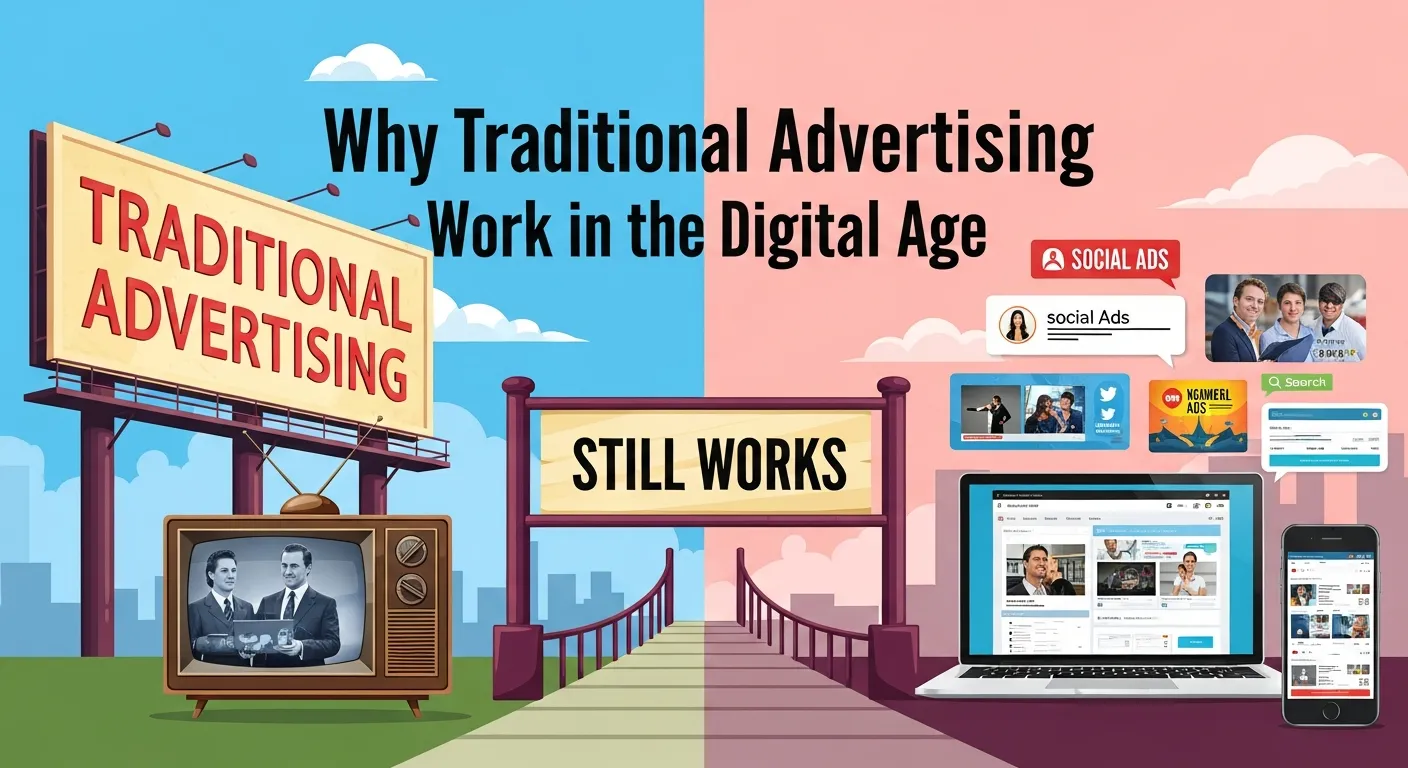
Traditional advertising—including TV, radio, print, billboards, and direct mail—remains a vital component of modern marketing. While digital marketing offers precise targeting and analytics, traditional media excels at broad reach, credibility, emotional connection, and brand building. Combining creative content, strategic media planning, and measurable KPIs allows businesses to maximize impact. Innovations like smart TV, programmatic radio, and QR-enabled print further bridge traditional and digital efforts, enabling better ROI tracking and targeted messaging.
Marketing budgets have shifted dramatically toward digital channels over the past decade. Social media ads, search engine marketing, and influencer partnerships dominate many companies’ advertising strategies. Yet dismissing traditional advertising entirely would be a costly mistake.
Traditional advertising—including television commercials, radio spots, print ads, billboards, and direct mail—continues to deliver measurable results for businesses across industries. While digital marketing offers precision targeting and real-time analytics, traditional methods provide unique advantages that complement modern marketing efforts.
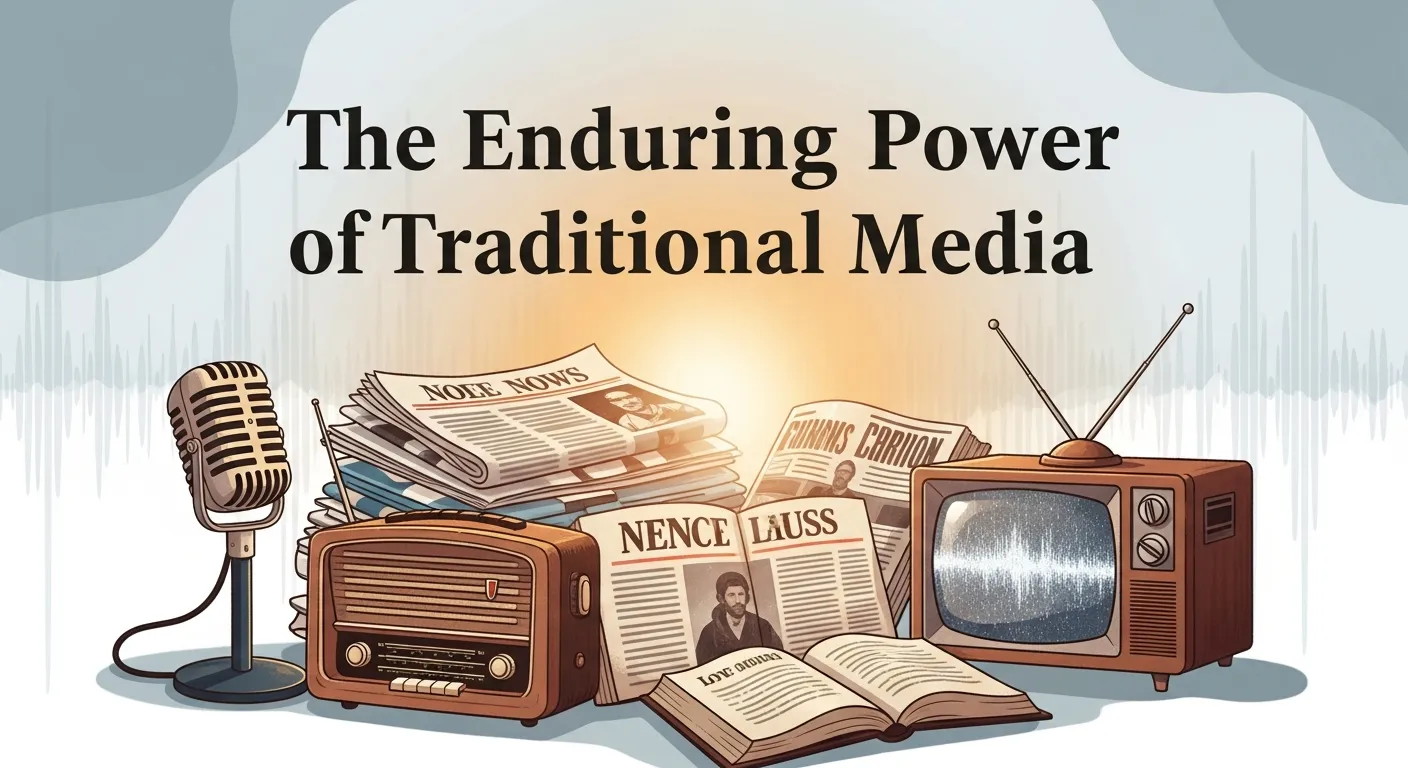
The Enduring Power of Traditional Media
Television Advertising Reaches Mass Audiences
Television remains the most powerful medium for reaching large audiences simultaneously. The average American watches over four hours of TV daily, creating substantial opportunities for brand exposure. Major sporting events, popular shows, and news programs consistently attract millions of viewers.
Super Bowl commercials exemplify TV advertising’s impact. Companies pay premium rates because these ads reach over 100 million viewers and generate extensive social media buzz. The investment often pays off through increased brand recognition and sales.
Local television advertising offers more affordable options for regional businesses. Restaurant chains, car dealerships, and retail stores successfully use local TV spots to drive foot traffic and build community presence.
Radio Connects During Daily Routines
Radio advertising excels at reaching consumers during their daily commutes and routines. Morning drive time and afternoon rush hour command the highest rates because audiences are captive and engaged.
Podcast advertising has revitalized audio marketing. Host-read advertisements feel more personal and trustworthy than traditional radio spots. Listeners often fast-forward through other content but pay attention when their favorite hosts discuss products.
Radio’s affordability makes it accessible for small businesses. Local radio stations offer targeted demographics and community connections that digital platforms struggle to replicate.
Print Media Builds Trust and Credibility
Print advertising in newspapers and magazines carries inherent credibility. Readers often perceive print ads as more trustworthy than digital advertisements, which can feel intrusive or suspicious.
Magazine advertising allows for detailed storytelling and high-quality visuals. Luxury brands, in particular, benefit from the tactile experience and premium environment that magazines provide.
Direct mail combines print’s credibility with targeted distribution. Well-designed mailers generate higher response rates than many digital campaigns, especially for local businesses and service providers.
Traditional Advertising’s Unique Advantages
Brand Building Through Repeated Exposure
Traditional advertising excels at building brand awareness through consistent exposure. Television commercials, radio jingles, and billboard campaigns create memorable impressions that accumulate over time.
Frequency matters more than immediate conversions for brand building. Traditional media allows marketers to maintain a consistent presence in consumers’ minds, influencing purchase decisions when needs arise.
Jingles and slogans from traditional advertising often become cultural touchstones. McDonald’s “I’m Lovin’ It” and Nike’s “Just Do It” demonstrate how traditional campaigns create lasting brand associations.
Credibility and Trust Factor
Traditional media outlets maintain editorial standards and content quality that enhance advertiser credibility. Advertisements in reputable newspapers or during trusted TV programs benefit from this association.
Consumers often view traditional advertising as more legitimate than digital ads. Pop-up ads and sponsored content can feel deceptive, while traditional advertisements clearly identify themselves as promotional material.
The permanence of traditional advertising contributes to its credibility. A billboard or magazine ad represents a significant investment, signaling the advertiser’s commitment and legitimacy.
Complementing Digital Strategies
Traditional advertising works synergistically with digital marketing efforts. Television commercials can drive online searches, while print ads can include QR codes linking to digital content.
Cross-channel campaigns amplify message reach and reinforce brand recall. Consumers who see both traditional and digital advertisements show higher engagement rates than those exposed to single channels.
Attribution modeling helps marketers understand how traditional advertising influences digital conversions. Many purchases attributed to digital channels actually begin with traditional advertising exposure.
Overcoming Traditional Advertising Challenges
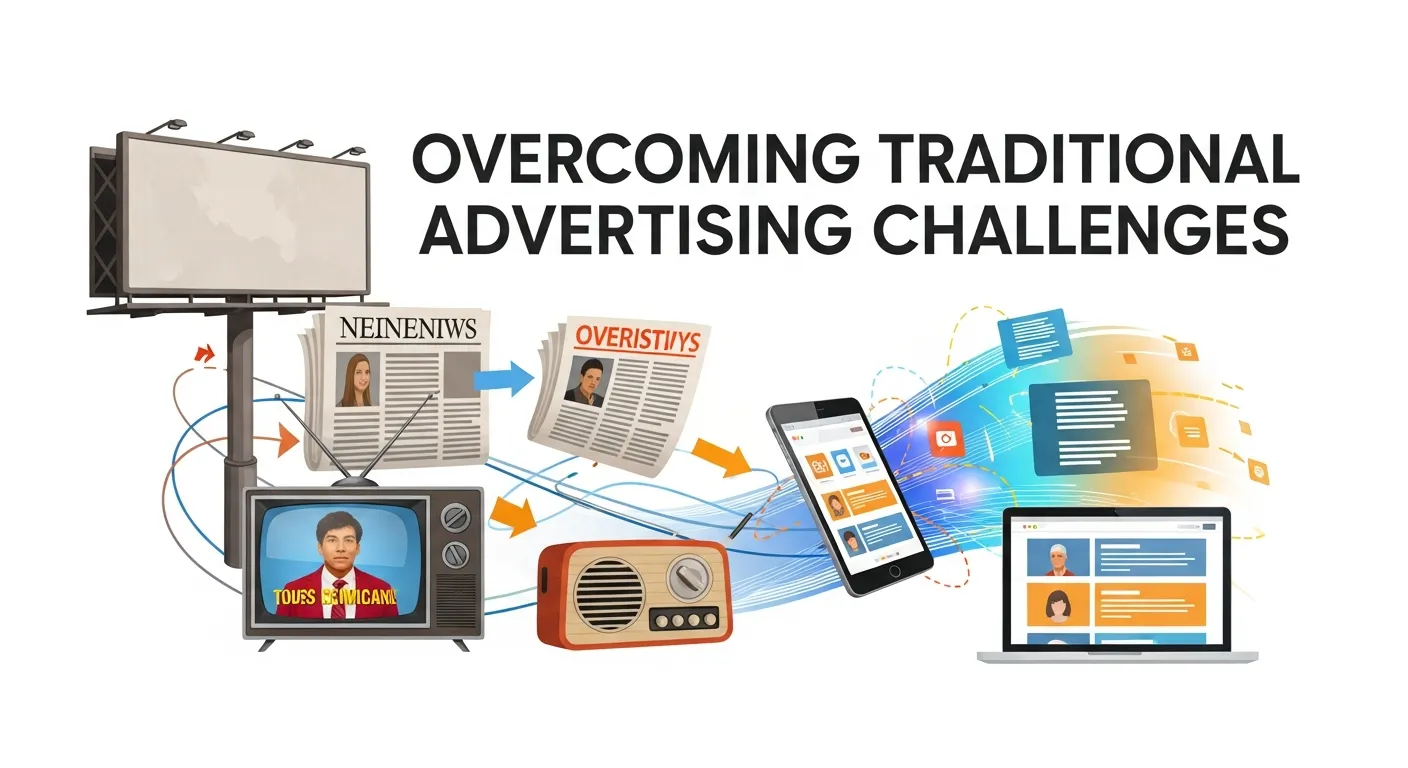
While traditional advertising has its clear advantages, it also comes with challenges that need to be addressed. The primary obstacles often involve measuring return on investment (ROI), managing costs, and targeting the right audience. However, as technology evolves, these challenges are becoming easier to navigate, allowing businesses to leverage traditional media more effectively.
1. Measuring Return on Investment (ROI)
Unlike digital campaigns that offer detailed analytics, traditional advertising methods historically relied on broad audience estimates and delayed feedback. This lack of immediate, precise data can make it difficult for marketers to directly attribute sales to a specific ad.
Solutions:
- Smart TV Advertising: Provides viewers’ data similar to digital ads, enabling precise tracking.
- Unique Promo Codes: Radio and podcast ads can include promo codes that can be tracked.
- Landing Pages: Direct mail or print ads can feature specific landing pages to track visitor activity.
- Marketing Mix Modeling: A statistical method that helps attribute sales to different channels, providing a clearer picture of traditional advertising’s impact.
2. Cost Considerations and Budget Allocation
Traditional advertising, particularly television and print ads, requires substantial upfront investments. This can be a hurdle, especially for small businesses or startups with limited marketing budgets.
Solutions:
- Negotiation for Better Rates: Negotiating off-peak hours, seasonal discounts, and package deals can help reduce costs.
- Seasonal Promotions: Target seasonal events (holidays, back-to-school) when advertising costs are often more affordable.
- Cost-Effective Local Media: Local television and radio ads are more affordable than national placements and can be highly effective in driving regional sales.
3. Targeting and Personalization
Traditional advertising generally lacks the precision targeting capabilities offered by digital channels. TV commercials reach a broad audience, often including individuals who are not interested in the message.
Solutions:
- Demographic Targeting: Specific TV shows, radio stations, and magazines cater to particular audience segments, allowing advertisers to fine-tune their messaging.
- Programmatic Advertising: Modern techniques like addressable TV or programmatic radio buying bring digital-style targeting to traditional media, allowing for more personalized and relevant ads.
Overcoming Challenges in Traditional Advertising
| Challenge | Solution |
|---|---|
| Measuring ROI | Smart TV data, promo codes, landing pages, and marketing mix modeling. |
| High Costs | Negotiate better rates, target seasonal promotions, and focus on local media. |
| Broad Targeting | Use demographic targeting and programmatic advertising. |
Effective Traditional Advertising Strategies

Traditional advertising is most effective when executed with creativity and strategic planning. To make the most of traditional media, it’s important to develop a strong, consistent message and choose the right media channels for your target audience. Below are some key strategies to maximize your traditional advertising efforts.
1. Creating Memorable Creative Content
Traditional advertising success often depends on creative execution. Memorable ads, jingles, or visuals that resonate emotionally can build a strong connection with the audience. Here are some tips to create impactful ads:
Best Practices:
- Emotional Storytelling: Engage your audience by telling stories that evoke emotions. For example, a TV commercial showing a student’s journey to success can create a lasting connection.
- Catchy Jingles: Radio ads are most effective when they feature memorable jingles that stick with the listener, like McDonald’s “I’m Lovin’ It.”
- Striking Visuals: In print or billboard ads, high-quality, visually appealing images capture attention and make your message stand out.
2. Strategic Media Planning and Buying
Successful traditional advertising campaigns require careful planning and purchasing. Media buying involves selecting the right time slots and spaces to ensure your ads reach the target audience effectively.
Best Practices:
- Understanding Audience Behavior: Knowing when your target audience is most likely to be watching TV, listening to the radio, or reading a specific magazine is essential to ensure your message is seen.
- Seasonal Trends: Advertise during peak seasons like holidays or back-to-school periods when consumer activity is higher.
- Negotiating for Better Rates: Experienced media buyers can negotiate discounts, free spots, or better time slots, improving the overall effectiveness and cost-efficiency of campaigns.
Best Practices for Traditional Advertising
| Strategy | Actionable Tips |
|---|---|
| Creative Content | Use emotional storytelling, catchy jingles, and striking visuals. |
| Media Planning | Understand audience behavior, capitalize on seasonal trends, and negotiate for better rates. |
| Consistency Across Campaigns | Keep visual elements, messaging, and brand personality consistent. |
Overcoming Traditional Advertising Challenges
Measuring Return on Investment
Traditional advertising’s measurement challenges have historically limited its appeal. Unlike digital campaigns with detailed analytics, traditional media relied on broad audience estimates and delayed feedback.
Modern technology addresses these limitations through improved tracking methods. Smart TV advertising provides viewer data similar to digital platforms. Radio and podcast advertising use unique promo codes and dedicated landing pages to track responses.
Marketing mix modeling helps attribute sales to various channels, including traditional advertising. This statistical approach reveals traditional media’s contribution to overall marketing effectiveness.
Cost Considerations and Budget Allocation
Traditional advertising often requires larger upfront investments than digital campaigns. Television production costs, media buying commitments, and print design expenses can strain marketing budgets.
Smart budget allocation balances traditional and digital spending based on business objectives. Brand awareness campaigns may favor traditional media, while direct response marketing might emphasize digital channels.
Negotiating favorable rates and timing can improve traditional advertising’s cost-effectiveness. Off-peak hours, seasonal discounts, and package deals reduce costs while maintaining reach.
Targeting and Personalization
Traditional advertising’s broad reach sometimes sacrifices targeting precision. Television commercials reach diverse audiences, potentially wasting impressions on uninterested viewers.
However, traditional media offers valuable demographic targeting. Specific TV shows, radio stations, and magazine titles attract distinct audience segments. Advertisers can align their messages with appropriate contexts.
Programmatic advertising brings digital-style targeting to traditional media. Addressable TV advertising delivers different commercials to households based on viewing history and demographics.
The Future of Traditional Advertising
Traditional advertising continues evolving to meet modern consumer expectations. Interactive television, digital billboards, and programmatic radio buying merge traditional reach with digital capabilities.
Streaming services and connected TV create new opportunities for traditional video advertising. These platforms combine television’s visual impact with digital targeting and measurement capabilities.
Audio advertising through podcasts and streaming music services represents traditional radio’s digital evolution. Voice-activated advertising and interactive audio experiences point toward future developments.
Building Your Balanced Marketing Strategy

Traditional advertising remains a valuable component of comprehensive marketing strategies. Its unique strengths—mass reach, credibility, and brand-building capabilities—complement digital marketing’s precision and analytics.
Success requires understanding each channel’s strengths and limitations. Traditional advertising excels at awareness building and emotional connection, while digital marketing drives direct response and detailed tracking.
Consider your business objectives, target audience, and available resources when planning traditional advertising campaigns. Start with small tests, measure results carefully, and scale successful approaches.
The most effective marketing strategies combine traditional and digital elements thoughtfully. Rather than viewing these approaches as competitors, smart marketers use them as complementary tools in their communication arsenal.
Conclusion
Traditional advertising is far from obsolete. Its mass reach, trust-building capabilities, and ability to create memorable brand experiences complement digital strategies for a holistic marketing approach. By integrating traditional and digital channels, businesses can enhance brand awareness, engagement, and conversions, ensuring sustainable marketing success across audiences and platforms.
Frequently Asked Questions
1. Why is traditional advertising still relevant in the digital age?
Despite the growing importance of digital marketing, traditional advertising still plays a key role in building brand awareness, trust, and credibility. Methods like TV, radio, print ads, and billboards provide broad, high-impact visibility and can effectively complement digital efforts, particularly for local or regional marketing.
2. How can I measure the success of traditional advertising campaigns?
While measuring traditional advertising can be more challenging than digital, there are ways to track its effectiveness. You can use unique promo codes, QR codes, specific landing pages, or trackable phone numbers. Additionally, modern tools like marketing mix modeling and smart TV data help assess how traditional ads contribute to overall sales.
3. Is traditional advertising expensive?
Traditional advertising can require larger upfront investments, particularly for TV, radio, or print ads. However, it can be more cost-effective than it appears when you focus on local markets, target specific time slots (like off-peak hours), or negotiate discounts. Over time, the long-term exposure and trust-building can justify the cost.
4. How does traditional advertising complement digital marketing?
Traditional advertising works well in tandem with digital marketing. TV ads can drive online searches, print ads can include QR codes linking to websites, and radio spots can push listeners to visit social media pages. Cross-channel strategies increase brand recall and create a unified customer experience across platforms.
5. Can traditional advertising still be targeted effectively?
Although traditional advertising may not have the precise targeting that digital channels offer, you can still reach specific demographics by choosing the right media channels. For example, TV ads can target specific shows or time slots, and radio ads can be tailored to particular time slots when key audiences (like parents during morning commutes) are listening.
6. What types of businesses benefit most from traditional advertising?
Traditional advertising is highly effective for businesses that need to build local brand recognition or those that target a broad audience. It is particularly beneficial for industries like education, real estate, retail, and hospitality, where building trust and familiarity in a specific community is essential.
7. How do I decide which traditional media to use for my business?
The choice of media depends on your goals, budget, and target audience. Television and radio ads are best for mass appeal, while print ads work well for niche markets or high-quality visuals. Billboards and outdoor signage are great for creating local visibility, and direct mail can be highly effective for targeted, personalized messaging.
8. How can I make my traditional advertising stand out?
To make your traditional ads effective, focus on creating memorable, creative content. Use emotional storytelling in TV or radio ads, striking visuals in print and billboards, and include strong calls to action. Consistency across all media and high-quality design will help your ads stand out and build long-term brand recognition.
9. What is marketing mix modeling, and how does it help with traditional advertising?
Marketing mix modeling is a statistical analysis technique that helps businesses understand how different marketing channels contribute to sales and overall performance. Analyzing data from both digital and traditional advertising efforts helps determine the ROI of each channel and how traditional media influences digital conversions.
10. What’s the future of traditional advertising?
The future of traditional advertising lies in its evolution alongside digital technology. Innovations like interactive TV ads, digital billboards, and programmatic radio buying combine the broad reach of traditional media with digital targeting and data analytics. As consumers increasingly engage with content across platforms, blending traditional and digital methods will be essential for effective marketing strategies.
Learn more about: What Are Traditional Marketing Platforms?