Elevating In-Store Experiences
In-Store Promotions and Point-of-Purchase Signage
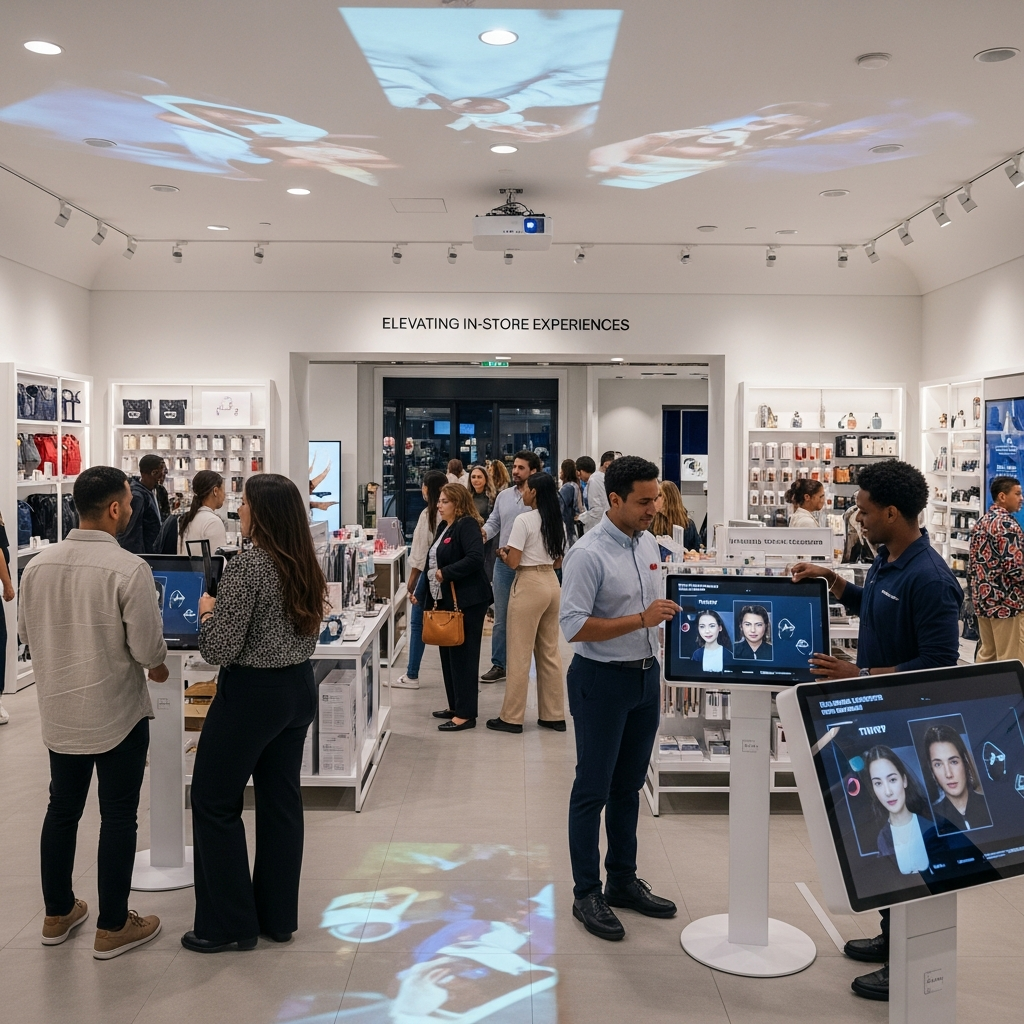
Once prospects step inside your establishment, it’s crucial to maintain momentum with compelling in-store visuals. Point-of-purchase (POP) displays, strategically placed floor decals, and banner stands can guide customers towards new arrivals or limited-time deals. Research from the University of Illinois Retail Lab (https://www.retaillab.illinois.edu) indicates that well-designed POP materials can increase impulse purchases by up to 15%.
Design your in-store promotions around a cohesive theme—seasonal events, product launches, or community milestones. Use consistent color palettes, fonts, and messaging that mirror your print and direct mail materials. This unity reinforces brand familiarity and streamlines customer journeys, from outdoor banner to checkout counter.
Additionally, consider cross-promotional partnerships with adjacent local businesses. For example, a bookstore might collaborate with a neighboring coffee shop to offer a “book-and-brew” bundle. Joint signage and co-branded coupons encourage traffic exchange, expanding each partner’s customer base organically.
Sampling and Freebie Strategies
Nothing cements a sale like firsthand experience. Offering product samples or trial-size giveaways entices first-time visitors to test offerings risk-free. A cosmetics boutique could host a “mini-makeover day,” whereas a local bakery might offer bite-sized pastry samples before major holidays. Capture visitor information at the sampling station to fuel follow-up emails or mailed promotions.
Integrate these sampling events into your overall schedule and promote them via local bulletin boards, community forums, and in-store signage. Encourage attendees to share their experiences on social media with a branded hashtag—amplifying foot traffic through peer recommendations.
Community Engagement through Events and Sponsorships
Community engagement is one of the most powerful traditional marketing strategies for building trust, visibility, and long-term customer relationships. By participating in or sponsoring local activities, businesses can strengthen their presence and create meaningful connections with their target audience.
These local Traditional marketing strategies work for small bussiness especially well because they combine brand exposure with real human interaction, making your business more memorable and trustworthy.
Community Sponsorships
Sponsoring local events such as sports teams, school fairs, cultural programs, or charity fundraisers positions your brand as a valuable part of the community. When your logo appears on banners, jerseys, or event materials, you benefit from the credibility and goodwill of the organization.
Sponsorship Benefits
| Element | Description | Business Impact |
|---|---|---|
| Event Branding | Logo on banners & jerseys | Increases brand visibility |
| Community Trust | Association with local causes | Builds customer loyalty |
| Public Recognition | Mentions during events | Strengthens brand reputation |
| Networking | Direct community interaction | Generates referrals |
Sponsorship Best Practices
- Choose events aligned with your brand values
- Focus on long-term partnerships, not one-time deals
- Define clear deliverables (signage, mentions, promotions)
- Track engagement and ROI from each sponsorship
- Combine offline exposure with traditional marketing strategies for stronger impact
Trade Shows and Local Fairs
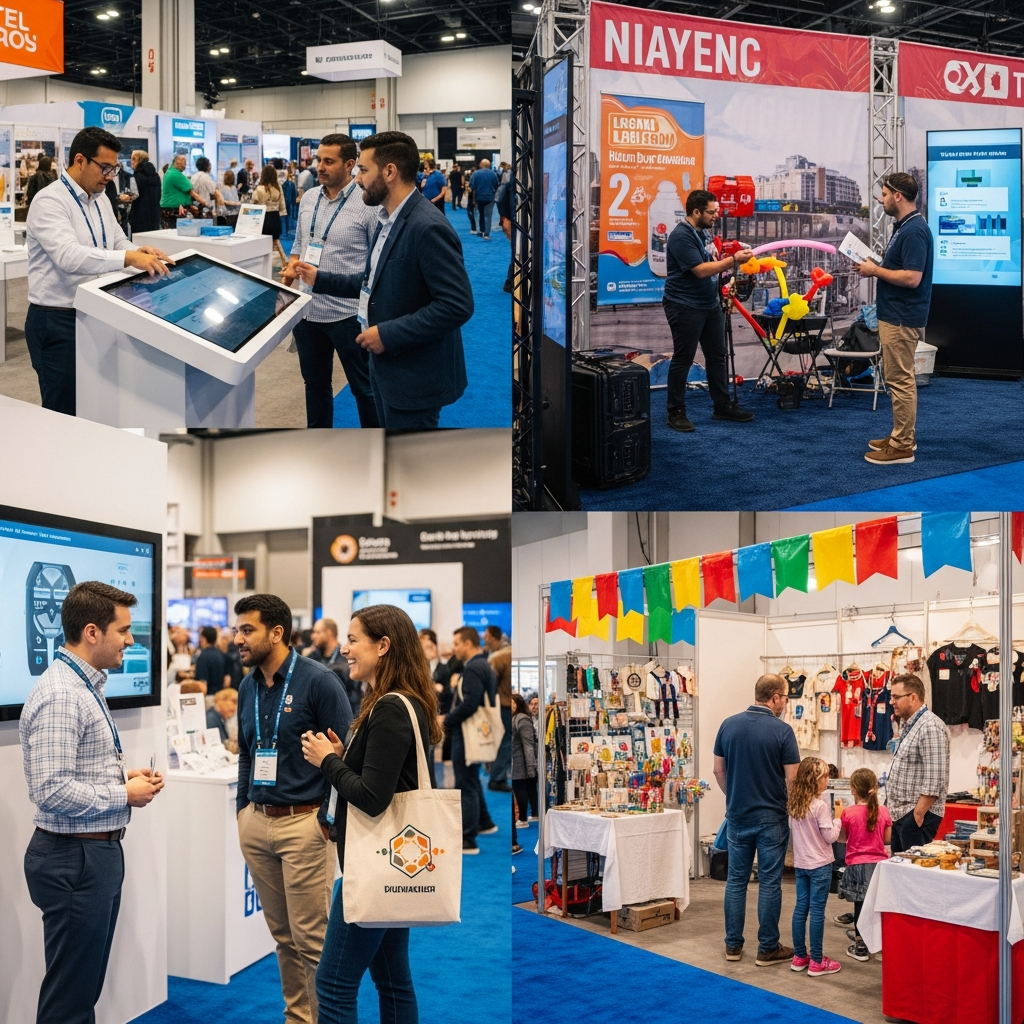 Trade shows and community fairs bring together highly targeted audiences in one place, making them ideal for offline marketing strategies for small businesses. These events allow you to showcase products, interact with customers, and generate leads in real time.
Effective Booth Strategy
- Use interactive product demonstrations
- Offer samples or live experiences
- Set up digital kiosks for sign-ups
- Provide branded giveaways (bags, pens, bottles)
- Create visually strong booth designs
Event Marketing Performance Table
| Strategy | Purpose | Result |
|---|---|---|
| Product Demos | Engage visitors | Higher interest levels |
| Giveaways | Attract foot traffic | Increased booth visits |
| Raffle Entries | Collect leads | Strong contact database |
| Follow-up Emails | Post-event nurturing | Higher conversion rates |
| Branding Displays | Visual recognition | Improved recall |
Lead Follow-Up Strategy
Following up after events is critical for converting interest into sales. Businesses that use structured follow-up systems see significantly better results, as highlighted in event marketing research trends.
Post-Event Actions
- Send personalized thank-you messages
- Offer exclusive post-event discounts
- Segment leads for targeted campaigns
- Use CRM tools to track engagement
- Integrate with your broader traditional marketing strategies
Key Benefits of Community Engagement
- Builds strong local brand awareness
- Improves customer trust and loyalty
- Generates high-quality local leads
- Strengthens emotional connection with audiences
- Enhances long-term business growth
Focus Keyword Integration
Community engagement through events and sponsorships is a core part of traditional marketing strategies, helping businesses grow visibility and trust through real-world connections and local business marketing strategies.
Impactful Guerrilla and Outdoor Advertising
Guerrilla and outdoor advertising are powerful traditional marketing strategies that help businesses capture attention in highly visible, real-world environments. These methods rely on creativity, location, and repetition to build strong brand recall without requiring large digital ad budgets.
They are especially effective for local business marketing strategies, where visibility in busy community areas directly influences customer footfall and awareness.
Guerrilla Marketing Tactics
Guerrilla marketing focuses on surprise, creativity, and emotional impact. Instead of expensive media buys, it uses unconventional methods to generate buzz and encourage word-of-mouth sharing.
Examples include sidewalk chalk art, flash mobs, or pop-up installations in public spaces.
Guerrilla Marketing Benefits Table
| Tactic | Description | Marketing Impact |
|---|---|---|
| Street Art / Murals | Creative public visuals | High local visibility |
| Flash Mobs | Organized public performances | Viral attention |
| Pop-up Installations | Temporary branded setups | Strong engagement |
| Experiential Stunts | Interactive brand moments | Emotional connection |
Best Practices for Guerrilla Marketing
- Always secure required permits before execution
- Choose high-traffic public locations
- Keep ideas simple but visually powerful
- Record high-quality photos and videos
- Share across social media and local channels
- Tag community pages for wider exposure
Guerrilla Marketing Advantages
- Generates fast word-of-mouth buzz
- Low-cost compared to traditional media
- High emotional engagement
- Strong social media shareability
- Builds memorable brand identity
Outdoor Advertising
Outdoor advertising remains one of the most reliable traditional marketing strategies for consistent brand exposure. Billboards, transit ads, and bus shelters ensure your message reaches audiences during their daily routines.
These placements are especially valuable for building long-term brand awareness in specific geographic areas.
Outdoor Advertising Performance Table
| Format | Description | Benefit |
|---|---|---|
| Billboards | Large roadside displays | High visibility exposure |
| Transit Ads | Buses, trains, stations | Daily commuter reach |
| Bus Shelters | Local waiting areas | Repeated impressions |
| Posters | Strategic neighborhood placement | Cost-effective branding |
Design Best Practices for Outdoor Ads
- Use bold, high-contrast visuals
- Keep text minimal and readable
- Focus on one clear message
- Include logo and simple URL
- Avoid cluttered design elements
Optimization Tips
- Rotate ad placements every few months
- Use trackable phone numbers or QR codes
- Create dedicated landing pages for campaigns
- Monitor which locations perform best
- Reinvest in high-performing ad spots
Key Benefits of Outdoor Marketing
- Continuous brand visibility
- Strong local audience reach
- Reinforces other traditional marketing strategies
- Builds long-term recognition
- Supports offline customer acquisition
Focus Keyword Integration
Guerrilla and outdoor campaigns are essential parts of traditional marketing strategies, helping businesses increase visibility and engagement through bold, real-world local business marketing strategies.
Building Loyalty with Workshops and Referral Programs
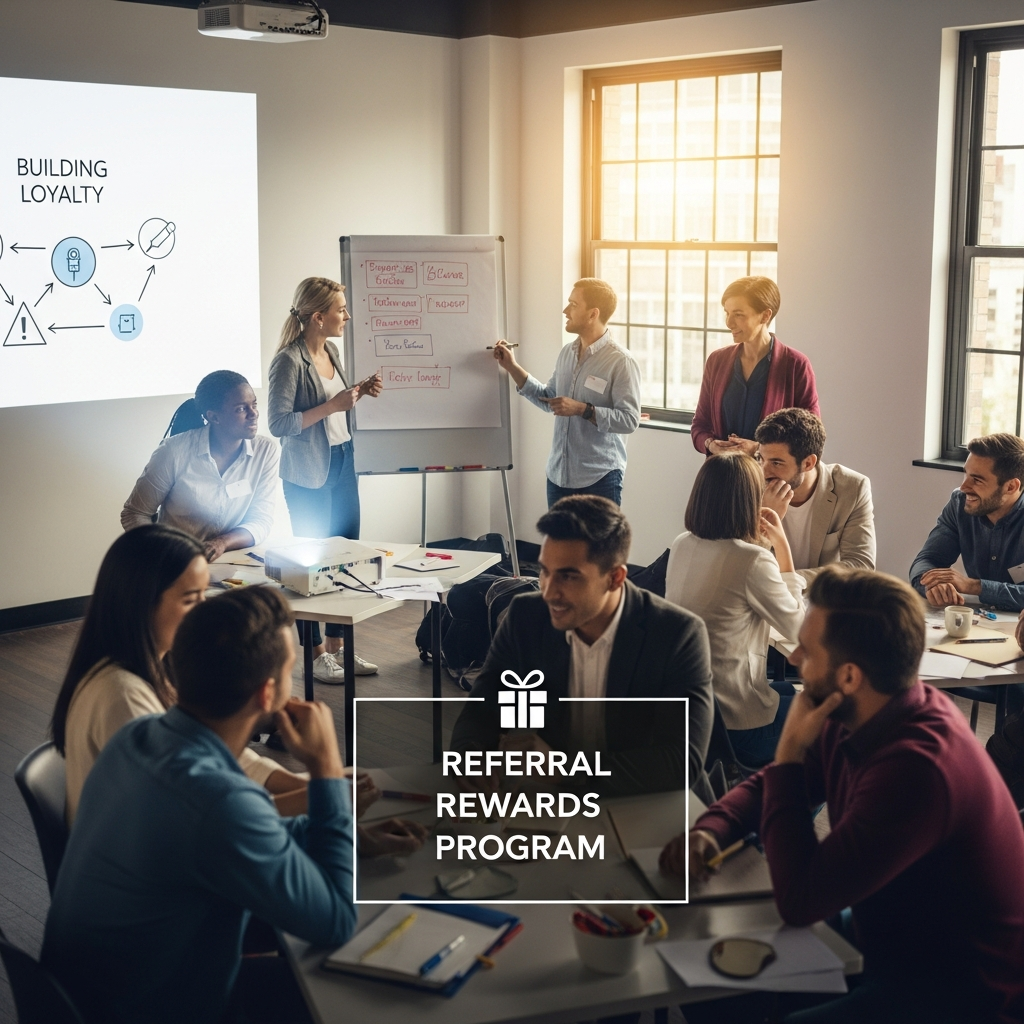 Building long-term customer relationships is one of the most effective traditional marketing strategies for sustainable business growth. Workshops, demonstrations, and referral programs help businesses strengthen trust, increase repeat visits, and turn customers into loyal brand advocates.
These local business marketing strategies focus on real interaction, education, and rewards—making customers feel valued and connected to your brand.
Workshops and Demonstrations
Hosting workshops or live demonstrations helps position your business as an expert in your industry. It also creates meaningful face-to-face engagement with potential and existing customers.
For example:
- A home improvement store can host DIY woodworking sessions
- A health shop can conduct nutrition and wellness seminars
- A beauty brand can offer skincare tutorials
Workshop Benefits Table
| Element | Description | Business Impact |
|---|---|---|
| Live Learning | Hands-on training sessions | Builds trust and authority |
| Community Engagement | Local audience participation | Strengthens brand connection |
| Expert Collaboration | Guest speakers or influencers | Expands reach |
| Lead Collection | Registration forms or sign-ups | Builds customer database |
Workshop Best Practices
- Promote events through local flyers and community boards
- Collaborate with influencers or industry experts
- Offer free or low-cost entry to increase attendance
- Collect participant contact details for follow-ups
- Share post-event resources and offers
Referral and Loyalty Programs
Referral programs turn satisfied customers into powerful brand ambassadors. This is one of the most cost-effective offline marketing strategies for small businesses, driving organic growth through word-of-mouth marketing.
A simple structure works best: reward both the referrer and the new customer for participation.
Referral Program Structure Table
| Program Type | How It Works | Benefit |
|---|---|---|
| Referral Rewards | Give discounts for referrals | Encourages word-of-mouth |
| Dual Incentives | Reward both parties | Higher participation rate |
| Loyalty Points | Earn points per purchase | Increases repeat sales |
| Punch Cards | Buy X, get reward | Simple tracking system |
Loyalty Program Tips
- Keep rules simple (2 steps or less)
- Promote in-store, receipts, and mailers
- Offer meaningful rewards (discounts or gifts)
- Combine with traditional marketing strategies for stronger reach
- Track participation and optimize regularly
Customer Value Insight
Research from consumer behavior studies shows that loyalty program members tend to spend significantly more than non-members, reinforcing the value of structured reward systems.
Key Benefits of Loyalty & Referral Programs
- Increases repeat customer visits
- Builds strong brand advocacy
- Reduces customer acquisition costs
- Enhances long-term revenue stability
- Strengthens community relationships
Focus Keyword Integration
Workshops and referral systems are essential components of traditional marketing strategies, helping businesses grow through trust, engagement, and relationship-driven local business marketing strategies.
Frequently Asked Questions
1. What is community engagement in traditional marketing?
Community engagement involves connecting with local audiences through events, sponsorships, and activities. It is a key part of traditional marketing strategies that build trust and visibility.
2. Why are sponsorships important for local businesses?
Sponsorships help businesses gain brand exposure, improve credibility, and connect with local customers through trusted community events.
3. What types of events can businesses sponsor?
Businesses can sponsor sports teams, school programs, charity events, cultural festivals, and local fairs to strengthen community presence.
4. How do trade shows help in marketing?
Trade shows allow businesses to showcase products, interact with potential customers, and generate high-quality leads in one place.
5. Are events effective for small businesses?
Yes, events are highly effective offline marketing strategies for small businesses because they offer direct customer interaction and local exposure.
6. How do you measure ROI from sponsorships?
ROI can be measured using lead tracking, event referrals, coupon codes, website visits, and customer conversions after the event.
7. What should be included in a trade show booth?
An effective booth should include product demos, branded visuals, giveaways, digital sign-up options, and engaging displays.
8. How important is follow-up after an event?
Follow-up is very important. It helps convert leads into customers through emails, offers, and personalized communication.
9. Can event marketing improve brand trust?
Yes, face-to-face interactions and community involvement significantly increase brand trust and customer loyalty.
10. What are the main benefits of community engagement?
It improves brand awareness, builds local trust, generates leads, and strengthens long-term customer relationships through traditional marketing strategies.
Conclusion
In today’s competitive marketplace, integrating offline touchpoints with your digital efforts is not a luxury—it’s a necessity. By revitalizing print and mail campaigns, elevating in-store experiences, engaging through community events, executing creative guerrilla stunts, and nurturing loyal advocates, local businesses can harness powerful traditional marketing strategies that deliver measurable results. Remember to track key performance indicators—coupon redemptions, event attendance, and referral counts—so you can optimize investments in real time. As you blend these tactics with your online channels, you’ll build a stronger, more resilient brand in neighborhoods across the nation. Embrace these methods and watch your local presence flourish.