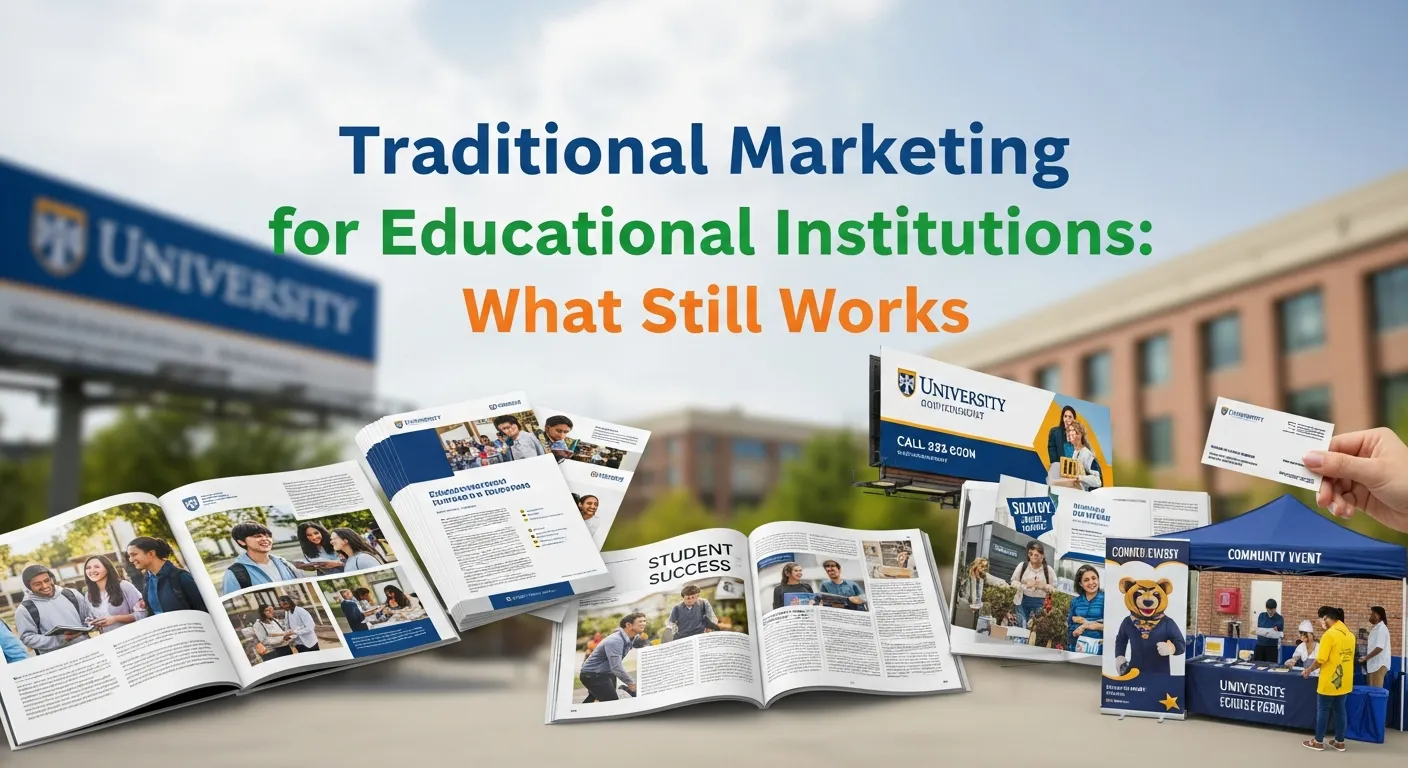
Traditional marketing remains essential for educational institutions, especially locally. Brochures, outdoor ads, events, alumni advocacy, and sponsorships build trust, credibility, and community connections. Combined with digital channels, it creates a multi-channel strategy that maximizes reach, engagement, and measurable results through QR codes, promo codes, and staff feedback.
In today’s digital-first world, it’s easy to assume that every marketing effort should be focused online—social media, Google Ads, SEO, and email campaigns. But when it comes to educational institute marketing, especially at the local or regional level, traditional marketing for educational institutions still holds incredible value.
Why? Because education is a high-trust, high-investment decision. Parents, students, and guardians often rely on personal interaction, physical experiences, and local community credibility to make decisions about where to study. This is where traditional marketing thrives.
Why Traditional Marketing Still Works for Educational Institutions
While digital channels offer scale and targeting, traditional marketing connects emotionally and physically with your target audience in ways online ads can’t. Here’s why it’s still effective:
- Local reach: Educational institutions often serve local or regional populations. Flyers, banners, events, and word-of-mouth work powerfully at the community level.
- Tangible trust: Seeing a school’s presence in the real world (at an expo, on a billboard, or sponsoring a local event) builds familiarity and credibility.
- Generational appeal: Parents—especially of primary or secondary school children—often respond better to physical brochures, printed materials, and face-to-face conversations than online ads.
- Long decision cycles: Education is a considered purchase. Repeated exposure via offline media helps reinforce your brand across a longer decision-making timeline.
1. School Brochures and Printed Prospectuses
One of the oldest and still most effective tools in traditional marketing for educational institutions is the printed brochure or prospectus.
Why it works:
- Tangible and easy to share
- Makes a professional impression
- Helps parents/students compare institutions side by side
- Perfect to distribute at events, school visits, libraries, and local businesses
Tips:
- Invest in high-quality design and printing.
- Include curriculum highlights, student testimonials, facilities, and application information.
- Keep it updated annually or biannually.
2. Outdoor Advertising (Billboards, Banners, Posters)
Outdoor media remains a cornerstone of educational institute marketing, especially near key areas like:
- Schools and coaching centers
- Residential neighborhoods
- Bus stops and metro stations
- Community centers
Billboard advertising, in particular, offers high visibility and repetition—two key ingredients for building brand recall in education marketing. Whether it’s a highway billboard promoting open admissions or a community poster near a school, these ads keep your brand top of mind throughout the decision-making period.
Strategy:
Use bold visuals, concise messaging, and strong CTAs like:
“Admissions Open 2026 – Call Now”
“100% College Placement Guarantee – Apply Today”
“Open House This Weekend – Register Now”
Outdoor advertising reinforces brand awareness over time and is ideal for promoting open admissions, new courses, or scholarship deadlines.
3. Local Newspaper Ads and Editorials

Even in the digital age, local print media remains trusted by many parents and community members.
Options:
- Display ads in daily/weekly newspapers
- Sponsored articles or interviews with faculty or alumni
- Inclusion in education-themed supplements
Benefits:
- High visibility among decision-makers
- Great for reputation building and storytelling
- Combines both credibility and reach
4. Word-of-Mouth & Alumni Advocacy
No form of traditional marketing is more powerful than word-of-mouth—especially when it comes from alumni or current parents.
Strategies:
- Run referral programs (e.g., “Refer a friend, get fee discounts”)
- Feature alumni success stories on posters, mailers, and banners
- Host alumni meets to keep graduates connected and engaged
Happy families and successful alumni are your best brand ambassadors. Leverage them consistently across all your offline campaigns.
5. Local Events, Seminars, and Education Fairs
Face-to-face engagement remains one of the most effective tactics in traditional marketing for educational institutions.
Opportunities:
- Host open houses and parent information sessions
- Participate in city-wide education fairs
- Conduct career guidance or entrance exam workshops in local schools
Events offer a chance to connect personally with potential students and their families, build trust, and showcase your strengths beyond brochures and billboards.
Pro tip:
Always have printed materials, branded merchandise (pens, folders, bags), and registration forms ready at your booth or event.
6. Direct Mail Campaigns
Well-designed direct mailers can still outperform many digital campaigns, particularly for reaching parents who may not engage with online ads.
Types of direct mail:
- Invitation to open house events
- Scholarship announcements
- Academic achievements of your students
- New program or course launch
Make sure your mailer includes a call to action, contact info, a QR code for digital sign-up, and perhaps a small incentive (e.g., free demo class or counseling session).
7. Local Radio & FM Advertising
While digital platforms continue to dominate the marketing landscape, local radio and FM stations still have a significant impact, especially in specific regions or during particular times of the day. Radio remains an important traditional marketing tool for educational institutions, reaching a broad demographic, especially parents, guardians, and working professionals.
Why It Works:
- Affordability: Radio advertising tends to be far more affordable than television commercials, especially when targeting local or regional audiences.
- Target Audience Reach: Working parents and caregivers, who may not have time to engage with digital ads, often listen to the radio while commuting. This creates a perfect opportunity to reach them during the drive-time hours when they are more likely to be receptive to information.
- Event & Deadline Reminders: Local radio is effective for promoting open houses, enrollment periods, scholarship deadlines, or upcoming events, such as workshops or webinars. The medium’s ability to announce time-sensitive information repeatedly makes it ideal for creating a sense of urgency.
Best Practices for Radio Ads:
- Keep It Short & Catchy: Radio ads should be concise (typically 15-30 seconds) and memorable. Focus on a clear call-to-action (CTA), such as “Register now for free consultations” or “Call today to learn more about our programs.”
- Track Results: To measure the effectiveness of your campaign, include a unique promo code, phone number, or URL for people to use when responding to the ad. This will help you track which ad or campaign is driving the most interest.
- Clear, Informative Messaging: Radio spots should have an informative tone with clear details about your institution, upcoming events, and ways to get in touch.
8. In-School or Community Sponsorships
Sponsorships at local events or community activities are a highly effective way to build goodwill and strengthen the institution’s relationship with its community. Education is all about trust, and sponsoring community events helps educational institutions reinforce that trust in an organic, meaningful way.
Why It Works:
- Community Visibility: Sponsoring local events allows institutions to become integral parts of the communities they serve. Whether it’s a sports event, talent show, or a local fundraiser, being involved with these events creates positive associations between the school and the community.
- Brand Positioning: By sponsoring educational competitions or cultural events, you position your institution as supportive of the local area and its educational development. This can be an excellent way to stand out from other institutions competing for attention.
- Creating Relationships: These activities provide an opportunity for potential students and parents to connect with the institution in a non-sales-oriented environment. This fosters a sense of loyalty and establishes long-term relationships with families.
Examples of Sponsorships:
- School Competitions: Sponsor academic or sporting events like spelling bees, quiz contests, or science fairs at nearby schools. Your brand becomes associated with academic excellence and community engagement.
- Workshops and Lectures: Co-host workshops with local educational NGOs or community centers. This positions your institution as an authority and a partner in educational growth.
- Branded Materials & Community Projects: Provide branded materials (pens, notebooks, bags) to local libraries, sports events, or community centers. This helps keep your institution in the minds of local families.
9. School Buses and Transportation Branding
If your institution owns or operates a fleet of school buses or vans, consider turning them into mobile advertisements. School buses and other types of transportation can act as effective and budget-friendly outdoor advertising spaces.
Why It Works:
- Visibility: School buses and other institutional vehicles are seen daily by thousands of people, particularly in busy neighborhoods or along main roads. These vehicles become moving billboards, constantly reminding the community of your institution’s presence.
- Cost-Effective: Compared to static billboards, bus and vehicle branding offers long-term visibility for a relatively low cost. Once the vehicle wrap or signage is installed, it continuously promotes the school without additional ongoing costs.
- Top-of-Mind Awareness: Daily exposure helps build consistent brand recognition. When a potential student or parent sees the bus regularly, they’re more likely to remember your school when it comes time to make an educational decision.
Best Practices for Vehicle Branding:
- Clear Branding: Include your school’s logo, tagline, contact information, and social media handles on the vehicle. Make sure it’s easy to read from a distance, even while the vehicle is in motion.
- Creative Designs: Use bold, eye-catching designs that communicate the key benefits of your institution. For example, include messages like “Future Leaders Start Here!” or “Join Our Award-Winning Programs.”
- Strategic Routes: Ensure that your buses or vehicles travel through high-traffic areas and neighborhoods where prospective families live. This increases your brand’s exposure to the right audience.
10. Telemarketing and Outbound Calls
Though telemarketing has been criticized in some sectors, when done respectfully and strategically, it remains a powerful tool for follow-ups and engagement with potential students and parents. With the right approach, telemarketing can significantly enhance customer service and help guide families through the decision-making process.
Why It Works:
- Personalized Engagement: A phone call allows for personalized, one-on-one interaction, which is especially important in the education sector, where parents and guardians often have many questions about programs, facilities, and admissions processes.
- Building Relationships: Informed, respectful outbound calls can help build relationships with potential students and their families. It’s an opportunity to offer valuable advice, answer questions, and provide guidance on the admissions process.
- Follow-up Opportunities: After hosting events like open houses or education fairs, a follow-up call can remind families of important dates, deadlines, and opportunities. It’s a way to show your institution’s dedication to supporting their journey.
Best Practices for Telemarketing:
- Targeted Lists: Make sure to only call individuals who have expressed interest in your institution, whether through event sign-ups, inquiries, or other interactions. This prevents wasting time and resources on people who are not genuinely interested.
- Be Helpful, Not Pushy: Train your team to be helpful and informative, not aggressive. The goal is to provide value, such as offering additional information about the school or upcoming deadlines, not to “sell” the institution aggressively.
- Follow-Up Materials: After the call, follow up with SMS or physical mail to reinforce key points discussed. This can include brochures, application information, or event invites. Having a multi-channel follow-up ensures that the message sticks.
How to Measure the Success of Traditional Marketing
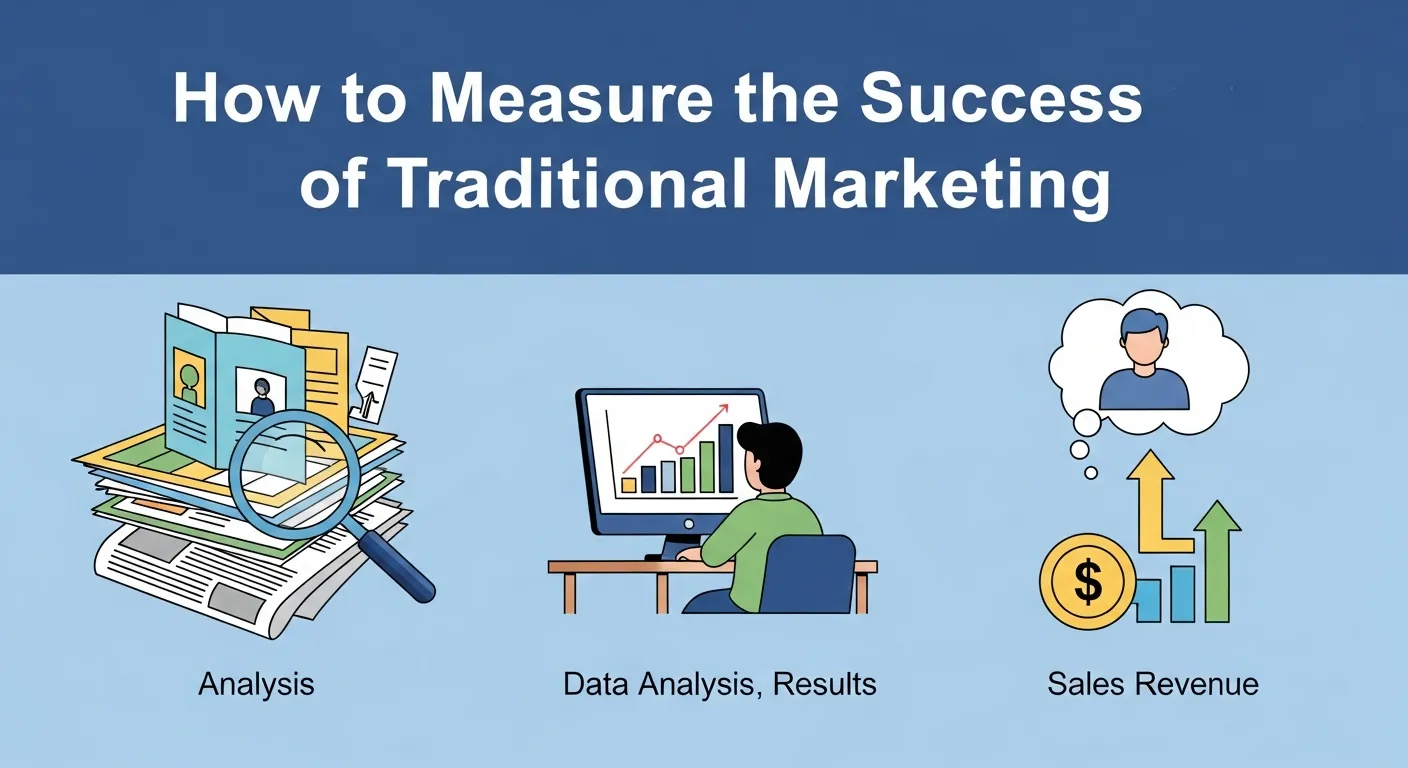
A common myth about traditional marketing is that its success can’t be effectively measured. While it’s true that digital marketing allows for near-instant, highly granular data tracking, traditional marketing still offers plenty of ways to gauge its effectiveness. With the right strategies, educational institutions can track the impact of offline tactics and adjust their campaigns accordingly.
Measurement Tips for Traditional Marketing:
1. Use Unique Contact Information:
One of the simplest ways to track the success of traditional marketing is by using unique phone numbers, email addresses, or URLs that are only advertised in print materials. This allows you to identify how many people are contacting your institution as a result of the print ad. For example:
- Unique Phone Numbers: You can assign different phone lines for different types of campaigns or events (e.g., one for direct mail campaigns, one for event promotions).
- Unique Email Addresses: Create a dedicated email address like “[email protected]” for inquiries related to a specific marketing piece (such as a brochure or flyer).
- Unique URLs: Consider using a unique, easy-to-remember web address or landing page URL that corresponds to a campaign. This helps track how much traffic comes specifically from traditional advertising.
2. Include Promo Codes or “Mention This Ad” Offers:
To measure response rates directly, include promo codes or “mention this ad” offers in your printed materials (like brochures, flyers, or posters). These special codes encourage potential students and parents to reach out, allowing you to track how many people engage with your campaign. Promo codes can also be linked to specific actions, such as registration, event sign-ups, or inquiries.
- Example: “Use code ‘JOIN2025’ to get a free campus tour when you register for our Open House.”
3. Train Staff to Ask: “How Did You Hear About Us?”
Encourage your staff, especially those handling inquiries, to ask every potential lead how they found out about the school. Whether it’s in-person, over the phone, or via email, asking this simple question can help you track which offline marketing methods (e.g., print ads, events, or radio) are generating the most interest.
- Example: After an initial inquiry or application, ask, “How did you first hear about our school?” This can help you directly correlate successful campaigns with new student enrollments.
3. Utilize QR Codes to Connect Offline to Online:
QR codes are a fantastic tool for bridging offline and online marketing. By including QR codes in printed materials like brochures, flyers, and posters, you make it easy for potential students and their families to access additional information or register for events online. Additionally, you can track the number of people who scan the code, giving you valuable data on campaign performance.
- Example: A flyer for an upcoming open house might include a QR code that leads directly to the registration page. By tracking how many people scan the code, you can evaluate how effective your flyer is.
4. Track ROI with CRM Tools or Spreadsheets:
Combining traditional marketing efforts with Customer Relationship Management (CRM) tools or even simple spreadsheets can help you track leads and analyze ROI (Return on Investment). After gathering the data from various tracking methods (unique numbers, QR codes, promo codes, etc.), you can measure which traditional marketing strategies are providing the most significant results, helping you allocate your budget more efficiently in future campaigns.
Integrating Traditional and Digital for Maximum Impact
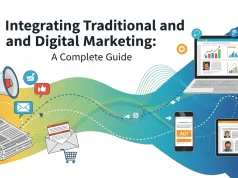
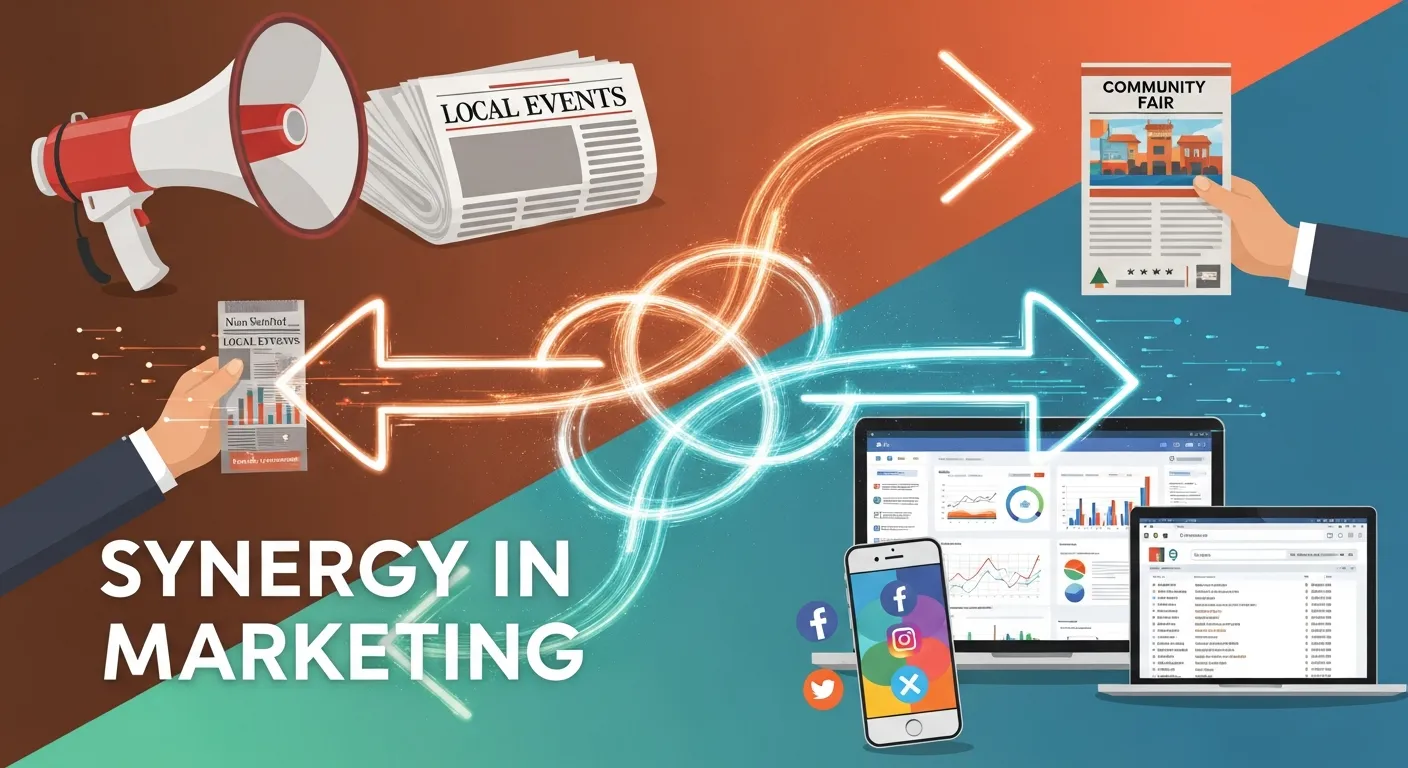
The true power of modern marketing comes when traditional and digital strategies work together in harmony. While traditional marketing methods are excellent for building brand awareness, credibility, and trust in your local community, digital channels allow for more precise targeting, follow-up, and real-time tracking. Combining the two approaches creates a holistic marketing strategy that strengthens your reach, builds trust, and maximizes conversions.
How to Create Synergy Between Traditional and Digital Marketing:
| Traditional Tactic | Digital Pairing |
|---|---|
| Brochures/Flyers | Include QR codes linking to a website or landing page with more details. This allows people to quickly access more information or register for events directly online. |
| Events/Seminars | Promote these events via social media, email newsletters, and even via paid online ads to expand your reach. Use digital platforms to remind attendees about the event and keep them engaged before and after it happens. |
| Newspaper Ads | After running a print ad in the local newspaper, you can follow up with targeted online ads, such as Google Display Ads, specifically retargeting those who viewed or interacted with your ad. This can increase engagement and drive conversions. |
| Direct Mail Campaigns | Follow up physical mail campaigns with digital reminders or alerts via SMS or WhatsApp, especially for time-sensitive events like application deadlines or scholarship opportunities. |
| Outdoor Banners | Include a website URL or app download link on banners, posters, and billboards so potential students can easily learn more or download your institution’s app for quick access to information. |
Why This Integration Works:
- Consistency Across Platforms: When people encounter your institution’s brand in multiple contexts, whether offline or online, it reinforces brand recognition. Seeing the same message across different touchpoints—through brochures, events, social media, and ads—helps create a stronger connection with potential students and their families.
- Better Tracking & Analytics: Digital platforms provide the tools to track performance with great precision. By pairing traditional tactics with digital tracking (like QR codes or promo codes), you can measure the effectiveness of your traditional marketing efforts and optimize them for better results.
- Reinforced Trust & Recall: Traditional marketing tactics are often seen as more personal and trustworthy, while digital marketing offers convenience and real-time interaction. By combining these strengths, your messaging is more likely to stick with your audience, increasing the likelihood of conversion.
- Maximized Reach: While traditional marketing helps establish local, community-based credibility, digital marketing allows you to scale efforts and engage with potential students beyond your immediate geographical area, expanding your reach.
Pro Tips for Integration:
- Use social media to promote offline events and create excitement beforehand. Encourage attendees to share their experiences on social platforms during or after the event.
- Add QR codes to flyers, posters, and event banners to make it easy for people to go directly to a registration page or a special landing page with more information.
- Include short links in print materials that direct people to a dedicated webpage or promotional content.
- Email reminders and text notifications are excellent for keeping potential students informed about upcoming deadlines or events. This also creates a digital touchpoint that reinforces the offline messaging.
By effectively integrating traditional and digital marketing strategies, educational institutions can create a seamless, multi-channel experience for potential students. This synergy ensures your institution stays top-of-mind and reaches a wide audience in the most efficient way possible. Traditional marketing builds the foundational trust and local presence, while digital tactics amplify and track those efforts, providing the best of both worlds.
Final Thoughts: A Modern Approach to Traditional Marketing
While digital tools are essential in today’s world, traditional marketing for educational institutions continues to play a vital role in building brand awareness, trust, and long-term relationships.
Educational decisions are deeply personal and community-oriented. Traditional tactics like brochures, seminars, and local sponsorships tap into that personal connection in ways digital can’t replicate alone.
So don’t toss out your print ads or event flyers just yet. Combine them with digital tracking, modern design, and strategic messaging—and you’ll have a balanced, powerful marketing engine that builds your institution’s credibility and fills your admissions pipeline.
Frequently Asked Questions – Traditional Marketing for Educational Institutions
1. Why is traditional marketing still important for educational institutions?
Traditional marketing builds trust, credibility, and personal connections with parents, students, and the local community—elements digital alone can’t fully replicate.
2. What are common traditional marketing methods for schools?
Brochures, prospectuses, outdoor banners, local newspaper ads, radio spots, direct mail, events, sponsorships, and transportation branding.
3. How do brochures and prospectuses help?
Printed materials are tangible, shareable, and professional, helping families compare institutions and make informed enrollment decisions.
4. Why is outdoor advertising effective?
Billboards, banners, and posters provide high visibility and repetition, reinforcing brand recall over time, especially near schools, neighborhoods, and bus stops.
5. How does word-of-mouth and alumni advocacy work?
Positive testimonials and alumni success stories create credibility and encourage referrals, making happy families your strongest brand ambassadors.
6. What role do local events and education fairs play?
Face-to-face interactions allow institutions to engage directly with students and parents, answer questions, and showcase programs in a personal, trust-building way.
7. Can direct mail still be effective?
Yes—invites to events, scholarship announcements, and new program launches in well-designed mailers can drive responses, especially when paired with QR codes or promo codes.
8. How can radio and FM advertising help?
Radio reaches busy parents during commute hours, promoting deadlines, events, or open houses, and offers affordable, repeated exposure.
9. What are the benefits of school bus or transportation branding?
Vehicles act as mobile billboards, providing consistent visibility, brand recognition, and exposure in high-traffic local areas.
10. Is telemarketing still useful?
Yes—respectful outbound calls can provide personalized guidance, answer questions, and follow up after events, building strong relationships with prospective families.
11. How do schools measure traditional marketing success?
Use unique contact info, promo codes, QR codes, staff inquiries, and CRM tools to track leads, responses, and ROI.
12. How can traditional and digital marketing be integrated?
Add QR codes to print materials, promote events online, retarget newspaper ad viewers with digital ads, and use email/SMS follow-ups. Integration increases reach, tracking, and engagement while reinforcing trust.