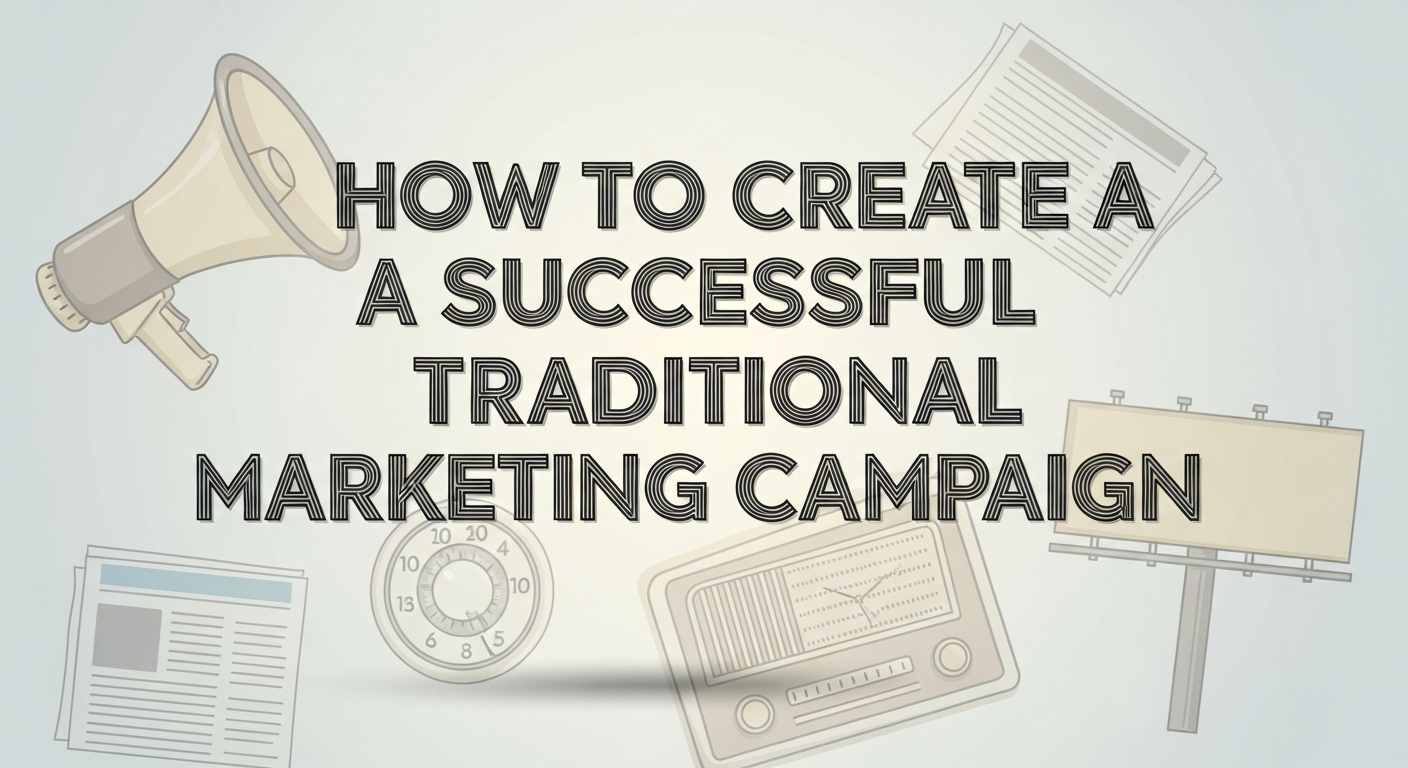
Learn how to create a successful traditional marketing campaign using proven strategies, clear messaging, audience targeting, and measurable tactics to build brand awareness and drive consistent business growth.
Even in a digital-first world, traditional marketing continues to hold its ground as a powerful tool for reaching and engaging audiences. From well-crafted television ads to eye-catching billboards, traditional marketing campaigns offer a proven way to connect with customers in tangible, memorable ways. But how do you ensure your campaign achieves its goals and stands out in a sea of advertisements?
This blog will guide you through the key steps to create a successful traditional marketing campaign. Whether you’re a small business owner or a seasoned marketer, you’ll learn actionable tips to make the most of your offline marketing efforts.
What is Traditional Marketing?
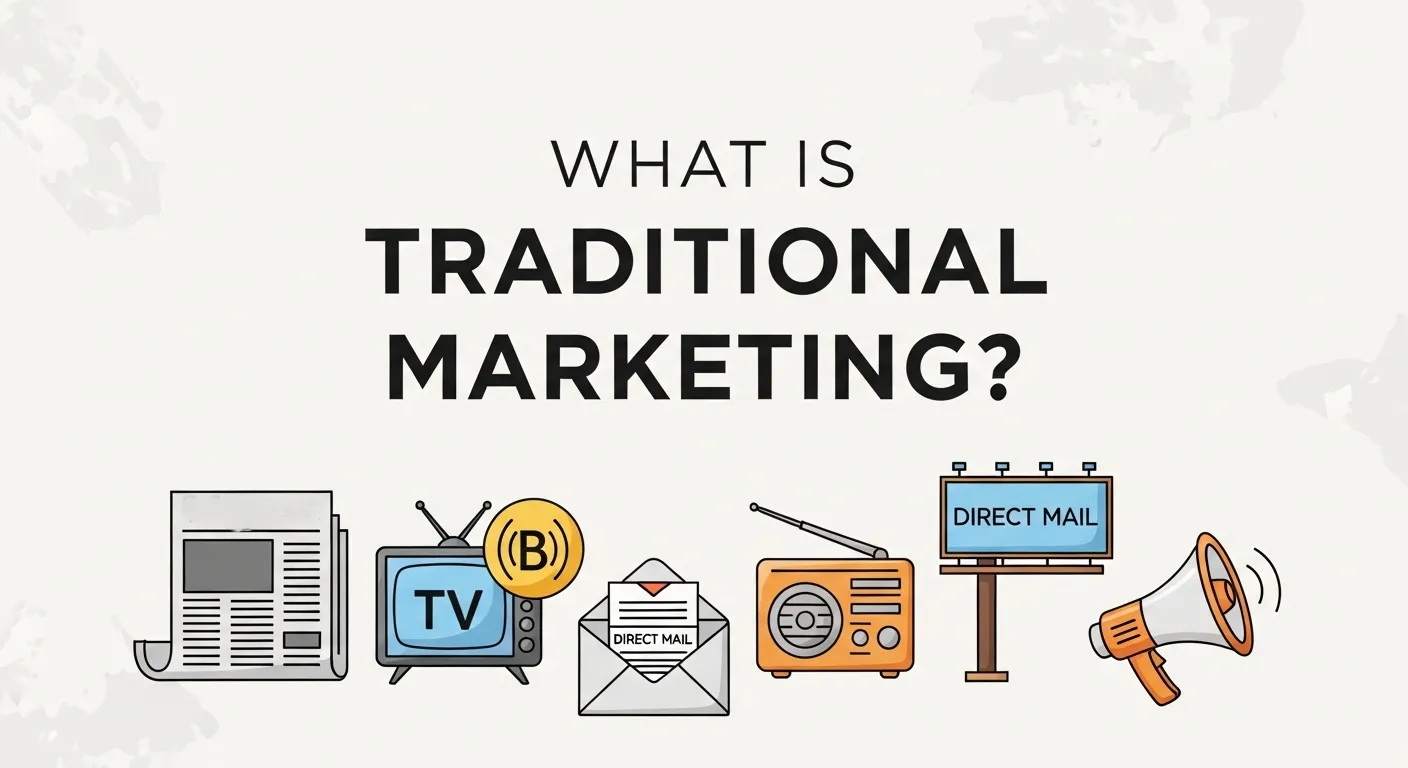
Traditional marketing refers to any promotional activity that doesn’t take place online. This includes channels such as television, radio, print (magazines and newspapers), outdoor advertising (billboards, posters), direct mail, and even events like trade shows.
Unlike digital marketing, where campaigns can be adjusted and tracked in real-time, traditional marketing often requires significant planning and upfront costs. However, its benefits, such as broad audience reach, emotional resonance, and tangible impact, make it a crucial component of any comprehensive marketing strategy.
Why Traditional Marketing Still Works
Traditional marketing mix might seem outdated compared to digital strategies, but it remains effective for several reasons:
- Wider Audience Reach: TV and radio ads, for instance, often reach demographics not actively engaged online.
- Tangible Impact: Physical ads like brochures or billboards can leave a lasting impression, as they exist in real-world spaces.
- Credibility: Established media, like print newspapers, lends credibility to your brand.
- Multi-sensory Appeal: Radio ads stimulate the auditory senses, while billboards and print cater to the visual, enhancing engagement.
The key is knowing how to craft a campaign that leverages these unique strengths effectively.
Steps to Create a Successful Traditional Marketing Campaign
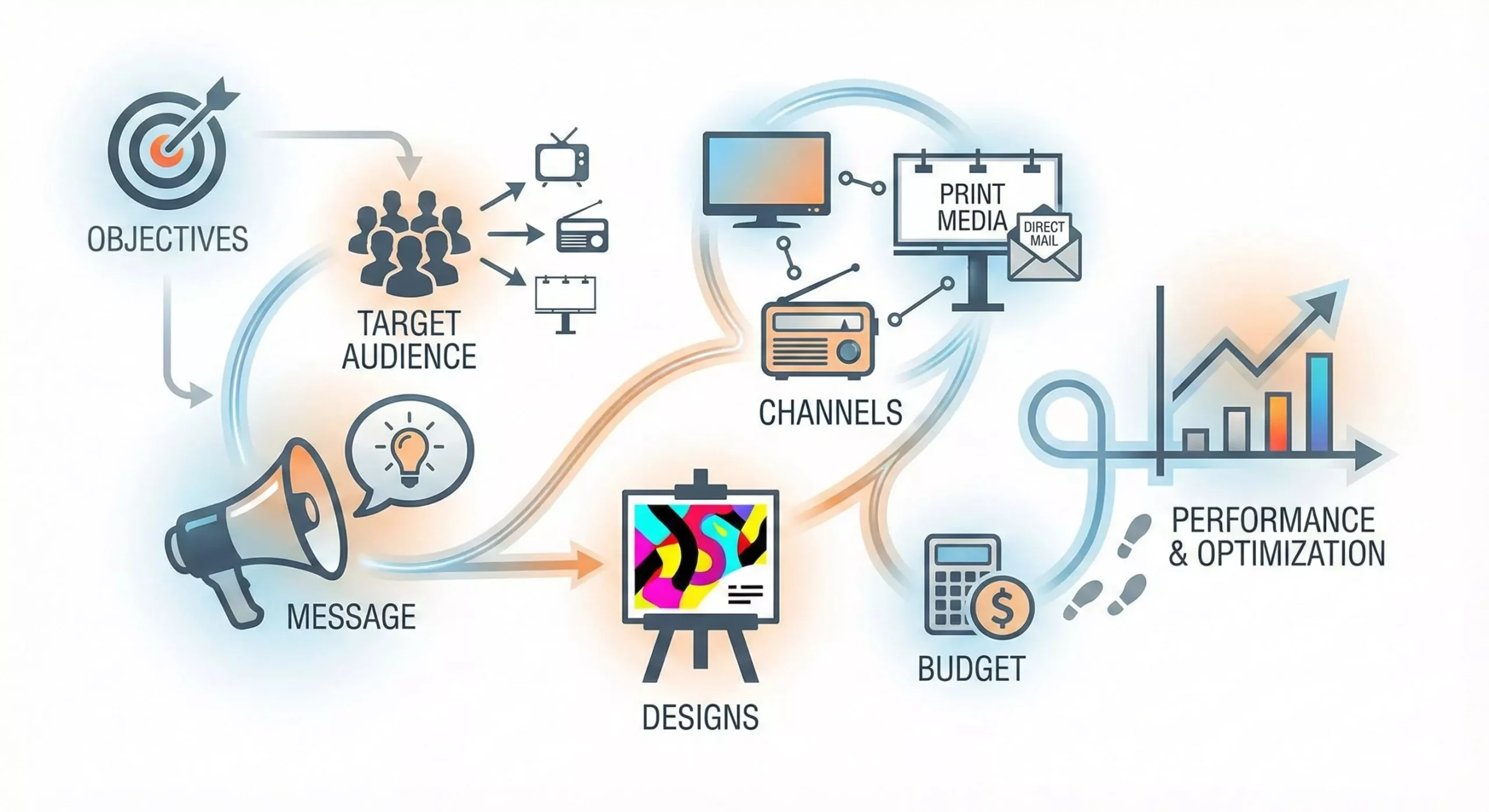
1. Define Clear Objectives
Start with the end in mind. Are you looking to increase brand awareness, generate leads, or boost sales? Knowing your campaign’s goal is essential for crafting your message and measuring success.
For example:
- Objective: Increase foot traffic to your new retail store.
- Metric: 20% more visitors during the opening week.
Pro tip: Use the SMART goal-setting framework (Specific, Measurable, Achievable, Relevant, Time-bound) to create clear and achievable objectives.
2. Understand Your Target Audience
Your campaign will only succeed if it resonates with the right audience. Research your target demographic to understand their habits, preferences, and media consumption patterns.
Key questions to address:
- What is their age group?
- Do they listen to the radio, read newspapers, or commute past billboards?
- What problems do they face that your product or service solves?
For instance, if your audience is commuters, an outdoor billboard on high-traffic routes can be a great option. On the other hand, if you’re targeting seniors, consider print ads in magazines they frequently read.
3. Develop a Compelling Message
Your campaign message should effectively communicate your value proposition while capturing the audience’s attention. Focus on creating a message that’s:
- Clear: Avoid jargon and get straight to the point.
- Emotionally Resonant: Appeal to the audience’s emotions, whether it’s nostalgia, excitement, or aspiration.
- Consistent: Ensure the message aligns with your overall brand voice and identity.
4. Choose the Right Channels
The effectiveness of a traditional marketing campaign often depends on selecting the right channels. Consider your audience and objectives when making this choice:
- Television: Ideal for high-budget campaigns targeting a mass audience.
- Radio: Great for reaching commuters and creating a memorable auditory experience.
- Print: Effective for hyper-local targeting or niche markets.
- Outdoor (Billboards, Transit Ads): Perfect for high-traffic, urban areas.
- Direct Mail: Best for personalizing offers and creating a tangible connection.
For example, a local restaurant launching a summer promotion might use a mix of radio ads and outdoor billboards to drive traffic.
5. Create Eye-Catching Designs
The visual and auditory appeal of your campaign is critical. A poorly designed ad won’t grab attention, much less convey your message. Here are some tips:
- Use bold, high-contrast colors in visuals to grab attention.
- Limit text to make the message easily digestible at first glance (especially for billboards).
- Incorporate striking images or graphics to reinforce your message.
6. Allocate a Realistic Budget
Traditional marketing campaigns often require significant upfront investment. Whether you’re securing a prime-time TV slot or renting a billboard, costs can add up.
Break down your budget:
- Advertising placement costs (e.g., TV stations, billboard rental fees).
- Creative development (hiring designers, writers, or agencies).
- Printing or production costs (e.g., flyers, brochures).
Pro tip(s):
Track your spending carefully to ensure you’re staying on target. Use spreadsheets or budget-management software to avoid overspending.
7. Traditional Marketing Campaign: Key Elements for Success
A Traditional Marketing campaign focuses on offline channels to promote products or services to a targeted audience. When planned strategically, Traditional Marketing helps build brand credibility, reach local customers, and create long-term brand recall. To create a successful campaign, businesses must align goals, messaging, and execution with proven Traditional Marketing strategies and tactics.
Core Components of a Successful Traditional Marketing Campaign
To ensure effectiveness, every Traditional Marketing campaign should include the following key components:
- Clear Campaign Objective
Define whether the goal is brand awareness, lead generation, or sales growth. - Target Audience Identification
Understand demographics such as age, location, income level, and buying behavior. - Strong Message & Branding
Keep the message simple, memorable, and consistent across all marketing materials. - Right Marketing Channels
Select offline channels like print media, radio, TV, or outdoor ads based on audience reach. - Budget Planning
Allocate budget wisely across different Traditional Marketing tactics. - Performance Tracking
Measure results using sales data, call tracking, coupon redemptions, or surveys.
Popular Traditional Marketing Strategies and Tactics
Below is a clear comparison of Traditional Marketing strategies and the tactics used to implement them:
| Traditional Marketing Strategy | Common Traditional Marketing Tactics |
|---|---|
| Print Advertising | Newspaper ads, magazine ads, brochures |
| Broadcast Marketing | TV commercials, radio advertisements |
| Outdoor Advertising | Billboards, posters, transit ads |
| Direct Marketing | Flyers, postcards, direct mail |
| Event & Community Marketing | Trade shows, sponsorships, local events |
This table helps businesses understand how strategies translate into actionable Traditional Marketing tactics.
Why Traditional Marketing Still Matters
Even in the digital age, Traditional Marketing remains powerful because it:
- Builds trust and credibility
- Reaches local and offline audiences
- Creates high brand recall through physical visibility
- Complements digital marketing for an integrated approach
When executed correctly, a Traditional Marketing campaign can deliver long-lasting impact and measurable business growth.
8. Test Your Campaign Before Launch
Testing your traditional marketing campaign before the full launch can save you from costly mistakes and help you refine your strategy. Even though traditional marketing often involves more upfront costs, testing allows you to fine-tune your messaging, design, and channel choices based on real-world feedback.
How to Test Your Campaign Effectively:
- A/B Testing:
A/B testing is a great way to compare different elements of your campaign. For example, if you’re running print ads, you can create two versions of the same ad with different headlines or visuals. Measure which one generates more engagement or response. For a TV ad, you could test variations of the script or visuals. This process can help you identify which creative elements perform best with your target audience.
Pro Tip: Don’t just test the visuals or wording — experiment with different calls to action (CTAs), as the wording of your CTA can significantly affect consumer behavior.
- Focus Groups:
Conducting focus groups with people who fit your target demographic allows you to get direct feedback on your campaign. You can ask them how the ad made them feel, whether the message was clear, or if the design caught their attention. Focus groups can provide valuable insights into how your audience perceives your brand, even before launching your campaign. - Pro Tip: Keep the group small (about 6-10 people) for more in-depth responses, and ask open-ended questions to get detailed feedback. Ensure that the participants represent the diversity of your audience.
- Small-Scale Launch:
If possible, run a limited version of your campaign before going nationwide or globally. This could be as simple as placing a few billboards in high-traffic areas or airing your TV ad in select regions. By doing this, you can monitor responses and measure key metrics like foot traffic, inquiries, or conversions.
Pro Tip: Make sure to track the results meticulously. Compare sales, website traffic, or other key performance indicators (KPIs) in the test region to understand how well the campaign performs.
Why Testing Is Crucial:
Testing helps you avoid the risk of launching a campaign that doesn’t resonate with your audience. With traditional marketing’s higher costs and longer timelines, ensuring you’re on the right track before investing heavily can make all the difference in your campaign’s success.
9. Build a Consistent Brand Presence
In the world of traditional marketing, consistency is key to ensuring that your brand becomes easily recognizable and memorable to your audience. When a brand maintains uniformity across all platforms and marketing channels, it builds trust and strengthens consumer relationships.
Key Considerations for Maintaining Consistency:
- Brand Voice and Messaging:
Your brand’s voice should remain consistent across all ads, whether it’s a television commercial or a print ad. This means the tone, language, and style should reflect the brand’s core identity. A luxury brand may use formal and aspirational language, while a youthful, fun brand might have a more playful and approachable tone. - Pro Tip: Ensure that your messaging aligns with your company’s core values and resonates emotionally with your audience. Your campaign message should be authentic and reflect what your brand stands for, whether it’s trust, innovation, or community.
- Design and Logo Usage:
Your visual identity plays a big role in creating consistency. Make sure that your logo is always clearly visible and that the colors, fonts, and images used in your campaign align with your brand’s guidelines. For instance, if your brand’s color is red and you use blue in a billboard, this may confuse the audience and diminish your brand’s impact. - Pro Tip: Create a style guide for your campaign, ensuring that your logo, fonts, color palette, and other visual elements remain consistent across all marketing materials. This will help maintain brand cohesion across platforms.
- Frequency of Exposure:
Consistency also means exposing your brand to your audience frequently enough to build familiarity. A single billboard or radio ad is not enough to leave a lasting impression. Ensure that your audience sees or hears your message multiple times throughout the campaign.
Pro Tip: The “Rule of Seven” in marketing suggests that a potential customer needs to be exposed to a brand or message at least seven times before they take action. Keep this in mind when planning the frequency of your ads.
Why Consistency is Important:
Building a consistent brand presence across traditional marketing channels ensures your audience knows what to expect and associates your brand with certain emotions, values, or promises. This leads to higher trust, loyalty, and recognition, which in turn drives better engagement and customer conversion rates.
10. Leverage Seasonal or Cultural Events
Aligning your campaign with seasonal events or culturally significant moments can greatly enhance its relevance and engagement. People are naturally more receptive to marketing that resonates with what’s happening in their lives, whether it’s a major holiday or a local festival. By tapping into the collective mood of your audience, you can create a campaign that feels timely and connected to their current experiences.
Opportunities for Timing Your Campaign:
- Holidays:
Big holidays like Christmas, Thanksgiving, and Valentine’s Day present prime opportunities for launching traditional marketing campaigns. Holiday-themed campaigns often evoke emotional responses and can be a great way to connect with people. For example, a restaurant might offer a special Valentine’s Day menu and promote it through TV commercials or radio spots. - Pro Tip: Customize your messaging to fit the holiday spirit. Incorporate holiday symbols, colors, and themes to make your campaign feel more authentic and aligned with the time of year.
- Local Events and Festivals:
If your business operates in a specific region, local events such as community fairs, trade shows, or sporting events can provide a goldmine for targeted marketing. For example, if you run a retail store in a city with an annual music festival, consider advertising on billboards near the festival grounds or sponsoring a local event. - Pro Tip: Use geotargeting to amplify your campaign for local events. Customize your outdoor ads or direct mail for specific neighborhoods or event venues to reach the right audience at the right time.
- Seasonal Changes:
Marketing campaigns that align with the seasons—spring, summer, fall, and winter—allow you to highlight relevant products and services. For example, a clothing store could promote its new fall collection through billboards and print ads just as the weather starts to turn colder. Similarly, a gym might run a New Year’s resolution campaign in January to tap into people’s fitness goals.
Pro Tip: Think about what products or services your audience needs or wants during each season and create messaging that speaks directly to those seasonal needs.
Why Timing Matters:
Campaigns aligned with seasonal or cultural events feel timely, relevant, and engaging. By aligning your marketing efforts with specific moments in time, you increase the chances that your audience will notice, remember, and act on your messaging.
Tips for Maximizing the Impact of Your Campaign
- Combine traditional and digital strategies. For example, include a QR code on a print flyer to drive customers to your website or app.
- Partner with local influencers or community leaders to amplify your message.
- Keep refining your campaigns based on feedback and results.
Drive Better Results with Thoughtful Traditional Marketing

A well-executed traditional marketing campaign can still make a remarkable impact, even in our digital-heavy age. By defining clear objectives, understanding your audience, and carefully planning every element of your campaign, you’ll set yourself up for success.
Remember, it’s not about pitting traditional marketing against digital marketing but rather finding the synergy between the two. Curious about combining these strategies? Check out our resources on integrated marketing for more tips and insights.
Frequently Asked Questions (FAQ)
1. What is Traditional Marketing?
Traditional Marketing refers to offline promotional activities such as TV, radio, newspapers, billboards, flyers, and direct mail used to reach a broad audience.
2. What makes a Traditional Marketing campaign successful?
A successful Traditional Marketing campaign has clear goals, the right audience targeting, consistent messaging, and well-chosen marketing channels.
3. Why should businesses still invest in Traditional Marketing?
Traditional Marketing builds brand trust, increases local visibility, and effectively reaches audiences who are less active on digital platforms.
4. What are the most effective Traditional Marketing strategies?
Effective Traditional Marketing strategies include print advertising, broadcast media, outdoor advertising, event marketing, and direct mail campaigns.
5. How do Traditional Marketing tactics differ from strategies?
Traditional Marketing strategies define the overall plan, while Traditional Marketing tactics are the specific actions, such as running newspaper ads or placing billboards.
6. How do I choose the right Traditional Marketing tactics?
Choose tactics based on your target audience, budget, geographic reach, and campaign objectives to ensure maximum impact.
7. Is Traditional Marketing suitable for small businesses?
Yes, small businesses can use cost-effective Traditional Marketing tactics like flyers, local newspapers, posters, and community events.
8. How can I measure the performance of a Traditional Marketing campaign?
Performance can be measured through sales growth, phone inquiries, coupon codes, foot traffic, surveys, and brand recall studies.
9. Can Traditional Marketing work alongside digital marketing?
Absolutely. Combining Traditional Marketing with digital channels creates an integrated approach that improves reach and customer engagement.
10. What mistakes should be avoided in Traditional Marketing campaigns?
Avoid unclear messaging, poor audience targeting, inconsistent branding, lack of tracking, and choosing ineffective marketing channels.