In today’s digital landscape, capturing audience attention requires more than conventional advertisements and static content. Enter immersive trend marketing, a powerful approach that leverages Augmented Reality (AR) and Virtual Reality (VR) to forge deep connections between brands and consumers. By blending physical surroundings with digital layers or transporting users into fully virtual realms, companies can deliver experiences that resonate on emotional and experiential levels. This year (2026), as technology adoption accelerates and consumer expectations evolve, integrating AR and VR into your marketing mix is no longer optional—it’s essential for brands aiming to stand out.
Throughout this article, we will delve into the foundations of immersive trend marketing and outline actionable strategies for implementing AR and VR initiatives. We’ll explore the unique benefits these technologies offer, compare their core capabilities, and share best practices for crafting compelling campaigns. Drawing on insights from leading research institutions, including Pew Research Center and the Massachusetts Institute of Technology, this guide will help you set clear objectives, measure impact, and overcome common hurdles. Whether you’re a seasoned marketer or just beginning to experiment with immersive content, you’ll find practical advice to elevate your brand engagement in today’s experience-driven marketplace.
Section 1: Defining Immersive Trend Marketing
Immersive trend marketing represents a shift from passive consumption to active participation, inviting audiences to engage with branded content in interactive, memorable ways. Unlike traditional channels—where consumers watch, read, or scroll—immersive experiences blend digital elements with real-world environments (AR) or create entirely virtual settings (VR). This participatory dynamic deepens emotional connection, drives longer engagement times, and fosters positive brand recall.
At its core, immersive trend marketing aligns with broader trends toward personalization and experiential commerce. Consumers today crave novel interactions that break through the clutter of standard ads. By tapping into technologies once reserved for gaming and simulation, brands can craft marketing activations that allow users to visualize products in real contexts, explore 360-degree environments, and even co-create content. Whether launching an AR filter on social media, hosting a VR product demo, or designing location-based experiences, the goal is to spark curiosity and spark genuine connections.
Successful immersive trend marketing campaigns begin with a deep understanding of target audiences, their preferences, and the contexts in which they interact with brands. By mapping customer journeys and identifying high-impact touchpoints, marketers can determine whether AR or VR (or a hybrid mixed-reality approach) is best suited for their objectives. This strategic alignment ensures that technology enhancements serve storytelling goals rather than overshadowing the brand message.
As adoption of smartphones, AR-capable devices, and VR headsets grows, marketers have unprecedented opportunities to experiment with immersive formats. However, they must also navigate technical constraints, hardware accessibility, and user comfort. Later sections will outline how to select appropriate platforms, optimize user experience, and integrate immersive assets seamlessly into omnichannel strategies.
Section 2: Core Benefits of AR and VR for Brand Engagement
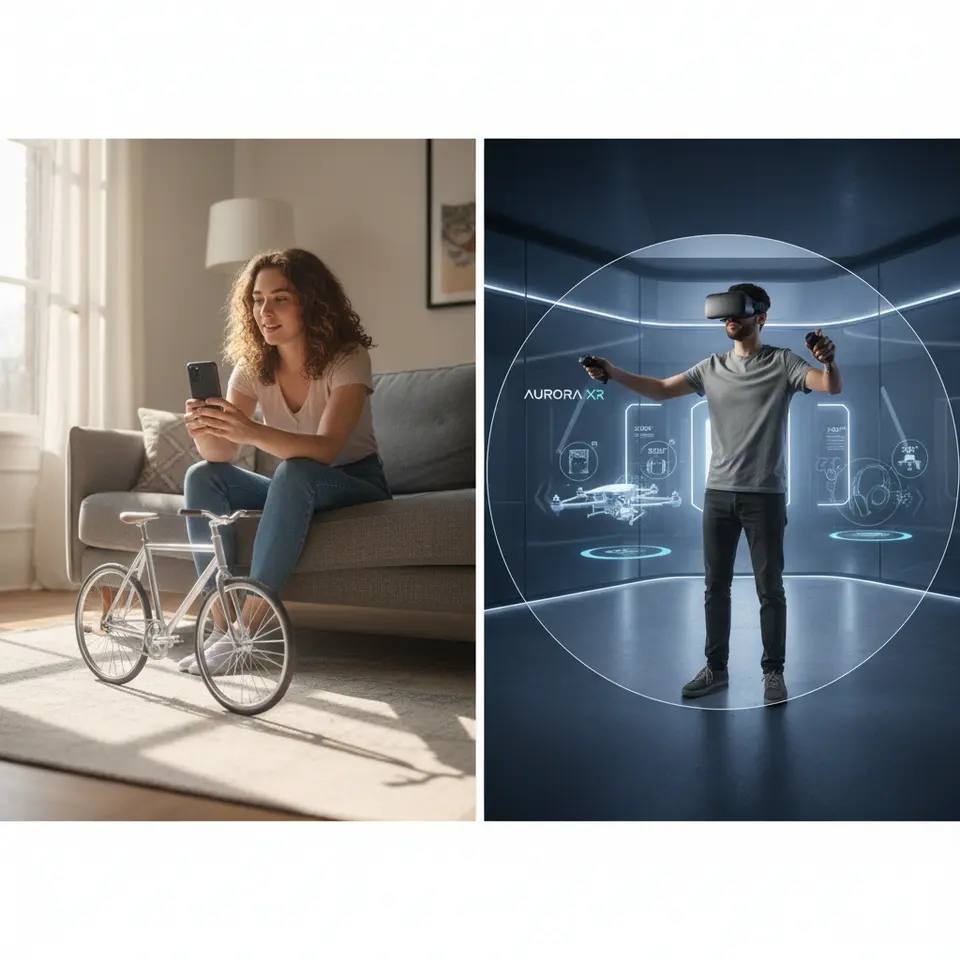
Immersive trend marketing offers distinct advantages that can amplify brand engagement and drive business outcomes. The following benefits showcase why AR and VR are increasingly central to modern marketing strategies.
1. Enhanced Customer Engagement
Static ads and banner campaigns struggle to maintain attention spans. In contrast, immersive experiences captivate users by placing them at the center of the story. Whether testing furniture placement via an AR app or exploring a branded VR environment, interactive content encourages active participation, boosting session durations and reinforcing brand messages.
2. Stronger Emotional Connections
Emotions play a pivotal role in decision-making. AR and VR activate senses and evoke feelings more powerfully than conventional media. A user who virtually “tries on” a product, explores a brand’s heritage or navigates a simulation is more likely to form positive associations and advocate for the brand.
3. Personalized Experiences
Today’s consumers demand tailored interactions. AR allows real-time customization—such as altering product colors or testing features in personal spaces—while VR can adapt narrative paths based on user choices. This degree of personalization creates a sense of ownership, making each experience unique.
4. Data-Driven Insights
Immersive activations generate rich user data, from interaction heatmaps to behavior flows. By analyzing these metrics, marketers can refine campaigns, optimize content placement, and identify high-performing features. According to research by Pew Research Center, interactive content yields significantly higher recall rates compared to passive media.
5. Competitive Differentiation
Implementing cutting-edge AR and VR experiences positions brands as innovators. In crowded markets, early adopters of immersive trend marketing can capture media attention, drive word-of-mouth referrals, and strengthen brand perception.
Section 3: Key Technologies: Augmented Reality vs Virtual Reality
Navigating the immersive landscape requires understanding the distinct features and use cases of AR and VR. While both deliver engaging experiences, they differ in hardware requirements, technical complexity, and user expectations.
Augmented Reality (AR)
AR overlays digital assets—such as 3D models, animations, or data visualizations—onto the physical world using smartphones, tablets, or AR glasses. Its accessibility makes it ideal for broad consumer campaigns. Common applications include:
- Social media filters that let users add branded effects to photos and videos.
- In-store navigation tools that guide shoppers to products or promotions.
- Interactive product demonstrations that allow customers to preview items in their own environment.
AR experiences can be delivered through web-based AR (no app download required) or dedicated mobile applications. Low barrier to entry and broad device compatibility make AR a go-to choice for many marketers.
Virtual Reality (VR)
VR transports users into entirely synthetic worlds via head-mounted displays such as Oculus Quest or HTC Vive. These immersive environments support rich storytelling, 360-degree exploration, and fully interactive scenarios. Use cases include:
- Virtual showrooms and product tours that offer in-depth brand experiences.
- Training simulations for complex tasks or safety procedures.
- Sponsored VR games and branded entertainment content.
Although VR offers unparalleled immersion, it typically demands more substantial hardware investments and can limit audience reach. However, for high-impact activations and niche audiences, VR remains a compelling option.
Section 4: Crafting Effective AR and VR Campaigns
To harness the full potential of immersive trend marketing, brands must adopt a structured approach. The following best practices will guide you from planning through execution.
1. Set Clear Objectives
Start by defining precise goals: boosting brand awareness, generating leads, educating customers, or driving sales. Objectives inform your choice between AR and VR, determine success metrics, and align teams around common outcomes.
2. Know Your Audience
Conduct audience research to understand device preferences, content consumption habits, and technical comfort levels. Younger demographics may embrace AR on social platforms, while enterprise clients might value VR simulations for product training.
3. Select the Right Platform
Evaluate whether a web-based AR solution or a native mobile app best suits your campaign. For VR, consider standalone headsets versus tethered systems. Platform decisions should balance reach, performance, and development complexity.
4. Design Intuitive Experiences
Collaborate with UX designers and 3D artists to create seamless interfaces. Keep navigation simple, offer clear instructions, and avoid overwhelming users with cluttered visuals. Regularly user-test prototypes to gather feedback and refine interactions.
5. Ensure Accessibility and Inclusivity
Provide alternatives for users without AR/VR hardware, such as 360° videos or interactive web previews. Incorporate captions, adjustable controls, and compatibility with assistive technologies to broaden reach.
6. Integrate Across Channels
Promote your immersive experiences through email newsletters, social media campaigns, in-store displays, and events. A coherent omnichannel strategy maximizes visibility and drives traffic to your AR or VR activation.
7. Pilot, Learn, and Scale
Begin with a small-scale pilot to validate assumptions, test performance across devices, and fine-tune content. Leverage insights to optimize the experience before rolling out a full-scale launch.
Section 5: Measuring Success and Overcoming Challenges
Effective measurement and proactive problem-solving are critical to demonstrating ROI and sustaining immersive trend marketing efforts.
Key Performance Indicators (KPIs)
Track metrics such as session duration, interaction rates, content completion, and click-throughs. Monitor downstream actions—newsletter sign-ups, demo requests, or purchases—to attribute conversions to your AR/VR campaign.
ROI Calculation
Integrate unique promo codes, trackable links, or pixels within immersive content to quantify revenue impact. Compare development and activation costs against incremental sales and engagement to assess profitability.
Technical and Adoption Hurdles
Common challenges include device compatibility issues, latency, and user reluctance to adopt new hardware. Mitigate these risks by optimizing performance for lower-end devices, offering detailed tutorials, and providing incentives—such as exclusive content or discounts—to encourage trial.
Content Maintenance
Immersive assets require ongoing updates to remain relevant. Plan for maintenance cycles, versioning, and compatibility checks when new operating system updates or hardware revisions are released.
Privacy and Security
Collect user data responsibly. Clearly communicate data usage policies and secure personal information to build trust and comply with regulations. Adhering to best practices in data handling safeguards both your brand and your audience.
FAQ
Q: What is immersive trend marketing?
Immersive trend marketing is an approach that uses AR and VR technologies to create interactive, engaging experiences that go beyond traditional media, allowing users to participate actively and form deeper connections with brands.
Q: How do I choose between AR and VR for my campaign?
Consider your objectives, audience preferences, and budget. Use AR for broad-reach, accessible experiences on smartphones, and VR for fully immersive, high-impact activations where deeper storytelling and environment control are paramount.
Q: What metrics should I track for immersive marketing success?
Key metrics include session duration, interaction rates, completion rates, and conversion actions such as sign-ups or purchases. Combining these with qualitative feedback from user testing offers a comprehensive view of performance.
Conclusion
Immersive trend marketing harnesses the transformative power of AR and VR to create engaging, emotion-driven brand experiences. In today’s experience-focused environment, these technologies offer unparalleled opportunities to connect with consumers, differentiate your brand, and drive meaningful business outcomes. By defining clear objectives, choosing appropriate platforms, designing intuitive content, and measuring impact rigorously, marketers can overcome technical and adoption challenges and deliver campaigns that resonate. As immersive experiences become more accessible and widespread this year (2026), integrating them strategically into your marketing mix will solidify your position as an innovator and captivate audiences in ways that traditional media simply cannot match.