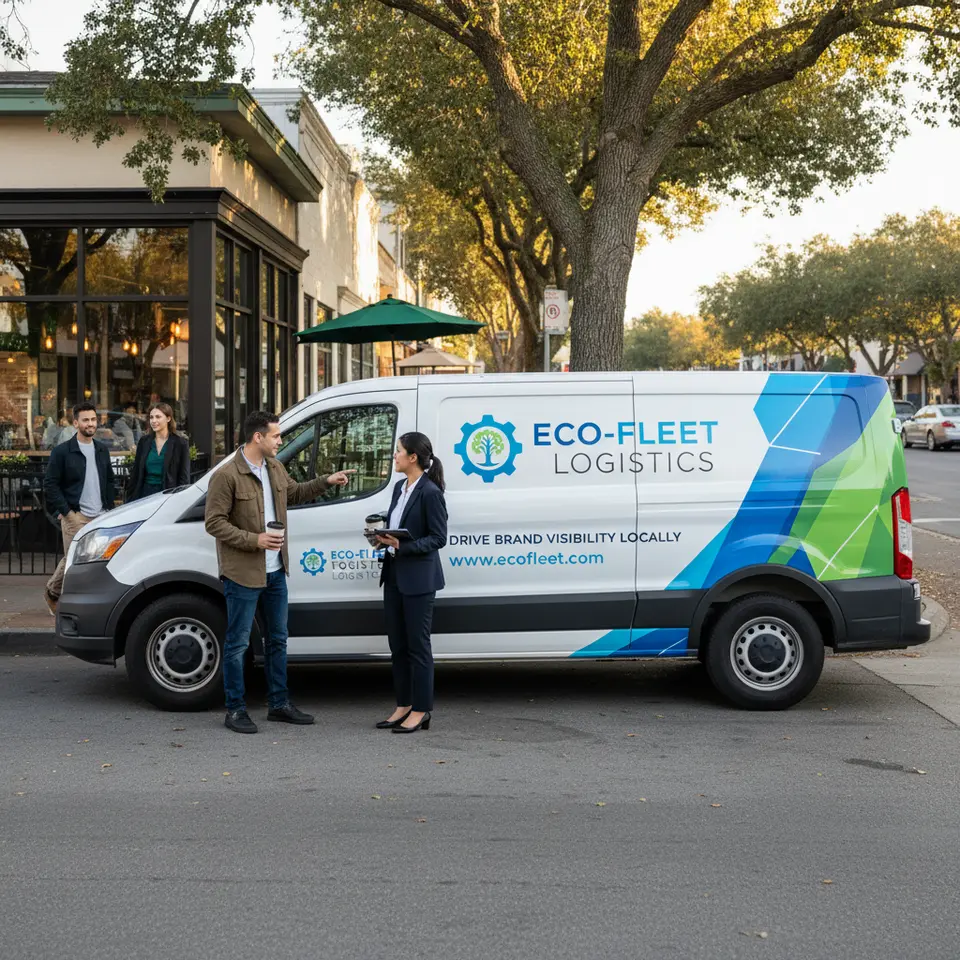
Today in today’s digital landscape, companies are continually seeking innovative strategies to capture consumer attention and build lasting brand affinity. Among a variety of advertising channels, vehicle wrap marketing has emerged as a high-impact, cost-efficient option that merges the mobility of a fleet with the visual power of a billboard. By wrapping cars, vans, and trucks in eye-catching graphics—ranging from full-body designs to partial accents—businesses can broadcast their message across town, reinforce brand recognition, and reach diverse audiences without the recurring fees associated with traditional outdoor displays. This year (2026), as local markets become increasingly crowded, vehicle wrap marketing stands out for its ability to deliver targeted impressions while offering a tangible asset that continues to advertise long after the initial investment.
Beyond its mobility, vehicle wrap marketing integrates seamlessly with omnichannel campaigns. When paired with QR codes or NFC tags, wraps can guide onlookers directly to your website or social media profiles, bridging the gap between offline interactions and online engagement. Moreover, a professionally designed wrap elevates a brand’s credibility—projecting an image of reliability and creativity. In the following sections, we will delve into the fundamentals of vehicular advertising, outline its key advantages, present best practices for designing high-impact wraps, explore budgeting and financing options, and detail how to accurately measure return on investment. Armed with these insights, marketers can leverage vehicle wrap marketing as a core element of their strategy to drive brand awareness and foster customer loyalty.
What Is Vehicle Wrap Marketing?
Evolution and Core Principles
Vehicle wrap marketing refers to the process of applying large-scale, digitally printed vinyl graphics to a vehicle’s exterior, converting it into a mobile canvas for advertising. This concept dates back to the early 1990s when improved vinyl technology made it feasible to adhere durable graphics to varying surfaces without damaging factory paint. Today’s wraps utilize high-quality materials from industry leaders like 3M and Avery Dennison, ensuring resilience against UV exposure, weather, and daily wear.
Types of Wraps
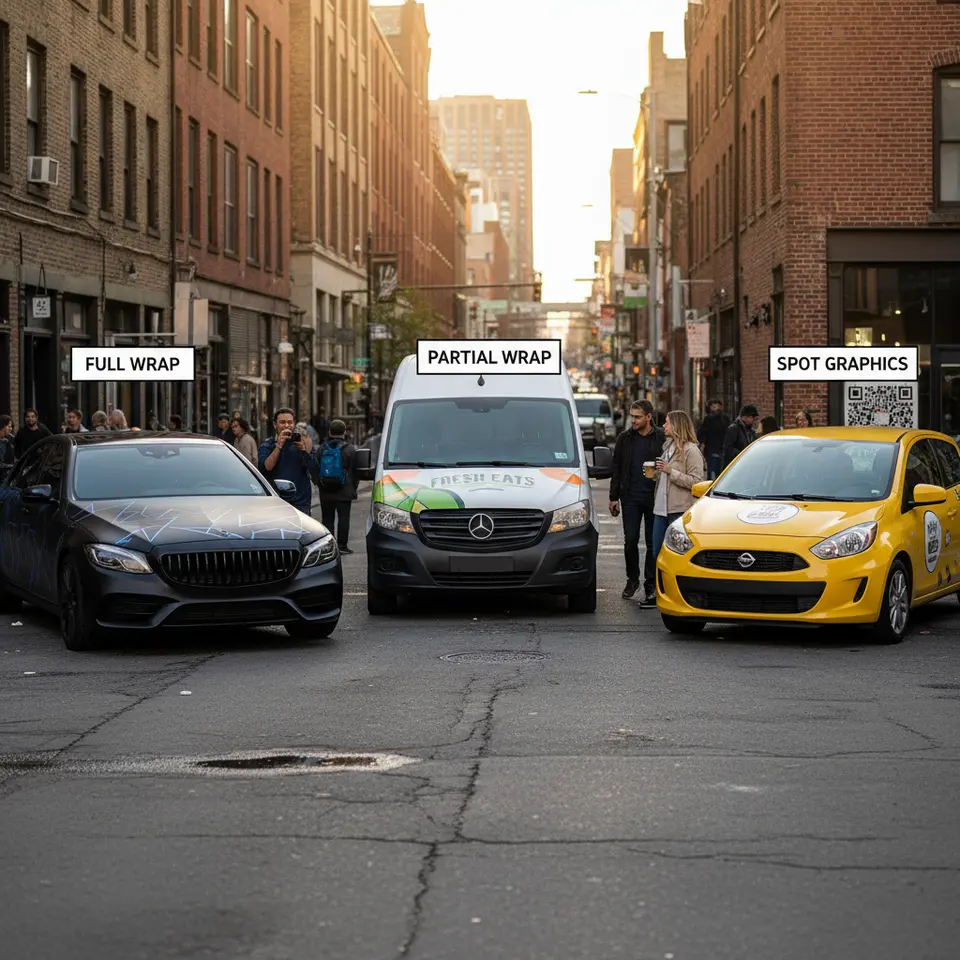
There are three main categories of vehicle wraps: full wraps, partial wraps, and spot graphics. Full wraps cover every inch of the vehicle, including bumpers and mirrors, offering maximum design freedom. Partial wraps target specific areas—typically the hood, doors, or rear panels—and can cost 20% to 40% less than a full wrap. Spot graphics function like decals, highlighting logos or promotional messages on designated sections. Choosing the right type hinges on budget, campaign objectives, and desired visual impact.
Materials and Finishes
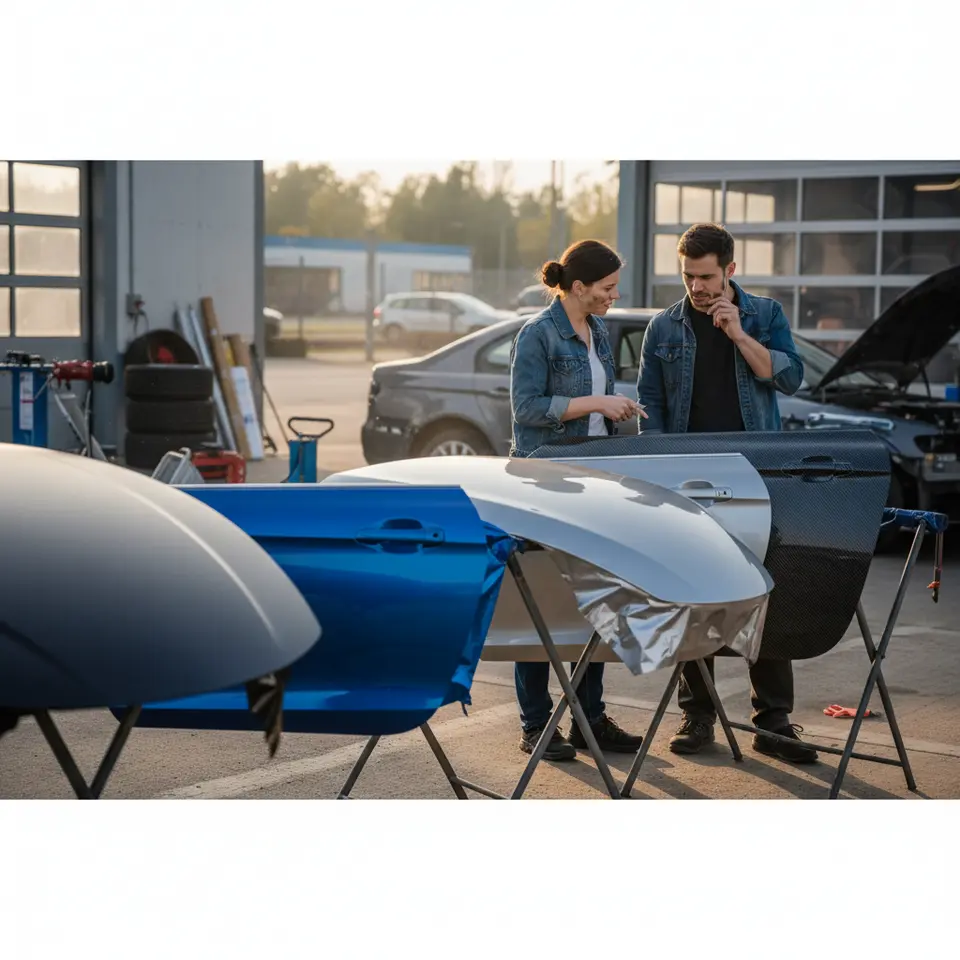
Modern vinyl films come in a variety of textures and finishes—matte, gloss, satin, and even specialized textures like brushed metal or carbon fiber. Each finish alters light reflection and can reinforce brand personality; for instance, a matte black wrap suggests sophistication, while a high-gloss finish conveys energy and vibrancy. Adhesive-backed laminates protect prints from scratches and fading, extending wrap lifespans up to seven years when maintained properly.
Regulatory Considerations
Before initiating any wrap project, verify local regulations pertaining to vehicle signage. Some jurisdictions restrict the size or placement of ads on vehicles for safety reasons. In certain cases, permits may be required for commercial vehicle graphics, particularly if the design obstructs windows or mirrors. Consult municipal transportation or planning departments—and reference guidelines available through government portals like Federal Highway Administration—to ensure compliance and avoid fines.
Installation Process and Timeline
Understanding the wrap installation timeline ensures your campaign launches on schedule. Most partial wraps take 1–2 days, while full-body wraps require 2–4 days depending on vehicle complexity. The installer begins by thoroughly cleaning the vehicle, removing hardware such as door handles or trim if necessary, and applying the vinyl film in sections. Post-installation, a curing period of 24 to 48 hours is recommended before washing or exposing the vehicle to extreme conditions. Coordinate installation slots well in advance, particularly during peak seasons when demand peaks.
Key Advantages of Vehicle Wrap Advertising
Unparalleled Reach and Frequency
One wrapped vehicle can generate an estimated 30,000 to 70,000 daily impressions, translating into up to 25 million impressions per year per vehicle. This level of exposure is hard to replicate through static billboards or periodic digital ads, especially within localized markets. By plotting routes through high-traffic corridors—such as business districts, shopping centers, and event venues—brands capture repeated attention, embedding themselves in consumers’ memory over days and weeks.
Cost-Effective Long-Term Investment
The upfront cost of designing and installing a vehicle wrap may range from $1,500 for a spot graphic to $5,000 for a fully wrapped van. However, given its multi-year lifespan, the effective cost per impression often falls under one cent. Traditional advertising methods like radio or TV spots require ongoing budgets, while vehicle wraps function as a one-time purchase that continues to advertise around the clock, offering superior ROI and predictable visibility.
Strategic Local Targeting
Unlike digital display ads that cast a wide net, vehicle wraps enable pinpoint targeting at the neighborhood level. For example, a landscaper might drive along affluent suburban streets, while a food truck wrap emphasizes lunch-hour routes near corporate campuses. This level of geographic specificity ensures your message meets the right audience in the right context—boosting relevance and propelling foot traffic or service inquiries.
Competitive Differentiation and Brand Perception
In markets saturated with generic advertising, a sleekly wrapped vehicle commands attention and sets your brand apart. A uniform fleet wrap reinforces brand identity across multiple touchpoints, boosting recall and elevating perceived professionalism. Prospects equate well-executed visuals with reliability—making them more likely to choose your services or products over competitors.
Environmental and Community Impact
For eco-conscious brands, vinyl wraps offer a sustainable alternative to permanently painted signage. High-quality, removable wraps avoid solvent-based paint and can be recycled or repurposed at end of life. As companies demonstrate commitment to greener practices, wraps signal an intersection of innovation and responsibility—resonating with communities that value environmental stewardship.
Brand Equity and Competitive Benchmarking
Vehicle wraps boost brand equity by consistently reinforcing visual identity across multiple markets. Surveys indicate that consumers are more likely to perceive wrapped vehicles as innovative and trustworthy, giving your company a competitive edge. Monitoring competitor fleets—through market research or local observations—can reveal gaps in coverage or design trends, allowing you to optimize your wrap strategy accordingly.
Best Practices for Designing High-Impact Wraps
Establishing a Strong Visual Hierarchy
Start your design by defining the core message—whether it’s your brand name, tagline, or a specific promotion. Place this element at eye level on the vehicle’s side panels. Secondary information, such as contact details and website URLs, should be prominent but subordinate to the primary message. Allow generous whitespace to prevent clutter and maintain focus.
Color Theory and Branding Consistency
Color drives emotional response and brand recognition. Use your official brand palette to maintain consistency across all marketing assets. Employ contrasting hues for text and background to enhance legibility. When printing, request Pantone color matching to ensure on-screen designs translate accurately to vinyl materials.
Typeface Selection and Readability Testing
Sans-serif typefaces tend to perform best on vehicle surfaces due to their clean lines and modern appearance. Opt for bold weights and steer clear of thin strokes that may blur when printed. During the proofing phase, produce scaled-down samples and test them in real-world settings—step back 20 feet to simulate highway viewing and adjust size or stroke width accordingly.
Pre-Installation Proofing and Compliance Checks
Before final production, review the design with your installer to confirm panel layouts, door seams, and handle cutouts. Request high-precision digital templates that account for each vehicle’s unique contours. Also verify compliance with local signage laws, including restrictions on reflective materials or window coverage.
Partnering with Expert Installers
Choose an installer with proven experience and a robust portfolio. Seek warranties covering material imperfections and installation defects for at least three years. Ensure your vendor conducts on-site measurements and offers post-installation support—such as edge re-tucking or minor repairs—to preserve wrap aesthetics over time.
Material Maintenance and Warranty
After installation, maintain your wrap by washing with pH-neutral solutions and avoiding high-pressure nozzle attachments. Inspect edges and seams monthly for lifting or dirt accumulation. Many installers include maintenance guidelines and warranties that cover color fading and adhesive failure for a minimum of three years. Adhering to these guidelines preserves visual quality and extends service life.
Budget Planning and Cost Analysis
Dissecting Cost Components
Your total investment encompasses design, materials, printing, installation, and potential maintenance or removal. Material quality profoundly influences durability—premium cast vinyl and protective laminates command higher upfront fees but reduce long-term costs by resisting fading and damage. Labor rates vary by region, so obtain multiple quotes to benchmark prices and negotiate volume discounts for multi-vehicle orders.
Financing, Leasing, and Tax Considerations
Financing options allow you to amortize wrap costs, freeing capital for concurrent marketing initiatives. Many suppliers partner with third-party lenders to provide interest-bearing or zero-interest plans over 12 to 36 months. Additionally, consult with your accountant regarding write-offs: vehicle graphics may qualify as depreciable marketing assets or operational expenses under IRS guidelines.
Seasonal Timing and Promotional Bundles
Scheduling wrap installations during off-peak seasons—such as late winter or early spring—can yield lower labor rates and expedited timelines. Vendors often bundle design and printing services during slow periods, offering percentage discounts or complimentary maintenance credits. Plan your campaign calendar to align with these promotional windows.
Estimating Cost per Impression and Break-Even Analysis
To calculate cost per impression (CPI), divide your wrap’s total expense by the projected number of impressions over its lifespan. For example, a $4,000 wrap generating 20 million impressions over five years results in a CPI of $0.0002—an economical alternative to most digital and broadcast media. Use these metrics to construct a break-even model and forecast incremental revenue needed to justify your investment.
Hidden Costs and Contingency Planning
Account for potential hidden expenses such as permit fees, temporary vehicle downtime, and minor repair costs for pre-existing body damage that may affect vinyl adhesion. Set aside a contingency fund—typically 10% of the total project budget—to cover unforeseen repairs, color adjustments, or additional proofing rounds.
Measuring Success and Maximizing ROI
Implementing Trackable Calls-to-Action
Integrate unique phone numbers and custom landing page URLs into your wrap design to attribute leads accurately. Employ call-tracking software to monitor call volume, duration, and conversion rates from mobile ads. For digital transitions, embed QR codes that open geotagged pages, providing real-time analytics on scan locations and engagement times.
Analyzing GPS Telemetry and Geofencing Data
Leverage telematics platforms to log vehicle routes, idle times, and high-exposure zones. Cross-reference GPS data with traffic studies—available from municipal transportation agencies—to refine route planning. Geofencing technologies can trigger notifications or display targeted digital ads in tandem with your mobile fleet’s presence, creating synchronized omnichannel experiences.
Customer Feedback Loops and Surveys
Collect direct feedback from new customers to gauge the qualitative impact of your wrap campaign. Include inquiry forms or quick-response surveys on your landing pages, asking respondents how they discovered your business. Aggregate this data alongside sales metrics to determine wrapping’s role in driving revenue growth.
Comparative Channel Performance and Budget Reallocation
Regularly compare wrap-derived metrics—such as CPI and lead quality—to those of other marketing channels like PPC, radio, or print. When vehicle wrap marketing outperforms alternatives, consider scaling by adding more vehicles or updating designs seasonally. Conversely, if results dip, revisit design elements, route strategies, or call-to-action clarity.
Continuous Optimization Through A/B Testing
Experiment with design variations across multiple vehicles to identify the most effective creative elements. Swap bold color palettes, alternate taglines, or test different QR code placements. Analyze performance over set intervals, then standardize winning treatments across your fleet for maximum impact.
Integration with CRM and Analytics Platforms
Connecting wrap-derived leads to your customer relationship management (CRM) software enriches your sales funnel data. Tag inquiries originating from mobile ads and track their progression through your sales cycle. By correlating CRM entries with wrap campaign periods, you gain granular insights into lifetime customer value and campaign profitability, enabling more strategic budget allocations.
FAQ
What types of vehicle wraps are available?
Businesses can choose from full wraps, partial wraps, and spot graphics. Full wraps cover the entire vehicle surface, partial wraps target select panels, and spot graphics apply individual decals or logos.
How long does a vehicle wrap typically last?
With proper maintenance—regular washing, avoiding high-pressure nozzles, and following installer guidelines—high-quality vinyl wraps can last between five and seven years.
Can wraps be removed or updated?
Yes. Most vinyl wraps are designed for safe removal and can be replaced with updated designs. Removals typically require professional handling to prevent residue or paint damage.
Conclusion
Vehicle wrap marketing offers a versatile, high-visibility channel that drives consistent impressions and reinforces brand credibility in localized markets. By comprehensively understanding material options, design best practices, budgeting considerations, and robust measurement techniques, businesses can maximize their advertising ROI and unlock new growth opportunities. Today’s competitive environment demands creativity and precision; integrating vehicle wraps into your marketing mix provides a tangible asset that advertises continuously, adapts to changing campaigns, and connects seamlessly with digital touchpoints. Embrace mobile advertising as a cornerstone of your strategy this year (2026), and watch as your brand navigates through neighborhoods, events, and commuter routes—leaving an indelible impression wherever the road leads.