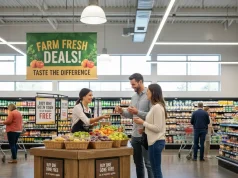
Today, local businesses are confronted with an ocean of digital options yet often overlook the tangible impact of tried-and-true offline tactics. In today’s digital landscape, balancing online and offline initiatives delivers the most comprehensive approach, and savvy merchants recognize that traditional marketing strategies still drive foot traffic, build community trust, and enhance brand recall. This year (2026), economic uncertainties and evolving consumer habits reinforce the need for a diversified plan that blends digital finesse with physical presence.
Traditional marketing strategies encompass an array of offline methods—from print advertising and direct mail to community sponsorships and grassroots events—that deliver measurable returns when executed properly. By leaning into time-tested channels, local establishments can distinguish themselves from competitors who focus exclusively on social media or search ads. A strategic mix of physical collateral, in-person experiences, and neighborhood partnerships fosters loyalty and generates word-of-mouth referrals.
Throughout this article, we will explore five core pillars of offline promotion, each featuring actionable tactics and real-world examples. We will explain how to leverage high-impact print materials, host memorable on-site engagements, and forge meaningful community alliances. Additionally, you’ll discover ways to implement guerrilla stunts, optimize outdoor placements, and cultivate customer advocates through workshops and loyalty programs.
Whether you run a corner bakery, a local consultancy, or a neighborhood fitness studio, these traditional marketing strategies will equip you with the tools you need to captivate audiences and amplify your bottom line. Let’s dive in and unlock the potential of offline outreach for sustainable growth.
Revitalizing Print and Mail Campaigns
Local Print Advertising
Print remains a pillar of community engagement, offering a tactile experience that digital media simply cannot replicate. Newspapers, neighborhood magazines, and community bulletins still enjoy loyal readership among demographics who value reputable local journalism. By placing eye-catching ads in these publications, businesses create visible cues in homes, coffee shops, and public libraries—triggering conversations and store visits.
When crafting a print advertisement, focus on clarity and impact. Use bold headlines to convey your main message in a glance, and incorporate high-resolution images of signature products or eye-catching graphics. Include a clear call to action—such as a redeemable coupon or a QR code that links to a dedicated landing page—so you can track response rates. Consider premium paper stock or spot UV printing for limited-edition flyers, lending a touch of sophistication that resonates with quality-conscious consumers.
Tip: Collaborate with the paper’s editorial team to create advertorial content, blending informative articles with subtle product mentions. According to a study by the Gazette Research Center (https://www.gazetteresearch.org), advertorials can boost reader engagement by 25%. When readers perceive valuable insights in context, they are more likely to internalize brand messages and visit your store.
Direct Mail Campaigns
Despite the ubiquity of email marketing, physical mail still delivers a sense of personalization that inboxes can’t replicate. A well-designed postcard or booklet arriving at a prospect’s doorstep cuts through digital clutter, piques curiosity, and invites exploration. Segment your mailing list based on neighborhood boundaries or demographic data to ensure relevance.
When planning a direct mail campaign, outline your objectives—whether to announce a grand opening, showcase new offerings, or reward loyal patrons. Leverage variable data printing to tailor each mail piece with the recipient’s name, past purchase references, or neighborhood landmarks. Including a vanity URL or unique promo code on each mailer helps you measure ROI with precision.
For greater impact, partner with a local print house that sources eco-friendly paper and uses vegetable-based inks. You not only boost your brand’s reputation but also align with environmentally conscious values cherished by today’s consumers. The U.S. Small Business Administration (https://www.sba.gov) provides grants and resources for sustainable business practices—explore these opportunities to offset campaign costs.
Elevating In-Store Experiences

In-Store Promotions and Point-of-Purchase Signage
Once prospects step inside your establishment, it’s crucial to maintain momentum with compelling in-store visuals. Point-of-purchase (POP) displays, strategically placed floor decals, and banner stands can guide customers towards new arrivals or limited-time deals. Research from the University of Illinois Retail Lab (https://www.retaillab.illinois.edu) indicates that well-designed POP materials can increase impulse purchases by up to 15%.
Design your in-store promotions around a cohesive theme—seasonal events, product launches, or community milestones. Use consistent color palettes, fonts, and messaging that mirror your print and direct mail materials. This unity reinforces brand familiarity and streamlines customer journeys, from outdoor banner to checkout counter.
Additionally, consider cross-promotional partnerships with adjacent local businesses. For example, a bookstore might collaborate with a neighboring coffee shop to offer a “book-and-brew” bundle. Joint signage and co-branded coupons encourage traffic exchange, expanding each partner’s customer base organically.
Sampling and Freebie Strategies
Nothing cements a sale like firsthand experience. Offering product samples or trial-size giveaways entices first-time visitors to test offerings risk-free. A cosmetics boutique could host a “mini-makeover day,” whereas a local bakery might offer bite-sized pastry samples before major holidays. Capture visitor information at the sampling station to fuel follow-up emails or mailed promotions.
Integrate these sampling events into your overall schedule and promote them via local bulletin boards, community forums, and in-store signage. Encourage attendees to share their experiences on social media with a branded hashtag—amplifying foot traffic through peer recommendations.
Community Engagement through Events and Sponsorships
Community Sponsorships
Sponsoring neighborhood sports teams, school fairs, or charitable fundraisers positions your brand as an invested community member. When your logo appears on event banners, participant jerseys, or printed programs, you tap into the trust and goodwill already established by those organizations. This positive association can translate directly into increased foot traffic and referrals.
To maximize impact, choose partnerships aligned with your brand values. A family-owned restaurant might sponsor youth soccer leagues, while a financial advisor could support local scholarship programs. Establish clear deliverables with each sponsorship agreement—such as social media mentions, signage placements, or speaking opportunities—so you can evaluate ROI.
Trade Shows and Local Fairs
Trade shows and community fairs gather your ideal audience in one location, eager to discover local offerings. An interactive booth with product demonstrations, sampling stations, and digital kiosks stands out amid rows of static tables. Offer compelling giveaways—branded tote bags, pens, or reusable water bottles—to attract attendees.
Collect contact information through raffle entry forms or VIP sign-ups for exclusive discounts. Follow up after the event with personalized messages and targeted offers. According to data from the Event Marketing Institute (https://www.eventmanagementinstitute.org), businesses that nurture post-event leads see a 25% lift in conversion rates compared to one-off attendees.
Impactful Guerrilla and Outdoor Advertising

Guerrilla Marketing Tactics
Guerrilla marketing relies on creativity and surprise rather than big budgets. Sidewalk chalk murals, flash mobs in high-traffic plazas, or pop-up art installations can create buzz that spreads quickly through word-of-mouth and social media shares. Always obtain necessary permits and consult local ordinances before execution.
Document each guerrilla stunt with high-quality photography and video. Share these assets across your website, email newsletters, and social channels to extend the reach beyond the immediate vicinity. Tag local press outlets and community pages—sometimes, a novel activation will earn free coverage in neighborhood blogs or on local TV.
Outdoor Advertising
Strategically placed billboards, bus shelter panels, and transit ads keep your brand top-of-mind during daily commutes. When designing outdoor creatives, simplicity is key. Opt for high-contrast color schemes, minimal text, and large, legible fonts. A single, bold headline with your logo and a short URL often outperforms cluttered layouts.
Rotate placements every few months to test which locations yield the highest footfall. Use dedicated landing pages and trackable phone numbers to measure effectiveness. Over time, you’ll allocate your budget toward the most productive sites—maximizing ROI even on a modest advertising spend.
Building Loyalty with Workshops and Referral Programs
Workshops and Demonstrations
Hosting free or low-cost workshops positions your business as an authority in your field while forging personal connections. A home improvement store could teach basic woodworking techniques, whereas a health food shop might lead a nutrition seminar. Promote these events through local library bulletin boards, community centers, and in-store flyers.
Invite guest speakers such as local influencers, industry professionals, or community leaders to co-host. Their endorsement lends credibility and expands your promotional reach, tapping into their follower bases. Collect attendee information at registration and follow up with resource guides, special offers, or invitations to future events.
Referral and Loyalty Programs
Turning satisfied customers into ambassadors fuels organic growth. Design a referral program that rewards both referrer and referee—perhaps a discount on the next purchase or a small gift card. Publicize the initiative in-store, on receipts, and via direct mail. Maintain simplicity: two steps or fewer to claim rewards ensures higher adoption rates.
Complement referrals with a loyalty punch-card or points-based system. Whether digital or analog, a structured loyalty framework incentivizes repeat visits and upsells. According to the Federal Trade Commission’s consumer reports (https://www.ftc.gov), loyalty program members spend up to 30% more annually than non-members.
Frequently Asked Questions
Why should local businesses invest in offline marketing strategies?
Offline marketing drives foot traffic, builds community trust, and complements digital efforts by providing tangible touchpoints. Traditional tactics like print ads and events foster deeper connections with local audiences who value in-person experiences.
How can I measure the ROI of offline campaigns?
Use trackable elements such as QR codes, unique promo codes, dedicated URLs, and vanity phone numbers. Monitor coupon redemptions, landing page visits, and call-ins to attribute revenue accurately to each offline initiative.
What are low-budget offline tactics that still deliver impact?
Guerrilla marketing stunts, sidewalk chalk murals, and pop-up events require minimal investment yet generate buzz. Partner with neighboring businesses for cross-promotion or leverage community bulletin boards for free event listings.
Conclusion
In today’s competitive marketplace, integrating offline touchpoints with your digital efforts is not a luxury—it’s a necessity. By revitalizing print and mail campaigns, elevating in-store experiences, engaging through community events, executing creative guerrilla stunts, and nurturing loyal advocates, local businesses can harness powerful traditional marketing strategies that deliver measurable results. Remember to track key performance indicators—coupon redemptions, event attendance, and referral counts—so you can optimize investments in real time. As you blend these tactics with your online channels, you’ll build a stronger, more resilient brand in neighborhoods across the nation. Embrace these methods this year (2026) and watch your local presence flourish.