Introduction
In today’s fast-paced marketing environment, businesses must find ways to forge genuine connections with their target audiences. While digital channels continue to dominate advertising budgets, the power of local sponsorships remains unmatched when it comes to building trust and community goodwill. By aligning your brand with neighborhood events, sports leagues, cultural gatherings, or charity initiatives, you demonstrate a direct commitment to local values and shared interests. This year (2026), savvy marketers recognize that combining traditional outreach with data-driven insights offers a competitive edge.
Local sponsorships deliver a unique blend of visibility and authenticity. They tap into the pride residents feel for their community and offer repeated exposure through event signage, branded merchandise, and on-site activations. Unlike one-off digital ads that vanish from view after a click, sponsorships create lasting impressions that translate into word-of-mouth referrals and heightened brand recall. In today’s digital landscape, consumers crave tangible experiences. They appreciate brands that invest in their towns and neighborhoods.
This article provides a comprehensive blueprint for developing, executing, and measuring successful local sponsorship campaigns. We’ll explore the benefits of hyperlocal partnerships, examine the variety of sponsorship avenues available, outline strategic planning steps, discuss methods to maximize your return on investment, and highlight ways to integrate digital elements for even greater impact. Whether you represent a small family-owned business or a growing regional chain, these insights will help you craft a sponsorship approach that resonates with your community and drives lasting results.
Why Local Sponsorships are Essential in Traditional Marketing

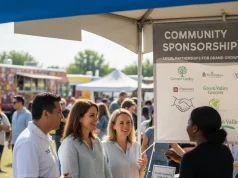
Local sponsorships offer an opportunity to reach highly engaged audiences in a context that feels personal and relevant. Today, when consumers face endless online ads and competing messages, community-focused activations stand out. Residents who attend town fairs, youth sports competitions, or charitable events are typically invested in causes that matter locally. By positioning your brand alongside these initiatives, you benefit from the positive associations event-goers already have with organizers and fellow attendees.
One of the key advantages of local sponsorships is the establishment of trust through community involvement. According to research from the U.S. Small Business Administration (https://www.sba.gov), businesses that actively participate in neighborhood activities are perceived as more credible and socially responsible. When you sponsor a school fundraiser or volunteer at a local festival, you showcase shared values that strengthen customer loyalty. This emotional connection often leads to repeat business and organic word-of-mouth referrals, reducing dependence on paid advertising over time.
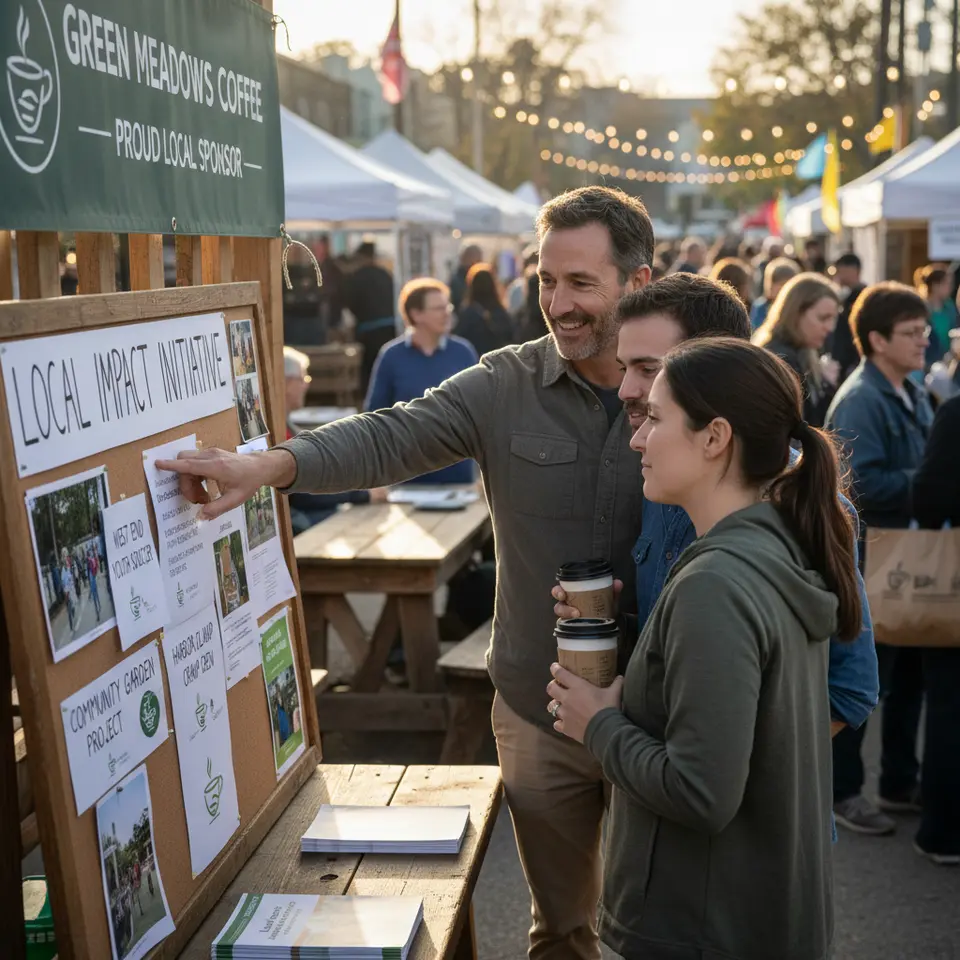
Targeted reach is another benefit. Unlike broad digital campaigns that rely on demographic algorithms, local sponsorships allow you to engage a specific geographic market directly. Families at weekend fairs, sports fans at high school games, and culture enthusiasts at art walks all represent segments you can tap into with tailored messaging. For instance, a coffee shop sponsoring a Saturday morning fun run can distribute branded water bottles and coupons, aligning perfectly with participants’ lifestyles and increasing foot traffic to the café afterward.
Moreover, the visibility you gain through consistent presence at recurring local events amplifies brand recall. When attendees see your logo on banners, jerseys, and programs multiple times throughout the season, your business becomes top-of-mind. In fact, a study from the Pew Research Center underscores that repeated offline impressions can boost brand recognition by up to 50%. In today’s market, where consumers juggle countless options, maintaining that mental foothold is crucial.
Building Authentic Community Connections
At the heart of every successful local sponsorship campaign lies authenticity. Sponsorships should reflect your brand’s core values and align with causes that matter to your customers. Whether you champion environmental stewardship by supporting a town clean-up or empower local youth through scholarship funding, the sincerity of your involvement resonates more deeply than generic advertising.
Generating Positive Brand Sentiment
When a business steps up to support a beloved local event, residents view it as a partner rather than just a vendor. This positive sentiment leads to increased social media mentions, favorable reviews, and heightened goodwill. By capturing these moments—through photos, video clips, and attendee testimonials—you can amplify your reach with earned media coverage on local news outlets or college publications (for example, https://www.census.gov for demographic context).
Exploring Different Local Sponsorship Opportunities
Local sponsorships come in many forms, each offering distinct advantages depending on your objectives and audience profile. Selecting the right type of partnership involves understanding who attends the event, what activations are permitted, and how the sponsorship can be leveraged for maximum visibility.
Supporting Sports Teams and Competitions
From elementary school soccer leagues to adult recreational tournaments, sports sponsorships remain a cornerstone of community engagement. Your logo on team uniforms, field signage, and promotional materials ensures repeated exposure throughout the season. Additionally, opportunities to host halftime challenges or award ceremonies can showcase your brand personality and create memorable moments.
Participating in Community Festivals and Street Fairs
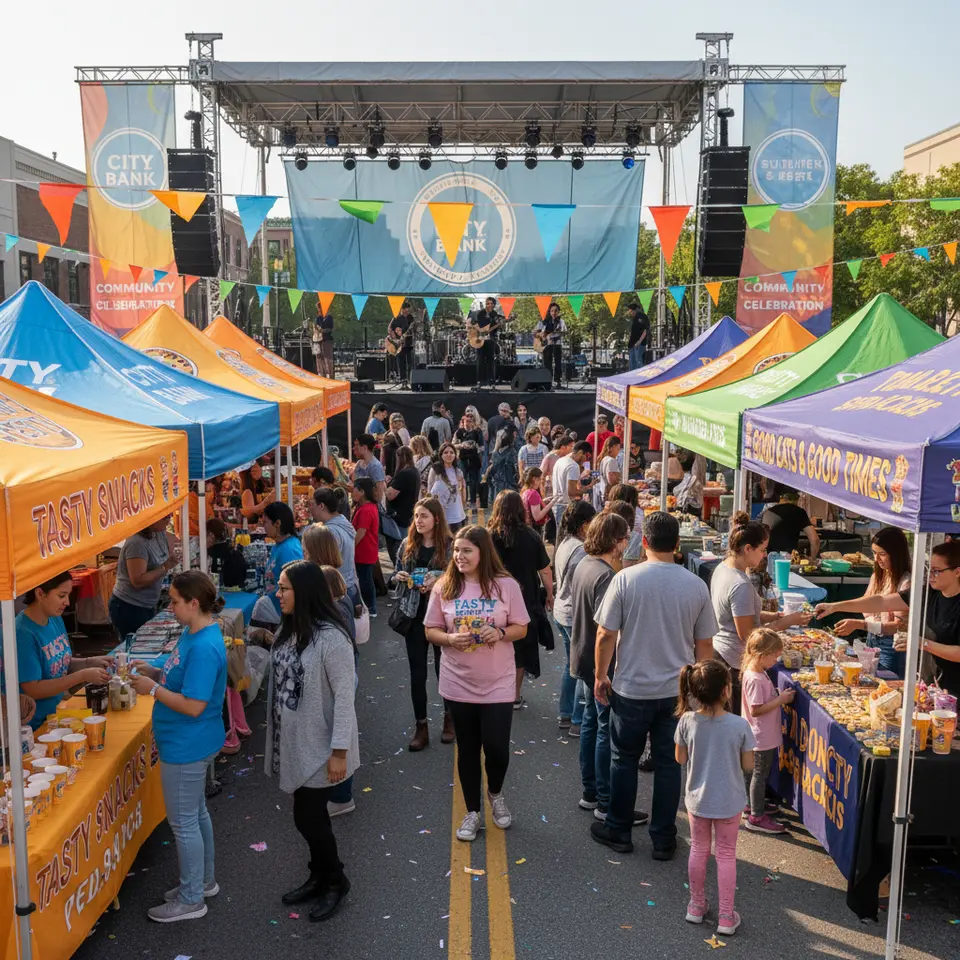
Street festivals, food expos, and seasonal markets attract diverse crowds looking for entertainment, cuisine, and shopping. Booth spaces allow you to interact directly with attendees, distribute samples, and gather contact information. Sponsoring a main stage or cultural performance further positions your brand at the heart of the event experience.
Backing Educational and Charitable Initiatives
Aligning with scholarship fundraisers, school plays, or charity walks highlights your commitment to social responsibility. Such sponsorships often garner positive media attention and attract stakeholders who value purpose-driven companies. In turn, this association can improve employee morale and attract like-minded talent.
Championing Arts and Culture Programs
Theater productions, gallery openings, and community concerts appeal to audiences seeking creative enrichment. Sponsoring arts events associates your brand with innovation and cultural vitality. You might underwrite artist receptions or sponsor interactive workshops, blending your corporate identity seamlessly with local artistic expression.
Developing a Winning Sponsorship Strategy
Effective local sponsorships hinge on strategic planning. Jumping into an opportunity without clear objectives or metrics can lead to wasted resources. By following a structured approach, you ensure every dollar invested supports measurable business goals.
Identifying Ideal Sponsorship Partners
Begin by researching events and organizations that share your audience demographics and brand ethos. Examine attendee profiles, past sponsorships, and media coverage. Local chambers of commerce and industry associations often maintain calendars of regional happenings. You can also solicit feedback from existing customers to learn which events they value most.
Defining Clear Goals and Key Performance Indicators
Before signing any agreement, articulate what success looks like. Whether you aim to generate leads, increase store visits, or boost brand sentiment, assign specific KPIs—such as number of sign-ups collected, social media mentions tracked, or coupon redemptions achieved. Set a timeline for evaluation to keep your team accountable.
Negotiating Sponsorship Packages
Sponsorship tiers vary widely in deliverables and cost. Compare offerings—such as logo placement size, speaking opportunities, press mentions, and digital promotions—and negotiate enhancements like exclusive email blasts or sampling rights. Don’t hesitate to propose in-kind contributions, such as product donations or staffing support, in exchange for reduced fees.
Planning On-Site Brand Activations
A compelling activation turns a static logo into an engaging experience. Consider interactive photo booths, branded giveaways, live demonstrations, or contest booths. Thoughtful activations encourage attendees to linger, share memorable content on social media, and deepen their connection with your brand.
Measuring Impact and Optimizing Your Investment
To ensure your local sponsorship delivers a solid return, implement robust tracking methods and be prepared to refine your tactics. Monitoring both quantitative and qualitative metrics provides a holistic view of performance.
Tracking Traditional Engagement Metrics
Count physical collateral distribution numbers, banner impressions, and on-site foot traffic. Use attendee surveys or quick feedback forms to gauge audience reaction. Discount codes, QR-based offers, or unique URLs provide insight into the number of conversions directly linked to the sponsorship.
Leveraging Public Relations and Media Outreach
After the event, issue press releases summarizing your involvement and highlight any community-driven outcomes. Pitch local news outlets, regional magazines, and university newspapers to maximize earned media. Including third-party mentions extends reach far beyond the attendees present.
Collecting and Analyzing Customer Data
Invite event-goers to opt in for newsletters, contests, or exclusive offers. Segmented email follow-ups reinforce your message and nurture leads generated on-site. Analyze open rates, click-through rates, and subsequent purchases to evaluate the long-term impact of your sponsorship efforts.
Adjusting for Future Campaigns
Review performance against your initial KPIs. Identify which activations resonated best and which fell short. Use these insights to negotiate improved terms for the next sponsorship cycle and allocate budget more efficiently.
Enhancing Local Sponsorships with Digital Integration
Integrating online tactics amplifies your offline sponsorship and provides richer data for measuring success. By blending traditional and digital elements, you create a seamless brand experience that extends beyond the event grounds.
Amplifying with Social Media Campaigns
Leading up to the event, promote your involvement across social channels. Boost posts, run targeted ads, and collaborate with local influencers to generate buzz. During the event, share live updates, behind-the-scenes footage, and attendee testimonials. Encourage the use of a branded hashtag to consolidate user-generated content.
Utilizing QR Codes and Mobile Engagement
Place QR codes on banners, brochures, and giveaway items that link to special landing pages or exclusive offers. This tactic not only drives online traffic but also enables you to track scans and measure engagement. Interactive mobile surveys or instant-win games can further enhance the experience and collect valuable data.
Implementing Hybrid and Virtual Components
Offer live streaming of keynote addresses or performances for remote participants. Hybrid models expand your audience beyond physical attendees and provide additional metrics—such as viewing duration and geographic reach. Hosting virtual meet-and-greets or Q&A sessions adds value and keeps your brand top-of-mind.
Integrating Email Marketing Sequences
Use event registration lists to send targeted pre-event reminders and post-event follow-ups. Include customized offers or content that aligns with attendee interests. By automating these email sequences, you maintain engagement with minimal manual effort.
Frequently Asked Questions
How do I choose the right local event to sponsor?
Select events that align with your brand values and match your target demographic. Research attendee profiles, event history, and media coverage. You can also survey existing customers to determine which local activities they support most.
What metrics should I track to measure sponsorship ROI?
Track both quantitative and qualitative data: number of leads collected, discount code redemptions, banner impressions, social media mentions, and attendee feedback. Unique URLs and QR codes help attribute conversions directly to the sponsorship.
How can digital tools enhance my local sponsorship efforts?
Leverage social media campaigns to build pre-event buzz and share live updates. Use QR codes on printed materials to drive online engagement and capture data. Consider hybrid or virtual elements, such as live streams and online meet-and-greets, to expand your reach beyond physical attendees.
Conclusion
Local sponsorships stand as a proven tactic for brands aiming to cultivate authentic community relationships and drive measurable results. By thoughtfully selecting partnerships that mirror your values, defining clear goals, and executing engaging on-site activations, you can boost brand visibility and earn lasting trust from local audiences. Integrating digital tools—such as social media amplification, QR-enabled tracking, and hybrid event features—further extends your reach and enhances data collection.
As you plan your next campaign this year (2026), leverage the insights shared here to negotiate favorable sponsorship packages, capture valuable metrics, and continuously optimize your strategy. In today’s competitive landscape, businesses that invest in the fabric of their communities will reap the dual rewards of customer loyalty and positive brand sentiment. Embrace this blueprint, engage your local market authentically, and watch your sponsorship efforts deliver sustained growth and impact.