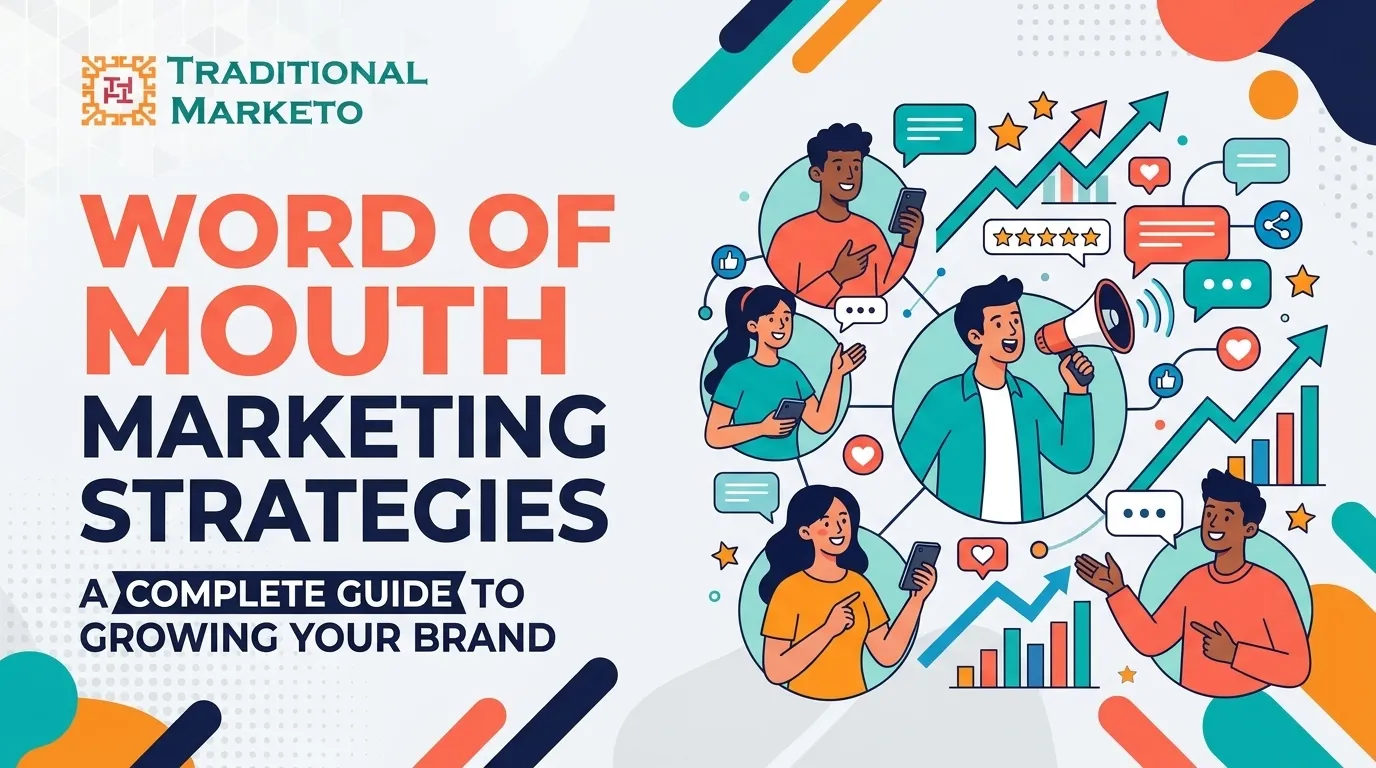
Word of mouth marketing is one of the most powerful ways to build brand awareness, attract new customers, and establish long-term business relationships. People often trust recommendations from friends, family members, and other customers more than traditional advertisements. By creating positive customer experiences, encouraging reviews, developing referral programs, and building strong relationships, businesses can turn satisfied customers into valuable brand advocates. This guide explores effective Word of Mouth Marketing Strategies, their benefits, and practical techniques for generating organic business growth.
Word of Mouth Marketing Techniques
Word of mouth marketing is a promotional approach in which customers naturally share their experiences, opinions, and recommendations about a brand with other people. Unlike traditional advertising, which depends on paid campaigns, this marketing method focuses on customer satisfaction, trust, and genuine recommendations. When someone has a positive experience with a product or service, they are more likely to discuss it with friends, family members, colleagues, and online communities. Businesses can use several techniques to encourage these conversations. Providing excellent customer service is one of the most effective approaches because people remember brands that make their experiences simple, convenient, and enjoyable. Personalized communication, loyalty rewards, customer appreciation campaigns, and memorable product experiences can also encourage customers to recommend a business.
Another useful technique is creating shareable content that customers genuinely enjoy. Interesting videos, helpful guides, entertaining social media posts, and educational resources can motivate people to share a brand with their networks. These Word of Mouth Marketing Strategies help businesses increase visibility without depending entirely on paid advertising. Companies should also maintain consistent product quality and deliver on their promises. A single disappointing experience can damage customer trust, while consistently positive interactions can create long-term supporters who willingly recommend the brand.
Effective Word of Mouth Marketing Strategies
Developing effective marketing strategies requires businesses to understand what motivates customers to talk about their experiences. People usually recommend brands when they receive exceptional value, enjoy personalized service, or discover something that genuinely solves their problems. Therefore, businesses should focus on creating experiences worth sharing rather than simply asking customers to promote their products. One effective approach is to exceed customer expectations. This could include offering helpful support, providing unexpected benefits, responding quickly to customer concerns, or creating a smooth purchasing experience. Small gestures can make customers feel appreciated and encourage them to share positive feedback with others.
Social media engagement is another important part of modern Word of Mouth Marketing Strategies. Businesses can encourage customers to share product photographs, testimonials, unboxing experiences, and personal stories. When customers create and distribute this content, brands gain access to authentic recommendations that can influence potential buyers. Companies should also build communities where customers can communicate, exchange ideas, and discuss their experiences. Online groups, brand communities, and interactive social media campaigns can create stronger relationships between customers and businesses. For companies that want to expand their digital presence, combining customer recommendations with a strong online marketing approach can be particularly effective. Understanding how social media marketing helps businesses grow can help brands connect customer conversations with broader promotional activities.
Benefits of Word of Mouth Marketing
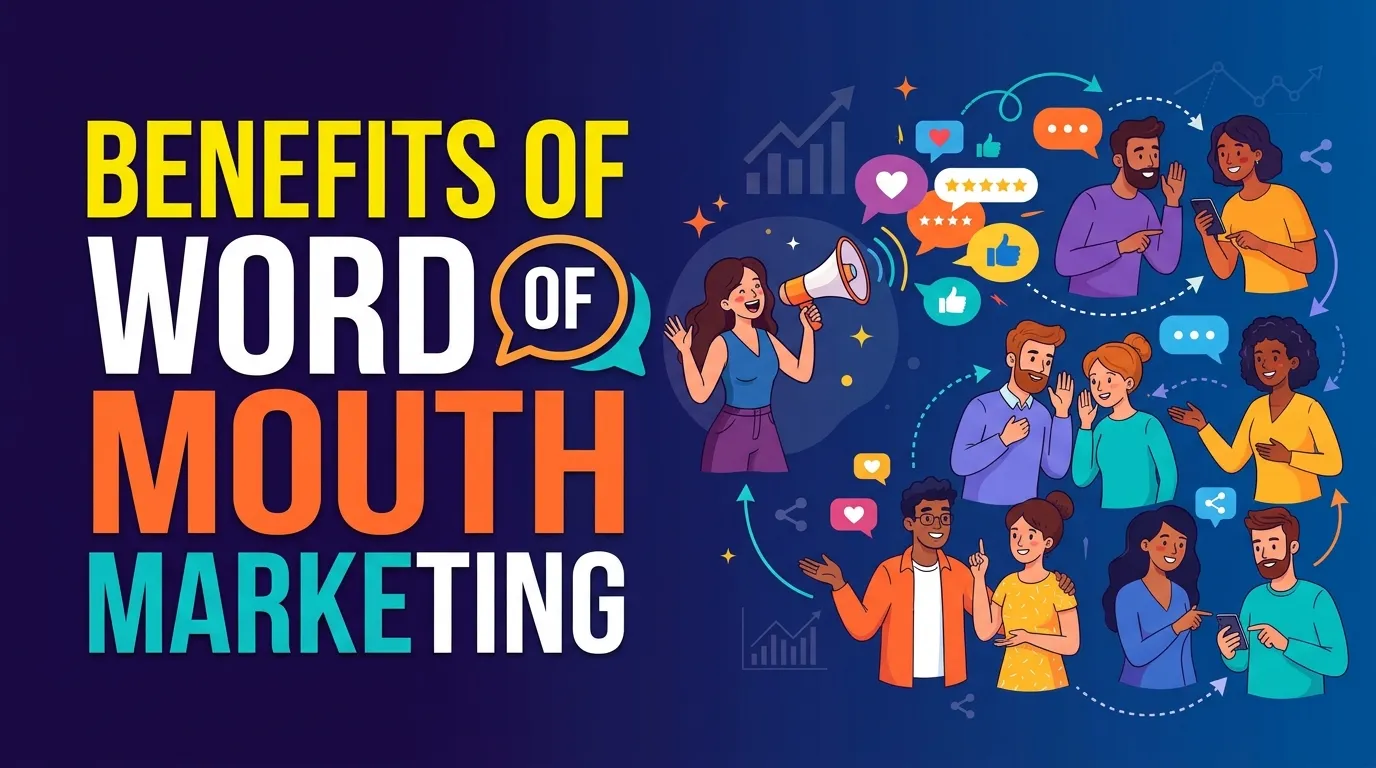 Word of mouth marketing offers several advantages for businesses of different sizes. One of its biggest benefits is the trust associated with personal recommendations. Consumers often consider recommendations from people they know more reliable than promotional messages created directly by companies. This trust can influence purchasing decisions and help businesses attract customers who are already interested in their products or services. Another important benefit is cost-effectiveness. Traditional advertising may require significant investment in television commercials, paid advertisements, and promotional campaigns. In comparison, organic customer recommendations can generate attention without requiring businesses to pay for every interaction. Although companies may invest in customer experience and referral incentives, the resulting recommendations can provide long-term value.
These Word of Mouth Marketing Strategies can also improve customer retention. When customers feel connected to a brand and actively recommend it, they may develop a stronger relationship with the business. This can increase loyalty and encourage repeat purchases. Brand credibility is another significant advantage. Positive customer experiences, authentic testimonials, and online reviews help businesses establish a trustworthy reputation. Potential customers can explore other people’s experiences before making purchasing decisions. Furthermore, word of mouth can support business growth by introducing brands to new audiences. A satisfied customer may recommend a company to several people, creating opportunities to reach potential buyers who might never have discovered the brand through conventional advertising.
Customer Referral Marketing Strategies
Customer referral marketing encourages existing customers to recommend a company’s products or services to people in their personal and professional networks. It is a structured approach to generating word of mouth through incentives, rewards, and positive customer experiences. A successful referral program should be simple to understand and easy to use. Customers should know how to share their referral links, what benefits they can receive, and how their referrals can claim available rewards. Complicated requirements can discourage participation and reduce the effectiveness of the campaign.
Businesses can offer different types of incentives, including discounts, loyalty points, exclusive offers, free products, and account credits. For example, an online store might reward an existing customer with a discount when a friend makes their first purchase through a referral link. However, incentives alone are not enough. Companies must provide products and services that customers genuinely appreciate. People are more likely to recommend a business when they believe the recommendation will benefit someone they know.
The most effective Word of Mouth Marketing Strategies combine referral incentives with excellent customer experiences. Businesses should also monitor referral performance, identify their most active advocates, and improve their programs based on customer feedback. Transparency is equally important. Referral rewards and promotional conditions should be communicated clearly so that customers understand how the program works.
How to Generate Word of Mouth Marketing
Generating word of mouth marketing begins with understanding customer expectations and delivering experiences that encourage people to share their opinions. Businesses should identify what makes their products or services valuable and communicate those benefits through every customer interaction. The first step is creating a product or service that solves a genuine customer problem. If customers find something useful, convenient, or enjoyable, they are more likely to discuss it with others. Quality, reliability, affordability, and customer support all contribute to positive recommendations.
The next step is encouraging customers to share their experiences. Businesses can request feedback after a purchase, invite customers to leave reviews, or encourage them to post photographs and testimonials on social media. These requests should feel natural rather than aggressive. Another approach is producing memorable brand experiences. Personalized packaging, helpful after-sales support, exclusive customer events, and unexpected appreciation gifts can give people something interesting to talk about.
Businesses can also create educational content that customers find valuable. Guides, tutorials, product demonstrations, and practical advice can help audiences understand a brand’s expertise. For companies selling downloadable resources or online solutions, exploring digital products for beginners can provide useful ideas for developing products that customers may naturally recommend. Consistent engagement is essential. Brands should respond to customer questions, appreciate positive feedback, and address complaints professionally. These Word of Mouth Marketing Strategies help create a positive reputation that encourages organic recommendations over time.
Customer Advocacy Marketing
 Customer advocacy marketing focuses on building meaningful relationships with customers who genuinely support a brand and are willing to recommend it to others. These customers become brand advocates because they believe in the company’s products, services, values, and overall customer experience. Customer advocates can influence purchasing decisions through personal recommendations, social media discussions, online reviews, testimonials, and community participation. Their opinions are valuable because they come from real experiences rather than direct promotional messages from a company.
Businesses can develop customer advocacy by listening to customer feedback and showing that their opinions matter. When customers see their suggestions being implemented, they feel valued and become more emotionally connected to the brand. Creating an exclusive customer community can also strengthen advocacy. Businesses can invite loyal customers to participate in product discussions, early-access programs, feedback sessions, and special events. These activities help customers feel involved in the brand’s development.
Another important factor is recognition. Companies can appreciate loyal customers through personalized messages, loyalty rewards, special discounts, and opportunities to share their stories. Strong Word of Mouth Marketing Strategies often depend on customer advocacy because satisfied customers can become long-term supporters. Rather than focusing only on attracting new buyers, businesses should invest in maintaining relationships with the people who already trust their brand.
Viral Marketing Strategies
Viral marketing is a promotional approach that encourages people to share content rapidly across social networks, online communities, and digital platforms. The goal is to create content that captures attention and motivates audiences to distribute it voluntarily. Successful viral campaigns often use humor, emotional storytelling, creativity, surprise, or relatable situations. When people find content entertaining or valuable, they are more likely to share it with their friends and followers.
Businesses can develop viral marketing campaigns through short videos, interactive challenges, creative advertisements, customer participation campaigns, and engaging storytelling. However, content should remain relevant to the brand’s identity and audience. Social media platforms make viral distribution easier because users can share content with large networks within seconds. A creative campaign can reach thousands or even millions of people when audiences find it interesting enough to distribute.
Although viral marketing can generate significant exposure, businesses cannot guarantee that a particular campaign will become viral. Instead, they should focus on producing high-quality content that encourages genuine engagement. Integrating these ideas into broader Word of Mouth Marketing Strategies can help companies combine organic conversations with digital visibility. For example, businesses can use engaging video campaigns to introduce products while encouraging customers to share their personal experiences. Brands can also use professional video production and editing to improve promotional content. Learning about TV commercial editing can help businesses understand how effective visual storytelling makes advertising messages more engaging and memorable.
Organic Brand Promotion Techniques
Organic brand promotion involves increasing brand visibility without depending entirely on paid advertising. It focuses on building relationships, publishing valuable content, improving customer experiences, and encouraging people to recommend a business naturally. One important technique is content marketing. Businesses can publish informative blog posts, educational articles, tutorials, videos, and social media content that answer common customer questions. When audiences consistently find useful information, they are more likely to trust the brand and share its resources.
Search engine optimization is another valuable method. By targeting relevant keywords, creating helpful website content, and improving website performance, companies can attract visitors who are actively searching for their products or services. Community engagement also contributes to organic promotion. Participating in relevant discussions, answering questions, and providing helpful recommendations can improve brand recognition. Businesses should focus on offering genuine value instead of posting repetitive promotional messages.
Consistent branding is equally important. A recognizable brand identity, clear communication style, and reliable customer experience help people remember a company. Businesses should maintain consistency across their websites, social media profiles, product packaging, and customer communications. These Word of Mouth Marketing Strategies become more effective when supported by a clear business direction. Companies can explore effective business strategy development to understand how marketing activities, customer relationships, and long-term business objectives can work together.
Customer Recommendations and Reviews
 Customer recommendations and online reviews are essential elements of modern word of mouth marketing. Before purchasing a product or service, many consumers look for feedback from previous buyers to understand its quality, reliability, and overall value. Positive reviews can increase customer confidence and help businesses establish credibility. They also provide useful information about what customers appreciate most about a product or service.
Businesses should make it easy for customers to share their experiences. After completing a purchase or providing a service, companies can send polite review requests through email, website notifications, or follow-up messages. However, collecting reviews should always be handled ethically. Companies should never create fake testimonials, purchase misleading reviews, or pressure customers to provide positive feedback. Genuine opinions are more valuable because they help potential customers make informed decisions.
Responding to reviews is equally important. When customers leave positive feedback, businesses should acknowledge their support. When someone shares a negative experience, companies should respond professionally, investigate the problem, and provide a reasonable solution. Review platforms can also reveal recurring customer concerns. By analyzing feedback, businesses can identify opportunities to improve product quality, customer service, and purchasing experiences. Among the most practical Word of Mouth Marketing Strategies, customer reviews provide long-term benefits because they create a visible record of customer experiences. A collection of authentic recommendations can strengthen a company’s reputation and influence future purchasing decisions.
Building Brand Awareness Through Word of Mouth
Brand awareness refers to how familiar customers are with a business, its products, and its services. Word of mouth marketing can increase brand awareness by encouraging people to introduce a company to their personal networks, professional communities, and online audiences. When customers repeatedly discuss a brand, share its content, and recommend its products, more people become familiar with the business. This organic exposure can help companies reach audiences beyond their existing marketing channels.
To build awareness, businesses should create a consistent and memorable brand experience. Their products, customer service, communication, and promotional messages should reflect the same identity and values. Social media can support this process by providing platforms where customers can share experiences, publish testimonials, and participate in brand conversations. Companies can also encourage user-generated content through creative campaigns and customer appreciation initiatives.
Partnerships with relevant creators and industry communities can further expand visibility. However, businesses should prioritize authentic relationships and transparent promotional practices to maintain customer trust. Measuring performance is also important. Companies can monitor referral traffic, customer reviews, social media mentions, referral conversions, and brand searches to understand how effectively their promotional activities are working. Ultimately, Word of Mouth Marketing Strategies can help businesses develop stronger customer relationships while increasing their visibility in competitive markets. When customers consistently receive value and feel appreciated, they become more willing to share their experiences. This creates a sustainable promotional cycle in which customer satisfaction supports recommendations, recommendations attract new customers, and new customers create further opportunities for business growth.
Conclusion
Word of mouth marketing is a valuable approach for businesses that want to increase customer trust, improve brand awareness, and achieve sustainable growth. By focusing on customer satisfaction, referral programs, authentic reviews, customer advocacy, and engaging digital content, companies can encourage people to become natural promoters of their brands. The key is to provide genuine value and create experiences that customers want to share. Businesses that consistently listen to their audiences and maintain strong customer relationships can develop a reliable source of organic promotion that supports long-term success.
FAQ
1. What is word of mouth marketing?
Word of mouth marketing is a promotional method in which customers share their experiences, opinions, and recommendations about a brand with other people. It helps businesses attract new customers through personal conversations, online reviews, testimonials, and social media recommendations.
2. Why is word of mouth marketing important?
It is important because people often trust recommendations from friends, family members, and other customers. Positive recommendations can improve brand credibility, increase customer confidence, attract new buyers, and support long-term business growth.
3. What are the most effective word of mouth marketing strategies?
Some effective approaches include providing excellent customer service, creating referral programs, encouraging authentic customer reviews, developing engaging social media content, building customer communities, and rewarding loyal customers.
4. How can small businesses generate word of mouth marketing?
Small businesses can encourage recommendations by delivering quality products, providing personalized customer support, requesting honest reviews, offering referral incentives, and maintaining strong relationships with existing customers.
5. Is word of mouth marketing better than traditional advertising?
Both approaches offer different advantages. Word of mouth marketing can generate strong customer trust through genuine recommendations, while traditional advertising helps businesses reach targeted audiences more directly. Combining both methods can produce better marketing results.
6. How does social media support word of mouth marketing?
Social media allows customers to share reviews, photographs, videos, recommendations, and personal experiences with large audiences. Businesses can encourage these interactions through engaging content, customer stories, and online communities.
7. What is the difference between referral marketing and word of mouth marketing?
Referral marketing is a structured approach that encourages customers to recommend a business, often through rewards or referral links. Word of mouth marketing is broader and includes both planned and spontaneous customer recommendations.
8. How can businesses measure word of mouth marketing success?
Businesses can measure performance by monitoring customer referrals, referral conversions, online reviews, social media mentions, customer recommendations, brand searches, and customer acquisition sources.
9. Can word of mouth marketing help build brand awareness?
Yes. When satisfied customers recommend a brand to others, they introduce the business to new audiences. Repeated recommendations can improve brand recognition, strengthen credibility, and increase awareness without relying entirely on paid advertising.
10. How long does it take to see results from word of mouth marketing?
Results depend on customer satisfaction, product quality, audience size, and promotional activities. Some businesses may receive recommendations quickly, while others need consistent customer engagement and relationship building to develop long-term results.