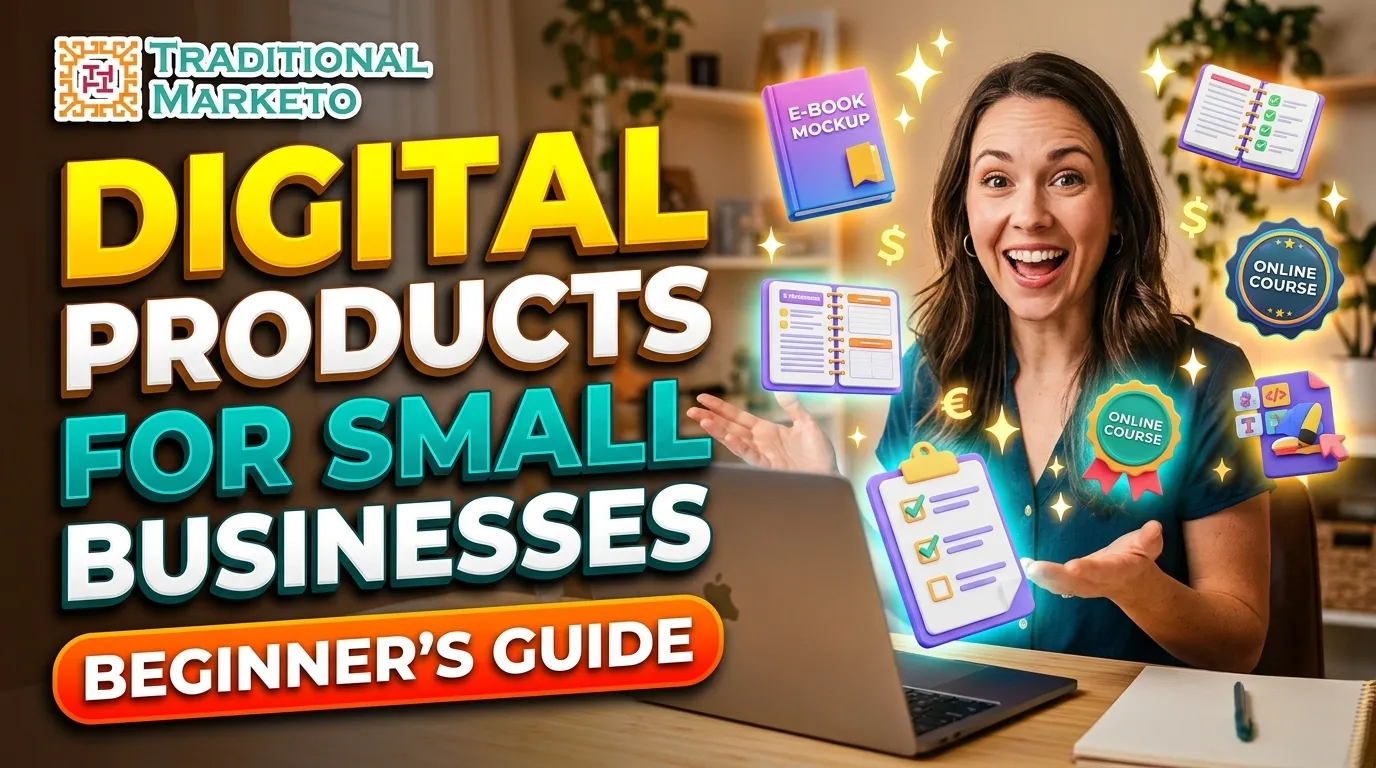
Digital products have become a popular way for entrepreneurs, creators, and small business owners to generate income online without managing physical inventory. From ebooks and templates to online courses and digital planners, these products allow businesses to share valuable knowledge and creative resources with customers worldwide. With the right strategy, digital products for small businesses can become a sustainable source of revenue with relatively low startup costs. Whether you are a beginner or an established entrepreneur, understanding how to choose, create, market, and sell digital products can help you build a profitable online business.
Digital Products for Passive Income
Digital products for passive income offer entrepreneurs an opportunity to earn money by creating something valuable once and selling it repeatedly. Unlike physical products, digital items do not require storage, packaging, or shipping. This makes them attractive to small business owners who want to expand their income without significantly increasing their operating expenses.
Popular examples include ebooks, printable planners, budgeting spreadsheets, social media templates, online courses, stock photography, and downloadable guides. For instance, a marketing professional can create a social media content calendar and sell it to business owners who need help organizing their promotional activities. Similarly, a fitness instructor can develop a digital workout guide for customers who prefer exercising at home.
Although digital products can generate recurring sales, they are not entirely passive. Entrepreneurs must invest time in product development, customer support, marketing, and occasional updates. A strong business identity can also help build customer trust. Learning about personal business branding can help you establish a recognizable identity that makes your digital products more appealing to potential buyers.
Best Digital Products to Sell Online
Choosing the best digital products to sell online requires understanding your target audience, identifying customer problems, and evaluating market demand. Products that solve specific problems often perform better than generic downloads because customers can immediately understand their value.
Ebooks and educational guides are suitable for people with expertise in a particular subject. Templates can help entrepreneurs save time when creating invoices, marketing materials, business proposals, or social media posts. Digital planners appeal to students, professionals, and people who want to improve their productivity. Online courses and video tutorials can attract customers looking for structured learning experiences.
Small businesses can also sell industry-specific resources, such as appointment trackers for service providers, inventory spreadsheets for retailers, and content calendars for marketing agencies. Before investing heavily in development, research competing products, examine customer reviews, and identify gaps in existing offerings.
A well-planned marketing strategy can help you determine which audience to target, how to communicate your product’s benefits, and which promotional channels are most likely to generate sales.
How to Make Passive Income Online
 Learning how to make passive income online begins with selecting a realistic business model and building a product around a clear customer need. Rather than creating several products immediately, start with one useful resource that addresses a specific challenge. This approach allows you to test demand, collect feedback, and improve your offering before expanding your catalog.
Begin by researching your niche and identifying the questions your audience frequently asks. You can use customer conversations, online communities, search suggestions, and competitor reviews to discover useful product ideas. Next, create a digital product that delivers a practical solution, such as a step-by-step guide, editable template, or instructional workbook.
After developing the product, choose an online platform that supports digital delivery and secure payments. Create a product page with a clear description, helpful previews, pricing information, and straightforward purchasing instructions. Email marketing, search engine optimization, and social media content can then help attract potential buyers.
If you want to explore affordable ways to launch an online venture, this guide to online business ideas with zero investment provides relevant inspiration. Remember that earning passive income takes time, and sales are never guaranteed. Consistent promotion and product improvement are essential for long-term results.
Profitable Digital Product Ideas
Profitable digital product ideas usually combine customer demand, manageable production costs, and a clear value proposition. The best opportunity depends on your experience, available resources, and the problems your audience wants to solve.
Educational ebooks are a practical starting point for writers, consultants, and professionals who can explain a topic clearly. Business templates are another promising option because entrepreneurs frequently need ready-made resources to streamline daily operations. Examples include budget trackers, invoice templates, project management sheets, and marketing planners.
Creative professionals can consider selling digital illustrations, presentation designs, website graphics, or photography. Meanwhile, teachers and subject experts can develop worksheets, lesson plans, study guides, and recorded classes. Businesses with specialized knowledge may create industry reports, checklists, or training materials for other professionals.
Subscription-based digital resources can also provide recurring revenue when customers receive ongoing value, such as fresh templates, exclusive lessons, or monthly content packs. However, subscriptions require regular updates and customer retention efforts.
Before launching any product, calculate platform fees, advertising expenses, payment processing costs, and the time required for production. A product with a high selling price is not necessarily more profitable if it requires extensive support. Focus on delivering useful results while maintaining a sustainable business model.
Selling Digital Products for Beginners
Selling digital products for beginners becomes easier when the process is divided into manageable stages. Start with a niche you understand, such as personal finance, productivity, education, design, or small business management. Familiarity with your subject makes it easier to create a helpful product and communicate its benefits.
Once you have identified your niche, validate your idea by researching search demand, examining competing offers, and speaking with potential customers. Create a minimum viable product rather than spending months developing a large collection. For example, a simple collection of editable business templates may be enough to test whether customers are willing to pay for your solution.
Next, select a suitable marketplace or ecommerce platform. Consider transaction fees, digital delivery features, customization options, and the level of control you want over your storefront. Set a price that reflects the product’s usefulness, quality, and target audience rather than simply copying competitors.
Your product page should explain what customers receive, who the product is designed for, and how it can help them. Include preview images or sample pages when appropriate. Clear refund terms, licensing conditions, and customer support information can also improve buyer confidence.
Promotion is equally important. Publish helpful blog posts, share demonstrations on social media, and build an email list of interested visitors. You can also strengthen your broader approach by studying this digital marketing strategy guide to understand how content, audience research, and promotional channels work together.
Create Digital Products to Make Money
To create digital products to make money, focus on solving a specific problem instead of producing content simply because it is easy to create. Customers are more likely to purchase resources that save time, reduce confusion, improve productivity, or help them achieve a meaningful goal.
Start by defining your ideal customer and writing down the main problem your product will solve. Then choose a format that suits the information. A checklist may work well for a simple process, while an ebook is better for detailed explanations. Templates are useful when customers need a ready-to-use resource, and video lessons are suitable for demonstrating practical skills.
Use accessible design tools and maintain consistent formatting, readable text, and clear instructions. Test every download before launch to ensure files open correctly and links work as intended. If your product includes spreadsheets or editable documents, check that the formulas, layouts, and instructions function properly.
Protect your work by providing clear usage terms and avoiding copyrighted material that you do not have permission to distribute. You should also explain whether customers can use the product personally, commercially, or within specific licensing limits.
Once your product is ready, collect feedback from a small group of users. Their questions can reveal confusing instructions or missing features. Improving the product before a wider launch can increase customer satisfaction and reduce support requests.
Passive Income Ideas for Creators
 Creators can develop passive income ideas by turning their existing knowledge, skills, and creative work into reusable digital resources. Bloggers, designers, photographers, educators, consultants, and social media creators already produce material that may inspire a commercial product.
For example, a blogger can transform popular articles into a comprehensive ebook. A graphic designer can sell editable presentation slides or branding kits. A photographer can offer licensed image collections, while a content creator can package useful scripts, caption templates, and content planning resources.
Educators can create recorded lessons, downloadable worksheets, or self-paced courses. Consultants can turn frequently requested advice into workbooks and practical guides. These products allow creators to serve customers who may not be able to afford individual services.
Building an audience before launching a product can make promotion more effective. Publish useful content that demonstrates your expertise, answer common questions, and invite interested readers to subscribe to your email list. When the product becomes available, your audience will already understand the value you provide.
Creators can also explore partnerships, affiliate promotions, and collaborations with complementary businesses. For example, a creator who sells marketing templates might collaborate with a business coach who serves the same audience. Even when using additional promotional methods, ensure that your product remains useful and that all partnerships are transparent.
Digital Downloads to Sell Online
Digital downloads to sell online can include printable artwork, business forms, educational resources, planners, calendars, spreadsheets, design assets, and instructional documents. These products are convenient because customers can receive files electronically after completing a purchase.
Printable products are popular among people who want physical copies of planners, checklists, wall art, and activity sheets. Business downloads can include proposal templates, onboarding documents, expense trackers, and marketing calendars. Creative downloads may include fonts, patterns, icons, and illustrations, provided the seller has the appropriate rights to distribute them.
The quality of the customer experience matters as much as the product itself. Organize files into clearly labeled folders, use widely supported formats, and include instructions for downloading or editing the content. If a product requires particular software, disclose that requirement before purchase.
Pricing depends on the complexity of the resource, its usefulness, competition, and the audience’s willingness to pay. You can offer a basic version at an accessible price and a more comprehensive bundle for customers who need additional features. Bundles can increase perceived value when the included resources work well together.
To increase visibility, optimize product titles and descriptions with relevant search terms. Use accurate preview images and explain the specific benefits customers can expect. Encourage genuine customer feedback and update your products when necessary to keep them relevant.
Online Business Ideas with Low Startup Costs
Online business ideas with low startup costs appeal to entrepreneurs who want to test a business without committing substantial money upfront. Digital products are one option because creators can often develop their first offer using a computer, accessible software, and their existing knowledge.
Other possibilities include freelance writing, graphic design, virtual assistance, online tutoring, consulting, and affiliate marketing. Some of these models exchange time for money, while digital products can be sold repeatedly without recreating the entire resource for each customer.
A practical approach is to begin with a skill-based service and identify recurring customer needs. For example, a freelancer who regularly creates social media calendars might turn a reusable calendar into a downloadable template. This allows the entrepreneur to diversify income while continuing to offer personalized services.
You should also consider how customers will discover your business. Search-optimized articles, email newsletters, short educational videos, and useful social media posts can attract potential buyers without requiring a large advertising budget. Paid promotion may become useful later, but it is wise to test demand before spending heavily.
For additional inspiration, explore these profitable online business ideas and compare the opportunities with your skills, available time, and financial goals.
Another promotional channel worth understanding is traditional advertising. Depending on your audience and budget, resources about TV commercials can help you explore how broadcast advertising works. However, television advertising is generally unnecessary for a beginner testing a low-cost digital product.
Make Money Selling Ebooks and Templates
 Making money selling ebooks and templates starts with choosing a subject that customers actively want to learn about or a task they want to complete more efficiently. Ebooks work well for detailed educational content, practical advice, and step-by-step instructions. Templates are useful when buyers want a ready-made structure they can customize for their own needs.
To develop an ebook, outline the reader’s problem, organize the information logically, and provide actionable examples. Avoid unnecessary filler and make the content easy to navigate. For templates, prioritize usability, editable elements, clear labels, and instructions that help customers get started quickly.
Consider selling products individually as well as in bundles. An ebook about content marketing, for instance, could be paired with a content calendar and campaign planning template. This creates a more complete solution and gives customers a reason to purchase a higher-value package.
Your sales page should communicate the product’s benefits without making unrealistic promises. Include a description of the contents, suitable use cases, file formats, and any limitations. Promote your products through relevant blog articles, search engine optimization, email campaigns, and partnerships with creators who reach a similar audience.
Monitor conversion rates, customer feedback, refunds, and revenue after launch. If people visit your sales page but rarely purchase, improve the product description, pricing, previews, or audience targeting. If customers repeatedly request a missing feature, consider including it in a future update.
Ultimately, successful digital product businesses grow through useful products, consistent marketing, and a willingness to improve. Start small, learn from real customers, and expand when you have evidence that your products meet market demand.
Conclusion
Digital products offer small businesses a flexible way to turn knowledge, creativity, and practical skills into online revenue. From ebooks and templates to courses and downloadable resources, the opportunities are broad enough to suit different audiences and budgets. The most effective approach is to start with one useful product, validate demand, build a clear marketing strategy, and improve the offer using customer feedback. With realistic expectations and consistent effort, a digital product business can become a valuable addition to your long-term income strategy.
FAQ
1. What are digital products for small businesses?
Digital products are downloadable or electronically delivered resources that businesses can sell online. Examples include ebooks, templates, online courses, planners, spreadsheets, digital artwork, and educational guides. They can help small businesses create additional revenue without maintaining physical inventory.
2. Which digital products are easiest to sell for beginners?
Simple ebooks, printable planners, checklists, spreadsheets, and editable templates are often manageable starting points. The best choice depends on your skills and audience. Select a product that solves a clear problem and can be created without excessive expense.
3. Can digital products generate passive income?
Yes, digital products can generate sales repeatedly after the initial creation. However, income is not guaranteed, and the business still requires marketing, customer service, occasional updates, and financial management.
4. How much money do I need to start selling digital products?
You may be able to start with very little money by using free design tools and an affordable selling platform. Expenses can include marketplace fees, payment processing, software subscriptions, website hosting, and advertising. The actual cost depends on your product and business model.
5. Where can I sell digital products online?
You can sell through digital product marketplaces, ecommerce platforms, online course platforms, or your own website. Compare transaction fees, file delivery options, customization, payment methods, and audience reach before choosing a platform.
6. How do I find profitable digital product ideas?
Research your audience’s common problems, review customer feedback on competing products, and investigate relevant search queries. Look for repeated needs that existing products do not adequately address. Validate demand before investing significant time in development.
7. Are ebooks or templates more profitable?
Neither format is automatically more profitable. Ebooks can provide detailed educational value, while templates offer practical convenience. Profitability depends on customer demand, pricing, production time, competition, marketing costs, and the quality of your product.
8. How can I promote digital products without paid advertising?
You can use search engine optimization, helpful blog content, social media posts, email newsletters, online communities, and collaborations. Focus on providing useful information that attracts people who are likely to benefit from your products.
9. Do I need a website to sell digital products?
No. Many marketplaces and ecommerce services allow sellers to list and deliver digital products without building a separate website. However, having your own website can provide greater control over branding, customer relationships, content, and long-term business development.
10. How long does it take to earn money from digital products?
There is no fixed timeline. Some sellers make their first sale shortly after launching, while others need months to build an audience and improve their offers. Consistent promotion, market research, customer feedback, and product quality can improve your chances of building a sustainable business.